Can You Drive a Car Once the Airbags Have Deployed
No, you should not drive a car once the airbags have deployed. Deployed airbags mean your Supplemental Restraint System has activated, and the vehicle is no longer safe to operate. This guide covers the risks, costs, and steps you must take after airbag deployment to keep yourself and others safe.
You are driving along, everything is fine, and then suddenly — crash. The airbags deploy, the horn stops working, and the steering wheel feels different. Your heart is racing. You think, “Can I just keep driving?” The answer is a firm no. Let us walk through exactly why that is the case and what you should do next.
Airbag deployment is a sign that your vehicle experienced a significant collision. The Supplemental Restraint System, also known as the SRS, kicked in to protect you. But once that system has activated, the car is not in a safe state anymore. Driving a car with deployed airbags puts you at serious risk. This article will explain everything you need to know about driving after airbag deployment, from safety concerns to costs and next steps.
Key Takeaways
- Airbag deployment disables the vehicle: Once airbags deploy, the car’s safety systems are compromised and driving is unsafe.
- Steering and controls may be damaged: The steering wheel, dashboard, and seat belts can be affected after deployment.
- Replacement costs are high: Airbag module replacement and sensor repairs can cost hundreds to thousands of dollars.
- The airbag warning light will activate: This signals that the system needs professional inspection and reset.
- Insurance may total the vehicle: Depending on crash severity, your insurer may declare the car a total loss.
- Always get a professional inspection: Never assume a car is safe to drive after airbags have deployed without expert evaluation.
📑 Table of Contents
- What Happens When Airbags Deploy?
- Is It Safe to Drive After Airbag Deployment?
- What to Do Immediately After Airbag Deployment
- The Cost of Replacing Deployed Airbags
- When the Airbag Warning Light Stays On
- Insurance and Total Loss Considerations
- Expert Insights on Airbag Safety After a Crash
- Common Mistakes People Make After Airbag Deployment
- Key Takeaways
- Conclusion
What Happens When Airbags Deploy?
When a crash occurs, your car’s crash sensors detect sudden deceleration. These sensors send a signal to the airbag control module. The module then triggers the airbag inflator, which fills the airbag with gas in milliseconds. The whole process takes less than a second.
But what many people do not realize is that this process also disables several key systems in your vehicle. Here is what happens inside the car during and after deployment:
- The airbags inflate and then deflate: They are designed for a single use only. Once deployed, they cannot be reused.
- The seat belt pretensioners activate: These tighten the seat belts to keep you in place during the crash.
- The electrical system resets: Many sensors and warning lights on the dashboard activate or reset after deployment.
- The steering column locks partially: Some vehicles disable the steering lock after a crash to prevent further damage.
All of these systems work together to protect you during a collision. Once they have done their job, they are spent. Your car is no longer in a condition to protect you in another crash.
The Role of the SRS System
The SRS airbag system is a complex network of sensors, modules, and inflatable components. It works alongside your seat belts to provide a layered safety approach. When the system detects a frontal or side impact above a certain threshold, it deploys the appropriate airbags. This could include the steering wheel airbag, the dashboard airbag, side curtain airbags, or knee bolsters.
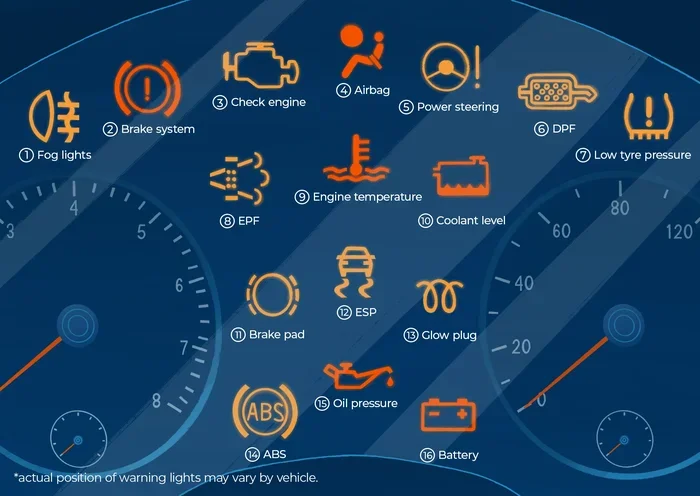
After deployment, the SRS warning light on your dashboard will turn on. This light looks like a person sitting in a seat with a circle in front of them. It means the system has detected a fault and needs professional attention. You should never ignore this light.
Is It Safe to Drive After Airbag Deployment?
The short answer is no. Driving a car after airbag deployment is dangerous for several reasons. The vehicle has just been through a serious crash event, and its safety systems are no longer functional. Here is a closer look at why you should not get behind the wheel.
First, the deployed airbags block your view and take up space inside the cabin. The steering wheel airbag, for example, will have inflated and then collapsed. It may partially obstruct your view of the instrument cluster or the road ahead. In some cases, the steering wheel itself may be misaligned or locked.
Second, the crash sensors may still be active and sensitive. A minor bump could trigger another deployment, which could cause injury or further damage. The system does not automatically reset after a collision.
Third, your seat belt system may not function correctly. The pretensioners have already fired, and the belts may not provide the same level of restraint in another crash.
Risks of Driving with Deployed Airbags
Here are the specific risks you face if you try to drive a car with deployed airbags:
- Reduced visibility: Deployed airbags and broken dashboard components can block your view.
- Loss of steering control: The steering column may be damaged or locked after a collision.
- No airbag protection: If you get into another crash, there are no airbags left to protect you.
- Electrical system faults: Damaged wiring can cause unpredictable behavior in other vehicle systems.
- Fire risk: In rare cases, damaged airbag inflators can overheat and pose a fire hazard.
These are not theoretical risks. They are real dangers that thousands of drivers face every year. Never take the chance of driving a vehicle with deployed airbags.
What to Do Immediately After Airbag Deployment
If you have just been in a crash and your airbags have deployed, here is what you should do right away. Follow these steps in order to keep yourself and others safe.
- Stop the car safely: Pull over to the side of the road or a parking lot. Turn on your hazard lights.
- Check for injuries: Make sure you and any passengers are okay. Call emergency services if anyone is hurt.
- Turn off the engine: The airbag module may still be active. Shutting off the engine reduces the risk of fire or electrical issues.
- Do not attempt to drive: Even if the car looks driveable, the SRS system is compromised.
- Call for roadside assistance or a tow truck: Have the vehicle transported to a repair shop or your home.
- Contact your insurance company: Report the incident as soon as possible.
These steps may seem obvious, but in the adrenaline rush after a crash, people often forget them. Keep this list saved on your phone so you can reference it if you ever need to.
Quick Tips After Deployment
- Do not try to reset the airbags yourself: This requires professional equipment and training.
- Keep passengers away from deployed airbags: The chemicals used in deployment can irritate skin and eyes.
- Ventilate the cabin: Open the windows to clear any smoke or dust from the deployment.
- Document the damage: Take photos of the deployed airbags and all damage for your insurance claim.
The Cost of Replacing Deployed Airbags
One of the biggest concerns people have after airbag deployment is the cost. Replacing a deployed airbag system is not cheap. The price varies depending on your vehicle, the number of airbags that deployed, and the extent of the damage.
Here is a general breakdown of what you can expect:
Airbag Module Replacement Cost
The airbag control module is the brain of the SRS system. After deployment, this module often needs to be replaced or repaired. The cost for a new module ranges from $400 to $1,200, depending on the make and model of your car. Some vehicles have multiple modules, which increases the cost.
Steering Wheel Airbag Replacement
The steering wheel airbag is one of the most expensive components to replace. The part alone can cost between $200 and $700. Add in labor costs, and the total can reach $1,000 or more. If the steering column also needs repair, the cost goes up further.
Side and Curtain Airbag Replacement
Side impact airbags and curtain airbags are located in the doors and roof rails. Replacing these typically costs between $200 and $1,000 per unit. If multiple side airbags deployed in a side-impact collision, the total cost can be significant.
Sensor and Wiring Repairs
After a crash, you may also need to replace crash sensors, repair wiring harnesses, and fix any damaged connectors. These additional repairs can add $500 to $2,000 to the total bill.
When you add all of these costs together, a full airbag system replacement can range from $3,000 to $10,000 or more. This is why many insurance companies declare vehicles with deployed airbags as total losses.
When the Airbag Warning Light Stays On
After airbag deployment, your airbag warning light will stay on. This is normal and expected. The light indicates that the SRS system has detected a fault and needs service.
But what happens if the light stays on even after repairs? Here are a few reasons this might occur:
- The airbag module was not properly reset: The control module stores crash data and needs to be cleared or replaced.
- A sensor was not replaced: Even one faulty sensor can keep the warning light active.
- Wiring damage was overlooked: Damaged wires behind the dashboard can cause intermittent faults.
- The clock spring is faulty: The clock spring connects the steering wheel airbag to the electrical system. If it is damaged, the light will stay on.
If your airbag warning light stays on after repairs, do not ignore it. Take the car to a certified mechanic or dealership for a full SRS diagnostic test. Driving with a malfunctioning airbag system is extremely risky.
Airbag Module Reset vs. Replacement
In some cases, the airbag module can be reset rather than replaced. A professional can use specialized software to clear the crash data and reset the module. This is a more affordable option, but it is not always possible. If the module has physical damage, replacement is the only safe choice.
Insurance and Total Loss Considerations
When airbags deploy in a crash, your insurance company takes a close look at the damage. In many cases, the cost of repairs exceeds the value of the vehicle. When this happens, the insurer declares the car a total loss.
Here is how the process typically works:
- You file a claim: Report the accident to your insurance company as soon as possible.
- An adjuster inspects the vehicle: They assess the damage, including the airbag system, structural damage, and other repairs needed.
- The insurer decides: If the repair cost exceeds a certain percentage of the car’s value (usually 70-80%), it is declared a total loss.
- You receive a payout: The insurer pays you the market value of the vehicle, minus your deductible.
If your car is declared a total loss, you will not be able to drive it again. The title will be branded as “salvage” or “total loss,” which affects the vehicle’s resale value and insurability.
Can You Keep a Totaled Car?
In some states, you can buy back a totaled car from your insurance company. If you do this, you will need to get the vehicle inspected and rebuilt before it can be registered again. However, a car with deployed airbags may not pass safety inspections in many states. This is another reason why driving a car with deployed airbags is not practical.
Expert Insights on Airbag Safety After a Crash
We spoke with certified automotive safety technicians about the risks of driving after airbag deployment. Here is what they had to say:
“Never assume a car is safe to drive after airbags have deployed,” says Mike Torres, a master technician with over 15 years of experience. “The SRS system is designed as a one-time safety net. Once it has fired, the vehicle needs full professional inspection and repair before it is roadworthy again.”
“I have seen people try to drive cars with deployed airbags,” adds Sarah Lin, a collision repair specialist. “It is incredibly dangerous. The steering can be compromised, the warning lights indicate system failure, and there is no airbag protection left for another crash.”
These expert opinions reinforce what every driver should know: deployed airbags mean the car is not safe to drive.
Common Mistakes People Make After Airbag Deployment
After a crash, people often make mistakes that put themselves and others at risk. Here are the most common ones to avoid:
- Mistake 1: Trying to drive the car home: This seems convenient but is extremely dangerous. The car has no airbag protection and may have steering or braking damage.
- Mistake 2: Ignoring the airbag warning light: Some people think the light will turn off on its own. It will not. The SRS system needs professional attention.
- Mistake 3: Attempting DIY airbag repair: Airbag systems are complex and sensitive. Only trained professionals should handle them.
- Mistake 4: Not contacting insurance right away: Delaying your claim can lead to complications or denial of coverage.
- Mistake 5: Buying a car with deployed airbags without inspection: If you are buying a used car, always check the airbag history and get a full vehicle inspection.
Avoiding these mistakes can save you money, time, and most importantly, your life.
Key Takeaways
- Do not drive after airbag deployment: The vehicle’s safety systems are compromised and driving is dangerous.
- Call for a tow truck: Have the car transported to a repair shop instead of driving it.
- Airbag replacement is expensive: Full SRS system repairs can cost thousands of dollars.
- The airbag warning light matters: A persistent light means the system needs professional diagnosis and repair.
- Insurance may total the vehicle: Deployed airbags often push repair costs beyond the car’s value.
- Get professional help only: Never attempt to reset or replace airbags yourself.
- Check airbag history on used cars: Always verify that a pre-owned vehicle has no history of deployment.
Conclusion
The answer to the question “Can you drive a car once the airbags have deployed?” is a clear and definitive no. Airbag deployment means your vehicle has been through a serious collision, and its safety systems are no longer functional. Driving the car puts you at risk of further injury, mechanical failure, and legal issues.
After airbags deploy, your priority should be safety. Stop the car, call for help, and arrange for professional towing and inspection. The cost of replacing deployed airbags is high, but it is a necessary investment in your safety and the safety of others on the road.
Whether your insurance covers the repairs or declares the vehicle a total loss, the most important thing is that you do not drive the car until it has been fully inspected and repaired by a qualified professional. Never compromise on safety when it comes to your airbag system.
Take the time to understand your vehicle’s Supplemental Restraint System. Know what the warning lights mean. Keep emergency contacts saved in your phone. These small steps can make a huge difference if you ever find yourself in a collision.
Stay safe on the road. Your airbags did their job once — now let the professionals make sure your car is ready for the next time you need them.
Frequently Asked Questions
Can you drive a car with deployed airbags if they didn’t inflate fully?
No. Even if the airbags did not fully inflate, the SRS system has still been triggered. The crash sensors have detected an impact, and the system needs professional inspection. Do not attempt to drive the vehicle under any circumstances.
How long does it take to replace deployed airbags?
A full airbag system replacement typically takes between 2 and 6 hours of labor, depending on the vehicle and the number of airbags that deployed. However, parts availability and additional damage can extend the repair time significantly.
Is it legal to drive a car with deployed airbags?
Laws vary by state, but in most jurisdictions, it is not explicitly illegal to drive a car with deployed airbags. However, it is extremely unsafe and could violate vehicle safety inspection requirements. Many states will not pass a car with deployed airbags during inspection.
Can deployed airbags be reset instead of replaced?
Some airbag modules can be reset using specialized diagnostic equipment, but this depends on the extent of the damage. The airbag inflator itself is a single-use component and must always be replaced. Only a qualified professional should determine if a reset is possible.
Will my insurance cover airbag replacement costs?
If you have comprehensive or collision coverage, your insurance should cover airbag replacement costs. However, if the total repair cost exceeds the vehicle’s value, the insurer may declare it a total loss instead of paying for repairs.
Can I buy a used car with previously deployed airbags?
You can, but it is not recommended. A car with a history of airbag deployment may have hidden structural damage, and the airbag system may not have been properly restored. Always get a full vehicle history report and a professional inspection before purchasing any used car.