Can I Add Remote Start to My Car Heres the Full Guide
Yes, you can add remote start to most cars with an aftermarket system or factory upgrade. This guide walks you through car remote start installation, vehicle compatibility, costs, and benefits. Whether you want cold weather starts or added car security, this full guide has everything you need to make an informed decision.
Have you ever sat in a freezing car on a Monday morning and wished you could just start the engine from inside your warm house? Or maybe you come home on a hot summer day and want to cool down your car before you even open the door. The good news is that Can I Add Remote Start to My Car is a question with a very reassuring answer. In most cases, yes, you absolutely can.
Adding remote start to your car is one of the most popular upgrades drivers make today. It adds convenience, comfort, and even a layer of security. But the process is not always simple. Your car’s make, model, and year all play a role. So do the type of system you choose and whether you go the DIY route or hire a pro.
This guide breaks everything down for you. You will learn what a remote start system is, how installation works, what it costs, and whether your specific vehicle is a good fit. By the end, you will have a clear picture of your options and feel confident making a decision. Let us dive in.
Key Takeaways
- Remote start is addable to most vehicles: With the right system and professional install, nearly any car can get a remote start system.
- Compatibility matters: Not all cars support aftermarket remote start equally. Check your vehicle compatibility first.
- Costs vary widely: Remote start cost ranges from $150 for basic kits to $500+ for advanced two-way remote start systems.
- Professional installation is recommended: A pro ensures proper wiring, immobilizer bypass, and safe programming remote start settings.
- Benefits go beyond comfort: Engine preheating in winter and improved car security system features are major perks.
- Avoid common DIY mistakes: Wrong wiring or skipping the remote start bypass module can cause serious issues.
📑 Table of Contents
- What Is a Remote Start System?
- Can I Add Remote Start to My Car?
- How Does Remote Start Installation Work?
- Benefits of Adding Remote Start to Your Vehicle
- Common Mistakes to Avoid When Installing Remote Start
- Is Professional Installation the Right Choice?
- How Much Does It Cost to Add Remote Start?
- Final Thoughts on Adding Remote Start to Your Car
What Is a Remote Start System?
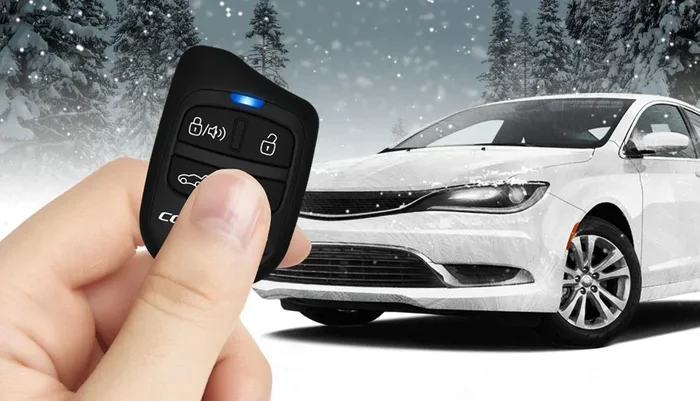
A remote start system is a device that lets you start your car’s engine from a distance. You press a button on a key fob, and the car turns on without you being inside. It is like having a digital key that talks to your vehicle from several hundred feet away.
These systems have been around for decades, but modern versions are far more advanced. Today’s aftermarket remote start kits can include features like two-way remote start, smartphone app control, and GPS tracking. Some even let you set a schedule for auto start every morning at the same time.
How Does a Remote Start Work?
Here is a simple way to think about it. When you press the start button on your key fob, it sends a radio signal to a receiver installed in your car. The receiver then triggers the ignition system, just as if you had turned the key or pushed the push button start inside the vehicle. The engine runs, the heaters or air conditioning kick on, and your car is ready when you walk out the door.
Most range of remote start systems work from about 500 to 3,000 feet. High-end two-way remote start systems also send a confirmation signal back to your fob, so you know the engine actually started. This is especially useful in large parking lots or apartment complexes.
Quick Tips
- Always check the range of the remote before buying. A longer range is better for large areas.
- Look for systems with anti-theft features built in.
- Consider a smartphone-compatible system if you want app-based control.
Can I Add Remote Start to My Car?
The short answer is yes, in most cases. Can I Add Remote Start to My Car depends on a few key factors, but the vast majority of vehicles on the road today can support an aftermarket remote start system. Whether you drive a sedan, SUV, truck, or even a newer model with push button start, there is likely a remote start system that will work for you.
However, not every car is created equal. Some vehicles are easier to retrofit than others. Older cars with traditional keys tend to be straightforward. Newer cars with advanced start-stop system technology or smart keys may require a more specialized kit and a bit more work during car remote start installation.
Check Your Vehicle Compatibility First
Before you buy anything, you need to confirm that your car can accept a remote start system. Here are the main factors that determine vehicle compatibility:
- Transmission type: Most remote start systems are designed for automatic transmissions. Manual transmission cars can also get remote start, but you need a specific kit with a clutch interlock.
- Year and model: Some newer vehicles have security features that make installation more complex. Research your specific model before purchasing.
- Existing keyless entry: Cars that already have a remote keyless entry system are usually easier to add remote start to, since the wiring is already partially in place.
- Engine type: Both gasoline and diesel engines can support auto start, but the setup differs slightly.
If you are unsure about your car’s compatibility, a quick search online or a visit to your local auto electronics shop can give you a clear answer. Many retailers also offer free compatibility checks on their websites.
Factory Remote Start vs Aftermarket Remote Start
Some cars come with factory remote start built right from the dealership. If your car already has this feature, you may only need a software update or a new key fob to get it working. But if your car does not have it, you will need an aftermarket remote start kit.
Here is a quick look at how the two compare:
| Feature | Factory Remote Start | Aftermarket Remote Start |
|---|---|---|
| Cost | Included with car or low add-on fee | $150 to $500+ for the kit |
| Installation | Minimal or none needed | Professional install recommended |
| Features | Basic start/stop function | Advanced features, app control, two-way remote |
| Warranty Impact | No impact | Possible impact if not installed properly |
| Customization | Limited | Highly customizable |
As you can see, aftermarket remote start gives you more options and flexibility. But it also comes with a higher upfront cost and the need for professional car remote start installation. Factory remote start is simpler but may not be available on every trim level.
Expert Insight
According to industry experts, aftermarket remote start systems have improved dramatically in the last five years. Modern kits are far more reliable and easier to install than older versions. The key is choosing the right system for your specific vehicle and having it installed by someone who knows your car’s wiring.
How Does Remote Start Installation Work?
Car remote start installation is not a simple plug-and-play job for most vehicles. It involves wiring the remote start system into your car’s ignition, fuel system, and security features. The exact process depends on your car’s make and model, but here is a general overview of what to expect.
The installer will typically start by removing your steering column cover and accessing the wiring harness. They then connect the remote start system to the ignition wires, starter motor, and accessory wires. If your car has an immobilizer or push button start, a remote start bypass module will be needed to trick the car into thinking the key is present.
The Role of the Remote Start Bypass Module
The remote start bypass module is one of the most important components in the entire setup. It communicates with your car’s immobilizer system and tells it that the ignition is authorized. Without this module, many modern cars will not start remotely because the security system blocks the engine.
This is why professional installation is so important. A bypass module that is wired incorrectly can cause all sorts of problems, from the car not starting at all to draining the battery. A trained technician knows exactly how to wire it safely and ensure your car security system continues to work properly.
Programming Your Remote Start System
Once the hardware is installed, the next step is programming remote start settings. This includes setting the range of remote start signal, programming the key fob buttons, and adjusting features like idle time and temperature thresholds.
Most modern kits come with a detailed programming guide. But the process can be tricky, especially for cars with complex start-stop system technology. This is another reason why many car owners prefer to have a professional handle the setup.
Quick Tips
- Keep your key fob close to you after programming. Losing it can be a hassle to replace.
- Test the system in a safe, open area before relying on it daily.
- Write down your programming codes and keep them in a safe place.
Benefits of Adding Remote Start to Your Vehicle
So why do so many drivers invest in a remote start system? The benefits go well beyond just pressing a button from your couch. Here are the top reasons people add remote start to their cars.
Cold Weather Starts Made Easy
This is the number one reason most people install remote start. In cold climates, getting into a freezing car is miserable. A remote start system lets you fire up the engine and engine preheating from the comfort of your home. By the time you walk out the door, the seats are warm, the defroster is clear, and the cabin is comfortable.
Cold weather starts also help your engine. Letting the car warm up for a few minutes before driving reduces wear on the engine and helps the oil circulate properly. Over time, this can extend the life of your vehicle.
Enhanced Car Security and Peace of Mind
Many modern remote start systems come with built-in car security system features. The car stays locked while the engine runs remotely. If someone tries to tamper with it, the system can send an alert to your key fob or smartphone app.
Some kits also include two-way remote start with security alerts. You get real-time confirmation that your car is safe and secure. This added layer of vehicle security is especially valuable if you park on the street or in less secure areas.
Cooling Down a Hot Car
Remote start is not just for winter. In hot climates, starting your car remotely lets the air conditioning blast cool air before you get in. This is a small luxury that makes a big difference on scorching summer days. It also helps reduce that initial blast of hot air that hits you when you first get behind the wheel.
Key Takeaways
- Comfort: Step into a warm or cool car every time.
- Engine health: Preheating in winter reduces engine wear.
- Security: Built-in alerts and locked doors while idling remotely.
- Convenience: Start your car from inside your home or office.
Common Mistakes to Avoid When Installing Remote Start
Adding remote start to your car is a great upgrade, but mistakes during the process can lead to headaches. Here are the most common errors car owners make and how to avoid them.
Skipping the bypass module. This is the single biggest mistake people make. Without a proper remote start bypass module, your car’s security system will block the remote start function. In some cases, it can even prevent the car from starting normally.
Choosing the wrong kit. Not all remote start systems are created equal. Buying a cheap, incompatible kit can lead to wiring issues, poor performance, and even damage to your car’s electrical system. Always match the kit to your specific vehicle.
Ignoring warranty concerns. Some car owners worry that adding aftermarket remote start will void their factory warranty. While this is not always true, improper installation can cause issues. Going through a professional installer who understands your vehicle’s warranty terms is the safest route.
DIY without experience. While some simple kits are designed for DIY installation, most car remote start installation jobs are best left to professionals. Wiring mistakes can short out your electrical system, drain your battery, or even cause fires in extreme cases.
Forgetting to test the system. After installation, always test the remote start system thoroughly. Try it from different distances, in different weather conditions, and make sure the car locks and unlocks properly with the remote.
Common Mistakes Checklist
- Did not install a remote start bypass module
- Chose a kit incompatible with your vehicle compatibility needs
- Attempted a complex install without professional help
- Did not test the system thoroughly after installation
- Ignored warranty implications of aftermarket remote start
Is Professional Installation the Right Choice?
The short answer is yes, for most people. While you can find DIY remote start installation kits, the process is complex and varies widely between vehicles. A professional installer has the tools, experience, and knowledge to get the job done right the first time.
Professional car remote start installation typically costs between $100 and $300 on top of the price of the kit. This might sound like an added expense, but it is well worth it. A pro will ensure every wire is connected correctly, the immobilizer bypass works properly, and the programming remote start settings are optimized for your vehicle.
Many installers also offer warranties on their work. This means if anything goes wrong after installation, you are covered. With a DIY setup, you are on your own if something breaks or does not work as expected.
When choosing an installer, look for someone with experience in your specific car brand. A technician who has worked on your make and model before will know the quirks and shortcuts that make the process smoother and faster.
Expert Insight
Professional installers often recommend spending a little extra on a higher-quality remote start system. The difference in reliability and features between a budget kit and a premium one is significant. A good system will last for years without issues, while a cheap one may need constant troubleshooting.
How Much Does It Cost to Add Remote Start?
Remote start cost depends on the type of system you choose and whether you go with professional installation. Basic aftermarket remote start kits start around $150 for a simple one-way key fob system. Mid-range kits with two-way remote start and basic smartphone integration run between $250 and $400. Premium systems with advanced features like GPS tracking, app control, and extended range can cost $500 or more.
Add professional installation, and you are looking at a total of $300 to $800 for most vehicles. This might seem like a lot, but when you consider the comfort, convenience, and potential resale value boost, many car owners find it to be a worthwhile investment.
Keep in mind that prices vary by region, installer, and the complexity of your vehicle’s wiring. Always get a few quotes before committing to an installer. And ask about any ongoing support or warranty coverage they offer after the install.
Final Thoughts on Adding Remote Start to Your Car
Can I Add Remote Start to My Car? The answer is almost certainly yes. Whether you drive a compact car, a full-size truck, or a luxury SUV, there is a remote start system out there that will work for you. The key is doing your research, choosing the right kit, and having it installed correctly.
The benefits of remote start are real and immediate. You get a warm car in winter, a cool car in summer, and an extra layer of security every day. These are things you will appreciate every single time you walk out the door.
Start by checking your vehicle compatibility. Then decide between a basic aftermarket remote start kit and a more advanced two-way remote start system. Finally, choose between DIY and professional car remote start installation. Take your time, ask questions, and pick the option that fits your budget and your needs.
A remote start system is one of those upgrades that you will wonder how you ever lived without. Once you experience the convenience of starting your car from a distance, you will never go back. So go ahead, make the upgrade, and enjoy the comfort of a car that is ready for you before you even step outside.
Frequently Asked Questions
Is adding remote start to my car expensive?
The total remote start cost ranges from about $300 to $800 including the kit and professional installation. Basic kits are more affordable, while advanced two-way remote start systems with smartphone control cost more. It is a worthwhile investment for the comfort and convenience it provides every day.
Can any car get a remote start system?
Most cars can support an aftermarket remote start system, but vehicle compatibility varies. Automatic transmission cars are the easiest to retrofit. Manual transmission cars need a specific kit with a clutch interlock. Very new cars with advanced security features may require a more specialized installation. Always check compatibility before purchasing.
Does remote start void my car warranty?
Adding aftermarket remote start does not automatically void your warranty. However, if the installation causes damage or interferes with other systems, the manufacturer may deny claims related to those issues. Professional installation minimizes this risk and helps protect your warranty coverage.
How far can a remote start reach?
The range of remote start varies by system. Most standard key fob systems work from 500 to 1,500 feet. Premium two-way remote start systems and smartphone-based systems can work from even farther away, sometimes up to a mile or more. Check the specs of any kit you are considering.
Is remote start bad for my engine?
No, remote start is not bad for your engine. In fact, letting your car warm up for a few minutes in cold weather can reduce engine wear. Modern remote start systems are designed to run the engine safely for a set period before shutting off automatically. Just make sure your car is parked in a well-ventilated area.
Can I install a remote start system myself?
Some basic kits are designed for DIY installation, but most car remote start installation jobs are complex and best handled by a professional. Wiring mistakes can cause electrical problems, drain your battery, or interfere with your car’s security system. If you are not experienced with automotive wiring, professional installation is the safer choice.