What Is the Hood on a Car and Why It Matters So Much
The hood on a car is much more than a cosmetic cover. It shields your engine from debris, weather, and road hazards while playing a key role in vehicle safety and aerodynamics. Understanding how your hood works helps you maintain your car better and avoid expensive repairs.
Key Takeaways
- Protects the engine: The hood on a car acts as a shield against dirt, debris, water, and road hazards.
- Safety feature: A properly functioning hood latch and hinges keep the hood secure during driving, preventing dangerous fly-ups.
- Multiple parts work together: The hood latch, prop rod, hinges, seal, and insulation all play distinct roles.
- Common problems exist: Misalignment, dents, rust, and latch failure are issues every car owner may face.
- Regular maintenance matters: Simple cleaning and inspection routines extend the life of your hood significantly.
- Material choice affects performance: Steel, aluminum, and composite hoods each offer different benefits for protection and weight.
📑 Table of Contents
- What Is the Hood on a Car and Why It Matters
- The Key Parts of a Car Hood
- How the Hood on a Car Protects Your Engine
- Common Hood Problems Every Driver Should Know
- How to Open and Close Your Hood the Right Way
- Hood Maintenance Tips That Actually Work
- Hood Materials: What Are They Made Of?
- When to Replace the Hood on a Car
- Final Thoughts on the Hood on a Car
What Is the Hood on a Car and Why It Matters
You see it every time you walk up to your vehicle. The hood on a car sits right at the front, covering the engine and all the vital parts underneath. But have you ever stopped to think about what it actually does? Most people just see it as a metal lid. In reality, the hood on a car serves several critical purposes that keep your vehicle running safely and efficiently.
The hood on a car is not just there to look good. It protects the engine from road debris, rain, snow, and dust. It also contributes to the aerodynamics of your vehicle, helping air flow smoothly over the car. On top of that, a well-designed hood on a car adds a layer of safety for both the driver and pedestrians. If you have ever popped the hood to check the engine, you already know it gives you access to the engine bay for maintenance and repairs.
Understanding the hood on a car goes beyond knowing how to open it. It involves knowing the parts, materials, common problems, and proper care techniques. This guide covers everything you need to know about the hood on a car. Whether you are a new car owner or have been driving for years, you will find practical tips and insights that make a real difference.
The hood on a car is one of those parts people take for granted until something goes wrong. A stuck hood latch, a misaligned hood, or a rusted hood panel can turn a simple task into a frustrating experience. That is why learning about your hood now will save you time, money, and headaches later.
Why the Hood on a Car Deserves Your Attention
Many drivers ignore the hood on a car until there is a visible problem. But staying proactive with your hood care can prevent bigger issues down the road. A damaged or poorly maintained hood can lead to engine exposure, reduced fuel efficiency, and even safety risks. The hood on a car is your first line of defense against the elements and road conditions.
Think of the hood on a car as a protective helmet for your engine. Just like you would not ride a bike without a helmet, your engine should not run without a properly functioning hood. It keeps water out of sensitive electrical components, stops small rocks from hitting delicate parts, and helps regulate under-hood temperatures by working with the hood vent and insulation.
The Key Parts of a Car Hood
The hood on a car is not just one single piece. It is made up of several components that work together to provide protection, access, and safety. Each part plays a specific role, and understanding them helps you take better care of your vehicle.
Hood Latch and Release Mechanism
The hood latch is what keeps the hood securely closed while you drive. Most vehicles have a two-step hood release system. First, you pull the interior release lever, usually located under the dashboard on the driver side. Then, you go to the front of the car and release the secondary latch. This two-step design acts as a safety feature, preventing the hood from accidentally opening while driving.
The hood release cable connects the interior lever to the latch mechanism. Over time, this cable can stretch or fray, making the release feel loose or sticky. Regular inspection of the hood release cable helps you catch wear early and avoid getting stranded with a hood that will not open.
Hood Hinges
Hood hinges connect the hood panel to the car frame. They allow the hood to open and close smoothly. Most cars have two hinges, one on each side, though some larger vehicles may have more. The hinges need to stay aligned properly for the hood to sit flush and seal correctly.
Worn or loose hinges can cause the hood to rattle while driving or sit at an uneven angle. This not only looks bad but can also compromise the hood seal, letting water and dust into the engine bay.
Hood Prop Rod or Struts
Older vehicles often use a manual prop rod to hold the hood open. This rod attaches to the underside of the hood and slots into a support hole on the car frame. Modern cars typically use gas-filled hood struts, which do the same job without needing a manual prop rod. These struts use pressurized gas to hold the hood at the right angle.
Both the prop rod and the strut serve the same purpose. They keep the hood open and secure while you work on the engine. A broken strut or missing prop rod makes engine checks dangerous and inconvenient.
Hood Seal and Weatherstripping
The hood seal sits along the edges of the hood and creates a tight barrier between the hood and the car frame. This rubber or silicone gasket prevents water, wind, and debris from entering the engine bay. A good hood seal also reduces wind noise while driving.
Over time, the hood seal can crack, dry out, or peel away. When this happens, water can leak into the engine compartment, causing rust and electrical problems. Replacing a worn hood seal is one of the cheapest and easiest maintenance tasks you can do.
Hood Insulation and Sound Deadening
Underneath the hood panel, there is usually a layer of insulation. This material, often called the hood pad or hood insulation, serves two main purposes. It reduces engine noise inside the cabin, and it provides some thermal protection from the hot engine.
Some hood insulation also includes a heat-reflective foil layer. This helps keep the engine bay cooler, which can improve the performance of nearby components. If your hood insulation is damaged or missing, you might notice more engine noise and heat inside the car.
How the Hood on a Car Protects Your Engine
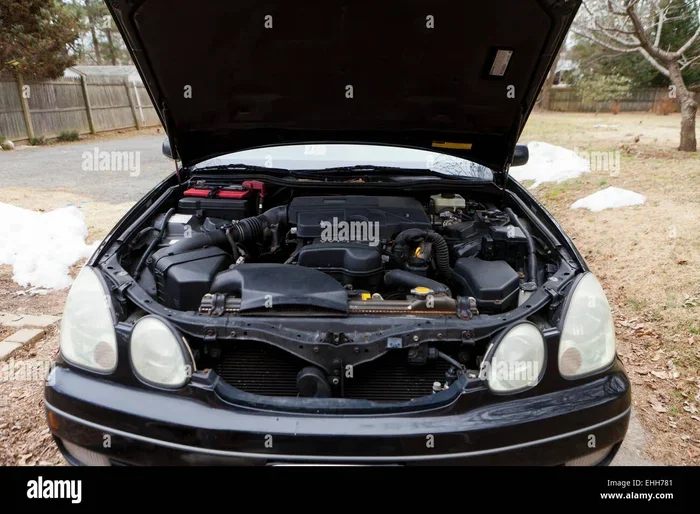
The hood on a car provides a physical barrier between the engine and the outside world. Without it, your engine would be exposed to all sorts of damage. Let us look at the specific ways the hood on a car protects your vehicle.
Shielding from Road Debris
When you drive, small rocks, gravel, and dirt fly up from the road. These particles can chip paint, crack windshields, and damage engine components. The hood on a car takes the brunt of this impact. The steel or aluminum panel absorbs the force and keeps your engine safe.
Driving on gravel roads or construction zones puts extra stress on the hood panel. Over time, this can lead to small chips and dents. That is why many drivers apply a clear bra or paint protection film to the front of the hood for added defense.
Weather Protection
Rain, snow, hail, and extreme sun all take a toll on your engine. The hood on a car keeps water away from sensitive electrical parts like the alternator, battery, and ignition system. It also blocks direct sunlight, which can cause engine fluids to overheat and degrade faster.
In cold climates, the hood on a car helps keep the engine warm by trapping heat in the engine bay. This makes it easier for the engine to reach its optimal operating temperature, improving fuel efficiency and reducing wear.
Wind and Aerodynamics
Your car is designed to cut through the air efficiently. The hood on a car plays an important role in this aerodynamics. A properly shaped hood helps direct airflow over and around the vehicle, reducing drag and improving fuel economy.
Some performance cars feature a hood scoop or hood vent. These designs channel cool air directly into the engine bay, helping the engine breathe better under heavy loads. If you have ever seen a sports car with a raised hood bulge, that is called a hood scoop, and it serves a real functional purpose.
Expert Insight: According to automotive engineers, the shape and angle of the hood on a car can affect fuel efficiency by up to 5%. Even small changes in hood design can make a noticeable difference in how your car handles airflow.
Safety for Pedestrians
Modern hoods on cars are designed with pedestrian safety in mind. The hood edge is engineered to deform in a specific way during a collision. This controlled deformation creates a crumple zone that absorbs impact energy, reducing the risk of serious injury to pedestrians.
Some luxury and family vehicles include active hood systems. These systems use pyrotechnic lifts or spring mechanisms to raise the hood several inches upon impact, creating a cushion between the hood edge and a pedestrian’s head. This technology is becoming more common in newer car models.
Common Hood Problems Every Driver Should Know
Even with regular care, the hood on a car can develop problems over time. Knowing what to look for helps you address issues before they become expensive repairs.
Hood Misalignment
One of the most common issues with the hood on a car is misalignment. If the hood sits unevenly or does not line up with the fenders, it is usually a sign of loose hinges or a bent panel. Misalignment can cause the hood seal to fail, leading to water leaks and increased wind noise.
You can often fix minor misalignment by adjusting the hinge bolts. Most hood hinges have slotted mounting holes that allow you to shift the hood slightly up, down, or sideways. Just loosen the bolts, reposition the hood, and tighten them back up.
Dents and Damage
Dents happen to everyone. A small rock, a shopping cart in a parking lot, or even a stray branch can dent the hood on a car. Minor dents can often be pulled out using a dent repair kit or by a professional detailer. Deep dents may require a full hood panel replacement.
After any dent, check the hood seal and latch mechanism. A dent can shift the alignment of these parts, causing them to work improperly.
Rust and Corrosion
Rust is the silent enemy of every car hood. Moisture, salt, and road grime slowly eat away at the metal, creating small pits and eventually holes. Rust on the hood on a car not only looks bad but can weaken the structural integrity of the panel.
Preventing rust starts with keeping the hood clean and applying a quality wax or sealant regularly. If you notice surface rust, treat it immediately with a rust converter or touch-up paint to stop it from spreading.
Stuck or Broken Hood Latch
A stuck hood latch is one of the most frustrating problems a driver can face. It can happen for several reasons. Dirt and grime can build up inside the latch mechanism. The release cable can stretch or break. Or the latch spring can weaken over time.
If your hood will not close properly, do not force it. Forcing the hood can damage the latch, hinges, or the hood panel itself. Instead, inspect the latch for debris, lubricate it with white lithium grease, and check the release cable for fraying.
Common Mistake: Many drivers try to hammer the hood shut when it will not latch. This almost always makes the problem worse by bending the hood or damaging the latch mechanism. Always diagnose the issue first before applying force.
Hood Paint Damage and Fading
The paint on the hood on a car takes a beating from UV rays, road chemicals, and minor impacts. Over time, the paint can fade, peel, or chip. Not only does this look unattractive, but exposed bare metal is vulnerable to rust.
Touch-up paint and clear coat sealants can restore the appearance and protect the hood surface. For more extensive damage, a professional paint correction or hood repaint may be necessary.
How to Open and Close Your Hood the Right Way
Opening and closing the hood on a car seems simple, but doing it incorrectly can cause damage over time. Follow these steps to ensure your hood stays in great shape for years to come.
How to Open the Hood
- Park the car on a flat surface and turn off the engine.
- Locate the interior hood release lever, usually found under the dashboard on the driver side.
- Pull the lever gently. You should hear a click or feel the hood pop up slightly.
- Go to the front of the car and feel under the hood edge for the secondary latch.
- Release the secondary latch and lift the hood upward.
- Secure the hood with the prop rod or let the gas strut hold it in place.
How to Close the Hood
- Remove the prop rod or release the gas strut from its holding position.
- Lift the hood to about waist height and let it drop under its own weight.
- Never push the hood down by pressing on the front edge. This can damage the latch and the hood panel.
- Walk around the car and check that the hood is flush with the fenders on both sides.
- Give the hood a gentle tug to confirm it is securely latched.
Quick Tip: Always close the hood using gravity. Lift it partway and let it fall naturally into the latch. This method distributes the closing force evenly and prevents unnecessary stress on the latch mechanism and hood panel.
Hood Maintenance Tips That Actually Work
Taking care of the hood on a car does not require a lot of time or money. A few simple habits can keep your hood looking great and functioning perfectly for the life of your vehicle.
Regular Cleaning
Wash the hood regularly to remove dirt, bird droppings, tree sap, and road grime. These substances can eat into the paint and cause damage over time. Use a gentle car wash soap and a soft microfiber cloth. Avoid harsh chemicals or abrasive scrubbers that can scratch the surface.
After washing, dry the hood completely. Leaving water droplets on the hood can lead to water spots and, over time, rust formation. A quick wax after cleaning adds an extra layer of protection against the elements.
Inspect the Hood Seal
Check the hood seal at least twice a year. Look for cracks, gaps, or areas where the rubber has peeling away. A damaged seal lets water into the engine bay, which can cause rust on engine components and electrical failures.
Replacing a hood seal is inexpensive and straightforward. You can find replacement seals at most auto parts stores. Simply remove the old seal, clean the surface, and press the new seal into place along the hood edge.
Lubricate the Latch and Hinges
Apply a thin layer of white lithium grease or silicone lubricant to the hood latch and hinges every six months. This keeps the mechanism operating smoothly and prevents rust buildup on metal parts.
Do not use WD-40 as a long-term lubricant. While it works well for loosening stuck parts, WD-40 evaporates quickly and does not provide lasting protection. A dedicated latch lubricant or white lithium grease is a much better choice.
Check for Alignment
Once every few months, look at the hood from the front of the car. Is it sitting evenly? Are the gaps on both sides the same? If you notice the hood sitting higher on one side, it may be time to adjust the hinges.
Small alignment issues can lead to bigger problems like wind noise, water leaks, and uneven wear on the latch. Catching these early saves you from costly repairs later.
Address Damage Immediately
If you notice a dent, chip, or scratch on the hood on a car, address it as soon as possible. Small chips can be touched up with paint pens available at any auto parts store. Larger dents may need professional repair, but the sooner you fix them, the less likely rust and further damage become.
Pro Tip: Keep a small emergency kit in your trunk with touch-up paint, a microfiber cloth, and a tube of clear coat sealant. This way, you can quickly address any hood damage before it has a chance to worsen.
Hood Materials: What Are They Made Of?
The hood on a car can be made from different materials, each with its own advantages and trade-offs. The material used affects the weight, durability, and cost of the hood panel.
Steel Hoods
Steel is the most common material used for hood panels. It is strong, durable, and relatively inexpensive. Steel hoods on cars offer excellent impact resistance and are easy to repair if dented. The downside is that steel is heavier than other materials, which can slightly affect fuel efficiency.
Steel hoods are also prone to rust if the paint gets scratched and the metal is exposed to moisture. Regular waxing and prompt repair of any chips help prevent rust on steel hoods.
Aluminum Hoods
Aluminum hoods are lighter than steel, which helps improve fuel economy and vehicle handling. They are also resistant to rust, making them a popular choice for cars in coastal areas or regions that use road salt during winter.
The downside of aluminum is that it is softer than steel and more prone to denting. Repairing aluminum hoods also requires specialized skills and tools, which can make repairs more expensive.
Composite and Carbon Fiber Hoods
High-performance and luxury vehicles sometimes use composite or carbon fiber hoods. These materials are extremely lightweight and offer excellent strength-to-weight ratios. They also resist rust and do not conduct heat the way metal does.
The main drawback is cost. Composite and carbon fiber hoods are significantly more expensive than steel or aluminum. They are also more difficult to repair if damaged. Most everyday drivers will never need a composite hood, but they are worth knowing about if you are considering a performance upgrade.
| Material | Weight | Rust Resistance | Cost | Best For |
|---|---|---|---|---|
| Steel | Heavy | Low (needs paint protection) | Low | Everyday driving, durability |
| Aluminum | Medium | High | Medium | Corrosion-prone areas, weight savings |
| Composite / Carbon Fiber | Very Light | Very High | High | Performance cars, racing |
When to Replace the Hood on a Car
No matter how well you care for the hood on a car, there comes a time when replacement is the better option. Knowing the signs of a hood that needs replacing helps you make the right decision before a small problem becomes a safety hazard.
Here are the main signs that your hood needs to be replaced:
- Extensive rust or holes: If rust has eaten through the metal and created holes, the hood can no longer protect the engine properly.
- Severe structural damage: After a major accident, the hood may be bent or twisted beyond repair. A replacement ensures proper alignment and seal.
- Repeated misalignment: If you keep adjusting the hinges and the hood still does not sit right, the panel itself may be warped or bent.
- Costly repairs: Sometimes, the cost of repairing a badly damaged hood exceeds the cost of a replacement. In these cases, a new hood makes more financial sense.
- Upgrading for performance: Some car enthusiasts replace the stock hood with a lighter or more aerodynamic aftermarket hood to improve performance and appearance.
If you decide to replace the hood on a car, make sure you choose a panel that matches your vehicle’s make, model, and year. OEM (original equipment manufacturer) hoods are the safest bet for fit and finish. Aftermarket hoods can be a good budget option, but quality varies widely between brands.
Final Thoughts on the Hood on a Car
The hood on a car is far more than a decorative panel. It is a critical component that protects your engine, enhances safety, and contributes to your vehicle’s overall performance. From the hood latch and hinges to the seal and insulation, every part of the hood works together to keep your car running smoothly.
Taking a few minutes each month to inspect and care for your hood can save you from costly repairs and unexpected breakdowns. Clean it regularly, check the seal and latch, address dents and rust promptly, and always open and close it the right way. These simple habits go a long way in keeping your hood on a car in excellent condition for years to come.
Remember, the hood on a car is your engine’s best friend. Give it the attention it deserves, and it will keep protecting your vehicle mile after mile.
Frequently Asked Questions
What does the hood on a car protect against?
The hood on a car protects the engine from road debris, rain, snow, dust, and UV damage. It also shields sensitive electrical components from moisture and helps regulate under-hood temperatures by working with the insulation and ventilation system.
How often should I inspect my hood on a car?
You should inspect the hood on a car at least once a month. Check the latch, hinges, seal, and overall condition of the panel. A quick visual inspection during your regular car wash routine is an easy way to stay on top of hood health.
Can I drive with a damaged hood on a car?
You should avoid driving with a significantly damaged hood. A cracked or loosely secured hood can fly open while driving, which is extremely dangerous. It can also allow debris and water into the engine bay, causing further damage to engine components.
How much does it cost to replace a hood on a car?
The cost to replace a hood on a car varies depending on the material and vehicle model. Steel hoods for common sedans typically cost between $200 and $500 for the part alone. Aluminum and carbon fiber hoods can range from $500 to $1,500 or more. Labor costs for installation usually add another $100 to $300.
What is the difference between a hood scoop and a hood vent?
A hood scoop is a raised section on the hood that channels cool air directly into the engine bay for better performance. A hood vent is a slotted opening that allows hot air to escape from the engine compartment. Both features improve airflow but serve opposite purposes in the cooling process.
Why does my hood on a car make a rattling noise?
A rattling hood is usually caused by loose hinges, a worn-out hood seal, or a failing hood strut or prop rod. Over time, vibrations from driving can loosen these components. Tightening the hinges, replacing the seal, or swapping out a worn strut typically fixes the problem quickly.
=== CONCLUSION ===
The hood on a car is one of the most important yet overlooked parts of any vehicle. It protects your engine, enhances safety, and contributes to your car’s aerodynamics and appearance. By understanding what the hood does and how to care for it properly, you become a more informed and confident car owner.
Make hood maintenance a regular part of your car care routine. Inspect the latch, check the seal, clean the surface, and address any damage promptly. These small efforts add up to a hood that performs its job reliably for many years. The hood on a car works hard for you every time you drive. Show it some love in return.