How Many Air Filters Do I Have In My Home Right Now
Most homes have between one and four air filters depending on the HVAC setup and number of systems. Knowing how many air filters do I have helps you maintain indoor air quality and keep your HVAC system running efficiently. This guide breaks down every location, type, and replacement schedule you need to know.
Have you ever stopped to think about how many air filters you actually have in your home right now? Most people walk past their HVAC system every day without giving the air filter a second thought. Yet these small, often overlooked components play a huge role in keeping your home comfortable and your family healthy.
The answer to how many air filters do I have depends on several factors. A small apartment might have just one. A large family home with multiple HVAC zones could have three or four. Understanding your setup is the first step toward better indoor air quality and a more efficient HVAC system.
In this guide, we will walk through everything you need to know. We will cover where filters are located, what types exist, how often to replace them, and common mistakes to avoid. By the end, you will have a clear picture of your home’s air filtration setup and exactly what needs to be done next.
Key Takeaways
- Most homes have 1 to 4 air filters: The number depends on your HVAC setup, home size, and whether you have multiple systems or zones.
- Location matters: Air filters are typically found in the return air vent, furnace, air handler, or wall-mounted return ducts.
- Filter types vary: Common types include fiberglass, pleated, HEPA, and washable filters, each with different lifespans and efficiency levels.
- Replace filters every 1 to 3 months: The exact timing depends on filter type, household conditions, and whether you have pets or allergies.
- MERV rating affects performance: Higher MERV ratings mean better filtration but can restrict airflow if your system isn’t compatible.
- Regular filter maintenance saves money: Clean filters improve energy efficiency, extend system life, and support better home comfort.
📑 Table of Contents
- Understanding Home Air Filters
- How Many Air Filters Does a Typical Home Have?
- Types of Air Filters You Might Find in Your Home
- Where Are Air Filters Located in Your Home?
- How Often Should You Replace Your Air Filters?
- Common Mistakes People Make With Air Filters
- Tips for Optimizing Your Home Air Filtration
- Conclusion
Understanding Home Air Filters
What Is a Home Air Filter?
A home air filter is a replaceable panel that sits inside your HVAC system or return air vent. Its job is simple but important. It traps dust, pollen, pet dander, mold spores, and other airborne particles before they circulate through your living space. Without a filter, all of those contaminants would flow freely through your ducts and into every room.
Think of it like a screen door on your porch. It lets air pass through while blocking unwanted debris. Over time, the filter fills up with trapped particles. That is why regular filter replacement is so essential. A clogged filter forces your system to work harder, which wastes energy and can lead to costly repairs.
Why Air Filters Matter for Your Home
The importance of air filters goes beyond just keeping dust off your furniture. Poor indoor air quality has been linked to allergies, respiratory issues, and overall discomfort. A clean furnace filter helps remove irritants from the air, which can provide real allergy relief for sensitive family members.
Beyond health, clean filters also protect your wallet. When air flows freely through a clean filter, your HVAC system operates at peak energy efficiency. Dirty filters create airflow restriction, which means your system uses more electricity to heat or cool your home. Over time, this adds up to higher utility bills and a shorter system lifespan.
How Many Air Filters Does a Typical Home Have?
Single-System Homes
For most standard homes, the answer is straightforward. You have one air filter. This single filter is usually located near the furnace, air handler, or in the main return air vent. The HVAC system pulls air from your home through this return duct, passes it through the filter, and then pushes the cleaned air back out through the supply ducts.
If you live in a small to medium-sized home with one thermostat and one heating and cooling unit, there is a good chance you have just one home air filter to worry about. Check your basement, attic, or utility closet to find it.
Multi-Zone and Multi-System Homes
Larger homes often have more than one HVAC system or multiple zones. In these cases, how many air filters do I have becomes a more complex question. A home with two separate units might have two filters. A house with a basement and main floor that are independently controlled could have three or even four.
Here are some common setups:
- One system, one filter: Standard for most apartments and small homes.
- Two systems, two filters: Common in homes with a split-level design or separate living and sleeping areas.
- One system with multiple return vents: Some homes have more than one return duct, and each may have its own filter.
- Whole-home air purifier add-on: Some homeowners install a separate air purifier with its own filter in addition to the main HVAC filter.
If you are unsure, walk through your home and look for return air vents or access panels near your heating and cooling equipment. Each one might have its own filter.
Types of Air Filters You Might Find in Your Home
Fiberglass Filters
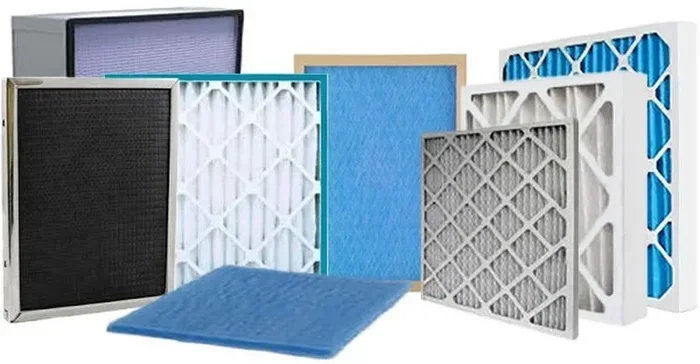
The most basic and affordable option is the fiberglass filter. These are the thin, white, disposable filters you often see at hardware stores. They are designed to capture large particles like dust and lint. However, they do a poor job of trapping smaller particles like pollen or bacteria.
Fiberglass filters typically need to be replaced every 30 days. They are a budget-friendly choice, but they offer the least air filtration capability. If you are looking for allergy relief or better indoor air quality, you may want to consider a higher-quality option.
Pleated Filters
Pleated filters are a step up from fiberglass. They have a folded, accordion-like design that provides more surface area for trapping particles. This means they can capture smaller debris, including mold spores and pet dander, without restricting airflow as much.
Most pleated filters last between 60 and 90 days. They are available in various MERV ratings, which measure filtration efficiency. A MERV rating between 8 and 13 is a good sweet spot for most homes. They offer solid home comfort without putting too much strain on your HVAC system.
HEPA Filters
HEPA filters (High-Efficiency Particulate Air) are the gold standard for air filtration. They can trap 99.97% of particles as small as 0.3 microns. This includes dust, pollen, bacteria, and even some viruses.
However, not every HVAC system can handle a HEPA filter. The dense material creates significant airflow restriction, which can force your system to work much harder. Before upgrading to a HEPA filter, check with an HVAC professional to make sure your system can accommodate it. In some cases, homeowners install a separate HEPA air purifier in key rooms instead.
Washable and Reusable Filters
Some homeowners prefer washable filters as a more eco-friendly option. These are made from durable materials that you can rinse off and reuse. They typically have a lower MERV rating, meaning they capture fewer small particles than disposable pleated filters.
The main advantage is cost savings over time. You do not need to buy replacements every few months. The trade-off is that they require regular cleaning and can be less convenient. If you go this route, make sure the filter is completely dry before reinstalling it to prevent mold growth.
Where Are Air Filters Located in Your Home?
Central HVAC Systems
In most homes with central heating and air, the air filter sits inside the air handler or furnace cabinet. You will usually find it behind a removable panel on the side or bottom of the unit. If you have a basement or utility room where your HVAC system lives, this is the first place to check.
Some systems have the filter located in a return air grille on the wall or ceiling. This is a large vent, usually in a central hallway or living area, that pulls air back into the system. Slide off the grille and you will likely see the filter sitting right inside.
Window Units and Portable Systems
If you use a window air conditioner or a portable unit, it may have its own small filter. These are usually washable and need to be cleaned every few weeks during heavy use. They are separate from any central HVAC filter and serve only that individual unit.
Whole-Home Air Purifiers and Additional Filters
Some homeowners invest in a whole-home air purifier that connects directly to the ductwork. These systems have their own set of filters that work alongside or instead of the standard furnace filter. If you have one of these systems, you effectively have an additional air filter to maintain.
Similarly, homes with HRV systems (Heat Recovery Ventilators) or ERV systems (Energy Recovery Ventilators) often include built-in filters that need regular attention. These are worth checking if you want a complete picture of your home’s air filtration setup.
How Often Should You Replace Your Air Filters?
General Replacement Guidelines
The standard recommendation is to replace disposable filters every 30 to 90 days. However, this varies based on several factors. A single-person household with no pets might stretch a pleated filter to 90 days. A family of four with two dogs and a cat should probably replace filters every 30 days.
Here is a quick reference guide:
- Fiberglass filters: Replace every 30 days.
- Pleated filters (MERV 8-13): Replace every 60 to 90 days.
- HEPA filters: Replace every 6 to 12 months, depending on the model.
- Washable filters: Clean every 30 days and replace every 3 to 5 years.
Factors That Affect Replacement Frequency
Several things can speed up how quickly your filters get dirty:
- Pets: Pet hair and dander fill up filters fast.
- Allergies: If anyone in the household suffers from allergies, you will want to change filters more often for better allergy relief.
- Location: Homes in dusty, rural, or high-pollution areas need more frequent changes.
- Smoking: Indoor smoking significantly clogs filters faster.
- Construction or renovation: Sawdust and debris can overwhelm a filter quickly.
- Seasonal use: Heavy heating or cooling seasons mean your system runs more, so filters get dirty faster.
Quick Tips for Remembering Filter Changes
It is easy to forget about filter maintenance until you notice a problem. Here are a few simple tricks to stay on track:
- Set a recurring calendar reminder on your phone every 30 to 90 days.
- Write the replacement date directly on the filter with a marker when you install it.
- Keep spare filters in a convenient location near your HVAC system so you always have a replacement ready.
- Pair filter changes with other seasonal tasks, like checking your smoke detectors or cleaning the gutters.
Common Mistakes People Make With Air Filters
Buying the Wrong Size
One of the most common mistakes is purchasing a filter that does not fit properly. A filter that is too small will let unfiltered air bypass the filter entirely. A filter that is too big may not seat correctly and create gaps. Always measure your existing filter or check your HVAC system manual before buying a replacement.
Forgetting to Replace Filters
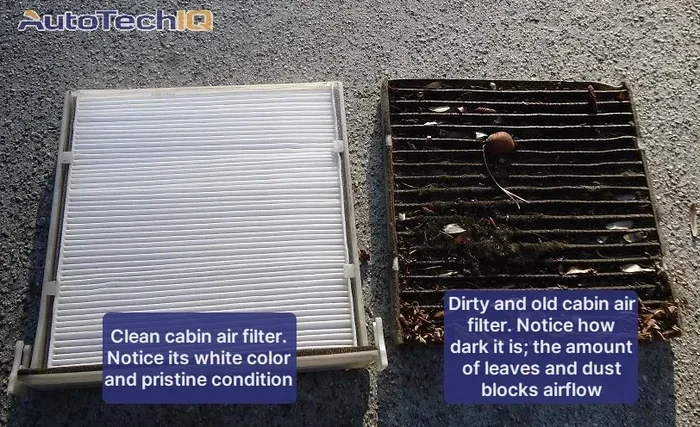
It is easy to install a new filter and then forget about it for months. But a neglected filter becomes a breeding ground for mold and bacteria. It also restricts airflow, which forces your HVAC system to work overtime. This leads to higher energy bills and potential system breakdowns.
Cleaning Instead of Replacing (When You Should)
Some washable filters can be cleaned and reused, but most disposable filters cannot. Trying to clean a fiberglass or pleated filter is ineffective and can damage the filter media. If your filter is disposable, do not try to wash it. Simply replace it with a new one.
For those curious about cleaning reusable filters in other contexts, you might wonder about engine air filters. Many car owners ask whether they can clean their engine air filter instead of replacing it. The answer depends on the filter type and condition, and you can learn more about that topic on the Can I Clean My Engine Air Filter Instead Of Replacing It page.
Ignoring the MERV Rating
Not all filters are created equal. The MERV rating tells you how effective the filter is at capturing particles. Choosing a filter with too high a MERV rating for your system can cause airflow restriction and strain your blower motor. On the other hand, a filter with too low a rating won’t do much for your indoor air quality. Aim for a MERV rating that balances filtration and airflow for your specific setup.
Not Checking for Additional Filters
Many homeowners only check the main furnace filter and forget about other filters in the home. Window units, portable air conditioners, and whole-home purifiers all have their own filters that need attention. Taking a few minutes to check every filter in your home ensures complete air filtration coverage.
If you are curious about DIY maintenance for other parts of your vehicle, many people also want to know whether they can change their car air filter themselves. It is a simple task that can save you money, and you can read more about it on the Can I Change My Car Air Filter Myself guide.
Tips for Optimizing Your Home Air Filtration
Consider a Filter Monitoring System
Some modern HVAC systems come with filter sensors that alert you when it is time for a change. If your system does not have this feature, you can purchase aftermarket smart sensors that attach to your filter and send alerts to your phone. This takes the guesswork out of filter maintenance.
Invest in Good Indoor Air Quality
Beyond just changing your filters, you can boost your home’s air quality with a few extra steps. Opening windows regularly allows fresh air to circulate. Using a portable air purifier in bedrooms or living areas adds an extra layer of protection. Keeping your home clean and dust-free also reduces the burden on your home air filter.
Regular filter maintenance is one of the simplest and most cost-effective things you can do for your home. It supports better home comfort, protects your family’s health, and keeps your HVAC system running smoothly for years to come.
When to Call a Professional
If you are ever unsure about your air filter setup or notice signs of poor air quality despite regular changes, it is worth calling an HVAC professional. They can inspect your system, check for hidden filters, and recommend upgrades. Sometimes a simple fix, like adding a second return air vent or upgrading to a better filter type, makes a huge difference.
Maintaining your HVAC system goes hand in hand with regular filter changes. If you also own a vehicle and want to understand how maintenance schedules work across different systems, regular upkeep is always important. For instance, keeping up with routine car maintenance helps avoid unexpected issues, and understanding your warranty coverage is key. You can learn more about whether you can take your Toyota to any dealership for warranty work on the Can I Take My Toyota To Any Dealership For Warranty Work page.
Conclusion
So, how many air filters do I have in my home? The answer is usually between one and four, depending on your HVAC system setup and home size. The most important thing is knowing where each filter is located and staying on top of filter replacement. Clean filters mean better indoor air quality, lower energy bills, and a more comfortable living space for your family.
Take a few minutes today to locate every air filter in your home. Check the type, note the MERV rating, and set a reminder for your next filter maintenance session. Small habits like this add up to big benefits over time. Your home air filter works hard every day to keep your air clean. The least you can do is give it the attention it deserves.
Frequently Asked Questions
How do I know how many air filters my home has?
Walk through your home and look for return air vents, furnace access panels, and any wall-mounted return ducts. Each of these locations may have its own filter. If you have multiple HVAC zones or systems, you likely have more than one filter.
Can I use the same type of filter for every location in my home?
Yes, in most cases you can use the same filter type throughout your home. However, some homeowners choose different MERV ratings for different areas based on needs. For example, a higher-rated filter in the bedroom can provide better allergy relief while a standard filter works fine for a garage or utility room.
What happens if I don’t replace my air filter regularly?
A dirty filter restricts airflow, which forces your HVAC system to work harder. This leads to higher energy bills, reduced comfort, and potentially costly repairs. Over time, clogged filters can also harbor mold and bacteria that affect your indoor air quality.
Are washable filters better than disposable ones?
Washable filters are more eco-friendly and can save money over time, but they typically have lower MERV ratings and require regular cleaning. Disposable filters are more convenient and often provide better filtration. The best choice depends on your priorities and lifestyle.
How does the MERV rating affect my filter choice?
The MERV rating measures a filter’s ability to capture particles. Higher ratings mean better filtration but can also create more airflow resistance. Most homes work well with a MERV rating between 8 and 13. Going higher than that may require system modifications to avoid airflow restriction.
Can I have too many air filters in my home?
It is not really possible to have too many filters if they are properly sized and installed. However, adding too many high-MERV filters to a system not designed for them can cause airflow problems. Always check with an HVAC professional if you are adding extra filtration to your home.