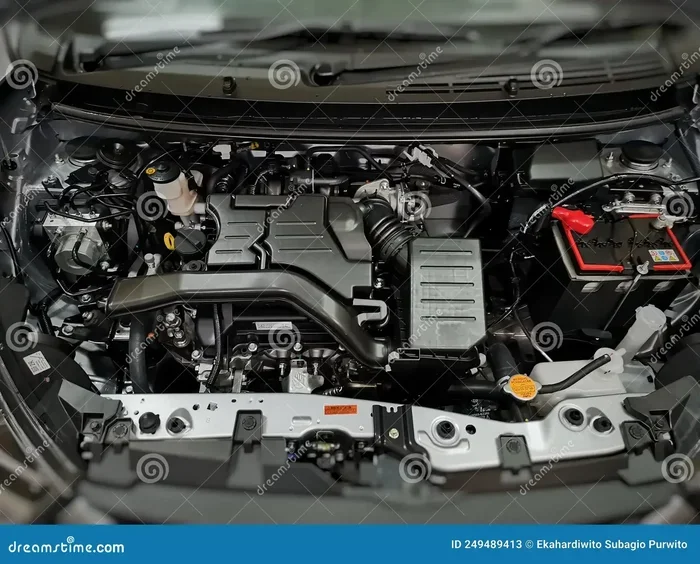
What Does 18 Mean on a Car and Why It Matters So Much
The number 1.8 on a car refers to the engine displacement, meaning the engine is 1.8 liters in size. This is one of the most common engine sizes found in compact and mid-size vehicles worldwide. Understanding what 1.8 means on a car helps you make smarter choices about fuel economy, performance, and vehicle matching.
Have you ever stood in a parking lot, stared at the back of a car, and wondered what does 1.8 mean on a car? Maybe you saw it on a sticker, a badge, or a window decal. It is a small number, but it carries a lot of meaning.
Engine size is one of the first things you should understand when buying or owning a vehicle. It affects how your car drives, how much fuel it uses, and even how much it costs to insure. The 1.8 liter engine is one of the most popular engine sizes on the road today. Let us break down everything you need to know about it.
## What Does 1.8 Mean on a Car Exactly
### Understanding Engine Displacement
The number 1.8 on a car refers to engine displacement. This is the total volume of all the cylinders inside the engine. Think of it like this. Each cylinder is like a small chamber. Air and fuel go into that chamber, get ignited, and push a piston down. The bigger those chambers are, the more air and fuel the engine can burn at once.
Engine displacement is measured in liters. So a 1.8 liter engine means the total volume across all cylinders adds up to 1.8 liters. This is also called engine capacity or engine size.
### How Displacement Is Calculated
Here is a simple way to think about it. A typical four-cylinder engine with 1.8 liters means each cylinder holds about 0.45 liters. The bore (the width of the cylinder) and the stroke (how far the piston travels) determine this number.
Engine makers tune these measurements carefully. They want the right balance of power, efficiency, and smoothness. A 1.8 liter engine usually has four cylinders arranged in a straight line. This is called an inline-four layout. It is simple, reliable, and widely used.
### Why Engine Size Matters
Engine size directly affects how a car performs. A bigger engine generally produces more power. But it also uses more fuel. A smaller engine uses less gas but may feel sluggish when you need quick acceleration.
The 1.8 liter engine sits in a sweet spot. It gives you enough power for highway driving, merging, and passing. At the same time, it keeps fuel consumption reasonable. This is why so many manufacturers choose this size for family sedans, compact SUVs, and commuter cars.
## Common Cars with a 1.8 Engine
### Popular Models You Will Recognize
The 1.8 engine is everywhere. Some of the most well-known cars on the road have used this engine size. Here are a few examples you might recognize:
- Toyota Corolla – Many generations used the 1.8 liter engine. It is a trusted choice for reliability.
- Honda Civic – The 1.8 variant offered a great balance of sportiness and efficiency.
- Volkswagen Golf – The 1.8 TSI version became a fan favorite for its turbo boost and responsiveness.
- Nissan Sentra – A comfortable commuter car with a dependable 1.8 liter four-cylinder.
- Chevrolet Cruze – Offered solid highway performance with this engine size.
- Mazda 3 – Some trims featured the 1.8 liter engine for smooth daily driving.
### Why Manufacturers Love the 1.8 Size
Car companies choose the 1.8 liter engine for many reasons. First, it fits well in compact and mid-size platforms. It does not take up too much space under the hood. Second, it meets emissions standards in most markets. Third, it keeps manufacturing costs lower than larger engines.
This engine size also appeals to a wide range of buyers. Families like it for its reliability. First-time drivers appreciate its manageable power. Fuel-conscious buyers enjoy its efficiency. That broad appeal is why so many brands offer a 1.8 option.
## How Engine Size Affects Performance
### Horsepower and Torque Basics
When you see what does 1.8 mean on a car, you are really looking at a number that influences horsepower and torque. Horsepower is the top speed and overall power output. Torque is the twisting force that gets the car moving from a stop.
A typical 1.8 liter engine produces between 130 and 160 horsepower. That is plenty for everyday driving. Torque usually ranges from 120 to 170 pound-feet. These numbers vary by manufacturer and whether the engine is naturally aspirated or turbocharged.
### Naturally Aspirated vs. Turbocharged
Some 1.8 engines are naturally aspirated. This means air flows into the engine naturally, without forced induction. These engines are simpler and cheaper to maintain. They deliver smooth, predictable power.
Other 1.8 engines use a turbocharger. A turbo forces more air into the cylinders, which creates more power. A turbocharged 1.8 can produce as much power as a larger naturally aspirated engine. The Volkswagen 1.8 TSI is a great example. It delivers strong acceleration while still being fuel efficient.
### Real-World Driving Feel
In daily driving, a 1.8 liter engine feels responsive and capable. You can comfortably drive on city streets and highways. Merging onto freeways is easy. Hill climbing is not a problem. The car will not feel slow or underpowered.
However, if you plan to tow a heavy trailer or carry four passengers up a mountain pass, you might feel the limits. The 1.8 engine is designed for practical driving, not extreme performance. And that is perfectly fine for most people.
## Fuel Economy: What You Can Expect
### MPG Ratings for 1.8 Engines
Fuel economy is one of the biggest reasons people choose a 1.8 liter engine. These engines typically deliver between 28 and 35 miles per gallon in combined driving. City mileage might be around 25 to 30 MPG. Highway mileage can reach 34 to 40 MPG depending on the car.
Compare this to a 3.0 liter V6 engine, which might get 18 to 22 MPG combined. The difference is significant. Over several years of ownership, those fuel savings really add up.
### Factors That Affect Fuel Economy
Several things influence how much gas your 1.8 engine actually uses:
- Driving habits: Smooth acceleration and steady speeds improve MPG.
- Vehicle weight: A lighter car with the same engine will get better mileage.
- Transmission type: Continuously variable transmissions (CVTs) often boost fuel economy.
- Tire pressure: Underinflated tires create drag and reduce efficiency.
- Aerodynamics: Roof racks and cargo carriers increase wind resistance.
- Maintenance: Fresh oil, clean air filters, and proper spark plugs all help.
### Tips to Maximize Fuel Savings
You can get even better fuel economy from your 1.8 liter engine with a few simple habits. Avoid aggressive driving. Keep your tires properly inflated. Remove extra weight from your trunk. Use cruise control on highways. Stick to the manufacturer’s recommended oil grade.
These small changes can improve your MPG by 5 to 10 percent over time. That means real money saved at the pump every month.
## Maintenance and Ownership Considerations
### Common Maintenance Tasks
Owning a car with a 1.8 engine is generally straightforward. These engines are well-proven and widely serviced. Here are the routine maintenance tasks you should expect:
- Oil changes: Every 5,000 to 7,500 miles, depending on the manufacturer. Use the recommended oil weight.
- Air filter replacement: Every 15,000 to 30,000 miles to keep airflow optimal.
- Spark plugs: Typically replaced every 30,000 to 100,000 miles, depending on the type.
- Timing belt or chain: Check the service schedule. Some 1.8 engines need a belt change around 60,000 to 100,000 miles.
- Coolant flush: Usually every 30,000 to 50,000 miles.
- Transmission service: Fluid change every 60,000 to 100,000 miles for automatic transmissions.
### Parts Availability and Cost
One advantage of the 1.8 liter engine is parts availability. Because so many cars use this engine size, parts are widely available and often affordable. You can find OEM and aftermarket options easily. Independent mechanics are very familiar with these engines too.
This makes repairs less expensive compared to some exotic or rare engine sizes. Routine maintenance like oil changes, brake jobs, and belt replacements are standard and reasonably priced.
### Reliability Expectations
Most 1.8 liter engines are known for reliability. They have fewer moving parts than larger engines, which means fewer things can go wrong. Many owners report 200,000 miles or more with proper maintenance.
The key is staying on top of regular service. Change your oil on time. Address small issues before they become big ones. Keep up with the manufacturer’s maintenance schedule. A well-maintained 1.8 engine can last a very long time.
## How to Find Your Engine Size
### Where to Look on Your Vehicle
If you are not sure whether your car has a 1.8 engine, there are several ways to check:
- Door jamb sticker: Open the driver’s door and look for a sticker with vehicle specifications.
- Engine bay badge: Some cars display the engine size on a badge near the hood.
- Owner’s manual: The manual lists engine displacement in the specifications section.
- VIN decoder: Use an online VIN decoder tool to pull exact engine details.
- Registration documents: Your vehicle registration often lists engine size.
### Understanding Engine Codes
Manufacturers also use engine codes that include the displacement number. For example, Toyota might label a 1.8 engine as 1ZZ-FE. Honda might use a code like R18Z1. These codes contain the displacement information within them.
Learning to read these codes can help you identify engine details quickly. It is also useful when shopping for parts or comparing vehicles online.
## Common Mistakes People Make About Engine Size
### Confusing Engine Size with Power
One of the biggest mistakes is assuming a bigger number always means more power. A turbocharged 1.8 engine can outperform a naturally aspirated 2.5 liter engine. Technology matters just as much as displacement. Always look at the full spec sheet, not just the number.
### Ignoring Fuel Economy Trade-Offs
Another mistake is focusing only on performance and ignoring fuel costs. A larger engine might feel exciting, but it will cost more to run every day. Calculate your annual fuel expenses before deciding. The savings from a 1.8 engine can be substantial over five or ten years.
### Overlooking Maintenance Costs
Some buyers assume smaller engines are always cheaper to maintain. While this is often true, it is not always the case. Some 1.8 engines have timing chains that are expensive to replace. Always research the specific engine in the model you are considering.
### Buying Based on Engine Size Alone
Engine size is important, but it should not be your only factor. Consider the car’s overall quality, safety features, resale value, and fit for your lifestyle. A 1.8 engine in a well-built car is a great choice. A 1.8 engine in a poorly built car is still a poor choice.
## Expert Insights on the 1.8 Liter Engine
### What Mechanics Say
Experienced mechanics often recommend the 1.8 liter engine for first-time car buyers. It is forgiving, reliable, and easy to work on. Many shops stock parts for common 1.8 engines, which means faster service and lower costs.
Mechanics also appreciate that these engines are not overly complex. There are no exotic components that require specialist knowledge. A standard mechanic can handle most repairs confidently.
### What Car Experts Recommend
Automotive experts frequently point to the 1.8 engine as a smart choice for daily drivers. It offers the right mix of performance, efficiency, and longevity. For commuters, families, and budget-conscious buyers, it remains one of the best engine sizes available.
The 1.8 liter engine also holds its value well. Used cars with this engine size tend to sell quickly because they appeal to a broad market. If resale value matters to you, this is a plus.
## Key Takeaways
Key Takeaways
- Engine Displacement Explained: The 1.8 marking tells you the total volume of all engine cylinders, measured in liters.
- Fuel Economy Advantage: A 1.8 liter engine typically offers excellent gas mileage, making it ideal for daily commuting.
- Performance Balance: This engine size strikes a practical balance between power and efficiency for most drivers.
- Common Across Brands: You will find 1.8 engines in Toyota, Honda, Volkswagen, Nissan, and many other manufacturers.
- Maintenance Matters: Knowing your engine size helps with oil changes, parts selection, and service decisions.
- Not Just About Speed: Engine size affects towing capacity, acceleration, and overall driving feel.
- Smart Buying Tip: Always consider engine size alongside your driving habits and needs before purchasing.
## Conclusion
Understanding what does 1.8 mean on a car is more than just knowing a number. It is about making informed decisions that affect your daily driving, your wallet, and your overall ownership experience. The 1.8 liter engine is a proven, reliable, and efficient choice that works for millions of drivers around the world.
Whether you are buying a new car, shopping for a used one, or simply curious about your current vehicle, knowing your engine size gives you an edge. It helps you compare options, estimate running costs, and plan for maintenance.
The next time you see that small 1.8 badge on a car, you will know exactly what it means. And more importantly, you will understand why it matters. Take this knowledge and use it to make the best choice for your driving life. A 1.8 liter engine might just be the perfect fit for you.
Frequently Asked Questions
Is a 1.8 engine good for highway driving?
Yes, absolutely. A 1.8 liter engine provides more than enough power for highway driving. You can comfortably maintain speeds of 70 mph or higher. The engine stays relaxed at cruising speeds, which also helps fuel economy.
How many miles can a 1.8 engine last?
With proper maintenance, a 1.8 liter engine can easily last 200,000 miles or more. Regular oil changes, timely belt replacements, and prompt attention to small issues all contribute to a long engine life. Many owners report 250,000+ miles on these engines.
Is a 1.8 engine the same as a 1.8 turbo?
No, they are different. A standard 1.8 engine is naturally aspirated, meaning it relies on normal air intake. A 1.8 turbo engine uses a turbocharger to force more air into the cylinders, producing more power. Always check which type your car has.
Does engine size affect car insurance?
Yes, it can. Insurance companies sometimes consider engine size when setting premiums. Larger engines may cost more to insure because they are associated with higher speeds and repair costs. A 1.8 engine typically falls in a moderate insurance bracket.
Can I tow with a 1.8 engine?
Most 1.8 liter engines are not designed for heavy towing. They can handle light loads like a small trailer or bike rack. Check your owner’s manual for the exact towing capacity. Exceeding it can damage the engine and transmission.
What is the difference between 1.8 and 2.0 engine sizes?
The difference is about 0.2 liters of displacement. A 2.0 engine is slightly larger and usually produces a bit more power. However, the real-world difference in driving feel may be small. The 1.8 often offers better fuel economy, making it the smarter daily driver.