What Does Each Digit Of VIN Mean And Why It Matters
Every VIN has 17 characters that reveal your vehicle’s manufacturer, model year, engine type, assembly plant, and production sequence. Understanding what does each digit of VIN mean helps you decode car history, spot fraud, and make smarter buying decisions. This guide walks you through every position with real examples and practical tips.
This is a comprehensive guide about What Does Each Digit Of VIN Mean.
Key Takeaways
- WMI (Digits 1-3): Reveals the country of origin and manufacturer of the vehicle.
- VDS (Digits 4-8): Describes the vehicle’s brand, engine type, body style, and trim level.
- Check Digit (Digit 9): A math-verified code that confirms the VIN is authentic and not forged.
- Model Year (Digit 10): Identifies the year the vehicle was manufactured or designed.
- Assembly Plant (Digit 11): Shows the exact factory where the car was built.
- Serial Number (Digits 12-17): The unique production sequence number for that specific vehicle.
- VIN Decoding Matters: Knowing your VIN helps with recalls, insurance, resale value, and avoiding fraud.
[FEATURED_IMAGE_PLACEHOLDER]
Have you ever looked at the long string of letters and numbers on your car and wondered what it all means? That code is your vehicle identification number, or VIN. Every car, truck, and SUV built since 1981 has one. And once you know what does each digit of VIN mean, you will see it is like a secret fingerprint for your vehicle.
Your VIN holds a surprising amount of information. It tells you where the car was made, who built it, what engine it has, and even which factory assembled it. Dealerships, insurance companies, and law enforcement use VINs every single day. But you do not need to be a professional to understand them.
This guide will walk you through every single digit. We will break down each section step by step with real-world examples. By the end, you will be able to read any VIN like a pro. Let us get started.
What Is a VIN and Why Does It Matter
A VIN is a unique 17-character code assigned to every vehicle. Think of it as your car’s Social Security number. No two vehicles in operation share the same VIN. This code stays with the car for its entire life, from the assembly line to the junkyard.
The VIN system was standardized in 1981 by the National Highway Traffic Safety Administration. Before that, different manufacturers used different formats. This made tracking vehicles across borders nearly impossible. The standardized VIN changed all of that. Now, a single code can reveal a vehicle’s complete identity.
So why should you care about your VIN? There are many reasons. When you buy a used car, the VIN tells you the vehicle history. It can reveal past accidents, ownership changes, and whether the car has outstanding recalls. Insurance companies use the VIN to verify your vehicle details. Police use it to recover stolen cars. Even mechanics use it to look up the correct parts for your specific model.
Understanding your VIN also helps you spot fraud. A VIN that has been altered or cloned is a major red flag. If you know how to read it, you can catch problems before they become expensive headaches. The more you learn about VIN decoding, the more confident you become as a car owner.
Where to Find Your VIN
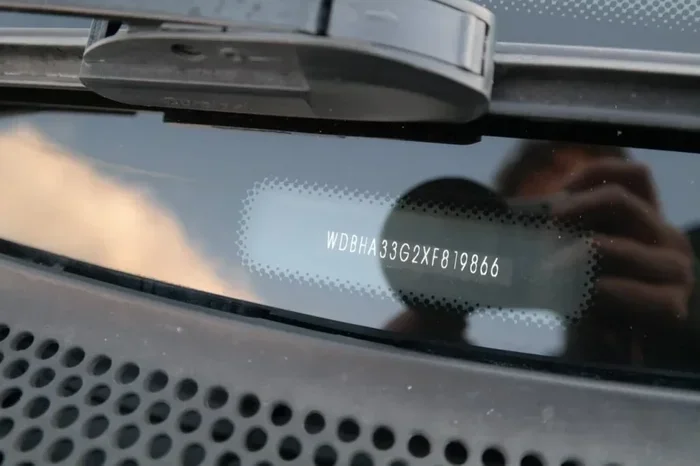
Before you start decoding, you need to know where to look. Your VIN is printed in several places on your vehicle. The most common spot is on the dashboard, visible from the driver’s side through the windshield. You will also find it on the driver’s side door jamb, stamped into the frame, and on your vehicle title and registration documents.
Quick Tips for Locating Your VIN
- Check the bottom corner of the dashboard on the driver’s side.
- Look at the sticker on the driver’s door frame when you open the door.
- Open the hood and look near the front of the engine block.
- Check your vehicle title, insurance card, or registration paperwork.
- Some vehicles also have the VIN on the rear wheel well or under the spare tire.
Make sure the VIN on your car matches the VIN on your paperwork. If they do not match, that is a serious warning sign. It could mean the vehicle has been in a major accident or has a questionable history. Always double-check before you buy any used car.
What Does Each Digit Of VIN Mean: The Complete Breakdown
Now for the fun part. Let us go through each section of the VIN one by one. The 17 characters are divided into three main sections: the World Manufacturer Identifier, the Vehicle Descriptor Section, and the Vehicle Identifier Section. Each section tells you something different about the vehicle.
Digits 1 to 3: World Manufacturer Identifier
The first three digits make up the World Manufacturer Identifier, or WMI. This section identifies who built the vehicle and where. The first digit tells you the country of origin. Here is a quick reference:
- 1, 4, or 5: United States
- 2: Canada
- 3: Mexico
- J: Japan
- K: South Korea
- S: England
- W: Germany
- Z: Italy
The second digit identifies the manufacturer. For example, the letter or number “F” usually stands for Ford. “T” stands for Toyota. The third digit combines with the first two to specify the vehicle type or division within the manufacturer. So the WMI gives you the country, the maker, and the general vehicle category all in three characters.
Digits 4 to 8: Vehicle Descriptor Section
The next five digits form the Vehicle Descriptor Section, or VDS. This is where things get detailed. The VDS describes the vehicle’s specific features. These include the brand, engine type, body style, transmission, and trim level. Each manufacturer uses this section slightly differently, but they all follow the same general structure.
For example, digits 4 and 5 might indicate the vehicle line and body style. Digit 6 could represent the engine type, such as a V6 or a four-cylinder engine. Digit 7 often shows the restraint system, meaning the type of airbags and seatbelts. Digit 8 is a check digit for the vehicle model description. Together, these five digits paint a detailed picture of what the vehicle is.
Digit 9: The Check Digit
Digit 9 is one of the most important characters in the VIN. It is the check digit. This single number or letter is calculated using a complex mathematical formula. Its purpose is to verify that the VIN is genuine and has not been tampered with.
Every VIN must pass this mathematical test. If someone tries to forge a VIN, the check digit will not match. This is a powerful tool for detecting fraud. When you run a VIN decoder or a car history report, the system checks this digit first. If it fails, the entire VIN is flagged as invalid.
The formula used to calculate the check digit assigns a numeric value to each letter in the VIN. Certain letters are excluded from VINs entirely, like I, O, and Q, because they can be confused with the numbers 1 and 0. The result is a single digit that proves the VIN’s authenticity.
Digit 10: Model Year
Digit 10 tells you the model year of the vehicle. This is not necessarily the year the car was sold. It is the year the model was designated by the manufacturer. The system uses a rolling alphabet to keep things organized.
Here is how it works. Letters A through Y (excluding I, O, Q, and U) are used in sequence. A 1980 model year uses the letter A. B is 1981, C is 1982, and so on. After Y, the system cycles back. From 2010 onward, the numbers 0 through 9 are used. So 0 is 2010, 1 is 2011, 2 is 2012, and so on. This pattern repeats every 30 years.
Knowing the model year is incredibly useful when shopping for a used car. It helps you narrow down your search and verify that the seller is being honest about the vehicle’s age.
Digit 11: Assembly Plant
Digit 11 identifies the specific factory where the vehicle was assembled. Each manufacturer has its own set of plant codes. For example, a Ford built at the Dearborn Truck Plant might have a different letter than one built at the Kansas City Assembly Plant.
This digit matters more than you might think. It helps you trace the vehicle’s origin and can affect its value. Cars built at certain plants are sometimes considered more desirable by collectors. If you are researching a vehicle’s background, the assembly plant code gives you another piece of the puzzle.
Digits 12 to 17: Sequential Serial Number
The final six digits are the production sequence number. This is the unique identifier for your specific vehicle. Think of it as the serial number on a product you buy at a store. No two cars rolling off the same assembly line on the same day will share these last six digits.
These digits are assigned in the order the vehicles are built. So if your car was the 45,327th vehicle produced that year at that plant, those last six digits will reflect that. This number is essential for tracking recalls and service campaigns. If a manufacturer issues a recall, they can use this sequence to identify exactly which vehicles are affected.
Why Understanding Your VIN Matters in Real Life
You might be thinking, “I am just a regular car owner. Do I really need to know all this?” The answer is a resounding yes. Understanding your VIN opens doors that most car owners never even think about. Let us look at some real-life situations where VIN knowledge makes a huge difference.
Buying a Used Car
When you buy a used car, the VIN is your best friend. A VIN lookup can pull a full vehicle history report. These reports show you accident history, title status, odometer readings, and whether the car has been reported stolen. Without the VIN, you are essentially buying a car blindfolded.
Smart buyers always run a car history report before making a purchase. They check the VIN against multiple databases. If the VIN does not come up clean, it is a dealbreaker. This simple step can save you thousands of dollars and a lot of heartache.
Dealing with Recalls
Automakers issue recalls all the time. Sometimes these recalls involve safety-critical parts like airbags or brakes. When a recall is announced, the manufacturer uses the VIN to identify affected vehicles. If you have registered your VIN with the manufacturer, they can contact you directly. If you have not, you might never know about a recall that could save your life.
Insurance and Registration
Insurance companies rely heavily on VINs to determine your premiums. The VIN tells them the exact make, model, engine size, and safety features of your vehicle. All of these factors influence your insurance rate. During registration, the DMV also uses the VIN to verify your vehicle’s identity and ensure it matches the paperwork.
Selling Your Vehicle
If you are selling a car, having a clean and verifiable VIN builds trust with buyers. It shows transparency and gives the buyer confidence. A VIN that has been altered or is missing entirely will scare away any serious buyer. Always keep your VIN documentation handy when selling a vehicle.
Common VIN Mistakes and How to Avoid Them
Even though VINs follow a strict format, mistakes still happen. Here are some common errors and how to avoid them.
Misreading the VIN
VINs are stamped in small, hard-to-read locations. Letters like I, O, and Q can easily be confused with the numbers 1 and 0. Always double-check every character when entering your VIN into a decoder or history report tool. One wrong letter can give you completely wrong results.
Ignoring the Check Digit
Some people skip the check digit when decoding a VIN. This is a mistake. The check digit is your first line of defense against a forged VIN. Always verify it using a reliable VIN decoder. If the check digit does not validate, do not proceed with any transaction involving that vehicle.
Assuming the Model Year
Do not guess the model year based on how old the car looks. A vehicle’s appearance can be misleading. A 2015 model might look brand new, while a 2012 model might show more wear. Always confirm the model year by checking digit 10 of the VIN.
Expert Tips for Using VIN Information
Here are some practical tips from automotive experts to help you get the most out of your VIN.
- Always use a trusted VIN decoder. Free tools like the NHTSA VIN Decoder provide reliable information. Avoid sketchy websites that ask for too much personal data.
- Run multiple history reports. Different services pull from different databases. Using more than one source gives you a fuller picture of the vehicle’s past.
- Keep your VIN recorded safely. Store it in your phone, your glovebox, and your insurance documents. If your car is ever stolen, the VIN is the key to recovery.
- Check for VIN plate replacements. If the VIN plate looks newer than the rest of the car, it could be a sign of tampering. Have a trusted mechanic inspect it.
- Use the VIN to research parts compatibility. Before buying aftermarket parts, verify they fit your exact vehicle by matching the VIN specs.
- Stay updated on recalls. Periodically enter your VIN into the NHTSA recall database to make sure your vehicle is not affected by any open recalls.
Conclusion
Your vehicle identification number is far more than a random string of characters. It is the DNA of your car. Every digit tells a story, from the factory where it was born to the exact moment it rolled off the production line. Now that you understand what does each digit of VIN mean, you have a powerful tool at your fingertips.
Whether you are buying a used car, selling your current vehicle, or simply want to stay on top of recalls, the VIN is your go-to resource. Take the time to decode yours today. Run a history report, verify the check digit, and familiarize yourself with each section. The knowledge you gain will pay off in confidence, safety, and potentially even money saved.
Do not let this important code stay a mystery any longer. Your VIN is waiting to tell you its story. All you have to do is listen.
What Is a VIN and how is it structured?
A VIN is a unique 17-character code assigned to every vehicle built since 1981. It is divided into three sections: the World Manufacturer Identifier (digits 1-3), the Vehicle Descriptor Section (digits 4-8), and the Vehicle Identifier Section (digits 9-17). Each section provides specific details about the vehicle, including its manufacturer, features, model year, and production sequence.
Can I decode my VIN for free?
Yes, there are many free VIN decoder tools available online. The NHTSA offers an official VIN decoder on its website. Other reputable services like Carfax and AutoCheck also provide free basic VIN lookups that reveal the vehicle’s manufacturer, model year, and assembly plant.
What does the 9th digit in a VIN represent?
The 9th digit is the check digit. It is calculated using a mathematical formula and serves as a security feature to verify the VIN’s authenticity. This digit helps detect forged or altered VINs, making it one of the most important characters in the entire code.
How do I know the model year from my VIN?
The 10th digit of the VIN indicates the model year. For vehicles made from 2010 to 2039, this digit is a number (0 through 9). For older vehicles, letters are used in a rolling cycle. Note that the model year may differ from the actual production year of the vehicle.
Why is my VIN important when buying a used car?
Your VIN is critical when buying a used car because it unlocks the vehicle’s complete history. A car history report based on the VIN can reveal past accidents, title issues, odometer discrepancies, and outstanding recalls. Always verify the VIN matches the paperwork before completing any purchase.
What should I do if my VIN looks altered or damaged?
If your VIN appears tampered with, scratched, or replaced, do not ignore it. Have a qualified mechanic or automotive inspector examine the vehicle. An altered VIN can be a sign of theft, fraud, or a rebuilt title. Always investigate before proceeding with any transaction involving a vehicle with a questionable VIN.
Frequently Asked Questions
What is What Does Each Digit Of VIN Mean?
What Does Each Digit Of VIN Mean is an important topic with many practical applications.