Can a Toyota 4Runner Be Considered a Truck For Real
The Toyota 4Runner sits at the crossroads of SUV and truck classification. With its body-on-frame construction, serious towing ability, and rugged off-road DNA, many wonder if it earns the title of a true truck. The answer depends on how you define a truck and what you need from your vehicle.
The Toyota 4Runner has been a staple in the SUV world for decades. It is tough, reliable, and built to handle rough terrain. But here is the question that sparks debate among car enthusiasts: can a Toyota 4Runner be considered a truck for real? Some people swear by it. Others say it is just a big SUV with a fancy name. The truth is not as simple as yes or no. It depends on what standards you use and what you expect from a truck.
In this article, we break down everything you need to know. We look at the frame, the towing numbers, the cargo space, and how the 4Runner compares to actual trucks like the Tacoma and the Tundra. By the end, you will have a clear answer. Whether you are shopping for a new ride or just curious, this guide covers it all.
The 4Runner has a loyal fan base for good reason. It has survived multiple generations and still feels relevant. Its design has always leaned toward ruggedness. But does ruggedness equal truck status? Let us dive in and find out.
Key Takeaways
- Body-on-Frame Build: The 4Runner uses the same construction method as many traditional trucks, giving it truck-like durability and strength.
- Impressive Towing Capacity: It can tow up to 5,000 pounds, which rivals many compact pickup trucks on the market.
- Off-Road Prowess: Its 4WD system, high ground clearance, and rugged suspension make it one of the best off-road SUVs available.
- Not a Pickup Truck: Despite its truck DNA, the 4Runner lacks an open cargo bed, which is a defining feature of most trucks.
- Strong Resale Value: The 4Runner holds its value incredibly well, much like Toyota trucks such as the Tundra and Tacoma.
- Regulatory Classification: The EPA and DOT classify it as an SUV, not a truck, even though it shares many truck traits.
📑 Table of Contents
- What Makes a Vehicle a Truck?
- The Toyota 4Runner’s Truck-Like Qualities
- How the 4Runner Compares to Actual Toyota Trucks
- Why People Argue the 4Runner Is a Truck
- Why the 4Runner Is Not Officially a Truck
- Quick Tips: Should You Buy a 4Runner If You Want a Truck?
- Common Mistakes People Make When Classifying the 4Runner
- Expert Insights: What the Automotive Community Says
- Final Verdict: Is the 4Runner a Truck?
What Makes a Vehicle a Truck?
Before we can answer whether the 4Runner is a truck, we need to define what a truck actually is. The term “truck” can mean different things depending on who you ask. Let us look at the most common definitions.
The Legal and Regulatory Definition
In the eyes of the government, a truck is classified based on its weight and purpose. The EPA (Environmental Protection Agency) and the DOT (Department of Transportation) use specific categories. Vehicles under 8,500 pounds are generally classified as light-duty trucks or SUVs. The 4Runner falls into this category. So legally, it is not a truck. It is an SUV.
However, the legal definition does not tell the whole story. Many vehicles blur the lines between categories. The 4Runner is a perfect example of this gray area.
The Common Understanding of a Truck
When most people think of a truck, they picture a pickup with an open cargo bed. Think of the Ford F-150 or the Chevrolet Silverado. These vehicles have a separate cab and a bed for hauling stuff. They are built for work and play.
But the truck world is broader than that. Some people consider any vehicle with a body-on-frame chassis and serious hauling ability to be a truck. By this definition, the 4Runner might qualify. It has the frame, the strength, and the capability. It just does not have an open bed.
Key Traits of a Traditional Truck
Here are the features that most people associate with trucks:
- Body-on-frame construction – the frame and body are separate pieces
- Open cargo bed – for hauling gear, tools, and supplies
- High towing capacity – often 5,000 pounds or more
- Rear-wheel drive or 4WD – for power and durability
- High ground clearance – for navigating rough terrain
- Payload capacity – the ability to carry heavy loads
Now let us compare these traits to the 4Runner. You might be surprised by how many boxes it checks.
The Toyota 4Runner’s Truck-Like Qualities
The 4Runner shares a surprising number of traits with actual trucks. This is why so many people question its classification. Let us break down the details.
Body-on-Frame Construction
This is the biggest reason the 4Runner feels like a truck. Unlike unibody SUVs, which have their frame and body merged into one piece, the 4Runner uses a separate frame. This design is the same one used by the Toyota Tacoma and the Toyota Tundra. Body-on-frame construction offers several benefits:
- Greater durability – the frame can absorb more impact
- Better towing stability – the rigid frame handles heavy loads well
- Longer lifespan – these frames hold up over many years
- Easier to repair – body damage can be fixed without replacing the whole structure
This construction method is what gives the 4Runner its truck-like feel. When you drive over a pothole or haul heavy gear, the separate frame makes a noticeable difference. It is the same reason the 000 Miles A Lot For A Toyota Tundra has such a strong reputation for longevity.
Towing and Hauling Capability
The 4Runner can tow up to 5,000 pounds when properly equipped. That number puts it in the same league as many small pickup trucks. Here is a quick comparison:
- Toyota 4Runner: 5,000 lbs towing capacity
- Toyota Tacoma: 6,400 to 6,800 lbs towing capacity
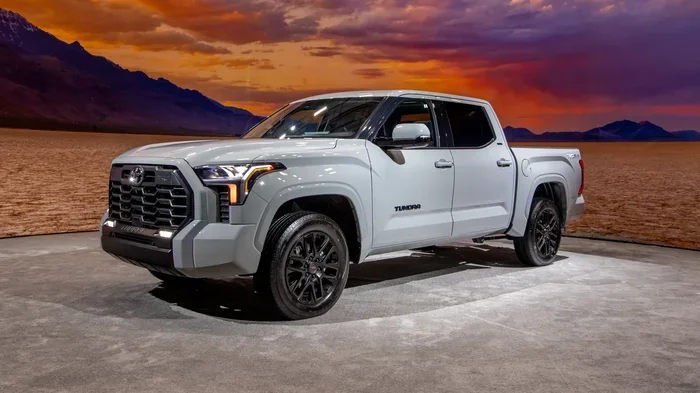
- Toyota Tundra: up to 10,200 lbs towing capacity
While the 4Runner does not match the full-size Tundra, it holds its own against the Tacoma. For towing a small trailer, a boat, or a camper, the 4Runner gets the job done. This is not something you see in most traditional SUVs.
When it comes to payload, the 4Runner can carry around 1,500 pounds in its cargo area and passenger seats combined. That is decent for an SUV and comparable to some lighter-duty trucks. If you need to move heavy items frequently, the 4Runner will not let you down.
Off-Road Performance
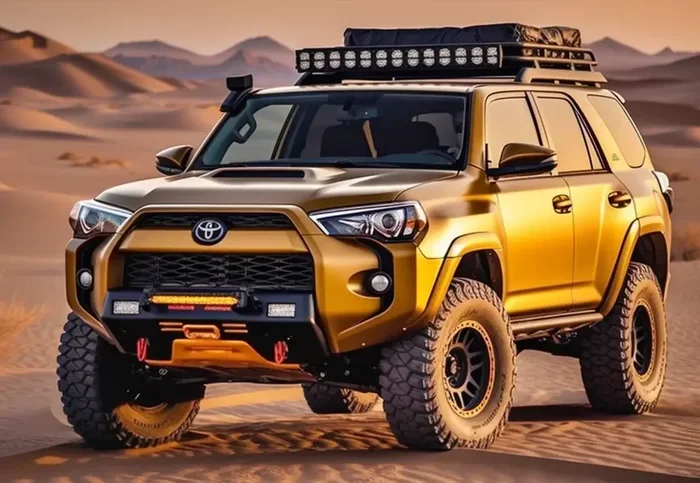
This is where the 4Runner truly shines. Its off-road credentials are legendary. The TRD Off-Road and TRD Pro trims come with features that rival many trucks:
- Multi-terrain select system – adjusts traction for different surfaces
- Crawl control – manages speed on steep or rough terrain
- Locking rear differential – sends power to both rear wheels
- High ground clearance – over 9 inches in most trims
- Skid plates – protects the undercarriage from rocks and debris
These features make the 4Runner one of the most capable off-road vehicles on the market. Many truck owners choose the 4Runner as a secondary vehicle specifically for trail adventures. It handles terrain that would leave most SUVs stuck and scraping.
Cargo Space and Practicality
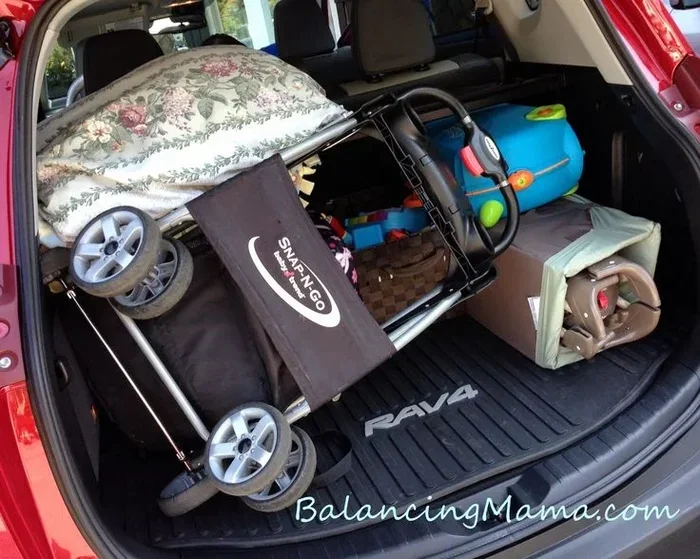
The 4Runner does not have an open cargo bed, but it still offers impressive cargo space. The rear area behind the second row can hold a surprising amount of gear. With the seats folded down, you get a flat load floor that is great for hauling larger items.
While it cannot match the open bed of a pickup truck for oversized loads, it does offer protection from the elements. Rain, snow, and dust stay out of your cargo. This is a trade-off that many 4Runner owners appreciate. You get the ruggedness of a truck without sacrificing weather protection.
How the 4Runner Compares to Actual Toyota Trucks
To really understand where the 4Runner stands, we need to compare it directly to Toyota’s actual truck lineup. The Tacoma and the Tundra are the two trucks Toyota currently sells in the US.
4Runner vs. Tacoma
The Tacoma and the 4Runner share the same platform and many mechanical components. Both use the same body-on-frame design and similar engines. Here is how they compare:
- Towing: The Tacoma tows more, thanks to its available tow package and open bed for mounting hitches
- Payload: The Tacoma has a higher payload capacity because of its open bed design
- Off-road: Both are excellent, but the 4Runner has a more comfortable on-road ride
- Daily driving: The 4Runner is more comfortable for everyday use with better cabin refinement
- Fuel economy: They are very similar, with the Tacoma edging ahead slightly
The Can I Drive My Tacoma Without A Catalytic Converter question often comes up among Tacoma owners, and the 4Runner faces similar discussions about its components. Both vehicles share Toyota’s reliable drivetrain architecture.
4Runner vs. Tundra
The Tundra is Toyota’s full-size truck. It is in a completely different league when it comes to towing and payload. The Tundra can haul much more weight and tow significantly heavier trailers. The 4Runner simply cannot compete in this area.
However, the 4Runner wins in everyday usability. It is easier to park, more comfortable to drive on pavement, and offers better fuel economy. The Tundra is a workhorse. The 4Runner is more of a lifestyle vehicle that can also work.
4Runner vs. Traditional Pickup Trucks from Other Brands
When compared to trucks from Ford, Chevrolet, or Ram, the 4Runner holds its own in off-road scenarios but falls short in raw hauling power. Full-size pickups can tow 10,000 to 13,000 pounds or more. They also offer open beds that make loading large items much easier.
The 4Runner’s strength is its balance. It offers truck-like durability with SUV-like comfort. For people who do not need a full-size truck but still want rugged capability, the 4Runner hits a sweet spot.
Why People Argue the 4Runner Is a Truck
The debate around the 4Runner’s classification is real. Here is why so many people feel strongly about calling it a truck.
Its Frame and Build Quality
The 4Runner’s body-on-frame design is the biggest argument in favor of calling it a truck. This construction method is what defines most trucks on the road today. The frame is the backbone of the vehicle, and it is what gives the 4Runner its toughness.
When you look at the 4Runner side by side with a Tacoma, the similarities are obvious. The proportions, the stance, the overall feel – they are all truck-like. The 4Runner just replaces the open bed with an enclosed cargo area.
Its Towing and Payload Numbers
As we mentioned earlier, the 4Runner can tow 5,000 pounds. That is enough to pull a small travel trailer, a jet ski trailer, or a utility trailer. For many people, this is all the towing capability they need. The payload capacity of around 1,500 pounds is also respectable for an SUV.
When you compare these numbers to what the EPA considers a “light truck,” the 4Runner fits right in. Many compact pickups have similar or even lower towing numbers.
Its Off-Road Reputation
The 4Runner has built a legendary reputation for off-road capability. It has been featured in countless off-road magazines and YouTube channels. Its solid axle rear suspension and available locking differential make it a serious trail contender.
Many truck owners respect the 4Runner for its off-road chops. It can go places that most SUVs cannot. This capability is what people associate with trucks, and the 4Runner delivers on that front.
Why the 4Runner Is Not Officially a Truck
Despite all the truck-like qualities, there are clear reasons the 4Runner is not classified as a truck.
No Open Cargo Bed
The most obvious difference is the lack of an open cargo bed. A truck bed is a defining feature of any pickup truck. It is what makes a truck a truck in the eyes of most people. The 4Runner has an enclosed cargo area behind the second row, which is an SUV design.
This might seem like a small detail, but it changes the vehicle’s classification entirely. The enclosed cargo area also limits the size of items you can carry compared to an open bed.
EPA and DOT Classification
Government agencies classify the 4Runner as an SUV. This classification affects everything from fuel economy standards to safety regulations. The EPA groups it with other SUVs, not with trucks. This is an important distinction for buyers who care about official vehicle categories.
If you are looking at how much weight a regular car can carry, the 4Runner sits in a unique middle ground. It carries more than a typical car but is not classified as a truck by regulatory standards.
Market Positioning
Toyota positions the 4Runner as an SUV, not a truck. It is marketed alongside the Highlander, the Grand Highlander, and other SUVs. You will not find the 4Runner in the truck section of any dealership. It sits in the SUV lineup, even though it shares its platform with the Tacoma truck.
Quick Tips: Should You Buy a 4Runner If You Want a Truck?
Here are some quick tips to help you decide if the 4Runner fits your needs:
- Choose the 4Runner if: you want off-road capability, daily comfort, and reliable towing without the bulk of a full-size truck
- Choose a Tacoma instead if: you need an open cargo bed, higher towing capacity, or a vehicle that doubles as a work truck
- Choose a Tundra if: you need serious hauling power and full-size truck capability
- Consider the 4Runner if: you want a vehicle that can handle trails on weekends and school runs on weekdays
- Test drive both: always compare the 4Runner directly with a Tacoma to feel the difference in ride and cargo access
The 4Runner is an excellent vehicle, but it is not a one-size-fits-all solution. Think about what you actually need from your vehicle before making a decision.
Common Mistakes People Make When Classifying the 4Runner
There are a few common errors people make when deciding if the 4Runner is a truck. Avoiding these mistakes can help you see the full picture.
- Assuming all body-on-frame vehicles are trucks: While many trucks use body-on-frame construction, not all body-on-frame vehicles are trucks. The Subaru Outback, for example, uses a wagon-style body-on-frame design but is not a truck.
- Confusing off-road ability with truck status: Just because a vehicle can go off-road does not make it a truck. Many SUVs and crossovers have excellent off-road capabilities.
- Ignoring the open bed requirement: Most people’s definition of a truck includes an open cargo bed. The 4Runner does not have one, which is a key factor in its SUV classification.
- Overestimating towing numbers: 5,000 pounds of towing is decent, but it is not in the same league as full-size trucks. Do not assume the 4Runner can tow what a pickup can.
Expert Insights: What the Automotive Community Says
Automotive experts and enthusiasts are split on this topic. Some insist the 4Runner is a truck because of its frame and capability. Others stick to the official SUV classification. The truth is that the 4Runner defies easy categorization.
Many off-road publications refer to the 4Runner as a “truck-based SUV.” This term acknowledges its truck heritage while respecting its SUV design. It is a fair description that captures the essence of what the 4Runner is.
From a practical standpoint, the 4Runner serves many of the same roles as a small truck. It hauls gear, tows trailers, and conquers trails. For the average buyer, the label matters less than the capability. The 4Runner delivers on all fronts.
Final Verdict: Is the 4Runner a Truck?
So, can a Toyota 4Runner be considered a truck for real? The answer is nuanced. Officially, no. The 4Runner is classified as an SUV by the EPA and the DOT. But in terms of capability, construction, and performance, it shares many traits with trucks.
The 4Runner has a body-on-frame chassis like the Tacoma and the Tundra. It can tow 5,000 pounds. It handles off-road terrain better than most SUVs. It carries payloads that rival some light-duty trucks. On paper, it checks almost every box that defines a truck.
But it lacks the open cargo bed that most people associate with trucks. It is marketed and sold as an SUV. And it does not match the hauling power of full-size pickups.
In the end, whether you call the 4Runner a truck depends on your definition. If you define a truck by its capability and construction, the 4Runner absolutely qualifies. If you define a truck by its open bed and official classification, it does not.
What we can say for certain is this: the Toyota 4Runner is one of the most capable and rugged vehicles in its class. It blurs the line between SUV and truck in the best possible way. It gives buyers the best of both worlds. Whether you call it a truck or an SUV, the 4Runner delivers where it counts.
If you are in the market for a vehicle that can handle both your daily commute and your weekend adventures, the 4Runner deserves a spot at the top of your list. It is tough, reliable, and ready for anything. That is more than most vehicles can say.
Frequently Asked Questions
Is the Toyota 4Runner classified as a truck by the government?
No. The EPA and DOT classify the 4Runner as a SUV, not a truck. This classification is based on its weight, design, and enclosed cargo area. However, its body-on-frame construction gives it many truck-like qualities.
Can the Toyota 4Runner tow as much as a pickup truck?
Not quite. The 4Runner can tow up to 5,000 pounds, which is competitive with compact trucks but falls short of full-size pickups. For most recreational towing needs, however, the 4Runner is more than capable.
What is the main difference between the 4Runner and a truck like the Tacoma?
The main difference is the cargo area. The Tacoma has an open pickup bed, while the 4Runner has an enclosed SUV cargo area. Both share the same body-on-frame platform and many mechanical components, but the bed design changes the vehicle’s classification.
Is the 4Runner better off-road than most trucks?
In many cases, yes. The 4Runner’s off-road packages, including crawl control and multi-terrain select, make it one of the best off-road vehicles available. Its short wheelbase and solid axles give it an advantage on tight trails compared to larger trucks.
Should I buy a 4Runner if I need a work truck?
It depends on your needs. The 4Runner can handle light work and towing, but it does not have the open bed or payload capacity of a true work truck. If you need to haul materials daily, a Tacoma or Tundra would be a better choice.
How long can a Toyota 4Runner last with proper maintenance?
With regular maintenance and careful driving, a Toyota 4Runner can easily last 200,000 to 300,000 miles or more. Its body-on-frame design and proven powertrain contribute to its exceptional longevity. Many owners report crossing the 300,000-mile mark without major issues.
=== CONCLUSION ===
The question of whether the Toyota 4Runner can be considered a truck is one that does not have a simple answer. The 4Runner carries many truck traits. Its body-on-frame design, towing capacity, and off-road ability put it in truck territory. Yet its enclosed cargo area and official SUV classification keep it on the other side of the line.
What matters most is what the 4Runner can do for you. It hauls, it tows, it climbs, and it handles daily driving with ease. Few vehicles blend capability and comfort as well as the 4Runner does. Whether you call it a truck or an SUV, it earns its reputation as one of Toyota’s most rugged and reliable vehicles.
Next time someone asks you, “Is the 4Runner a truck?” you will know exactly how to answer. The truth is, it is a little bit of both. And that is exactly what makes it so special.