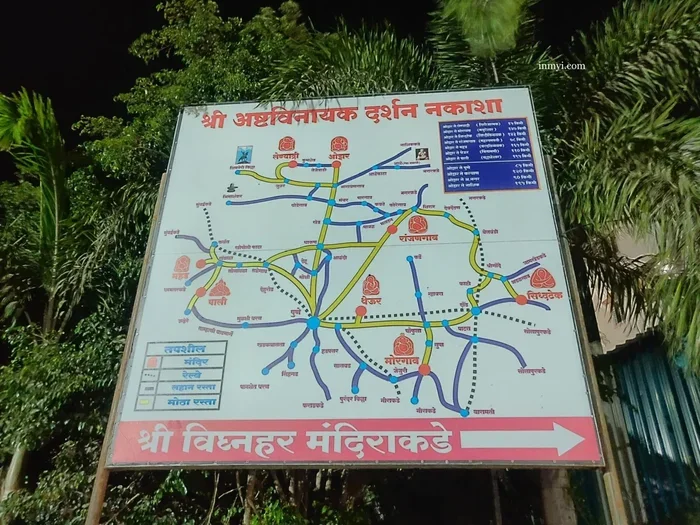
Ashtavinayak Route From Mumbai by Car Road Trip Plan
The Ashtavinayak route from Mumbai by car takes you on a sacred journey to eight revered Ganesh temples across Maharashtra. This road trip plan covers the full circuit distance, key stops, and practical tips for a smooth drive. You’ll learn the best route, travel time, and must-visit temples for a spiritual road adventure.
The Ashtavinayak route from Mumbai by car is one of the most rewarding spiritual road trips you can take from the city. It connects eight ancient temples dedicated to Lord Ganesha, each with its own legend and charm. If you love road trips, this journey blends devotion with beautiful scenery. You get to drive through the Western Ghats, pass small towns, and experience the culture of Maharashtra up close. This guide gives you a complete road trip plan, from route options to temple timings and packing tips.
Many travelers wonder how to cover all eight temples in a single trip. The answer is simple with a car. You control the pace, stop wherever you want, and avoid the hassle of public transport. Whether you are a devotee or a travel enthusiast, the Ashtavinayak road trip plan works for everyone. The total distance is manageable, and the drive is not too tiring. You can finish the circuit in two or three days, depending on how much time you want to spend at each temple.
Key Takeaways
- Point 1: The Ashtavinayak route from Mumbai by car spans about 300–350 km, covering eight sacred Ganesh temples in a 2–3 day trip.
- Point 2: The most popular circuit starts with Morgaon and ends at Mahad, offering a logical loop that minimizes backtracking.
- Point 3: You can split the journey into two days with overnight stays in towns like Pune or Saswad for comfort.
- Point 4: Key temples like Siddhivinayak at Siddhatek and Varadavinayak at Mahad hold special significance and are must-visits.
- Point 5: Proper planning of distances, temple timings, and fuel stops ensures a stress-free spiritual road trip.
- Point 6: The route passes through scenic Western Ghats and offers a mix of devotion and nature.
- Point 7: Traveling by car gives flexibility to stop at viewpoints and local eateries along the way.
📑 Table of Contents
- What Is the Ashtavinayak Route and Why Drive from Mumbai?
- Planning Your Ashtavinayak Road Trip from Mumbai
- The Ashtavinayak Circuit: Temple-by-Temple Guide
- Two-Day vs. Three-Day Ashtavinayak Trip Plan
- Practical Tips for a Smooth Car Journey
- Must-Visit Stops and Scenic Highlights Along the Route
- Conclusion
What Is the Ashtavinayak Route and Why Drive from Mumbai?
The Ashtavinayak journey covers eight Ganesh temples spread across Pune and Raigad districts. These temples are collectively known as the Ashtavinayak temples. Each temple has a unique form of Ganesha and a special story. The temples are located in different towns, so you need a well-planned route to visit all of them efficiently.
Driving from Mumbai is the easiest way to start this pilgrimage. Mumbai sits on the western coast, and the temples lie inland. The drive takes you through the state highway network and some scenic ghat roads. The Ashtavinayak route from Mumbai by car lets you begin early in the morning and reach the first temple by noon. This flexibility is a big advantage. You do not need to worry about bus schedules or train timings.
The Sacred Eight Temples
The eight temples form a circuit. The order matters because it helps you avoid long backtracking. The traditional sequence starts at Morgaon and ends at Mahad. Here is a quick look at the eight temples:
- Morgaon – The starting point, located near Pune.
- Siddhivinayak at Siddhatek – Situated on the banks of the Bhima river.
- Pali Vinayak – In Raigad district, known for its serene surroundings.
- Mahad Vinayak – Close to the sea and the final temple in the circuit.
- Varadavinayak – Near Mahad, one of the most visited temples.
- Chintamani at Theur – Close to Pune, known for its peaceful atmosphere.
- Girijatmaj at Lenyadri – Built into a cave, a unique architectural wonder.
- Vighnahar at Ozar – Near Nashik, completes the circuit.
Why a Car Trip Makes Sense
A car gives you the freedom to stop at any point. You can take detours to viewpoints or local markets. The Ashtavinayak route from Mumbai by car is well-connected, and most of the roads are in good condition. You can drive a hatchback or an SUV without any trouble. The journey is not just about reaching temples; it is also about enjoying the drive. The Western Ghats offer lush green views, especially during the monsoon and winter months.
Planning Your Ashtavinayak Road Trip from Mumbai
A good plan makes the trip smooth and enjoyable. You need to decide the route, the number of days, and the stops along the way. The Ashtavinayak road trip plan can be simple or detailed, depending on your preferences. Here are the key things to consider before you hit the road.
The Best Route Options
There are two main ways to drive from Mumbai to the Ashtavinayak temples. The first route goes via Pune. This is the most popular and straightforward path. You take the Mumbai-Pune Expressway or the old Pune road. From Pune, you head towards Morgaon, which is about 35 km away. This route covers the southern part of the circuit first.
The second route goes via the coastal road through Pen and Alibag. This route is longer but offers a scenic drive along the Konkan coast. You can combine the temple visits with a beach stop. However, the Pune route is faster and more commonly chosen for the Ashtavinayak trip.
Distance and Travel Time
The total distance for the full Ashtavinayak circuit is around 300 to 350 km. It depends on the exact order you follow. A typical itinerary looks like this:
- Mumbai to Morgaon: About 150 km, 3 to 3.5 hours by car.
- Morgaon to Siddhatek: Around 120 km, 2.5 to 3 hours.
- Siddhatek to Pali: Roughly 80 km, 1.5 to 2 hours.
- Pali to Mahad: About 60 km, 1.5 hours.
- Mahad to Varadavinayak: Just 15 km, a short drive.
- Varadavinayak to Chintamani (Theur): Around 100 km, 2 hours.
- Theur to Lenyadri: About 80 km, 1.5 hours.
- Lenyadri to Ozar: Roughly 90 km, 2 hours.
- Ozar back to Mumbai: Around 180 km, 3.5 to 4 hours.
These distances are approximate. You can adjust them based on where you stay overnight. The Ashtavinayak route from Mumbai by car is flexible. You do not need to cover all temples in one day.
The Ashtavinayak Circuit: Temple-by-Temple Guide
Each temple on the Ashtavinayak circuit has its own significance. Visiting them in the traditional order enhances the spiritual experience. Here is a closer look at the key stops on your Ashtavinayak road trip plan.
Morgaon – The Starting Point
Morgaon is the first temple in the circuit and is located in the Pune district. It is known as the seat of Ganesha, the lord of beginnings. The temple sits on the banks of the Karha river. The architecture is traditional, with a deep sabha mandap and a beautiful sanctum. Many devotees start their Ashtavinayak yatra from here. The temple is open from early morning to noon and again in the evening. It is best to arrive by 9 AM to avoid crowds.
Siddhivinayak at Siddhatek
Siddhatek is located in the Ahmednagar district, on the banks of the Bhima river. The Siddhivinayak temple here is famous for granting wishes. The legend says that Vishnu worshipped Ganesha at this spot to gain the power to defeat demons. The drive from Morgaon to Siddhatek takes you through rural Maharashtra. The roads are good, and the scenery is pleasant. The temple timing is usually from 6 AM to 12 PM and 4 PM to 8 PM. A quick visit of an hour is enough.
Other Key Temples on the Circuit
After Siddhatek, you move towards Pali Vinayak. This temple is known for its peaceful ambiance. Next is Mahad Vinayak, which is close to the sea. The Varadavinayak temple at Mahad is one of the most visited and is believed to fulfill the desires of devotees. The Chintamani temple at Theur, near Pune, is another important stop. Girijatmaj at Lenyadri is a cave temple carved into a hillside. It is a unique experience. Finally, Vighnahar at Ozar completes the circuit. This temple is near Nashik and is known for its grandeur.
Two-Day vs. Three-Day Ashtavinayak Trip Plan
You can complete the Ashtavinayak circuit in two or three days. The choice depends on how much time you want to spend at each temple and whether you want to explore nearby places. Here is a breakdown of both options.
Day 1: Mumbai to Morgaon and Beyond
Start early from Mumbai, around 5 AM. Reach Morgaon by 8:30 AM and spend about an hour at the temple. Then drive to Siddhatek, which is about 120 km away. Reach by noon and visit the Siddhivinayak temple. After the darshan, continue to Pali Vinayak, which is about 80 km from Siddhatek. Stay overnight in Pali or drive a bit further to Mahad. This covers the first four temples in one long day.
Day 2: Covering More Temples
On the second day, start from Mahad and visit Varadavinayak, which is just 15 km away. Then head towards Theur for the Chintamani temple. After that, drive to Lenyadri for the Girijatmaj temple. The drive from Theur to Lenyadri is about 80 km. You can stay overnight in Lenyadri or nearby Pune. This day covers the middle part of the circuit and gives you a relaxed pace.
Day 3: Ozar and Return to Mumbai
On the third day, visit the Vighnahar temple at Ozar. Ozar is about 90 km from Lenyadri. After the darshan, start your return journey to Mumbai. The drive from Ozar to Mumbai takes about 3.5 to 4 hours via the Nashik highway or the expressway. You will reach Mumbai by late evening. This three-day plan is comfortable and allows you to enjoy the drive without rushing.
Practical Tips for a Smooth Car Journey
A road trip requires some preparation. These tips will help you have a hassle-free Ashtavinayak route from Mumbai by car experience.
Fuel Stops and Road Conditions
The highways between Mumbai and the temple towns are well-maintained. However, some stretches in the ghat sections can be narrow. Fill up your fuel tank in Pune or Mahad, as petrol pumps are available at regular intervals. Carry a spare tire and basic tools. The roads are mostly two-lane, and traffic can be heavy near Pune. Plan your departure times to avoid peak hours.
Temple Timings and Darshan Tips
Each temple has its own timings. Most temples open early in the morning, around 6 AM, and close for a few hours in the afternoon. They reopen in the evening. It is best to visit temples in the morning for a peaceful darshan. Carry wet wipes and a small towel, as you may need to wash your hands before entering the sanctum. Photography is usually not allowed inside the main sanctum, so respect the rules.
What to Pack for the Trip
Pack light but smart. Carry a reusable water bottle, snacks, and a first-aid kit. Comfortable shoes are a must, as you will be walking around temple premises. A light rain jacket is useful, especially during the monsoon season. Keep your documents, like your driving license and car registration, handy. A small cooler bag with fruits and drinks can be a lifesaver during long drives.
Must-Visit Stops and Scenic Highlights Along the Route
The Ashtavinayak route from Mumbai by car is not just about temples. There are several scenic stops that make the journey memorable. The drive through the Western Ghats is breathtaking. You will see lush green valleys, waterfalls, and misty hills. If you are traveling during the monsoon, the scenery is at its best. However, be cautious of slippery roads and waterlogged patches.
Scenic Drives in the Western Ghats
The stretch between Pune and Mahad offers some stunning views. The ghat section near Lonavala and Khandala is famous for its beauty. You can stop at a viewpoint for a quick photo. The roads are winding but well-paved. Driving a car through these ghats is a joy for any road trip enthusiast. The cool mountain air and the sound of the wind make the journey special.
Local Food and Eateries
No road trip is complete without trying local food. Along the Ashtavinayak route, you will find small dhabas and restaurants serving authentic Maharashtrian food. Try the vada pav, misal pav, and sabudana khichdi. In Mahad, you can taste the local coconut-based dishes. The temple towns also offer prasad, which is a must-try. Carrying some homemade snacks is a good idea for longer stretches between towns.
Conclusion
The Ashtavinayak route from Mumbai by car is a perfect blend of spirituality, nature, and adventure. It gives you the freedom to explore eight sacred temples at your own pace. With proper planning, this road trip can be a smooth and memorable experience. Whether you are a devotee or a travel lover, the Ashtavinayak circuit has something for everyone. Start planning your Ashtavinayak road trip plan today, and enjoy the journey from Mumbai to these divine temples by car.
Frequently Asked Questions
How long does the Ashtavinayak circuit take by car from Mumbai?
The full circuit takes about 2 to 3 days by car, covering roughly 300 to 350 km. You can finish it in two days if you start early and drive fast, but three days is more comfortable.
What is the best time to drive the Ashtavinayak route from Mumbai by car?
The best time is during the winter months from October to March. The weather is pleasant, and the roads are clear. The monsoon season (June to September) is also good for scenery, but you must watch for slippery roads.
Do I need to stay overnight during the Ashtavinayak trip?
Yes, staying overnight makes the trip more relaxed. You can stay in Pune, Saswad, or Mahad. These towns have good hotels and are well-connected to the temple circuit.
Is the road from Mumbai to Ashtavinayak temples good for cars?
Yes, the roads are in good condition. The Mumbai-Pune Expressway is excellent, and the state highways to the temple towns are well-maintained. A regular hatchback or SUV can handle the journey easily.
Can I visit all eight Ashtavinayak temples in one day?
It is possible but very tiring. The temples are spread across a large area, and you would need to drive for many hours without breaks. A two- or three-day plan is much better for enjoying the trip.
What should I carry for the Ashtavinayak road trip?
Carry water, snacks, a first-aid kit, comfortable shoes, and a rain jacket. Keep your car documents and a spare tire ready. A small cooler bag with drinks and fruits is also helpful.