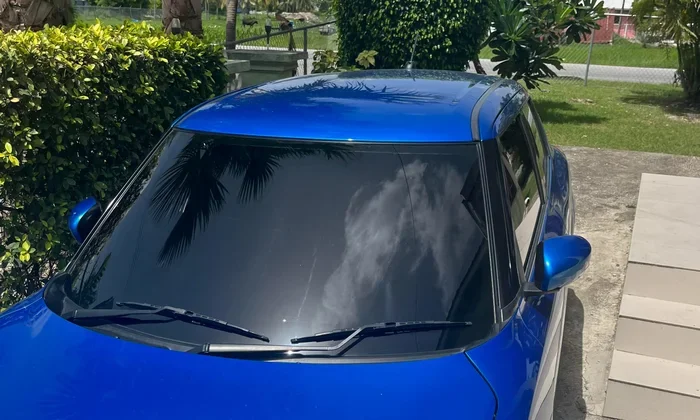
Tinting the Front Windshield: What You Need to Know
Tinting the front windshield is a smart upgrade for any car owner looking to boost comfort, safety, and style. This guide covers everything from legal limits and tint types to costs and maintenance tips. You will learn how to make an informed decision about front windshield film that fits your needs and budget.
Tinting the front windshield is one of the most popular upgrades car owners make every year. Whether you want to beat the summer heat, protect your skin from harmful rays, or simply give your ride a sleeker look, front window tinting delivers real results. But before you dive in, there is a lot to consider. Laws vary from state to state, different tint materials behave in unique ways, and the installation process requires care and precision. This guide walks you through everything you need to know about tinting the front windshield so you can make a confident, informed choice.
Many people assume that tinting is just about looks. In reality, it is about protection, comfort, and safety. A good windshield tint blocks harmful ultraviolet rays, cuts down on blinding glare, and even helps your car’s interior last longer. At the same time, you must stay within legal tint limits to avoid tickets and inspection failures. The good news is that once you understand the basics, the whole process becomes much simpler. Let us break it all down for you.
Key Takeaways
- Know the Laws: Each state has specific windshield tint laws you must follow to avoid fines and failed inspections.
- Choose the Right Material: Ceramic, dyed, and metalized tints each offer different benefits for UV protection and heat rejection.
- Understand the AS-1 Line: Most states only allow tinting below the AS-1 line on the front windshield.
- Professional Installation Matters: Proper tint installation prevents bubbling, peeling, and fading over time.
- Maintenance Is Key: Simple care habits can extend the life of your car window tint by several years.
- Balance Style and Safety: The right tint reduces glare and solar heat while keeping your windshield structurally sound.
📑 Table of Contents
Understanding Windshield Tinting
What Does Windshield Tinting Mean?
When we talk about tinting the front windshield, we are referring to applying a thin film to the glass. This film comes in different shades and materials. Some tints are clear and barely noticeable, while others are dark and provide strong privacy. The goal is to control how much light enters your vehicle. Visible light transmission, or VLT, is the term used to measure this. A higher VLT means more light passes through, while a lower VLT means a darker tint. Understanding VLT is the first step in choosing the right film for your front windshield.
The front windshield is different from side and rear windows. It is the largest piece of glass on your car and plays a critical role in structural integrity. That is why most states impose strict rules on how dark the tint can be. The AS-1 line is a reference line that manufacturers imprint near the top of the windshield. Tinting above this line is generally not allowed in most states. Knowing these basics helps you set realistic expectations before you start shopping.
Why Do People Tint Their Front Windshield?
There are many reasons car owners choose to tint their front windshield. The most common one is UV protection. The sun emits harmful ultraviolet rays that can cause skin damage and accelerate the fading of your car’s interior. A quality front windshield film blocks up to 99 percent of UV rays, keeping you and your passengers safer. Another big reason is heat rejection. A good tint can significantly reduce the amount of solar heat that enters your car, making your air conditioning work less hard and improving fuel efficiency.
Glare reduction is another major benefit. Driving into the setting sun or facing oncoming headlights at night can be dangerous. Tinting the front windshield softens harsh light and makes driving more comfortable, especially on long road trips. Some people also tint for aesthetic reasons. A well-applied tint gives a car a polished, finished look. And then there is the privacy factor. While the front windshield usually cannot be tinted very dark, even a light film adds a layer of privacy tint for you and your belongings inside the car.
Legal Restrictions and Regulations
The AS-1 Line and Its Importance
Every front windshield has an AS-1 line, which is a marking placed by the manufacturer. This line is usually located in the top few inches of the windshield. It serves as a boundary for legal tinting in most states. Tinting the front windshield above the AS-1 line is almost universally prohibited. The area below the AS-1 line is where tinting may be allowed, but only up to certain limits. These limits are measured by visible light transmission percentage. For example, some states require the front windshield to allow at least 70 percent of light through. This means you can only apply a very light tint, if any, below the AS-1 line.
The AS-1 line exists for safety reasons. The windshield is a structural component of your vehicle. It supports the roof in a rollover and is essential for proper airbag deployment. Tinting above the AS-1 line can interfere with these safety features. That is why regulations are strict. Always check your local windshield tint laws before purchasing any film. Ignorance of the law is not a valid defense, and a ticket for illegal tinting can be expensive.
State-by-State Tint Laws
Windshield tint laws vary widely across the United States. Some states are very lenient, allowing a moderate tint below the AS-1 line. Others are extremely strict and only permit a clear or very lightly tinted film. For example, states like California and New York have very tight legal tint limits for the front windshield. In contrast, some southern states may allow slightly darker tints. It is essential to research your specific state’s regulations. You can usually find this information on your state’s Department of Motor Vehicles website or through local tint installation shops.
Here are some general guidelines to keep in mind. Most states require the front windshield to have a VLT of at least 70 percent. Some allow tinting only on the top 4 to 6 inches of the glass. A few states have no tinting restrictions for the front windshield at all, but these are rare. Always verify the current laws in your area. Regulations can change, and what was legal last year might not be legal today. When in doubt, consult a professional tint installation expert who knows the local rules.
Types of Windshield Tint Materials
Dyed Tint Film
Dyed tint film is the most affordable option for tinting the front windshield. It uses layers of dye to absorb sunlight and reduce glare. Dyed tints are effective at blocking heat and providing a sleek look. However, they have some downsides. Over time, dyed film can fade and turn purple or develop bubble formation. This is a common complaint among car owners who choose the cheapest option. Tint fading is a real issue with dyed films, especially in hot, sunny climates. If you are on a tight budget, dyed tint may work for you, but it will likely need replacement sooner than other options.
Another concern with dyed film is that it offers the least UV protection compared to other types. While it does block some rays, it is not as effective as higher-quality films. For the front windshield, where UV exposure is highest due to direct sunlight, this is a significant drawback. If you care about long-term protection for your skin and your car’s interior, you might want to consider a better option.
Metalized Tint Film
Metalized tint film contains tiny metallic particles that reflect heat and UV rays away from the car. This type of film is more durable than dyed tint and offers excellent heat rejection. Metalized tints also strengthen the windshield slightly, adding a thin layer of protection against minor impacts. One of the downsides is that metalized film can interfere with electronic signals. If you rely on GPS, cell phone reception, or car window tint with built-in sensors, metalized film might cause issues. The metallic particles can block radio frequency signals, which can be frustrating for tech-heavy drivers.
In terms of appearance, metalized tint has a distinctive shiny or mirrored look. Some people love this aesthetic, while others find it too reflective. It is also typically more expensive than dyed film but less costly than ceramic options. For those looking for a balance between performance and price, metalized tint is a solid choice for front windshield film.
Ceramic Tint Film
Ceramic tint film is the premium option in the world of windshield tinting. It uses nano-ceramic particles that provide superior heat rejection without interfering with electronic signals. Ceramic tint blocks up to 99 percent of harmful UV rays and can reject a significant percentage of solar heat. This makes it the best choice for tinting the front windshield if you want maximum protection and comfort. The clarity of ceramic film is also excellent, meaning it does not distort your view of the road.
The downside of ceramic tint is the price. Windshield tinting cost for ceramic film is higher than for dyed or metalized options. However, many car owners consider it a worthwhile investment because of its durability and performance. Ceramic tint does not fade over time, and it maintains its clarity for years. If you plan to keep your car for a long time or want the best possible protection, ceramic tint is the way to go. It is the gold standard in front window tinting.
Comparison of Tint Types
| Feature | Dyed Tint | Metalized Tint | Ceramic Tint |
|---|---|---|---|
| Price Range | Low | Medium | High |
| UV Protection | Moderate | Good | Excellent (up to 99%) |
| Heat Rejection | Moderate | Very Good | Excellent |
| Signal Interference | None | Possible | None |
| Durability | Low (fades over time) | Good | Excellent (no fading) |
| Clarity | Good | Slightly reflective | Excellent |
| Bubble Risk | Higher | Low | Very Low |
| Best For | Budget-conscious drivers | Balanced performance | Premium protection and comfort |
Benefits of Tinting Your Front Windshield
UV Protection and Health Benefits
One of the biggest benefits of tinting the front windshield is the UV protection it provides. The sun’s ultraviolet rays are harmful to your skin and eyes. Prolonged exposure while driving can increase the risk of skin cancer and accelerate cataract development. A quality windshield tint blocks up to 99 percent of UVA and UVB rays, significantly reducing your exposure. This is especially important for drivers who spend long hours on the road every day. Safety film with UV-blocking properties is a smart health investment that pays off over time.
Beyond skin health, UV protection also preserves your car’s interior. The dashboard, seats, and steering wheel can crack, fade, and deteriorate when exposed to constant sunlight. Tinting your front windshield helps maintain the interior’s appearance and value. Over time, this can save you money on repairs and replacements. The UV protection from a good tint film is one of the most overlooked benefits of windshield tinting.
Heat Rejection and Comfort
Driving in a hot car is miserable. The sun beats down on your windshield, heating up the interior until the air conditioning struggles to keep up. Tinting the front windshield with a high-quality film can reduce solar heat gain by up to 60 percent or more. This means your car stays cooler, your A/C works more efficiently, and you spend less fuel trying to beat the heat. Heat rejection is one of the most practical benefits of any front windshield film.
The comfort factor cannot be overstated. When you step into a cooler car on a hot day, the difference is immediate and noticeable. You do not have to blast the air conditioning for several minutes before it becomes bearable. This is especially valuable in hot climates where temperatures regularly exceed 90 degrees Fahrenheit. A good tint also reduces the strain on your car’s cooling system, which can extend the life of your A/C compressor and other components.
Glare Reduction for Safer Driving
Glare from the sun and oncoming headlights is a serious safety hazard. It can temporarily blind drivers and cause accidents. Tinting the front windshield significantly reduces glare, making it easier to see the road in challenging lighting conditions. Whether you are driving east at sunrise or west at sunset, a quality tint helps you maintain clear visibility. Glare reduction is one of the most immediate and noticeable benefits of any windshield tint.
Night driving is another area where glare reduction helps. Oncoming headlights from trucks and SUVs can be blinding, especially on dark, rural roads. A tinted windshield softens these harsh lights without significantly reducing your ability to see the road ahead. This makes tinting the front windshield a practical safety upgrade, not just a cosmetic one. Better visibility means fewer accidents and a more relaxed driving experience.
The Installation Process
What to Expect During Installation
Tint installation is a detailed process that requires skill and patience. First, the technician will thoroughly clean your front windshield to remove any dirt, dust, or oils. A clean surface is essential for the film to adhere properly. Next, the film is cut to size and carefully applied to the glass. The technician uses a squeegee to push out air bubbles and excess water. The edges are then trimmed for a clean finish.
The entire process usually takes between one and two hours for a single windshield. You should expect the film to dry within a few days, but full curing can take up to a month. During this time, avoid rolling down your windows or cleaning the tinted surface. Bubbles and streaks may appear during the drying process, but these typically disappear as the film fully cures. Choosing a reputable tint installation shop makes a huge difference in the final result.
DIY vs. Professional Installation
Some car owners consider installing front windshield film themselves to save money. While DIY tint kits are available, professional installation is highly recommended for the front windshield. The front windshield is curved and complex, making it difficult to apply film evenly without bubbles or wrinkles. Professional technicians have the tools, experience, and training to do the job right the first time. A botched DIY job can lead to peeling, bubbling, and an unsightly appearance that is expensive to fix.
The windshield tinting cost for professional installation is higher than a DIY kit, but the results are far superior. You also gain the benefit of a warranty from the installer and the film manufacturer. Professional installation ensures that your tint meets legal requirements and performs as expected. For the front windshield specifically, the investment in professional work is well worth it.
Maintaining Your Windshield Tint
Common Mistakes That Damage Tint
Many car owners unknowingly damage their tinting the front windshield through poor maintenance habits. One of the biggest mistakes is rolling down the windows too soon after installation. The film needs time to cure, and premature window use can cause the edges to peel. Another common error is using harsh chemical cleaners on the tinted surface. Ammonia-based cleaners can break down the adhesive and cause the film to bubble or peel. Always use ammonia-free, tint-safe cleaning products.
Using abrasive materials like rough towels or scrub brushes can scratch the tint film. Stick to soft microfiber cloths and gentle cleaning solutions. Parking in direct sunlight for extended periods without a sunshade can also accelerate tint degradation over time. By avoiding these common mistakes, you can keep your front windshield film looking great for years to come.
How to Keep Your Tint Looking Great
Proper maintenance is simple and goes a long way in preserving your windshield tint. Wait at least three to four days after installation before rolling down your windows. Use a soft microfiber cloth and a gentle, ammonia-free cleaner to wipe the tinted surface. Avoid parking under direct sunlight whenever possible, or use a windshield sunshade to reduce heat exposure. These small habits add up and help your tint last longer.
If you notice small bubbles forming shortly after installation, do not panic. These are often air pockets that resolve as the film cures. If bubbles persist after a month, contact your tint installation shop for a free repair or replacement. Most reputable shops offer a warranty on their work. Regular care and attention will keep your tinting the front windshield looking crisp and professional for many years.
Conclusion
Tinting the front windshield is a smart investment that delivers real benefits for any car owner. From UV protection and heat rejection to glare reduction and a sleeker look, the advantages are clear. But success depends on understanding the laws, choosing the right material, and working with a skilled professional. Take the time to research your state’s windshield tint laws and select a tint percentage that fits both your preferences and legal requirements. Whether you choose a budget-friendly dyed film or a premium ceramic option, the key is proper installation and ongoing care. With the right approach, your front windshield tint will enhance your driving experience for years to come.
Remember, tinting the front windshield is not just about aesthetics. It is about protecting yourself, your passengers, and your vehicle. Make informed decisions, ask questions, and invest in quality. Your front windshield is too important to compromise on.
Frequently Asked Questions
Is tinting the front windshield legal in all states?
No, windshield tint laws vary by state. Most states allow tinting below the AS-1 line but require a minimum visible light transmission of 70 percent or higher. Some states are stricter than others, so always check your local regulations before tinting your front windshield.
How much does it cost to tint a front windshield?
The windshield tinting cost depends on the type of film you choose. Dyed tints are the most affordable, while ceramic tints are the most expensive. On average, professional installation for a front windshield ranges from $100 to $400. The tint percentage and material quality are the biggest factors that influence the final price.
How long does windshield tint last?
A quality front windshield film can last between five and ten years with proper care. Dyed tints tend to fade faster, while ceramic tints maintain their clarity and performance for many years. Regular maintenance and avoiding harsh chemicals will significantly extend the lifespan of your car window tint.
Can I tint my front windshield myself?
While DIY tint installation kits are available, professional installation is strongly recommended for the front windshield. The curved glass and safety requirements make it difficult to achieve a bubble-free, legal result on your own. A professional ensures proper application and helps you stay within legal tint limits.
Does windshield tint affect GPS or phone signals?
It depends on the type of film. Metalized tints can interfere with electronic signals, including GPS and cell reception. Ceramic tints, however, do not block signals and are the best choice if you rely on technology in your vehicle. Always ask your installer about signal interference before choosing a front window tinting option.
What is the best tint percentage for the front windshield?
Most states require a minimum visible light transmission of 70 percent for the front windshield. This means you can only apply a very light tint. Check your local windshield tint laws to confirm the allowed tint percentage in your area. When in doubt, a 70 percent VLT film is the safest and most widely accepted option for tinting the front windshield.