How Many Cars Does Toyota Make in a Day Every Year
Toyota produces around 13,000 to 15,000 vehicles every single day across its global manufacturing network. This massive output makes Toyota the world’s largest automaker by production volume. In a typical year, Toyota builds over 10 million cars and trucks, serving customers in more than 170 countries worldwide.
Toyota is a giant in the automotive world. Every single day, Toyota factories roll out thousands of new vehicles. These cars, trucks, and SUVs head to dealerships around the globe. Have you ever wondered just how many cars Toyota makes in a day? The number is truly staggering.
Toyota’s production numbers tell a story of incredible scale and efficiency. From small compact cars to massive pickup trucks, Toyota builds them all. The company’s manufacturing network spans multiple continents and employs hundreds of thousands of workers. Understanding Toyota’s daily and yearly output gives you a real sense of how this automaker dominates the industry.
In this article, we will break down Toyota’s daily production numbers. We will explore how many cars Toyota makes every year. You will learn about the factories, the assembly lines, and the models that drive these numbers. We will also look at how Toyota’s production compares to other automakers. By the end, you will have a clear picture of Toyota’s massive manufacturing power.
Key Takeaways
- Daily Output: Toyota manufactures roughly 13,000 to 15,000 vehicles per day across all its plants worldwide.
- Annual Production: Toyota’s yearly output exceeds 10 million units, making it the biggest automaker on the planet.
- Global Factories: Toyota operates over 30 manufacturing facilities spread across Japan, North America, Europe, and Asia.
- Most Produced Models: The Corolla, RAV4, and Camry lead Toyota’s highest-volume production lines.
- Production Speed: A single Toyota assembly line can build a car every few minutes during peak operations.
- Supply Chain Power: Toyota’s legendary supply chain system keeps production running smoothly and efficiently.
- Future Growth: Toyota continues expanding production capacity to meet growing global demand for hybrid and electric vehicles.
📑 Table of Contents
How Many Cars Does Toyota Make in a Day?
The short answer is impressive. Toyota produces approximately 13,000 to 15,000 vehicles every single day. This number can vary based on several factors. Demand shifts, factory maintenance schedules, and supply chain issues all play a role.
Breaking Down the Daily Numbers
Let us look at what goes into that daily number. Toyota operates more than 30 manufacturing facilities worldwide. Each plant has multiple assembly lines running around the clock. Some facilities work two shifts per day, while others run three shifts.
At peak efficiency, a single Toyota assembly line can produce one vehicle every few minutes. That means a line running for 24 hours can build hundreds of cars. Multiply that by dozens of lines across many plants, and you get the massive daily output Toyota is known for.
Here are some quick facts about Toyota’s daily production:
- Average daily output: 13,000 to 15,000 vehicles
- Number of global plants: Over 30 manufacturing facilities
- Shifts per day: 1 to 3 depending on the plant
- Vehicles per line per hour: Around 60 to 90 at peak
- Countries with Toyota plants: Japan, USA, Mexico, UK, China, India, Thailand, and more
What Affects Daily Production Numbers?
Toyota’s daily output is not always the same. Several factors can push numbers up or pull them down. Understanding these factors helps explain the variation.
First, seasonal demand plays a big role. During peak buying seasons, Toyota may run extra shifts to meet orders. During slower months, production might ease back. Second, factory maintenance requires downtime. Every plant needs regular upkeep to keep machines running smoothly. Third, global events like supply chain disruptions or parts shortages can slow things down significantly.
Toyota also adjusts production based on model popularity. If the RAV4 or Corolla is selling exceptionally well, Toyota will allocate more line time to those models. This flexibility is part of what makes Toyota so successful in the automotive manufacturing industry.
Toyota’s Annual Production Numbers
When you multiply those daily numbers by 365 days, the annual figures are breathtaking. Toyota builds over 10 million vehicles every year. That is more than any other automaker in the world. This massive scale is what keeps Toyota at the top of the global auto industry.
Yearly Output by the Numbers
Let us put Toyota’s annual production into perspective. Here is a simple breakdown of what those numbers mean:
- 10 million+ vehicles per year across all models and brands
- One vehicle every few seconds rolling off a Toyota line somewhere in the world
- Over 170 countries receive Toyota vehicles annually
- Hundreds of thousands of employees work in Toyota manufacturing worldwide
Toyota’s annual output has grown steadily over the decades. The company started small but expanded rapidly. Today, Toyota’s production network is a marvel of modern automotive industry engineering. The company has perfected the art of mass production while maintaining quality standards that consumers trust.
Toyota vs. Other Automakers
How does Toyota stack up against competitors? The comparison is telling. Toyota’s annual production far exceeds most other automakers. Companies like Volkswagen, General Motors, and Ford produce millions of vehicles too. But Toyota consistently leads the pack.
Here is a general comparison of annual production volumes among major automakers:
- Toyota: 10+ million units per year
- Volkswagen Group: 9 to 10 million units per year
- General Motors: 6 to 9 million units per year
- Ford: 4 to 6 million units per year
- Hyundai-Kia: 6 to 7 million units per year
Toyota’s consistent lead comes from a combination of factors. Efficient production methods, a strong global dealer network, and loyal customers all contribute. The company’s reputation for reliability also drives demand, which in turn supports high production volumes.
The Toyota Assembly Line Process
Have you ever wondered how Toyota builds so many cars so efficiently? The answer lies in the assembly line process. Toyota pioneered many of the manufacturing techniques used in the industry today. The company’s approach to vehicle assembly is a masterclass in efficiency.
The History of Toyota’s Production System
Toyota’s production methods have a rich history. The company developed what is now known as the Toyota Production System, or TPS. This system focuses on eliminating waste and maximizing efficiency. It introduced concepts like just-in-time manufacturing and kaizen, which means continuous improvement.
These ideas revolutionized the auto industry. Other manufacturers studied Toyota’s methods and adopted similar approaches. Today, Toyota’s assembly line process remains one of the most advanced in the world. The company constantly refines its methods to build vehicles faster and with fewer defects.
How a Toyota Vehicle Moves Through the Line
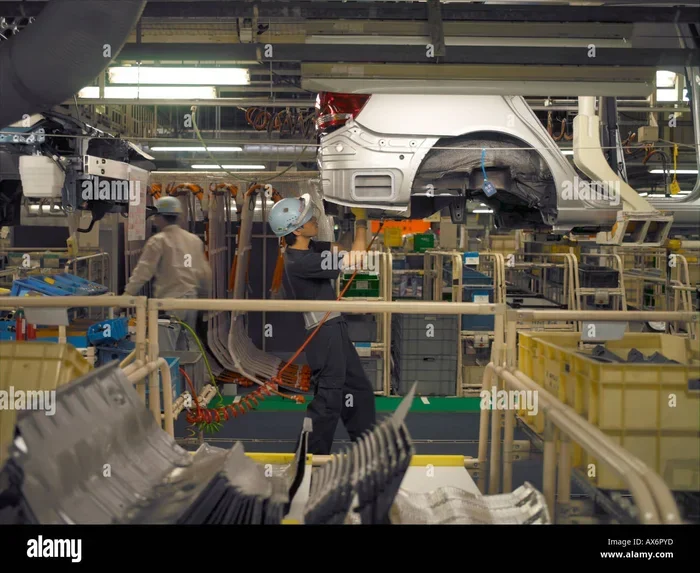
A typical Toyota assembly line follows a clear sequence. First, the chassis arrives at the beginning of the line. Workers and robots then add the engine, transmission, and suspension components. Next, the body is attached to the chassis.
After that comes the interior. Seats, dashboard, steering wheel, and electronics get installed. Then the exterior is finished with paint and trim. Finally, the vehicle undergoes quality checks and testing before moving to the shipping area.
This process takes about 12 to 24 hours from start to finish for most models. Some vehicles move through faster, while larger or more complex models take longer. Either way, Toyota’s system keeps everything moving smoothly.
Toyota’s Most Produced Models
Not all Toyota vehicles are built in the same quantities. Some models are far more popular than others. Let us look at the vehicles that drive most of Toyota’s massive production numbers.
The Toyota Corolla
The Corolla is Toyota’s best-selling model of all time. This compact car has been a global favorite for decades. Toyota has sold over 50 million Corollas since the model’s introduction. The Corolla alone accounts for a significant portion of Toyota’s daily output.
Produced in factories across Japan, Thailand, China, and Mexico, the Corolla reaches buyers in virtually every market. Its reputation for reliability and affordability keeps demand strong year after year. When you think about how many cars Toyota makes in a day, a large share of those are Corollas.
The Toyota RAV4
The RAV4 is Toyota’s top-selling SUV. This compact crossover has exploded in popularity over the past two decades. The RAV4 combines practicality, fuel efficiency, and Toyota’s signature reliability. It consistently ranks among the best-selling SUVs worldwide.
Toyota builds the RAV4 at multiple factories globally. The model’s strong sales allow Toyota to keep RAV4 production lines running at high capacity. As SUV demand continues to grow, the RAV4 will likely remain a production workhorse for years to come.
The Toyota Camry
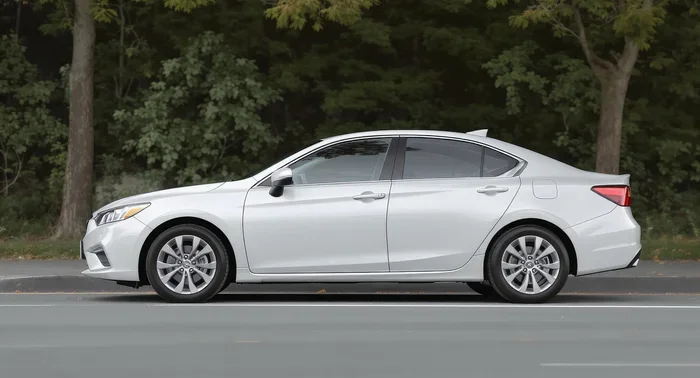
The Camry is Toyota’s flagship sedan. This midsize car has long been a staple of the American and global markets. The Camry offers a comfortable ride, strong reliability, and good fuel economy. It appeals to families and professionals alike.
Toyota manufactures the Camry primarily in the United States and Japan. The model’s steady sales support consistent production volumes. While sedan sales have softened in some markets, the Camry remains a key player in Toyota’s lineup.
Where Are Toyota’s Factories Located?
Toyota’s production network spans the globe. The company has manufacturing plants on every inhabited continent except Antarctica. This global footprint allows Toyota to build vehicles close to where they are sold. It also helps the company navigate trade tariffs and shipping challenges.
Toyota in Japan
Japan is the heart of Toyota’s manufacturing operations. The company was founded in Toyota City, Aichi Prefecture. Several major plants operate in this region, producing everything from compact cars to luxury sedans. Toyota City itself is essentially built around the automaker’s presence.
Japanese plants are known for their precision and high standards. Workers at these facilities follow meticulous processes that have been refined over decades. The quality output from Japanese factories sets the benchmark for Toyota’s global operations.
Toyota in North America
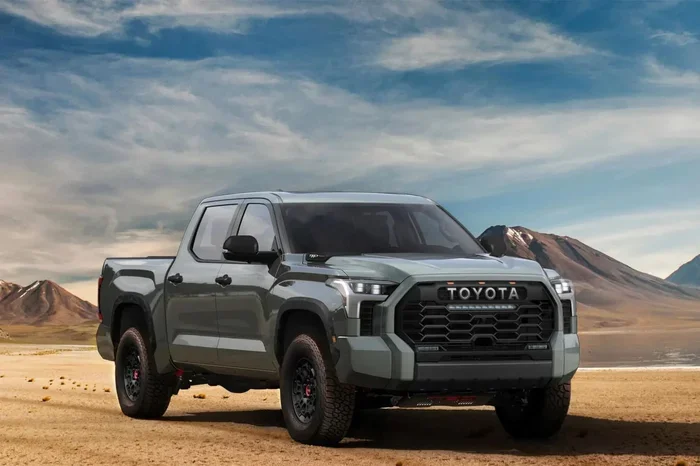
Toyota has a strong manufacturing presence in the United States and Mexico. The company operates several plants in states like Kentucky, Indiana, Texas, and Mississippi. These facilities produce popular models like the Camry, RAV4, and Highlander.
Toyota’s North American plants employ thousands of workers. They contribute significantly to local economies and supply chains. The company has invested billions of dollars in these facilities over the years. This commitment to domestic manufacturing helps Toyota serve North American customers efficiently.
Toyota in Asia, Europe, and Beyond
Beyond Japan and North America, Toyota has plants in Thailand, India, China, the United Kingdom, and many other countries. Each facility serves its regional market and sometimes exports vehicles to neighboring countries. This distributed approach gives Toyota a competitive advantage in global markets.
For example, Toyota’s Thai plants supply vehicles across Southeast Asia. Toyota’s UK plant, Toyota Manufacturing UK, produces the Auris and other models for European buyers. This global network ensures Toyota can meet demand wherever customers live.
How Toyota Maintains Quality at Scale
Building 10 million vehicles a year is impressive. But doing so without sacrificing quality is even more remarkable. Toyota has developed systems and philosophies that keep quality high even at enormous production volumes.
The Toyota Way
The Toyota Way is the company’s overarching management philosophy. It emphasizes respect for people, continuous improvement, and long-term thinking. These principles guide every aspect of Toyota’s operations, from the factory floor to the executive suite.
Workers on the assembly line are empowered to stop production if they spot a defect. This might seem counterintuitive for a company focused on speed. But it reflects Toyota’s belief that quality matters more than quantity. This approach has earned Toyota a reputation for building some of the most reliable vehicles on the road.
Quality Checks Throughout Production
Toyota builds quality checks into every stage of production. Each vehicle passes through multiple inspection points. Workers check everything from bolt torque to paint finish. Automated systems also scan for defects using advanced sensors and cameras.
Final quality checks are especially rigorous. Every vehicle undergoes a test drive off the assembly line. Technicians check for any issues before the car is cleared for shipment. This thorough process helps explain why Toyota vehicles consistently rank high in reliability surveys.
The Future of Toyota Production
Toyota is not resting on its laurels. The company continues investing in new technologies and production methods. The future of Toyota manufacturing looks bright and full of innovation.
Electrification and Hybrid Production
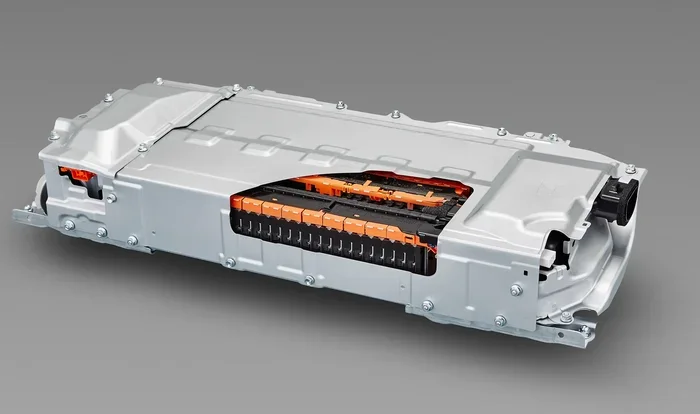
Toyota has been a leader in hybrid technology for over 25 years. The company is now expanding its investment in fully electric vehicles. New production lines are being built or upgraded to handle EV manufacturing. Toyota plans to offer electric versions of many popular models.
This shift will require significant changes to Toyota’s factories. Battery production, new assembly processes, and updated supply chains all come into play. But Toyota has faced major industry shifts before and adapted successfully each time.
Automation and Robotics
Toyota is increasingly using robotics and automation in its plants. Robots handle repetitive tasks with precision and speed. Human workers focus on more complex jobs that require judgment and creativity. This combination of human skill and robotic efficiency keeps Toyota competitive.
Looking ahead, Toyota aims to build even more vehicles with fewer resources. The company’s vision includes smarter factories that use data and AI to optimize every step. These innovations will shape how many cars Toyota makes in a day for decades to come.
Key Takeaways
- Daily Output: Toyota manufactures roughly 13,000 to 15,000 vehicles per day across all its plants worldwide.
- Annual Production: Toyota’s yearly output exceeds 10 million units, making it the biggest automaker on the planet.
- Global Factories: Toyota operates over 30 manufacturing facilities spread across Japan, North America, Europe, and Asia.
- Most Produced Models: The Corolla, RAV4, and Camry lead Toyota’s highest-volume production lines.
- Production Speed: A single Toyota assembly line can build a car every few minutes during peak operations.
- Supply Chain Power: Toyota’s legendary supply chain system keeps production running smoothly and efficiently.
- Future Growth: Toyota continues expanding production capacity to meet growing global demand for hybrid and electric vehicles.
Conclusion
Toyota’s production numbers are a testament to the company’s scale and efficiency. Every day, thousands of Toyota vehicles roll off assembly lines around the world. These vehicles reach customers in more than 170 countries. Toyota’s ability to maintain this output while delivering quality is truly remarkable.
The next time you see a Toyota on the road, remember that it is part of a massive global production network. Whether it is a Corolla, a RAV4, or a Camry, each vehicle represents years of manufacturing expertise. Toyota has built its reputation on producing vehicles that people trust and rely on every day.
Understanding how many cars Toyota makes in a day gives you a deeper appreciation for this automotive giant. From the assembly line to the showroom floor, Toyota’s journey is one of continuous improvement and relentless pursuit of excellence. The company shows no signs of slowing down. As demand for vehicles grows worldwide, Toyota stands ready to meet it with the same dedication and innovation that has defined its success for over 80 years.
If you are curious about Toyota’s production numbers, keep watching. The company continues to evolve and expand. New models, new factories, and new technologies will only increase Toyota’s impressive output. Toyota is not just building cars. It is building the future of transportation.
Frequently Asked Questions
How many cars does Toyota make in a single day?
Toyota produces approximately 13,000 to 15,000 vehicles every day across its global network of manufacturing plants. This number can fluctuate based on demand, factory schedules, and supply chain conditions. On average, Toyota builds one vehicle every few seconds somewhere in the world during a typical day.
How many cars does Toyota make in a year?
Toyota manufactures over 10 million vehicles annually, making it the world’s largest automaker by production volume. This number includes cars, trucks, SUVs, and vans across all Toyota brands and models. The exact yearly figure varies based on market conditions and production planning.
Which Toyota model is produced the most?
The Toyota Corolla holds the title of Toyota’s most produced model of all time. Over 50 million Corollas have been sold since the model was introduced. The RAV4 and Camry also rank among Toyota’s highest-volume production vehicles today.
How long does it take to build a Toyota vehicle on the assembly line?
A typical Toyota vehicle takes about 12 to 24 hours to move through the full assembly process from chassis to finished car. More complex models or vehicles with additional features may take longer. Toyota’s efficient production system keeps turnaround times short while maintaining high quality standards.
How many Toyota factories are there worldwide?
Toyota operates more than 30 manufacturing facilities across Japan, North America, Europe, Asia, and other regions. Each plant specializes in different models and serves specific markets. This global network allows Toyota to produce vehicles efficiently and deliver them to customers worldwide.
Is Toyota planning to increase production in the future?
Yes, Toyota continues to invest in expanding its production capacity. The company is building new facilities and upgrading existing ones to meet growing global demand. Toyota is also investing heavily in hybrid and electric vehicle production to stay ahead in the evolving automotive market.