How Do I Turn Off the Airbag in My RAV4 for Beginners
Turning off the airbag in your RAV4 is a task many beginners face for valid reasons like installing a rear-facing child seat or performing under-hood repairs. This guide breaks down every step in plain language so you can handle the process safely and confidently. We will walk you through the RAV4 airbag system, the different deactivation methods, and the critical safety rules you must never skip.
Turning off the airbag in your RAV4 might seem intimidating at first. But the truth is, it is a straightforward process once you understand the basics. Whether you are a first-time RAV4 owner or someone who has never touched the SRS airbag system before, this guide will walk you through everything you need to know.
The RAV4 airbag system is one of the most important safety features in your vehicle. It is designed to protect you and your passengers during a collision. However, there are specific situations where you need to temporarily or permanently deactivate the airbag. The most common reason is installing a rear-facing child seat in the front passenger seat. Other reasons include working on the steering column, replacing the airbag module, or handling certain dashboard repairs.
This article covers every method, every safety precaution, and every common mistake to avoid. By the end, you will feel confident and prepared to handle the job the right way. Let us dive in.
Key Takeaways
- Know Your Why: Always understand the reason for airbag deactivation before starting any work on your RAV4.
- Use the Passenger Airbag Switch: Most RAV4 models have a dedicated switch to disable the front passenger airbag safely.
- Disconnect the Battery Properly: If you need to work on the SRS airbag system, disconnecting the battery is a critical first step.
- Wait 10 Minutes: Always wait at least 10 minutes after disconnecting the battery to let the airbag capacitor discharge fully.
- Never Skip Safety Steps: Skipping precautions can lead to accidental airbag deployment or serious injury.
- See a Professional When Needed: Complex airbag module issues are best handled by a certified Toyota technician.
📑 Table of Contents
Why You Might Need to Turn Off the Airbag in Your RAV4
Before you touch anything under the hood or inside the cabin, it helps to understand why you are doing this. The Toyota airbag reset process is not something you should do casually. There are specific, legitimate reasons for airbag deactivation, and knowing them keeps you and your passengers safe.
Installing a Rear-Facing Child Seat
This is the number one reason most RAV4 owners need to turn off the passenger airbag. When a rear-facing child seat is placed in the front passenger seat, the airbag deployment can cause serious harm to the child during a collision. The force of the airbag inflating is too strong for a small child. Toyota built a simple switch into most RAV4 models to handle exactly this situation.
You will find the airbag switch on the passenger side of the dashboard. It is usually near the glove box or on the side of the instrument panel. Switching it to the off position disables the front passenger airbag. This is the safest and easiest method for everyday use.
Working on the Airbag System Itself
If you are replacing an airbag sensor, repairing the steering column, or working near the airbag connector, you must fully deactivate the system. Working on a live SRS airbag system is extremely dangerous. A accidental deployment can cause serious injury or even be fatal.
In these cases, simply flipping the passenger switch is not enough. You need to follow a full Toyota airbag reset procedure that involves disconnecting the battery and waiting for the system to fully power down. We will cover this in detail in the next section.
Clearing the Airbag Warning Light
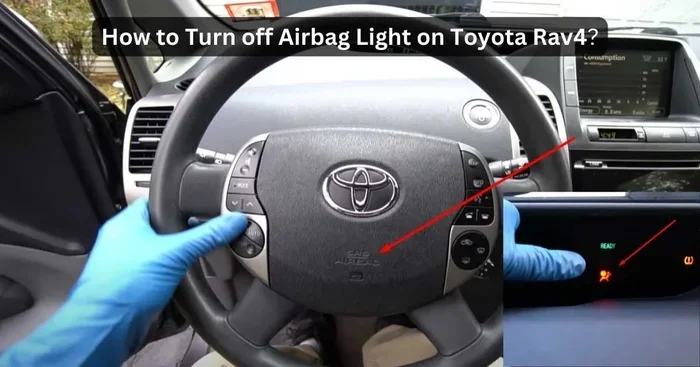
Sometimes the airbag warning light on your Toyota RAV4 dashboard stays on even after you have fixed the underlying problem. In these cases, you may need to reset the system. However, you should always address the root cause first. Simply turning off the light without fixing the real issue is dangerous and defeats the purpose of the RAV4 safety features.
If you have already repaired the problem and the light remains, you can clear it following the proper reset procedure. For more help with dashboard warning lights in general, you can read our guide on how to clear a check engine code for related troubleshooting tips.
Understanding the RAV4 Airbag System
Before you attempt any airbag deactivation, it helps to understand how the system works. The more you know about your RAV4 airbag system, the safer and more confident you will feel during the process.
How the SRS System Works
The Supplemental Restraint System, or SRS, is the official name for your vehicle’s airbag setup. It works alongside your seatbelts to provide maximum protection during a crash. The system uses a network of airbag sensors placed throughout the vehicle to detect sudden deceleration or impact.
When a collision is detected, the airbag control module sends an electrical signal to the airbag inflators. This causes the airbags to deploy in milliseconds. The entire process happens faster than the blink of an eye. The system is always monitoring itself, which is why you see the SRS warning light on your dashboard when there is an issue.
Common Airbag Warning Signs
Your RAV4 will tell you when something is wrong with the airbag system. Here are the most common warning signs to watch for:
- The airbag light stays illuminated on the dashboard after startup
- A flashing or blinking light on the instrument panel
- The airbag warning message appears on the Toyota RAV4 dashboard display
- You hear a clicking or buzzing sound from the steering column
- The passenger airbag off indicator does not respond when you toggle the switch
If you notice any of these signs, do not ignore them. The airbag sensor may be malfunctioning, or there could be an issue with the airbag module wiring. Addressing these problems early keeps your RAV4 safety features working properly.
For general guidance on identifying components under the hood, check out our article on how to identify the location of the air filter box under the hood. Understanding your engine bay layout helps with many maintenance tasks.
Step-by-Step Guide to Turning Off the Airbag in Your RAV4
Now that you understand the why and the how the system works, let us get into the actual steps. There are two main methods for turning off the airbag in my RAV4. Which one you use depends on your reason and your RAV4 model year.
Method 1: Using the Passenger Airbag Switch
This is the simplest and most common method. Most Toyota RAV4 models built after 2006 come equipped with a passenger airbag deactivation switch. Here is how to use it:
- Turn off the engine. Make sure the vehicle is completely powered down and the key is removed from the ignition.
- Locate the switch. Look on the passenger side of the dashboard, usually near the glove box or the side of the instrument panel. You may need to feel along the lower edge of the dash.
- Check the indicator. The switch has a small light that shows whether the passenger airbag is on or off. When the light is off, the airbag is disabled.
- Toggle the switch. Use a key or a small object to flip the switch to the off position. You should see the indicator light turn on, confirming the airbag is now deactivated.
- Verify the change. Start the engine and confirm the airbag warning light on the dashboard now shows the passenger airbag is off.
This method is perfect for everyday situations like installing a rear-facing child seat. It is quick, safe, and fully reversible. When you are done, simply flip the switch back to on.
Method 2: Disconnecting the Battery for Full System Shutdown
If you are performing repairs on the SRS airbag system itself, the passenger switch is not enough. You need to fully disconnect the battery to ensure no electrical current reaches the airbag components. Here is the proper procedure:
- Turn off the engine and remove the key. Make sure the vehicle is completely off.
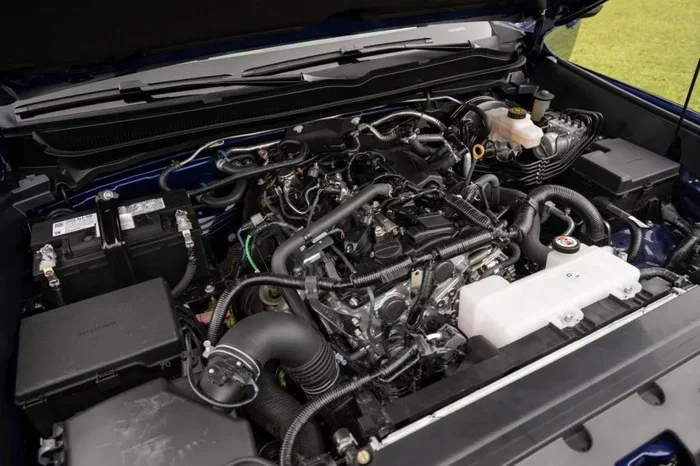
- Open the hood. Locate the negative terminal on the battery. It is usually marked with a minus sign and has a black cable.
- Disconnect the negative cable. Use a wrench to loosen the nut on the negative terminal and carefully remove the cable. Tuck it away from the battery so it cannot accidentally reconnect.
- Wait at least 10 minutes. This is critical. The airbag capacitor stores electrical energy even after the battery is disconnected. Waiting 10 minutes ensures the capacitor fully discharges and the system is safe to work on.
- Verify the system is dead. You can check the airbag control module by using a diagnostic tool or simply waiting the full 10 minutes. Do not touch any airbag components until the waiting period is complete.
- Reconnect the battery when finished. Once your work is done, reconnect the negative cable and tighten it securely. Start the engine and check that the SRS warning light turns off after a few seconds.
If you are not comfortable working with the battery, you can also refer to our guide on how to check your car battery for helpful tips on battery maintenance and safety.
Comparing the Two Methods
Here is a quick look at how the two methods compare:
| Feature | Passenger Airbag Switch | Battery Disconnect |
|---|---|---|
| Best For | Child seats, daily use | Repairs, module work |
| Difficulty | Easy | Moderate |
| Time Required | 1 minute | 15+ minutes |
| Reversibility | Instant | After reconnecting battery |
| Safety Level | Very safe | Safe if done correctly |
| Covers All Airbags | No, passenger only | Yes, entire SRS system |
As you can see, the battery disconnect method is more thorough but also more involved. Use it only when you are working on the airbag system itself. For everyday needs, the passenger switch is all you need.
Safety Precautions You Must Follow
Working with the airbag system demands respect and caution. The airbag deployment force is powerful enough to cause serious injury. Follow these safety rules every single time.
What Never to Do
- Never work on the airbag system with the battery connected. This is the single most dangerous mistake you can make. Even a small accidental trigger can deploy the airbag with extreme force.
- Never skip the 10-minute waiting period. The airbag capacitor holds a charge long after you disconnect the battery. Do not rush this step.
- Never place tools or objects near the airbag connectors while the system is live. A accidental contact can cause deployment.
- Never ignore the SRS warning light. If the light stays on after you reconnect everything, there is still an issue that needs attention.
When to See a Professional
There are times when calling a professional is the smartest choice. If you are unsure about any step, if the airbag control module needs replacement, or if the SRS warning light remains on after your work, seek help from a certified Toyota technician. You can also visit your local Toyota dealership for professional Toyota RAV4 maintenance.
For more guidance on dashboard warning lights and how to address them, check out our article on how to get rid of the engine management light. Many of the same diagnostic principles apply to the SRS system.
Common Mistakes to Avoid When Turning Off the Airbag
Even experienced DIYers make mistakes with the airbag deactivation process. Here are the most common errors and how to avoid them.
Forgetting to Wait After Battery Disconnect
This is the biggest mistake people make. They disconnect the battery, wait 30 seconds, and immediately start touching wires near the airbag. The capacitor may still hold enough charge to deploy the airbag. Always wait the full 10 minutes, no exceptions.
Reconnecting the Battery Too Quickly
After you finish your work, do not rush to reconnect the battery and start the engine. Double-check all your connections, make sure tools are removed from the engine bay, and then reconnect. A sudden power surge can damage the airbag module or trigger an accidental deployment.
Not Recording the Original Settings
Before you make any changes, take a photo or write down the original settings. This makes it much easier to reverse the process later. You do not want to spend hours trying to remember how everything was connected.
Ignoring the Owner’s Manual
Your Toyota RAV4 owner’s manual contains specific instructions for airbag deactivation that are tailored to your exact model year. Always consult the manual before starting any work. It will tell you the exact location of the airbag switch and any model-specific precautions.
Expert Tips for RAV4 Owners
Here are some practical tips from experienced Toyota owners and technicians to make your airbag reset process smoother and safer.
- Keep a notebook in your glove box. Write down the date and reason every time you deactivate the airbag. This is helpful for future reference and resale value.
- Use the right tools. A simple wrench and a small flathead screwdriver are all you need for most airbag switch operations. Do not use power tools near the airbag components.
- Work in a dry, well-lit area. Moisture and poor visibility increase the risk of accidental contact with live electrical components.
- Keep your phone nearby. If something goes wrong or you feel unsure, you can call a friend, a tow service, or a Toyota dealer for help immediately.
- Perform regular Toyota RAV4 maintenance. Keeping your vehicle well-maintained reduces the likelihood of airbag system issues in the first place. Regular inspections catch problems early.
Remember, the RAV4 airbag system is there to protect you and your loved ones. Treat it with respect, follow every safety step, and never take shortcuts. When in doubt, a professional Toyota technician is always a phone call away.
Conclusion
Turning off the airbag in your RAV4 is a task that requires patience, caution, and a clear understanding of the process. Whether you are using the passenger airbag switch for a child seat or performing a full battery disconnect for repairs, following the right steps keeps everyone safe.
Always start by identifying your reason for airbag deactivation. Use the passenger switch for simple, everyday needs. Reserve the battery disconnect method for actual repairs and system work. And never, ever skip the safety precautions. Your RAV4 safety features are engineered to save lives, and handling them with care ensures they will continue to do so for years to come.
Take your time, follow this guide step by step, and do not hesitate to reach out to a professional if anything feels uncertain. Your safety and the safety of your passengers always come first.
Frequently Asked Questions
Can I drive my RAV4 with the airbag turned off?
You can drive short distances with the passenger airbag turned off, especially when transporting a rear-facing child seat. However, driving long distances or at high speeds with the airbag disabled is not recommended. The airbag is a critical safety device, and you should reactivate it as soon as it is safe to do so.
How do I know if the airbag switch is working properly?
When you toggle the switch, the indicator light on the dashboard should change. If the light does not respond or the airbag warning light stays on, the switch may be faulty. In that case, have a certified Toyota technician inspect the SRS airbag system as soon as possible.
What happens if the airbag deploys accidentally during deactivation?
If the airbag deploys accidentally, it can cause serious injury. This is why waiting the full 10 minutes after disconnecting the battery is so important. If an accidental deployment does occur, do not touch the airbag module or connectors until a professional has inspected the system.
Do I need special tools to turn off the airbag in my RAV4?
No special tools are needed for the passenger airbag switch method. A small key or flathead screwdriver is usually enough. For the battery disconnect method, you simply need a standard wrench to loosen the battery terminal nut. No specialized equipment is required.
Will turning off the airbag void my Toyota warranty?
Using the factory-installed passenger airbag switch for its intended purpose will not void your warranty. However, improper handling of the airbag module or airbag connector can cause issues that may not be covered. Always follow the procedures outlined in your Toyota service manual and consult a dealer if you are unsure.
How often do I need to reset the airbag system after repairs?
You only need to reset the airbag control module after completing repairs that involved disconnecting the battery or removing airbag components. Once you reconnect the battery and start the engine, the system performs a self-check. If the SRS warning light goes off after a few seconds, the reset was successful. If it stays on, further diagnosis is needed.