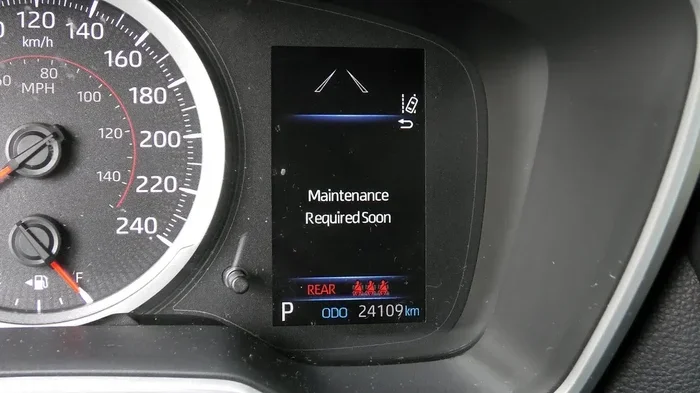
How Do I Reset My Toyota Warning Light Step by Step
Resetting your Toyota warning light is easier than most drivers think. Whether it is a check engine light, a maintenance reminder, or a mysterious dashboard symbol, this guide walks you through every step. You will learn what each light means, the right tools to use, and when to seek help instead of resetting.
Dashboard warning lights can make anyone feel a little uneasy. You are driving along, minding your own business, and suddenly a symbol lights up on your Toyota dashboard. Your heart skips a beat. What does it mean? Should you pull over right now? Can you just reset my Toyota warning light and keep going?
Here is the truth. Some warning lights are no big deal. Others are serious. And knowing the difference can save you time, money, and a lot of stress. This guide will show you exactly how to handle Toyota warning lights like a pro. We will cover what each light means, how to reset them the right way, and when you should actually visit a mechanic instead of trying to fix it yourself.
Whether you drive a Toyota Camry, a Toyota RAV4, or a Toyota Highlander, the steps below apply to most Toyota models. We kept things simple on purpose. No confusing jargon. No unnecessary fluff. Just clear, practical advice you can use right away.
Key Takeaways
- Know your lights: Not every Toyota warning light needs a reset. Some signal real problems that require immediate attention.
- Reset methods vary: Different Toyota models use different reset procedures, from steering wheel buttons to OBD2 scanners.
- Use the right tools: An OBD2 scanner makes resetting faster and more accurate for most Toyota vehicles.
- Do not ignore flashing lights: A flashing warning light often means a serious issue that needs a mechanic.
- Prevention matters: Regular maintenance and timely repairs help keep warning lights from returning.
- Safety first: Always pull over safely if a red warning light appears on your dashboard.
📑 Table of Contents
- Understanding Toyota Warning Lights
- Common Toyota Warning Lights and What They Mean
- How To Reset Your Toyota Warning Light Step by Step
- When You Should NOT Reset a Warning Light
- Tools You Need To Reset Toyota Warning Lights
- Preventing Warning Lights From Coming Back
- When to See a Professional Mechanic
- Conclusion
Understanding Toyota Warning Lights
Before you learn how to reset anything, you need to understand what those little symbols on your dashboard actually mean. Toyota uses a color-coded system. Each color tells you how urgent the issue is. Once you know the system, you will never second-guess yourself again.
Red Warning Lights
Red lights mean stop and pay attention right now. These are the most serious alerts on your Toyota dashboard warning lights. If you see a red light, do not ignore it. Pull over safely and figure out what is going on.
Common red Toyota warning lights include:
- Oil pressure warning — This means your oil level is too low or oil pressure has dropped. Driving without enough oil can destroy your engine.
- Brake system alert — This could mean your parking brake is on, or there is a real problem with your brakes. Check your brake fluid and pads.
- Battery or charging warning — Your battery may be dying or the charging system has a fault. You might need to check your car battery soon.
- Airbag warning — A problem with your airbags is no joke. Get this checked immediately.
Yellow or Amber Warning Lights
Yellow lights are less urgent than red ones, but they still matter. A yellow check engine light Toyota drivers often see means something needs attention, but it is not always an emergency. Still, you should not just ignore it and hope it goes away.
Common yellow Toyota warning lights include:
- Check engine light — This is the most common yellow light. It can be triggered by something simple like a loose gas cap or something more serious like a misfire.
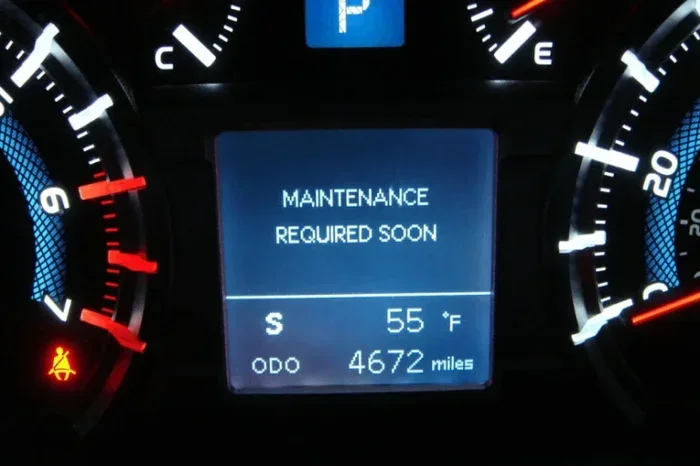
- Maintenance required light — This is just a reminder that your Toyota is due for an oil change or scheduled service.
- Tire pressure warning — One or more tires may be underinflated. This affects fuel economy and safety.
Green and Blue Informational Lights
Green and blue lights are not warnings at all. They simply tell you that a system is active. For example, a blue headlight icon means your high beams are on. A green eco light means your hybrid or fuel-saving mode is active. These lights do not need any reset action from you.
Common Toyota Warning Lights and What They Mean
Let us dive deeper into the most common warning lights Toyota owners see. Understanding these symbols is the first step toward knowing whether you can reset Toyota warning light alerts yourself or if you need a professional.
The Check Engine Light
The check engine light is the one that makes everyone nervous. It can come on for hundreds of different reasons. Sometimes it is as simple as a gas cap that is not screwed on tight. Other times, it points to a real engine problem.
If your check engine light Toyota comes on and stays steady, you have some time to figure out what is going on. But if it is flashing, that is different. A flashing check engine light usually means a serious misfire that could damage your catalytic converter. In that case, pull over and get your car towed to a shop.
You can read more about clearing check engine codes in our article on how to clear a check engine code. That guide covers the tools and steps you need in detail.
The Maintenance Required Light
This light is basically Toyota telling you, “Hey, it is time for an oil change!” It is not a sign of a broken part. It is a scheduled maintenance reminder. Resetting this light after you have serviced your Toyota is perfectly normal and expected.
If you want to learn more about driving safely with this light on, check out our guide can I drive with maintenance required light on Toyota.
The Engine Management Light
The engine management light is similar to the check engine light but often indicates a broader issue with your engine’s computer system. If this light stays on, your Toyota may not be running at its best. You might notice reduced fuel economy or rough idling. You can find more details on getting rid of this light in our article how to get rid of the engine management light.
How To Reset Your Toyota Warning Light Step by Step
Now for the part you have been waiting for. Here is exactly how to reset your Toyota warning light, step by step. The method you use depends on what type of light is on and which Toyota model you drive.
Method 1: The Steering Wheel Reset Button
Many Toyota models have a reset button on the steering wheel or dashboard area. This works great for the maintenance required light and some other minor alerts. Here is how to do it:
- Turn your ignition to the “ON” position without starting the engine.
- Locate the reset button. On most Toyotas, it is near the steering column or on the dashboard itself.
- Press and hold the reset button for about 10 seconds.
- Release the button. The light should turn off.
- Start the engine and check if the light stays off.
If the light comes back on after a few days, the underlying issue has not been fixed. You will need to address the real problem first.
Method 2: Using the Trip Meter Reset
Some Toyota models let you reset the maintenance light through the trip meter. This method works well for Toyota Camry, RAV4, and Highlander models. Here is what to do:
- Turn the ignition to the “ON” position.
- Press the trip meter reset button until the odometer display shows the maintenance interval.
- Turn the ignition to the “OFF” position.
- Press and hold the trip meter reset button.
- While holding the button, turn the ignition back to “ON.”
- Keep holding the button for about 10 seconds until the light resets.
This method works for Toyota maintenance light reset on many older and mid-range models. If it does not work for your specific year, try the next method below.
Method 3: Using an OBD2 Scanner
An OBD2 scanner is the most reliable tool for resetting warning lights. It reads the error codes stored in your Toyota’s computer system and lets you clear them. Here is how it works:
- Buy or borrow an OBD2 scanner. You can find them at auto parts stores for under $50.
- Locate the OBD2 port on your Toyota. It is usually under the steering column on the driver’s side.
- Plug the scanner into the port.
- Turn the ignition to “ON” and follow the scanner’s prompts.
- Read any stored error codes first. Write them down.
- Clear the codes using the scanner menu.
- Disconnect the scanner and start the engine.
Using an OBD2 scanner is the best way to handle a Toyota warning light reset because it tells you exactly what triggered the light in the first place. If you want more details on this process, our article on clearing check engine codes has additional tips and troubleshooting steps.
Method 4: Disconnecting the Battery
Some people reset warning lights by disconnecting the car battery. This clears all stored codes and resets the computer. Here is how:
- Turn off the engine and all electronics.
- Open the hood and locate the battery.
- Using a wrench, disconnect the negative (black) terminal first.
- Wait for about 15 minutes.
- Reconnect the negative terminal and tighten it securely.
- Start the engine and check if the light is off.
Be careful with this method. Disconnecting the battery can also reset your radio presets, clock, and other settings. In some newer Toyota models, this method may not work at all because the computer stores codes in non-volatile memory.
Method 5: Using Toyota Techstream Software
For Toyota owners who want professional-level diagnostics, Toyota Techstream is the way to go. This is Toyota’s official diagnostic software. It works with a compatible laptop or tablet and a special adapter. Techstream lets you read and clear codes, perform tests, and even reprogram certain modules. It is the tool dealerships use. If you want the most thorough reset possible, this is the method to use.
When You Should NOT Reset a Warning Light
Here is an important point many drivers miss. You should not always reset a warning light. Sometimes the light is trying to protect you. Resetting it without fixing the real problem can lead to bigger issues and even expensive repairs down the road.
Red Lights That Mean Stop Immediately
Never reset a red warning light without understanding why it came on. Red lights for oil pressure, brakes, and battery problems are not something you should ignore. If you clear these lights and keep driving, you could cause serious engine or brake damage.
When the Light Keeps Coming Back
If you reset a warning light and it comes back within a few days, that is a clear sign something is wrong. The light is not broken. Your car is telling you there is a real problem. Keep a note of the light and take your Toyota to a trusted mechanic. Ignoring this can turn a small repair into a big one.
Before an Emissions Test
If you are resetting a check engine light to pass an emissions test, think again. Most states now connect emissions testing computers directly to your vehicle’s OBD2 system. If a code is stored, the test will fail. Fix the underlying issue first, then reset the light. This is the honest and safe approach.
Tools You Need To Reset Toyota Warning Lights
Having the right tools makes the reset process much easier. Here is a list of what you might need depending on your situation:
- OBD2 Scanner — The most useful tool for any Toyota owner. It reads and clears error codes quickly.
- Basic hand tools — A wrench set for battery terminal work and other simple tasks.
- Toyota Techstream software — For advanced diagnostics and resets.
- A good flashlight — Dashboard areas can be dark, and you need to see what you are doing.
- Your Toyota owner’s manual — This is your best friend. It has model-specific instructions for every warning light and reset procedure.
If you are not sure what is triggering a warning light, start by checking simple things. A loose gas cap, low tire pressure, or a dying battery can all cause dashboard alerts. Our guide on how to check your car battery can help you rule out battery-related warning lights quickly.
Preventing Warning Lights From Coming Back
The best way to deal with Toyota warning lights is to prevent them from coming back in the first place. Here are some practical steps you can take to keep your dashboard clean and your Toyota running smoothly.
Keep Up With Regular Maintenance
Follow Toyota’s recommended maintenance schedule. Change your oil on time, replace your air filter when needed, and keep up with tire rotations. Regular maintenance prevents many common issues that trigger warning lights.
Check Your Gas Cap
This sounds silly, but a loose or cracked gas cap is one of the top reasons the check engine light comes on. Make sure your gas cap clicks tight every time you fill up. If the cap is damaged, replace it. A new gas cap costs just a few dollars.
Address Small Problems Early
Do not ignore small issues. A strange noise, a slight vibration, or a momentary warning light is your car asking for help. The sooner you address small problems, the less likely they are to turn into big, expensive repairs.
Use Quality Parts and Fluids
Using the right oil, the correct tire pressure, and genuine Toyota parts goes a long way. Cheap or wrong parts can trigger warning lights and cause performance issues. If you are unsure about what fluids or parts to use, your Toyota owner’s manual has all the specifications you need.
Keep Your Hybrid Battery Healthy
If you drive a Toyota hybrid, your hybrid battery health affects many systems on your car. A failing hybrid battery can trigger multiple warning lights. You can learn how to keep your hybrid battery in great shape in our article on how to keep your hybrid battery healthy.
Taking these preventive steps will not only keep warning lights away but also extend the life of your Toyota. A little maintenance now saves you a lot of trouble later.
When to See a Professional Mechanic
There is absolutely no shame in visiting a mechanic. Some warning lights require professional tools and expertise to diagnose properly. Here are situations where you should definitely seek expert help:
- The check engine light is flashing.
- Multiple warning lights are on at the same time.
- You notice a burning smell, smoke, or fluid leaks.
- Your Toyota is making unusual sounds or vibrating.
- You have tried resetting the light but it keeps coming back.
- You are not comfortable working under the hood.
A good mechanic can diagnose the root cause quickly and fix the problem properly. If you are wondering about repair costs, our articles on how much mechanics make per hour and how much most mechanics make an hour can give you a better idea of what to expect when you visit a shop.
Conclusion
Resetting your Toyota warning light does not have to be scary or complicated. With the right knowledge and the right tools, you can handle most dashboard alerts yourself. Just remember to understand what each light means first. Red lights demand immediate attention. Yellow lights need a check-up soon. And green or blue lights are just informational.
Use the reset methods in this guide to clear your Toyota warning light safely. But always fix the underlying problem first. A reset is only a temporary solution if the real issue is still there. Keep up with regular maintenance, use quality parts, and do not ignore the signs your car gives you.
Your Toyota is a reliable machine. With a little care and attention, you can keep it running smoothly for years to come. Now you have the knowledge to handle those dashboard lights with confidence. Drive safe and keep learning!
Frequently Asked Questions
Can I drive my Toyota if a warning light is on?
If the light is yellow and steady, you can usually drive carefully to a repair shop. But if it is a red light or flashing, pull over safely and do not keep driving. Red lights often signal serious problems like low oil pressure or brake issues that can cause major damage if ignored.
How much does it cost to reset a Toyota warning light?
If you use an OBD2 scanner yourself, the cost is just the price of the scanner, which starts around $20. If you visit a mechanic, the diagnostic fee typically ranges from $50 to $150 depending on your location and the complexity of the issue.
Why does my Toyota warning light keep coming back after I reset it?
This means the underlying problem has not been fixed. The car’s computer detects the same issue again after the reset. You need to diagnose and repair the actual cause. A persistent warning light should always be checked by a professional.
Will disconnecting my battery reset all Toyota warning lights?
It may reset some lights, but not all of them. Newer Toyota models store codes in memory that survives a battery disconnect. Also, disconnecting the battery resets your radio, clock, and other settings, which can be annoying. An OBD2 scanner is a better option.
How do I know if my Toyota warning light is serious?
Check the color. Red means stop immediately. Yellow or amber means get it checked soon. Green and blue are just informational. Also, if the light is flashing, it usually indicates a more urgent problem than a steady light.
What is the best OBD2 scanner for Toyota warning lights?
Basic OBD2 scanners from brands like Innova, Autel, or BlueDriver work great for most Toyota owners. If you want deeper diagnostics, the Toyota Techstream software provides the most comprehensive coverage for Toyota and Lexus vehicles.