What to Do If Your Key Fob Battery Runs Out
When your key fob battery runs out, you can still start your car and get back on the road. This guide walks you through every step, from identifying the dead battery to replacing it yourself and knowing when to seek professional help. You will learn quick fixes, battery types, and tips to keep your key fob working reliably.
There is nothing more frustrating than standing by your car, pressing the key fob buttons, and getting nothing in return. You are late for work, running errands, or heading out on a weekend trip, and your key fob battery has died. The good news? You are not stuck. In most cases, you can still start your car, get home safely, and replace the battery in minutes.
This guide covers everything you need to know when your key fob battery runs out. We will walk you through the signs of a dying battery, the backup ways to start your car, how to replace the battery yourself, and when to call for help. Whether you drive a Toyota, Honda, Ford, or any other brand, the steps are mostly the same.
By the end of this article, you will feel confident handling a dead key fob battery on your own. No more panic, no more waiting for a tow truck. Let us get into it.
Key Takeaways
- You can still drive: Most cars have a backup method to start the vehicle even when the key fob battery is completely dead.
- Battery replacement is easy: Swapping out the battery takes just a few minutes and costs under $5 in most cases.
- Know your battery type: The most common key fob battery is the CR2032, but always check your owner’s manual to be sure.
- Reset may be needed: After replacing the battery, some vehicles require a simple reset to restore full functionality.
- Preventive steps save hassle: Replacing your key fob battery every 2 to 3 years avoids unexpected surprises.
- Dealerships and auto shops can help: If you are unsure, many dealerships and stores like AutoZone can assist with key fob battery replacement.
📑 Table of Contents
- Signs Your Key Fob Battery Is Dying
- Can You Still Start Your Car With a Dead Key Fob?
- How to Replace Your Key Fob Battery
- What to Do After Replacing the Battery
- Can You Replace a Key Fob Cover or Shell?
- When to Seek Professional Help
- How to Prevent Key Fob Battery Problems
- Common Mistakes People Make With Dead Key Fobs
- How Far Can You Drive With a Dead Key Fob?
- Key Fob Battery Types Compared
- Final Thoughts
Signs Your Key Fob Battery Is Dying
Before your key fob battery completely dies, it usually gives you warning signs. Catching these early can save you from being stranded. Here are the most common indicators that your key fob battery is low:
- Reduced range: You have to stand closer to your car for the remote to work. If you used to unlock your car from 30 feet away and now it only works at 5 feet, that is a clear sign.
- Delayed response: Pressing the button takes longer than usual to trigger the lock or unlock action.
- Intermittent working: The key fob works sometimes but not always. One day it functions perfectly, and the next day it does nothing.
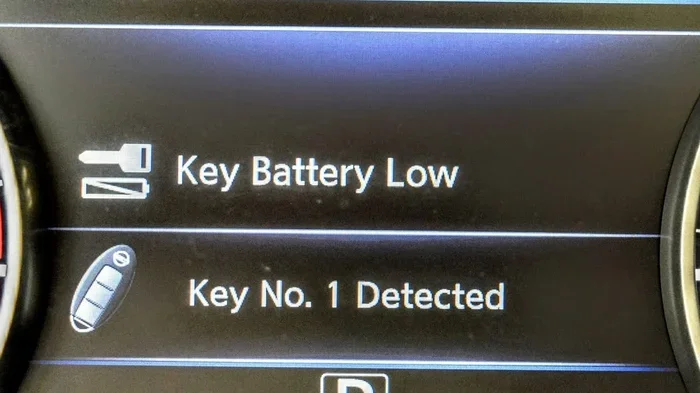
- Warning light on the dashboard: Many modern vehicles display a key fob or battery warning symbol on the instrument cluster.
- Buttons feel weak: The buttons seem less responsive or require more pressure than before.
If you notice any of these signs, it is a good idea to replace the battery soon. Do not wait until the fob stops working completely. Proactive replacement keeps you from getting caught off guard.
Can You Still Start Your Car With a Dead Key Fob?
Yes, you absolutely can. Most modern vehicles with push button start systems have a built-in backup method. Car manufacturers know that batteries die, so they design a fallback option into every vehicle. Here is how it works for most cars:
The Hidden Key Blade
Most key fobs contain a hidden mechanical key blade. You can pop it out by pressing a small button or sliding a latch on the side of the fob. Once you have the physical key, you can use it to unlock the driver’s door.
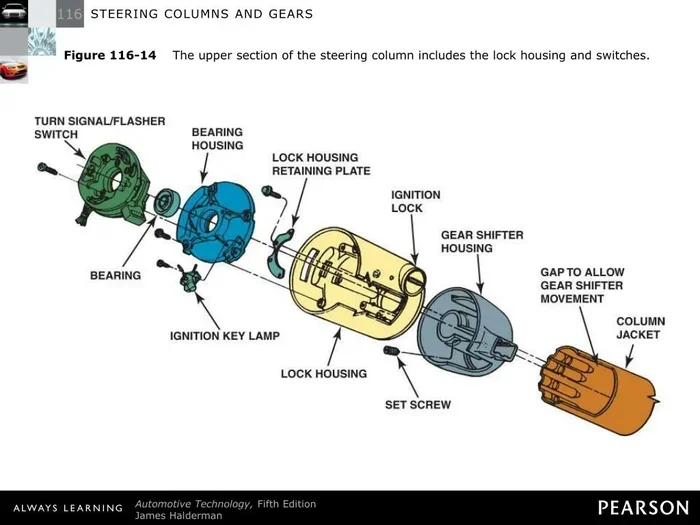
After entering the vehicle, look for a designated spot on the steering column, center console, or cup holder. This is the key fob backup start location. Place the dead fob against this spot and press the start button. The car reads the fob’s internal chip even without a working battery.
Different Car Brands, Different Spots
Every manufacturer places the backup start zone in a different location. Here is a quick reference:
- Toyota and Lexus: Place the fob on the start button or the steering column area.
- Honda: Put the fob on the lower right side of the steering column.
- Ford: Place the fob in the cup holder or on the start button.
- Chevrolet: Put the fob on the steering column or the console area near the gear shift.
- Nissan: Place the fob on the start button or the dashboard near the driver.
Check your owner’s manual for the exact location in your specific model. This simple knowledge can save you a lot of stress on a busy morning.
How to Replace Your Key Fob Battery
Replacing the battery in your key fob is one of the easiest car maintenance tasks you can do. You do not need any special tools or technical skills. Most people complete the process in under five minutes.
Step-by-Step Battery Replacement
- Identify the battery type: The most common key fob battery is the CR2032. You can find this information in your owner’s manual or printed on the old battery itself. Check if a CR2032 works for your Toyota key fob to make sure you get the right match.
- Open the fob casing: Use the hidden key blade or a small flathead screwdriver to pry open the fob. Look for a seam along the edge and gently twist to separate the two halves.
- Remove the old battery: Note which side the battery sits on and which direction the positive side faces. Use a small tool or your fingernail to pop the old battery out carefully.
- Insert the new battery: Place the new battery in the same orientation as the old one. Make sure it sits flush and secure in the compartment.
- Snap the fob back together: Align both halves and press firmly until you hear a click. The fob should feel solid and snug.
- Test the fob: Stand near your car and press the lock and unlock buttons. If the car responds, you are all set.
Where to Buy Replacement Batteries
Key fob batteries are available almost everywhere. You can pick one up at grocery stores, pharmacies, convenience stores, and auto parts shops. A CR2032 battery typically costs between $1 and $5. AutoZone can also help with key fob batteries if you prefer having someone assist you.
Pro tip: Buy a pack of two or three batteries. They have a long shelf life, and having spares on hand means you are always prepared.
What to Do After Replacing the Battery
Once you have swapped in the new battery, your key fob should work right away. But in some cases, you may need to take an extra step. Some vehicles require a reset after replacing the key fob battery to fully restore all functions. This is especially common with newer models that have advanced security features.
Here are a few things to check after replacing your battery:
- Test all buttons: Lock, unlock, trunk release, panic alarm, and any remote start functions.
- Check the range: Walk a few feet away from the car and test the fob from different distances.
- Verify the backup start: Even though the battery is new, make sure the car still recognizes the fob at the backup start location.
- Look for error messages: Check your dashboard for any warning lights related to the key fob system.
If everything works normally, you are good to go. If not, try replacing the battery again to make sure it is seated properly. Sometimes a new battery has a protective film that needs to be removed. If the problem persists, there are a few things you should do after replacing a key fob battery to ensure full functionality.
Can You Replace a Key Fob Cover or Shell?
Over time, key fob casings can crack, chip, or wear out. A damaged fob shell can expose the internal electronics to moisture and dust, which can cause problems beyond just a dead battery. The good news is that you can replace a key fob cover in most cases.
Replacement shells are available online for most car models. They usually cost between $5 and $15. You simply pop open the fob, transfer the circuit board and battery into the new shell, and snap it closed. This is a great way to extend the life of your key fob, especially if the original casing is showing signs of heavy wear.
When to Seek Professional Help
Most key fob battery issues are simple to fix on your own. However, there are situations where professional help is the right call. You should consider visiting a dealer or a qualified locksmith if:
- The fob still does not work after a new battery: This could indicate a deeper electrical issue or a damaged circuit board inside the fob.
- The car does not recognize the fob at all: Even with the backup start method, if your vehicle refuses to detect the fob, there may be a programming issue.
- The fob is physically damaged: If the casing is cracked and internal components are exposed or broken, a new battery will not fix the problem.
- You need a new key fob entirely: If the fob is lost or beyond repair, a dealership can program a replacement. Some dealerships replace key fob batteries for free, so it is worth asking before purchasing a whole new fob.
Dealerships and qualified locksmiths have the tools and expertise to diagnose and fix complex key fob problems. They can also reprogram your fob if needed. While this service typically costs more than a DIY battery swap, it ensures everything is done correctly and safely.
How to Prevent Key Fob Battery Problems
The best way to deal with a dead key fob battery is to avoid it happening in the first place. Here are some simple habits that keep your fob working reliably:
- Replace the battery on a schedule: Most key fob batteries last 2 to 3 years. Mark your calendar or set a phone reminder to replace the battery proactively.
- Keep spare fobs handy: If you have a second key fob, store it in a safe place at home. When one battery dies, you can use the other while you replace it.
- Avoid extreme temperatures: Heat and cold can drain key fob batteries faster. Do not leave your fob on the dashboard in direct sunlight or in your car during freezing weather.
- Use the fob regularly: A fob that sits unused for long periods may develop drainage issues. Regular use helps maintain the battery charge.
- Buy quality batteries: Stick with well-known brands like Duracell or Energizer for consistent performance and longer life.
These small habits take almost no effort but can save you from the inconvenience of a dead fob at the worst possible moment.
Common Mistakes People Make With Dead Key Fobs
When your key fob stops working, it is easy to make mistakes out of frustration. Here are some common errors to avoid:
- Assuming the car is completely dead: A dead fob battery does not mean your car battery is dead. These are two separate systems. Your car will start even with a completely dead fob.
- Using the wrong battery type: Not all key fobs use CR2032 batteries. Some use CR2025 or other types. Always double-check before purchasing a replacement.
- Forgetting to remove the protective film: New batteries sometimes come with a small plastic film on the negative side. If you do not remove it, the fob will not work.
- Ignoring the backup start method: Many people do not know their car has a backup start location. This knowledge alone can save you from calling a tow truck.
- Delaying the replacement: Putting off a battery swap can lead to being stranded. Replace the battery at the first sign of weakness.
Avoiding these mistakes keeps you moving and reduces unnecessary stress.
How Far Can You Drive With a Dead Key Fob?
Once your car is running, a dead key fob generally does not affect your driving. The engine will continue to run normally. However, you may lose access to certain features that rely on the fob, such as remote start, keyless entry, and trunk release.
Some vehicles display a warning message on the dashboard when the fob battery is low. This is your cue to replace the battery soon. Ignoring the warning for too long could eventually leave you unable to restart the car after turning it off.
If you are on a long road trip and the fob dies, focus on getting to your destination safely. Once you arrive, replace the battery or seek assistance. The car will keep running until you shut it off, so plan accordingly.
Key Fob Battery Types Compared
Not all key fob batteries are the same. Different vehicles use different battery types, and knowing which one your car needs makes replacement quick and easy. Here is a simple comparison:
CR2032: The most common key fob battery. It is a 3-volt lithium coin cell battery. Most Toyota, Honda, Ford, and Chevrolet models use this type. It lasts 2 to 3 years on average.
CR2025: Similar to the CR2032 but slightly thinner. Some BMW, Hyundai, and Kia models use this battery. It has a slightly lower capacity than the CR2032 but works the same way.
CR1632: A less common option found in some older or compact key fobs. It is smaller in diameter and thickness compared to the CR2032.
CR2016: An even thinner option used in a few key fob models. It provides less capacity and may need more frequent replacement.
Always check your owner’s manual or the old battery before purchasing a replacement. Using the correct battery type ensures optimal performance and prevents damage to your fob.
Final Thoughts
A dead key fob battery is a minor inconvenience that you can handle in minutes. You now know how to recognize the warning signs, start your car with a dead fob, replace the battery yourself, and prevent future problems. These skills save you time, money, and unnecessary stress.
Keep spare batteries in your glove box or desk drawer at home. Make it a habit to replace your fob battery every two to three years before it fully dies. And remember, if you ever feel unsure, a dealership or auto shop can always lend a hand.
Your key fob is a small device that makes a big difference in your daily driving experience. Take care of it, and it will take care of you. Drive safely, and never let a dead fob battery slow you down for long.
Frequently Asked Questions
How do I know which battery my key fob needs?
Check your vehicle’s owner’s manual for the exact battery type. You can also look at the old battery inside the fob to see the model number printed on it. The most common type is CR2032, but some vehicles use CR2025 or other sizes.
Can a dead key fob drain my car battery?
No, a dead key fob battery does not drain your car battery. The key fob and the car battery are two separate systems. However, if you repeatedly try to use a dead fob, it will not cause any harm to your vehicle.
How long does a key fob battery last?
Most key fob batteries last between 2 and 3 years. The exact lifespan depends on how often you use the fob, the distance between you and the car, and the battery brand you use.
Can I drive my car if the key fob battery dies?
Yes, you can still drive your car. Most vehicles have a backup start method that allows you to start the engine even with a completely dead fob. Simply place the fob against the designated backup start spot and press the start button.
Should I replace the key fob battery myself or go to a dealer?
Replacing the battery yourself is quick, easy, and costs only a few dollars. You do not need any special tools. However, if you are uncomfortable doing it yourself, a dealer or locksmith can handle it for you quickly.
What should I do if the key fob still does not work after replacing the battery?
First, make sure the new battery is the correct type and is seated properly with the positive side facing the right direction. Remove any protective film on the battery. If it still does not work, the fob may need reprogramming or the internal contacts may be worn out. In that case, visit a dealer or locksmith for further diagnosis.