What Happens If You Put Too Much Oil in Your Car Engine
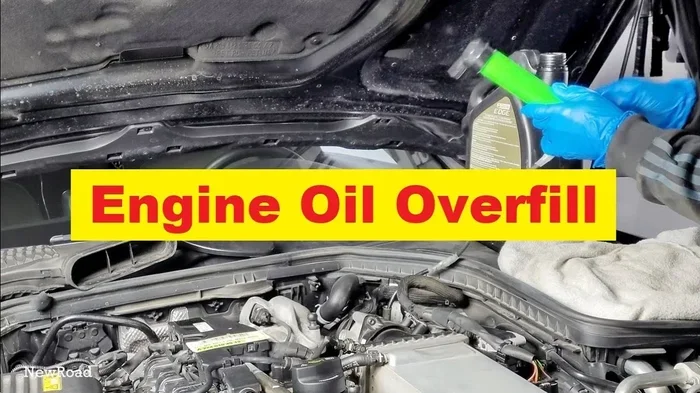
Putting too much oil in your car engine can cause serious damage to internal components, lead to blue smoke, oil leaks, and even engine failure. Understanding the symptoms of overfilled oil and acting quickly can save you from costly repairs. This guide covers everything you need to know about too much oil in car engine problems and solutions.
You just finished an oil change, and something feels off. Maybe the dipstick reads higher than usual, or you noticed a strange smell from the engine bay. Whatever the sign, you are wondering — what happens if you put too much oil in your car engine?
The truth is, overfilled engine oil is more dangerous than most drivers realize. It is not just a minor oversight. Too much oil can cause foaming, increased pressure, leaks, and in worst cases, complete engine failure. Many car owners ignore the early warning signs until the damage becomes expensive to repair.
In this guide, we will walk you through everything you need to know. From the symptoms of overfilled oil to the best ways to fix it, you will find clear, actionable advice. Whether you just topped off your oil or your mechanic overfilled it, this article has you covered.
Key Takeaways
- Overfilled oil causes foaming: Excess oil creates air bubbles that reduce lubrication and increase engine wear.
- Blue smoke is a warning sign: Burning oil through the exhaust means your oil level is likely too high.
- Engine damage is possible: Crankshaft contact with frothy oil can lead to catastrophic failure if ignored.
- Drain or suck out excess oil: Simple fixes like using a suction pump or draining through the drain plug can resolve the issue.
- Prevention is easy: Always check your dipstick and follow the recommended oil capacity for your vehicle.
- Don’t ignore the check engine light: Overfilled oil can trigger warning lights that signal deeper problems.
- Act fast: The longer you drive with too much oil, the greater the risk of permanent engine damage.
📑 Table of Contents
- What Happens When You Overfill Engine Oil
- Common Symptoms of Too Much Oil
- How to Check If Your Oil Is Overfilled
- Can You Drive With Too Much Oil?
- How to Fix an Overfilled Engine
- How Much Oil Does Your Engine Actually Need?
- What Causes Oil Overfill Mistakes?
- Long-Term Effects of Ignoring Overfilled Oil
- Prevention Tips for Proper Oil Maintenance
- Quick Tips for Handling Overfilled Oil
- Common Mistakes People Make With Engine Oil
- Expert Insight: Why Precision Matters
- Final Thoughts
What Happens When You Overfill Engine Oil
Your engine needs a precise amount of oil to work correctly. Too little is bad, but too much is just as harmful. When you exceed the recommended oil capacity, several problems start to develop almost immediately.
Oil Foaming and Aeration
This is the biggest danger of too much oil in car engine situations. When the crankshaft spins at high speed, it splashes into the excess oil. This creates tiny air bubbles mixed into the oil, a process called foaming or aeration.
Foamed oil loses its ability to lubricate properly. Instead of forming a smooth protective layer between metal parts, it becomes bubbly and weak. The result is increased friction, heat, and wear on critical engine components like bearings and camshafts.
Think of it like whipping cream. Once air gets mixed in, the liquid changes completely. Your engine oil works the same way when overfilled.
Increased Oil Pressure
Excess oil takes up space that should be occupied by air. This raises the overall pressure inside the engine’s lubrication system. High oil pressure can blow out gaskets and seals that are not designed to handle the extra force.
Over time, this leads to oil leaks around the engine block, oil pan, and valve cover. These leaks can be messy and expensive to fix, especially if they go unnoticed for weeks.
Catalytic Converter Damage
When foamed oil enters the combustion chamber, it burns along with fuel. This creates blue or gray smoke from your exhaust. The burning oil produces residue that clogs the catalytic converter over time.
A damaged catalytic converter is one of the most expensive repairs on any vehicle. Replacing it can cost anywhere from 500 to 2000 dollars or more. What happens if you put too much oil in your car is that you risk turning a simple oil fix into a thousand-dollar repair job.
Common Symptoms of Too Much Oil
Detecting overfilled oil early can save you hundreds of dollars. Here are the most common signs that your engine has too much oil.
Blue or Gray Exhaust Smoke
This is the most obvious symptom. If you see blue or gray smoke coming from your exhaust pipe, oil is burning inside the combustion chamber. Overfilled oil gets pushed up into the engine’s crankcase ventilation system and eventually reaches the cylinders.
Do not ignore this sign. Even if the smoke comes and goes, it means oil is entering areas where it does not belong.
Oil Leaks Around the Engine
Excess oil creates pressure that pushes past seals and gaskets. You might notice oil spots on your driveway or garage floor. Sometimes the leaks appear around the oil pan gasket, valve cover gasket, or front and rear seals.
If you just had an oil change and now see new leaks, check your oil level immediately.
Unusual Engine Noises
Foamed oil does not cushion engine parts the way clean oil does. You might hear knocking, ticking, or rattling sounds coming from the engine bay. These noises mean metal parts are grinding against each other without proper lubrication.
Any unusual engine sound deserves immediate attention. Continuing to drive with foamed oil can cause permanent damage.
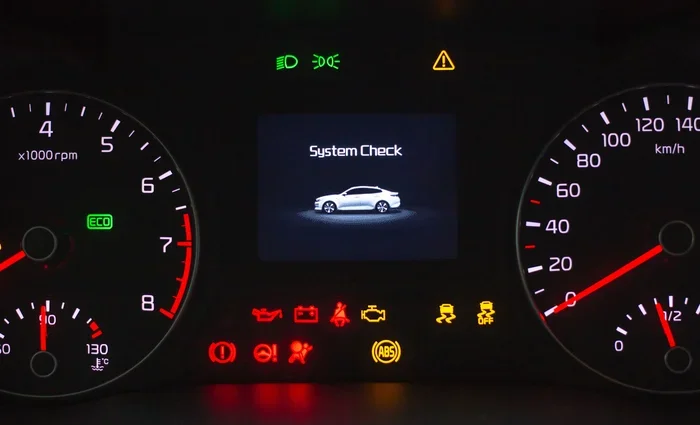
Check Engine Light or Oil Pressure Warning
Modern vehicles have sensors that detect abnormal oil pressure. Too much oil can trigger the oil pressure warning light on your dashboard. In some cases, the check engine light may also illuminate.
Do not keep driving when these lights appear. Pull over safely and check your oil level with the dipstick.
Smell of Burning Oil Inside the Cabin
If you smell burning oil while driving, excess oil may be leaking onto hot engine components. This is a serious fire hazard in extreme cases. Open your windows, pull over, and turn off the engine.
How to Check If Your Oil Is Overfilled
Checking your oil level is simple and takes less than five minutes. Here is exactly how to do it properly.
- Park on level ground. Your car needs to be flat for an accurate reading. Do not check oil on a slope or inclined surface.
- Turn off the engine and wait. Let the engine cool for at least five minutes. Hot oil expands and will give you a false reading on the dipstick.
- Locate the dipstick. Pull it out, wipe it clean with a rag or paper towel, then reinsert it fully.
- Pull it out again and read the level. Look for the minimum and maximum marks on the dipstick. The oil should fall between these two lines.
- Compare to your manual. Check your owner’s manual for the exact oil capacity. Most cars take between 4 and 6 quarts, but this varies by model and engine.
If the oil level is above the maximum mark, you have an overfill situation. The good news is that it is fixable if you act quickly.
Can You Drive With Too Much Oil?
The short answer is no. While you might be able to drive a short distance with slightly overfilled oil, it is not recommended. Driving with too much oil increases the risk of engine damage, especially at highway speeds where the crankshaft spins faster and creates more foam.
If you absolutely must drive a short distance to a repair shop, keep the following in mind:
- Drive slowly and avoid high RPMs
- Keep the trip as short as possible
- Watch for blue smoke or unusual noises
- Stop immediately if anything feels wrong
The safest approach is to have the excess oil removed before you start the engine. Even a small amount over the max line can cause problems over time.
How to Fix an Overfilled Engine
The good news is that fixing too much oil in your car engine is straightforward. You have several options depending on your tools and comfort level.
Option 1: Drain the Excess Oil
The most common method is to drain the excess oil through the oil pan drain plug. Here is how:
- Lift the car safely using a jack and jack stands or a ramp.
- Place an oil drain pan underneath the drain plug.
- Remove the drain plug and let the excess oil flow out.
- Replace the drain plug securely once the level is correct.
- Check the dipstick to confirm the oil is now at the proper level.
This method works well if you have the right tools and a safe place to work. Always dispose of the old oil responsibly at a recycling center.
Option 2: Use an Oil Extractor Pump
An oil extractor pump lets you suction excess oil out through the dipstick tube without removing the drain plug. This is a cleaner and more convenient option for many car owners.
You can find inexpensive manual or pneumatic oil extractors at most auto parts stores. They are a great tool to keep in your garage for regular car engine maintenance.
Option 3: Visit a Mechanic
If you are not comfortable doing it yourself, take your car to a trusted mechanic. Most shops can remove excess oil quickly and affordably. Some may even do it for free if you had the oil change done at their location.
Consider doing your own oil changes in the future. It saves money and gives you full control over the oil amount every time.
How Much Oil Does Your Engine Actually Need?
Every engine has a specific oil capacity listed in the owner’s manual. This number accounts for the oil in the crankcase, oil filter, and all passages through the engine. Going even half a quart over this number can cause problems in some engines.
Here are some general guidelines:
- Most passenger cars require between 4 and 6 quarts of oil
- Smaller engines (like 4-cylinder) often need around 4 to 4.5 quarts
- Larger engines (like V6 or V8) may require 5 to 8 quarts
- Always replace the oil filter during every oil change
- After adding new oil and a new filter, always recheck the dipstick
Do not rely on the oil fill bottle’s markings alone. These are approximate and can be misleading. Always use the dipstick as your final authority on oil level.
What Causes Oil Overfill Mistakes?
Understanding how overfills happen can help you prevent them in the future. Here are the most common causes.
Guessing Instead of Measuring
Some drivers add oil without checking the dipstick first. They just pour in a bottle and hope for the best. This guesswork is the number one cause of overfilled oil.
Always add oil in small amounts — a quarter quart at a time — and recheck the dipstick between additions.
Misreading the Dipstick
Dipsticks can be tricky to read, especially in low light. Wiping the dipstick twice and reading it at eye level helps eliminate errors.
Mechanic Error
Even professional mechanics can overfill an engine. Busy shops sometimes rush through oil changes and add too much oil without double-checking. If you suspect your mechanic overfilled your car, have the level verified immediately.
Confusing Oil Capacity with Oil Type
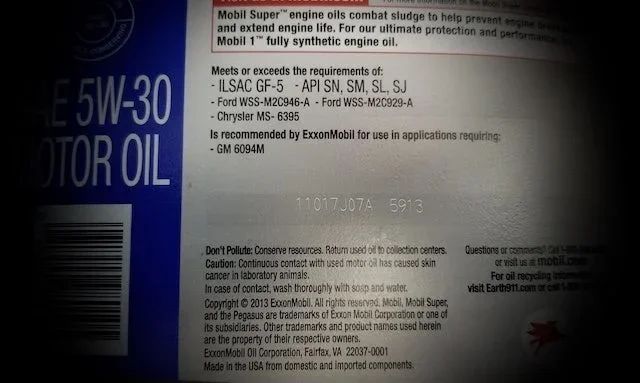
Some drivers confuse the recommended oil viscosity (like 5W-30 or 10W-40) with the oil capacity. These are two completely different numbers. Always check both your oil type and oil capacity in the owner’s manual.
Long-Term Effects of Ignoring Overfilled Oil
What happens if you ignore the signs of too much oil in your engine? The consequences can be severe and costly.
- Worn bearings: Foamed oil cannot protect bearings from metal-on-metal contact. Over time, bearings wear out prematurely.
- Damaged crankshaft: The crankshaft spinning through frothy oil loses its lubrication film, leading to scoring and damage.
- Blown head gasket: Excessive oil pressure can force oil past the head gasket, causing internal leaks.
- Clogged oil passages: Oil residue from burning can clog narrow oil passages in the engine block.
- Complete engine failure: In extreme cases, prolonged driving on foamed oil results in seized engines that need full replacement.
None of these outcomes are worth the cost of a simple oil level correction. The fix is always cheaper than the repair.
Prevention Tips for Proper Oil Maintenance
Keeping your engine oil at the right level is one of the easiest ways to extend your engine’s life. Here are some practical tips.
- Check your oil weekly: Make it a habit to check the dipstick every time you fill up with gas.
- Follow the manufacturer’s recommendations: Use the oil type and capacity specified in your owner’s manual.
- Change oil on schedule: Do not wait for the oil life indicator to hit zero. Regular oil change schedules keep your engine healthy.
- Keep a record: Note the date and oil amount every time you change your oil. This helps you track patterns and catch problems early.
- Use quality oil filters: A good oil filter keeps contaminants out and helps maintain proper oil flow.
- Inspect for leaks after oil changes: Always look under your car after an oil change to make sure nothing is dripping.
Consistent engine maintenance habits take only minutes but pay off enormously in engine longevity and performance.
Quick Tips for Handling Overfilled Oil
- Do not panic if you discover overfilled oil. It is a fixable problem when caught early.
- Do not keep driving long distances with overfilled oil. The risk of engine damage increases with every mile.
- Do not try to fix it by adding more oil to dilute the problem. This makes things worse.
- Do keep a basic oil extraction kit in your garage. It is inexpensive and very useful.
- Do consult your owner’s manual for the exact oil capacity and type for your specific vehicle model.
Common Mistakes People Make With Engine Oil
Adding Oil Without Checking the Level
Many drivers add oil based on how the car sounds or feels rather than what the dipstick says. Always measure before you add and after you add.
Using the Wrong Oil Viscosity
Using 10W-40 when your engine needs 5W-30 can cause poor lubrication and increased wear. Always match the viscosity to your manufacturer’s specification.
Forgetting to Replace the Oil Filter
A clogged oil filter restricts oil flow and can cause the same symptoms as low oil. Always replace the filter with every oil change.
Ignoring the Oil Change Interval
Even if your oil looks fine, it degrades over time. Old oil loses its protective properties and can cause engine wear. Stick to your recommended oil change schedule religiously.
Expert Insight: Why Precision Matters
Engine oil is the lifeblood of your vehicle. It lubricates, cools, cleans, and protects every moving part inside your engine. Getting the amount right is not optional — it is essential.
Automotive experts consistently emphasize that both underfilling and overfilling oil cause problems. But overfilled oil has some unique dangers that many drivers do not anticipate, like foaming and increased crankcase pressure. These issues develop silently and can cause significant damage before you even notice a problem.
The best approach is simple: be precise, be consistent, and never skip a dipstick check.
Final Thoughts
So, what happens if you put too much oil in your car engine? The answer is simple — a lot of things can go wrong. From oil foaming and pressure buildup to catalytic converter damage and engine failure, overfilled oil is a serious issue that should never be ignored.
The good news is that prevention and correction are both straightforward. Check your dipstick regularly, follow your owner’s manual for oil capacity, and act quickly if you notice any symptoms of overfill. A few minutes of attention today can save you thousands of dollars in repairs tomorrow.
If you ever find yourself dealing with too much oil in car engine problems, do not wait. Drain or extract the excess oil, and your engine will thank you for it. Take care of your car, and it will take care of you.
For more information about engine oil maintenance and common car care questions, check out our other guides on does it really matter what oil I put in my car and at what percent oil life should you change oil. These resources will help you stay on top of your vehicle’s maintenance needs.
Frequently Asked Questions
Can too much oil damage my engine?
Yes, absolutely. Overfilled oil causes foaming, which reduces lubrication and increases friction between engine parts. This can lead to bearing damage, crankshaft wear, and in severe cases, complete engine failure.
How do I know if my oil is overfilled?
The most common signs include blue or gray exhaust smoke, oil leaks around the engine, unusual knocking or ticking noises, and the oil pressure warning light on your dashboard. Always confirm by checking the dipstick.
Is it safe to drive with too much oil?
It is not recommended. Even short drives with overfilled oil can cause foaming and increased pressure that damages engine seals and gaskets. Have the excess oil removed before driving.
How do I remove excess oil from my engine?
You can drain it through the oil pan drain plug, use an oil extractor pump through the dipstick tube, or visit a mechanic. All methods are effective and relatively simple.
How much oil overfill is dangerous?
Even half a quart above the maximum mark can cause problems in some engines. Always aim to keep the oil level between the minimum and maximum marks on the dipstick.
Will the check engine light come on if I overfill oil?
Yes, in many cases. Overfilled oil can trigger the oil pressure warning light or the check engine light. If either light appears after an oil change, check your oil level immediately.