VLT Visible Light Transmission Explained for Beginners
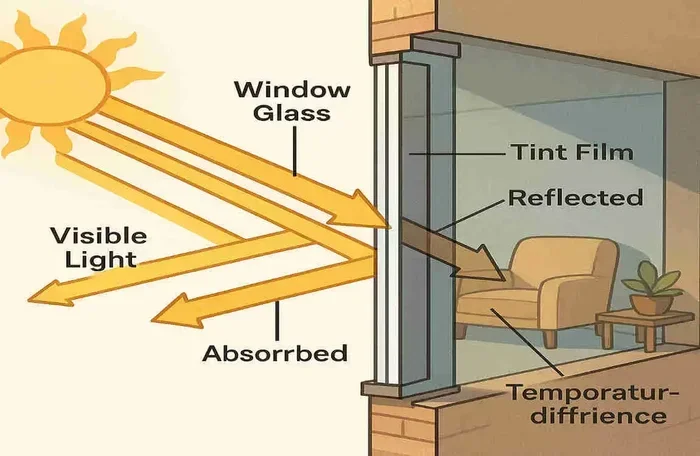
VLT, or Visible Light Transmission, measures how much light passes through your vehicle’s windows and tint film. Understanding VLT helps you choose the right tint for safety, comfort, and legal compliance. This guide breaks down everything beginners need to know about VLT ratings, laws, and selection.
VLT stands for Visible Light Transmission, and it is one of the most important numbers to understand when it comes to your vehicle’s windows. Whether you are thinking about tinting your car or just curious about why some windows look darker than others, VLT tells the story. In simple terms, VLT measures the percentage of visible light that passes through a piece of glass or window film. If a window has a VLT of 70 percent, it means 70 percent of light gets through. If the VLT drops to 35 percent, only about one-third of light passes through. The lower the number, the darker the window looks.
Many car owners explore window tinting for reasons like reducing glare, blocking heat, or adding privacy. But choosing the wrong VLT percentage can lead to tickets, safety issues, or poor visibility. That is why every driver should understand how visible light transmission works before making any changes to their vehicle. This guide walks you through everything from the basics to legal limits and practical tips for picking the right tint.
By the time you finish reading, you will feel confident about VLT ratings, know what to look for when shopping for tint, and understand how to stay within the law. Let us dive in and make VLT easy to understand.
Key Takeaways
- VLT measures the percentage of visible light that passes through your window glass or tint film.
- Lower VLT percentages mean darker tint and less light entering your vehicle.
- Every state has different legal VLT limits for various windows, so always check local laws.
- Factory tint and aftermarket tint have different VLT levels that affect your total light transmission.
- Choosing the right VLT depends on your climate, driving needs, and personal preference.
- Measuring VLT is simple with a VLT meter or by checking the film manufacturer specifications.
- Combined VLT matters when factory tint and aftermarket film are both present on the same window.
📑 Table of Contents
What Is VLT and Why Does It Matter?
Visible Light Transmission is a measurement expressed as a percentage. It tells you exactly how much visible light moves through a material, whether that is plain glass, factory-tinted glass, or aftermarket window film. Think of it as a clarity score for your windows. The higher the VLT percentage, the more light passes through, and the clearer the window looks.
How VLT Differs from Other Measurements
Some people confuse VLT with heat rejection or UV protection. While those are related to window tint VLT performance, they measure different things. VLT only measures visible light. It does not measure infrared heat or ultraviolet rays. A window film can have a low VLT but still block a lot of heat. Always remember that VLT is specifically about what your eyes can see, not what your skin feels.
Why VLT Affects Your Driving Experience
Your vehicle’s windows play a big role in how safe and comfortable your drives feel. Windows with a very low VLT can make it harder to see at night or in tunnels. They can also affect how well you judge distances. On the flip side, windows with high VLT let in more glare and heat. Finding the right balance is key to both comfort and safety on the road.
Many drivers also check their maintenance required light or other warning indicators to make sure their vehicle is in good shape. Just like those lights help you monitor your car’s health, understanding VLT helps you monitor your window clarity and visibility. If your maintenance required light is on, you should address that first before making any cosmetic changes like tinting. You can read more about whether it is safe to drive with maintenance required light on Toyota models in our dedicated guide.
How VLT Ratings Work: Understanding the Numbers
VLT ratings are straightforward once you get the hang of them. Every window film and piece of glass comes with a VLT percentage printed on the packaging or in the product specs. This number is your starting point for choosing the right tint.
The VLT Scale Explained
The VLT scale runs from 0 to 100 percent. Here is a quick breakdown of what those numbers mean:
- 90 to 100 percent VLT — Nearly clear. These films barely change the look of your windows. They are great for people who want a subtle upgrade.
- 70 to 89 percent VLT — Light tint. You will notice a slight darkening, but visibility stays excellent. Many states allow this on all windows.
- 50 to 69 percent VLT — Medium tint. This range offers good heat rejection and glare reduction while still maintaining clear visibility.
- 35 to 49 percent VLT — Dark tint. Popular for sedans and SUVs looking for a sleek look. Visibility is reduced, especially at night.
- 5 to 34 percent VLT — Very dark tint. These are often used for privacy or aesthetic purposes. They significantly limit light entry.
- Under 5 percent VLT — Limo tint. Almost no light passes through. This is illegal for most vehicle windows in most states.
Factory Tint vs. Aftermarket Tint VLT
New cars often come with factory tint on the rear and side windows. This factory tint usually has a VLT somewhere between 15 and 30 percent. However, the windshield typically has no tint except for a small strip at the top. When you add aftermarket tint on top of factory tint, the combined VLT drops even lower. This is an important detail many people overlook.
For example, if your rear window has a factory VLT of 25 percent and you add a 35 percent aftermarket film, your total VLT will be much lower than either number alone. To calculate combined VLT, you multiply the two percentages. So 0.25 times 0.35 equals 0.0875, or about 8.75 percent total VLT. That is very dark and may not be legal.
Using a VLT Chart for Quick Reference
A VLT chart is a handy tool that shows the relationship between tint percentage and light transmission. Most tint shops provide one for free. You can also find VLT charts online. These charts help you compare different films and understand what each VLT rating looks like on your specific vehicle. Always ask your tint installer to show you their VLT chart before making a decision.
VLT and Automotive Window Tinting
Window tinting is one of the most popular vehicle upgrades. Whether you want to beat the summer heat or add a sleek look to your ride, understanding VLT is essential. The tint you choose directly affects your visible light transmission and, therefore, your overall driving experience.
Types of Window Tint Films
Not all window tint films are the same. Here are the most common types and how they affect VLT:
- Dyed Film — The most affordable option. It uses dye layers to absorb light and reduce VLT. It also fades over time, which can change your VLT rating.
- Metalized Film — Contains tiny metallic particles that reflect heat and lower VLT. It is more durable than dyed film but can interfere with cell phone signals.
- Carbon Film — A non-metallic option that offers excellent heat rejection without signal interference. Carbon film maintains a consistent VLT over time.
- Ceramic Film — The premium choice. It blocks the most heat and UV rays while maintaining a high VLT for the level of darkening. It does not fade or bubble.
How Tint Affects Your Vehicle’s Systems
Dark tint can reduce the amount of light entering your cabin, which affects how well you can see dashboard warnings and road signs. If you have ever wondered whether a warning light means your car needs immediate attention, understanding visible light transmission helps. For instance, if your dashboard lights are hard to read due to dark tint, you might miss important alerts. You should always make sure your tint does not block your view of critical dashboard indicators.
Some drivers also wonder about vehicle diagnostics. If you are dealing with a situation where a warning light is on but you are not sure what it means, running diagnostics without a check engine light can sometimes reveal hidden issues. Dark tint does not cause diagnostic problems, but reduced visibility from low VLT can make it harder to notice warning lights on your dashboard. You can learn more about whether you can run diagnostics without a check engine light in our related article.
Legal VLT Limits by State
One of the most important things to know about VLT is that every state has its own legal limits. Tinting your windows too dark can result in fines, failed inspections, or even having to remove the tint entirely.
Why Legal VLT Limits Exist
States set legal VLT limits primarily for safety. Dark windows reduce a driver’s ability to see pedestrians, other vehicles, and road hazards. Law enforcement officers also need to see inside your vehicle during traffic stops. This is why most states require a higher VLT on the windshield and front side windows compared to rear windows.
General Guidelines Across States
While laws vary, here are some general patterns you will see across most states:
- Windshield — Most states allow a non-reflective tint strip across the top, usually no more than 3 to 5 inches. The rest of the windshield must have a high VLT, typically above 70 percent.
- Front Side Windows — Usually must have a VLT of 50 percent or higher. Some states allow as low as 35 percent.
- Rear Side Windows — Often have more relaxed limits. Many states allow VLT as low as 20 to 35 percent.
- Rear Window — Typically the most lenient. Some states allow very dark tint on the rear window, especially if the vehicle has dual side mirrors.
What Happens If You Violate VLT Laws
Tint violations are common traffic stops. If your VLT is too low for your state, you could face a fine, a citation, or a requirement to remove the tint. In some cases, your vehicle may fail its annual inspection until the tint is brought into compliance. It is always smarter to check your state’s specific VLT laws before tinting your windows.
Just as you would not ignore a warning light on your dashboard, you should not ignore tint laws. If you have ever wondered whether you can safely drive with certain warning lights on, the answer depends on the situation. For example, some drivers ask if they can drive with the maintenance required light on Toyota models for a short distance. The answer is usually yes, but you should get it checked soon. The same principle applies to tint — minor issues are manageable, but ignoring them can lead to bigger problems.
Routine vehicle maintenance also plays a role in overall safety. For instance, knowing whether does every transmission have a dipstick helps you stay on top of fluid checks and other essential upkeep. Keeping your vehicle well-maintained ensures that your windows, sensors, and safety systems all work together properly.
How to Measure VLT on Your Vehicle
Measuring VLT on your vehicle is easier than most people think. Whether you are checking factory tint or verifying aftermarket film, there are reliable ways to get an accurate VLT reading.
Using a VLT Meter
A VLT meter is a handheld device that measures the percentage of light passing through a window. You simply place the meter against the glass, and it gives you a digital reading. These meters are available at auto parts stores and online. They are the most accurate way to determine your window’s current VLT. A quality meter typically costs between 50 and 200 dollars, which is a small price for precise light transmission rating data.
Checking Manufacturer Specifications
If you are installing new tint, the manufacturer should provide the VLT rating on the product packaging or spec sheet. Always ask your tint installer for this information. Reputable shops will be happy to share the VLT details and explain what they mean for your vehicle. Keep the spec sheet in your records for future reference.
DIY Visual Assessment
While a VLT meter is the most accurate tool, you can also do a basic visual check. Hold a piece of white paper against your window and look through the tint from the outside. Compare the darkness to known references, like a 50 percent or 35 percent film sample. This method is not precise, but it gives you a general idea of where your VLT falls and whether you should seek a professional measurement.
Choosing the Right VLT for Your Needs
Selecting the right VLT comes down to your personal needs, your climate, and your vehicle type. There is no one-size-fits-all answer, but this section will help you make a confident decision.
Consider Your Climate
If you live in a hot, sunny area, you might want a lower VLT to reduce heat and glare. Films in the 35 to 50 percent VLT range offer a good balance of comfort and visibility. If you live in a cooler climate, a higher VLT between 70 and 85 percent may be all you need to reduce glare without darkening your view too much. Solar heat gain is a real factor, and the right tint can significantly lower your cabin temperature.
Think About Your Driving Conditions
Do you do a lot of night driving? If so, a higher VLT is important for maintaining clear visibility. Lower VLT tints can make night driving dangerous, especially on unlit roads. If you mostly drive during the day on highways, you have more flexibility to choose a darker tint. Also consider how much glare reduction you need. A medium VLT often provides the best balance for mixed driving conditions.
Match VLT to Your Vehicle Type
Different vehicles handle tint differently. Sedans often look great with a 35 percent VLT on the rear windows. SUVs and trucks can handle darker tints because they already have good rear visibility through the back seats. Always consider how your vehicle’s design affects your choice of VLT. A VLT chart specific to your model can be a huge help here.
Quick Tips for Choosing Your VLT
- Start with a lighter tint if you are unsure. You can always go darker later.
- Ask your tint installer for a VLT chart specific to your vehicle model.
- Check your state’s legal VLT limits before purchasing any film.
- Consider ceramic film for the best combination of heat rejection and clarity.
- Remember that factory tint plus aftermarket tint equals a lower combined VLT.
- Ask about UV protection ratings alongside VLT when comparing films.
- Factor in the light transmission rating of the film, not just its appearance.
Common Mistakes to Avoid
Many people make avoidable mistakes when choosing VLT. Here are a few to watch out for:
- Ignoring factory tint. Adding aftermarket film on top of existing factory tint can push your total VLT below legal limits.
- Choosing tint based on looks alone. A dark tint might look cool, but it can compromise your safety if your VLT is too low for your driving conditions.
- Skipping the legal check. Every state has different rules. What is legal in one state might get you pulled over in another.
- Not measuring after installation. Always verify your final VLT with a meter after the tint is applied to make sure it matches the installer’s claims.
- Overlooking the rear window. Some states have different rules for the rear window. Always check the VLT laws for each individual window.
Conclusion
VLT, or Visible Light Transmission, is a simple concept with big implications for your vehicle. From choosing the right window tint to staying legal on the road, understanding your VLT percentage empowers you as a driver. Whether you want a subtle upgrade or a dramatic dark look, knowing your VLT options puts you in control.
Remember to always check your state’s legal limits, factor in factory tint, and measure your final VLT after installation. A little knowledge goes a long way in keeping your rides comfortable, stylish, and compliant. Take what you have learned here, apply it to your next tinting project, and enjoy the road with confidence.
Your vehicle is a big investment, and every detail matters — from routine maintenance like checking whether you can run diagnostics without a check engine light to choosing the perfect window tint VLT. Stay informed, stay safe, and enjoy the drive.
Frequently Asked Questions
What does VLT stand for?
VLT stands for Visible Light Transmission. It measures the percentage of visible light that passes through a window or window film. A higher VLT means more light gets through, while a lower VLT means the window appears darker.
Is lower VLT better for hot climates?
Generally, yes. Lower VLT tints block more sunlight and reduce heat inside your vehicle. However, you should always balance heat rejection with visibility and legal limits. A VLT that is too low can make night driving dangerous and may violate local tint laws.
Can I tint my windshield?
Most states only allow a non-reflective tint strip along the top of the windshield, usually no more than 3 to 5 inches. The rest of the windshield must maintain a high VLT. Always check your specific state’s regulations before tinting any window.
How do I know if my tint is legal?
You can measure your tint’s VLT using a VLT meter or ask your tint installer for the film’s specifications. Compare the reading to your state’s legal VLT limits for each window. If your tint falls below the legal minimum, you may need to remove or replace it.
Does factory tint count toward legal VLT limits?
Yes, factory tint counts. When adding aftermarket tint, the combined VLT of factory and aftermarket film must meet your state’s legal requirements. Always calculate the total VLT before installing additional film to avoid legal issues.
What is the best VLT for night driving?
For night driving, a higher VLT between 70 and 85 percent is recommended. This allows maximum light into your cabin and keeps your visibility sharp. If you frequently drive at night, avoid VLT levels below 50 percent on your front side windows.