Why Wont My Steering Wheel Turn at All of a Sudden
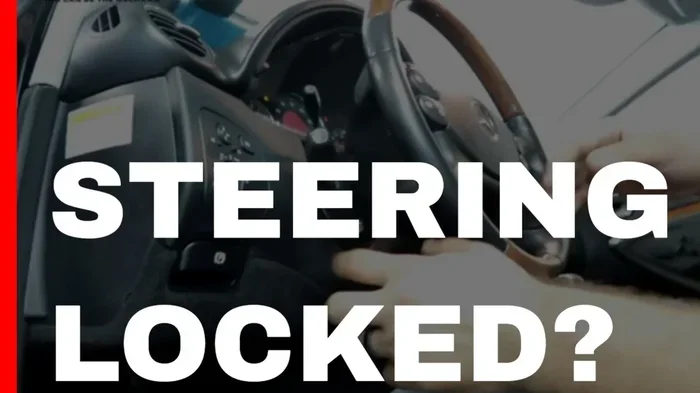
When your steering wheel won’t turn at all, it can be a scary and frustrating experience. The most common reasons include a locked steering column, a faulty ignition switch, low power steering fluid, or a damaged steering rack. In this guide, you will learn the exact causes, what to do in the moment, and how to prevent it from happening again.
There are few moments more frightening than turning your key or pressing the start button and finding that your steering wheel won’t budge. You are sitting in your car, ready to go, and suddenly you are stuck. Why won’t my steering wheel turn at all? This question hits you right in the gut, especially when you are in a hurry or somewhere unfamiliar.
The good news is that you are not alone. Car steering problems like this happen to thousands of drivers every single day. Most of the time, the fix is simpler than you think. Sometimes it is a quick trick you can do right there in the parking lot. Other times, it points to a mechanical issue that needs a professional eye. Either way, knowing the cause puts you back in control.
This guide walks you through every reason your steering wheel stuck situation might be happening. We will break down the steering column lock, ignition switch troubles, power steering failures, and more. By the end, you will know exactly what to look for, what to do, and how to keep it from happening again.
Key Takeaways
- Steering column lock is the #1 cause: This safety feature engages when you turn off the engine and the wheel is turned slightly.
- Ignition switch failure can freeze your wheel: A worn or broken lock cylinder stops the key from turning and locks the steering.
- Low power steering fluid makes steering stiff: Without enough fluid, your power steering system can’t operate properly.
- Steering rack damage is serious but fixable: A worn steering rack can cause your wheel to seize up completely.
- Don’t force it: Yanking or shaking the wheel can cause more damage and cost you more money.
- Regular maintenance prevents most issues: Checking fluid levels and listening for warning sounds keeps your steering system healthy.
📑 Table of Contents
- Why Does Your Steering Wheel Suddenly Stop Turning?
- The Steering Column Lock: The Usual Suspect
- Ignition Switch and Lock Cylinder Problems
- Power Steering Failures That Cause Stiff Steering
- Steering Rack and Gear Damage
- What to Do When Your Steering Wheel Won’t Turn
- Common Mistakes Drivers Make When the Steering Wheel Locks Up
- Expert Insights on Steering System Maintenance
- Key Takeaways
- Conclusion
Why Does Your Steering Wheel Suddenly Stop Turning?
A steering wheel that refuses to move is not just an inconvenience. It is a safety problem. Before you can fix it, you need to understand what is going on inside your car. Your steering system is made up of several parts that work together. When one part fails, the whole system can lock up.
The steering system in your car connects your hands on the wheel to the wheels on the road. It uses a combination of mechanical linkages, fluid pressure, and electronic controls. When any one of these parts breaks or seizes, your vehicle steering issues become very real. Let us look at the main reasons this happens.
Common Causes of a Steering Wheel That Won’t Move
Several things can cause your steering wheel hard to turn or completely stuck situation. Here are the most common ones drivers face:
- Steering column lock: This is a security feature that locks the wheel when the ignition is off. It is the number one reason cars refuse to turn over with a straight wheel.
- Ignition switch failure: A worn-out ignition switch can stop the electrical signal from reaching the steering system.
- Low power steering fluid: Without enough fluid, the power steering pump cannot create the pressure needed to turn the wheel smoothly.
- Damaged steering rack: The steering rack connects your steering wheel to the front wheels. When it fails, the connection breaks.
- Broken serpentine belt: This belt powers the power steering pump. If it snaps, you lose all power assist.
- Frozen or corroded lock cylinder: Dirt and moisture can build up inside the lock cylinder, making the key impossible to turn.
Each of these causes has its own set of symptoms. Paying attention to what happened right before the wheel locked up gives you a big clue about what went wrong.
The Steering Column Lock: The Usual Suspect
If you turned off your engine and turned the steering wheel a little bit, the steering column lock probably engaged. This is a built-in anti-theft feature found in almost every modern car. It works by inserting a small pin into the steering column. When the wheel moves even slightly after shutdown, the pin drops into place and locks everything up.
This is the most common reason people ask, why wont my steering wheel turn at all of a sudden. The good news is that it is also the easiest to fix. You do not need a mechanic. You do not even need any tools.
How to Unlock a Locked Steering Column
Follow these simple steps to release a locked steering column:
- Do not panic. Take a deep breath and stay calm.
- Use one hand to gently wiggle the steering wheel left and right. Do not force it hard.
- With your other hand, try turning the ignition key to the “ON” or “ACC” position.
- As you wiggle the wheel and turn the key at the same time, you should feel the lock release.
- Once the key turns, the steering wheel should move freely again.
This works because wiggling the wheel pushes the locking pin out of the groove it has fallen into. It is a simple mechanical trick that solves the problem in most cases. Quick tip: Always try to keep your steering wheel straight when you turn off the engine. This prevents the lock from engaging in the first place.
If the key will not turn at all, do not force it. A stuck key could mean a different problem entirely, which we will cover next.
Ignition Switch and Lock Cylinder Problems
Sometimes the steering wheel is not locked at all. Instead, the ignition switch or lock cylinder is the real problem. The ignition switch controls the electrical connection between your key and the car’s systems. When it fails, your car might not start, and the steering wheel can feel completely frozen.
A deadlock steering situation often happens when the lock cylinder wears out over time. Old key fobs, worn key teeth, or debris inside the cylinder can all cause the key to stick. When the key cannot turn to the “ON” position, the steering system stays in its locked state.
Signs Your Ignition Switch Is Failing
Watch for these warning signs that point to an ignition switch problem:
- The key feels stiff or gritty when you try to turn it.
- Your dashboard lights flicker or do not come on when you turn the key.
- The car starts and then immediately stalls.
- You need to wiggle the key multiple times before it works.
- The steering wheel feels loose even when the car is running.
If you notice any of these signs, get your car checked soon. A failing ignition switch can leave you stranded unexpectedly. Replacing an ignition switch is usually affordable and takes a mechanic less than an hour.
Dealing With a Stuck Key in the Ignition
A key that gets stuck in the ignition is more than just annoying. It can also signal deeper problems. Try spraying a small amount of graphite lubricant into the lock cylinder. This can free up a sticky mechanism without causing damage. Never use oil-based lubricants like WD-40 for this purpose. They can attract dirt and make the problem worse over time.
If the key breaks off inside the lock cylinder, do not try to pull it out with tweezers or other tools. Take your car to a professional. They have special tools to extract broken keys safely.
Power Steering Failures That Cause Stiff Steering
Not all steering problems involve a completely locked wheel. Sometimes your steering wheel tight situation happens because the power steering system is not working. This is different from a locked steering column. In this case, the wheel can still move, but it feels extremely heavy and stiff.
Power steering failure can happen suddenly or gradually. Either way, it makes driving dangerous. Turning a corner with no power assist requires a lot of upper body strength. At low speeds or in parking lots, this becomes almost impossible for some drivers.
Low Power Steering Fluid: The Hidden Culprit
The most common reason for power steering problems is low fluid. Your power steering system relies on pressurized fluid to help you turn the wheel smoothly. When the fluid level drops, the system loses pressure, and steering becomes hard.
Here is what to check:
- Open the hood and locate the power steering fluid reservoir.
- Check the fluid level against the “MIN” and “MAX” marks on the side of the reservoir.
- If the fluid is low, top it off with the type recommended in your owner’s manual.
- Look under the car for any fluid leaks on the ground.
Low fluid usually means there is a leak somewhere in the system. Common leak points include the power steering pump, hoses, and the steering rack seals. A leak will not fix itself. It will only get worse over time. Have a mechanic find and repair the leak as soon as possible.
Power Steering Pump Failure
The power steering pump is the heart of your power steering system. It pressurizes the fluid and sends it through the lines to help you turn. When the pump fails, you lose all power assist. The steering wheel becomes very heavy, especially at low speeds and when parking.
Pump failure often comes with warning sounds. Listen for a whining or groaning noise when you turn the wheel. This sound means the pump is struggling. Ignoring it will lead to complete pump failure and a much more expensive repair.
Electric Power Steering Issues
Many newer cars use electric power steering instead of hydraulic systems. These systems use an electric motor rather than fluid pressure. When the electric motor or its control module fails, you lose all steering assist. Unlike hydraulic problems, electric steering failures often trigger a warning light on your dashboard.
If you see a steering warning light, pull over safely and turn off the engine. Restart the car and see if the light goes away. If it stays on, have the car towed to a repair shop. Driving without power steering assist is risky, especially in emergency situations.
Steering Rack and Gear Damage
The steering rack is one of the most important parts of your steering system. It connects your steering column to the front wheels and converts the rotational motion of the wheel into the lateral motion that turns the tires. When the steering rack fails, the results can be severe.
A damaged steering gear can cause your wheel to feel loose, erratic, or completely stuck. In some cases, the rack internal components break apart and jam the entire system. This is a serious problem that requires immediate attention.
How Steering Rack Damage Happens
Several factors can lead to steering rack failure:
- Age and wear: Steering racks have a limited lifespan. Over time, internal seals and components wear out.
- Fluid contamination: Dirty or old power steering fluid can damage the rack from the inside.
- Road debris: Hitting potholes, curbs, or road debris can damage the rack or its mounting brackets.
- Leaks: A leaking rack seal allows fluid to escape, leading to loss of power assist and eventual mechanical failure.
If you notice any of these symptoms, get your car inspected right away:
- A grinding or clunking noise when you turn the wheel.
- Fluid leaks under the front of the car.
- The steering wheel feels loose or has excessive play.
- Your car pulls to one side while driving.
- The steering wheel is hard to turn in both directions.
Steering rack replacement is one of the more expensive repairs. But it is also one of the most important. A failing steering rack can lead to a complete loss of steering control. That is a risk no driver should take.
What to Do When Your Steering Wheel Won’t Turn
Now that you know the common causes, let us talk about what to do when it actually happens. Your immediate actions matter. They can prevent further damage and keep you safe.
Step-by-Step Response Plan
Follow these steps if your steering wheel suddenly freezes:
- Stay calm and keep both hands on the wheel. Panicking leads to bad decisions. Keep a firm grip and try to gently wiggle the wheel.
- Try the ignition key. Turn the key to the “ON” position while gently moving the wheel. If the column lock is the issue, this should release it.
- Check for warning lights. Look at your dashboard. A steering warning light or check engine light gives you clues about the problem.
- Do not force the wheel. Yanking or jerking the wheel can damage the steering column or rack even more.
- If the wheel still won’t move, pull over safely. Turn on your hazard lights and stop in a safe location.
- Call for roadside assistance if needed. It is better to wait for help than to keep forcing a stuck mechanism.
When to Call a Professional
Some steering problems are beyond a DIY fix. You should call a professional if:
- The key turns but the wheel still will not move.
- You hear grinding, clicking, or clunking sounds from the steering area.
- You see fluid leaking under your car.
- The steering wheel feels completely loose or floppy.
- Your power steering warning light is on.
- The problem keeps coming back after you fix it once.
A qualified mechanic can diagnose the exact cause and recommend the right repair. Trying to fix a serious steering issue yourself can be dangerous and expensive. Trust the professionals for anything beyond a simple lock release.
Prevention Tips to Keep Your Steering System Healthy
Preventing steering problems is much easier than fixing them. Here are some simple habits that keep your steering system working smoothly:
- Check your power steering fluid regularly. Look at it every time you check your oil. Top it off if it is low.
- Turn your steering wheel gently. Avoid jerking the wheel or holding it at full lock for long periods.
- Get regular alignments. Proper wheel alignment reduces stress on the steering rack and other components.
- Listen to your car. Unusual sounds from the steering area are early warning signs. Address them quickly.
- Keep your ignition key clean. Wipe your key occasionally and avoid putting too much pressure on it when turning.
- Replace worn parts promptly. Do not ignore squeaks, groans, or stiffness. Small problems become big repairs fast.
These simple habits can add years of life to your steering system. They also save you money by catching small issues before they become expensive ones.
Common Mistakes Drivers Make When the Steering Wheel Locks Up
When drivers face a stuck steering wheel, they often make mistakes that make things worse. Here are the most common ones to avoid:
Forcing the key or the wheel. This is the biggest mistake. Yanking the key or slamming the wheel back and forth can break the ignition cylinder, damage the steering column, or even crack the steering rack. Gentle, steady pressure is always the right approach.
Ignoring the problem. Some drivers get frustrated, turn the wheel forcefully, and when it finally moves, they just drive away. This is dangerous. A steering wheel that locked once can lock again. Find the root cause and fix it properly.
Using the wrong fluid. Not all power steering fluids are the same. Using the wrong type can damage seals and internal components. Always check your owner’s manual for the correct fluid specification.
Trying DIY repairs beyond your skill level. There is nothing wrong with trying to unlock a steering column. But opening up the steering rack or replacing internal components is a job for trained professionals. Know your limits.
Skipping regular maintenance. Many steering problems are preventable. Skipping fluid checks and scheduled maintenance means you are more likely to face a sudden steering failure on the road.
Expert Insights on Steering System Maintenance
Automotive experts agree that steering system maintenance is one of the most overlooked aspects of car care. Most drivers focus on oil changes and tire rotations but forget about the system that actually controls where the car goes.
“A steering problem is never just a steering problem,” says veteran mechanic Tom Rivera. “When a driver tells me their wheel won’t turn, I look at the whole system. The fluid, the belts, the rack, the column. Everything connects. Fixing one part without checking the others is how problems come back.”
Experts recommend having your steering system inspected at least once a year. During this inspection, a mechanic should check fluid levels, belt condition, rack seals, and the overall feel of the steering. Catching small issues early saves hundreds of dollars in repairs and keeps you safe on the road.
Another expert tip from automotive instructor Sarah Chen: “If your steering feels different, even slightly, do not ignore it. A small change in steering feel today can become a complete failure next week. Trust your instincts and get it checked.”
Key Takeaways
- Steering column lock is the #1 cause: This safety feature engages when you turn off the engine and the wheel is turned slightly. Wiggle the wheel and turn the key to release it.
- Ignition switch failure can freeze your wheel: A worn or broken lock cylinder stops the key from turning and locks the steering. Listen for clicking sounds and key stiffness as warning signs.
- Low power steering fluid makes steering stiff: Without enough fluid, your power steering system can’t operate properly. Check fluid levels regularly and fix leaks quickly.
- Steering rack damage is serious but fixable: A worn steering rack can cause your wheel to seize up completely. Warning signs include grinding noises, fluid leaks, and loose steering.
- Don’t force it: Yanking or shaking the wheel can cause more damage and cost you more money. Stay calm and work through the problem step by step.
- Prevention is your best defense: Regular fluid checks, gentle steering habits, and annual inspections keep your steering system healthy and reliable.
Conclusion
Finding that your steering wheel won’t turn at all is a stressful experience, but it does not have to be a crisis. The most common causes are simple and fixable. The steering column lock engages when you turn the wheel after shutting off the engine. The ignition switch or lock cylinder can wear out over time. Power steering fluid levels drop, and the steering rack can wear down with age and use.
Each of these problems has clear warning signs and proven solutions. The key is to stay calm, work through the steps methodically, and know when to call for professional help. Why your steering wheel won’t turn is a question with many answers, but once you find the right one, the fix is almost always within reach.
Take care of your steering system, and it will take care of you. Check your fluid, listen for unusual sounds, and never ignore a change in how your steering feels. Your steering wheel is the most important safety feature in your car. Treat it with the attention it deserves, and you will enjoy smooth, reliable control every time you hit the road.
Frequently Asked Questions
Why does my steering wheel lock when I turn off the car?
Your steering wheel locks because of a built-in anti-theft feature called the steering column lock. When you turn off the engine and the wheel is turned even slightly, a pin drops into the steering column and locks it in place. To unlock it, gently wiggle the wheel while turning the ignition key to the “ON” position.
Can low power steering fluid cause the steering wheel to stick?
Yes, low power steering fluid is one of the most common reasons steering becomes stiff or hard to turn. Without enough fluid, the power steering pump cannot build the pressure needed to assist your steering. Check your fluid level regularly and top it off if needed.
Is it safe to drive if my steering wheel is hard to turn?
No, it is not safe. A hard-to-turn steering wheel means your power steering system is not working properly. This can make it very difficult to steer quickly in an emergency. Have your car towed to a repair shop if the steering feels unusually heavy or stiff.
How much does it cost to fix a steering wheel that won’t turn?
The cost depends on the cause. Unlocking a steering column is free and takes a few seconds. Replacing an ignition switch costs around $150 to $300. Power steering fluid top-off is very affordable. Steering rack replacement can range from $500 to $1,500 depending on your vehicle. Always get a quote from a trusted mechanic before proceeding.
What should I do if my steering key breaks off in the ignition?
Do not try to pull the broken key out yourself. Use pliers or sharp tools can damage the lock cylinder further. Spray graphite lubricant into the cylinder and try gently working the remaining part of the key. If that does not work, call a locksmith or tow your car to a mechanic who has the proper tools for broken key extraction.
How can I prevent my steering wheel from locking up in the future?
Always turn your steering wheel straight before shutting off the engine. Check your power steering fluid level monthly. Listen for unusual sounds when turning and address them quickly. Get your steering system inspected at least once a year. These simple habits go a long way toward preventing sudden steering failures.