Is It Better to Disconnect Battery or Clear Codes
The question of is it better to disconnect battery or clear codes depends on your car and the problem you are facing. Disconnecting the battery resets the entire vehicle computer but can erase important learned settings. Clearing codes with a scan tool targets specific fault codes without affecting other systems. Both methods have real benefits and real drawbacks that every car owner should understand before choosing.
If you have ever stared at a glowing check engine light and wondered what to do next, you are not alone. Is it better to disconnect battery or clear codes is one of the most common questions car owners ask. The answer is not as simple as you might think. Both methods can reset your vehicle’s computer, but they work in very different ways and each has its own set of advantages and risks.
When your car throws a fault code or the check engine light comes on, your first instinct might be to just reset it and move on. But the way you reset matters more than you think. A battery disconnect wipes the entire electrical system clean, while a code clearing tool targets only the specific error stored in memory. Choosing the wrong method can lead to lost settings, recurring codes, or even damage to sensitive electronics.
In this guide, we will walk through both methods step by step. You will learn exactly how each one works, when to use which, and what mistakes to avoid. By the end, you will have the confidence to handle this common car maintenance task the right way every single time.
Key Takeaways
- Battery disconnect resets everything: This method cuts power to the entire ECU and clears all stored codes but can also erase radio presets and learned driving adaptations.
- Code clearing is more targeted: Using an OBD2 scanner lets you erase specific fault codes without touching other vehicle settings or learned behaviors.
- Neither method fixes the root cause: Both only clear the symptoms. You must still find and repair the actual problem that triggered the codes.
- Modern cars need special care: Newer vehicles with complex computers may need professional reset procedures after a battery disconnect.
- Timing matters: Waiting a few minutes after disconnecting the battery lets the ECU fully discharge and reset properly.
- Use the right tool: A quality OBD2 scanner makes code clearing quick and safe without any risk of data loss.
📑 Table of Contents
- What Happens When You Disconnect Your Car Battery
- What Does It Mean to Clear Codes
- Is It Better to Disconnect Battery or Clear Codes: The Direct Comparison
- When to Disconnect Your Battery Instead
- When to Clear Codes Instead
- Common Mistakes People Make
- Expert Insights on Resetting Your Car’s Computer
- Final Thoughts
What Happens When You Disconnect Your Car Battery
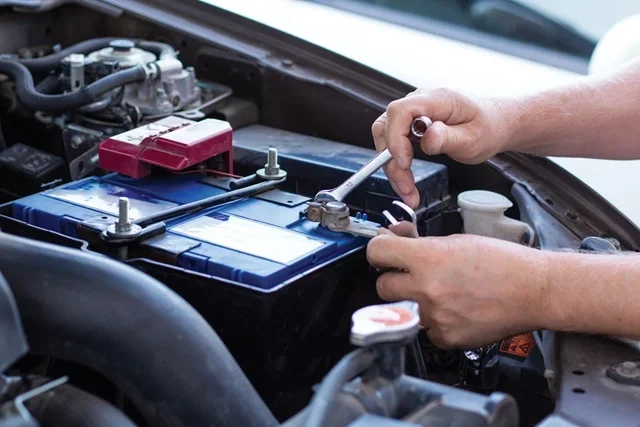
Disconnecting your car battery is one of the oldest tricks in the book for resetting a vehicle’s computer. When you remove the cables from the battery terminal, you cut off power to the entire electrical system. This forces the ECU, or engine control unit, to start fresh when you reconnect everything.
How the Battery Disconnect Method Works
The process is simple on the surface. You pop the hood, locate the battery, and remove the negative cable first. Then you wait for a few minutes to let the capacitors drain completely. Once enough time has passed, you reconnect the cable and start the car. The ECU boots up with no stored data, and all diagnostic trouble codes are wiped clean.
But here is the catch. When you use the battery disconnect method, you are not just clearing codes. You are resetting everything the car has learned since it left the factory. The ECU stores ECU adaptation data that adjusts fuel delivery, idle speed, and transmission shifting based on your driving habits. All of that gets wiped away when you pull the cables.
What Gets Reset When You Pull the Cables
When you disconnect the battery, several systems lose their stored information. Here is what gets cleared:
- All diagnostic trouble codes stored in the ECU memory
- Fuel trim adaptations that the computer learned over time
- Idle speed adjustments calibrated to your specific vehicle
- Transmission shift points and learned driving patterns
- Radio presets and some infotainment settings
- Power window auto-up/down calibration on some models
That is a lot of lost data for just clearing a few codes. This is why many mechanics prefer other methods for simple code resets. However, there are times when a full vehicle computer reset is exactly what you need.
The Good and Bad of the Battery Disconnect Method
Let us be real about the pros and cons here. On the positive side, disconnecting the battery is free. You do not need any special tools or expensive equipment. It works on virtually every car ever made. And it gives you a completely clean slate for your vehicle’s computer system.
On the downside, it can cause real headaches. Your radio will forget your presets. Your power windows may need recalibration. Some cars will put the clock back to factory settings. And on newer vehicles with complex computers, a full battery disconnect can sometimes trigger issues that require a dealership to fix. If you are wondering about battery health, keep in mind that a low battery key fob can drain a car battery over time, so make sure your fob battery is fresh before starting this process.
What Does It Mean to Clear Codes
Clearing codes is the more modern and targeted approach to resetting your car’s check engine light. Instead of cutting power to the entire system, you use a scan tool or OBD2 scanner to communicate directly with the ECU and erase specific fault codes.
How Code Clearing Works
When your car detects a problem, it stores a DTC code, or diagnostic trouble code, in its memory. These codes tell you exactly what system or sensor is causing the issue. A code clearing tool reads these codes and gives you the option to erase them from the ECU memory.
The process takes just a few minutes. You plug the scanner into the OBD2 port, usually located under your steering column. You turn the ignition on, and the scanner communicates with the ECU. You select the codes you want to clear, and the tool erases them. The check engine light goes off, and your car starts fresh with a clean diagnostic slate.
What the OBD2 Scanner Does
A good code clearing tool does much more than just erase codes. Most modern scanners can:
- Read and display all stored fault codes in real time
- Show freeze frame data that captures conditions when the code was triggered
- Provide definitions for each code so you understand what it means
- Clear specific codes while leaving others intact
- Monitor live sensor data to verify repairs were successful
This level of control is something you simply cannot get from a battery disconnect. With a scan tool, you choose exactly what gets cleared and what stays. This makes code clearing the preferred method for most professionals and DIY car owners alike.
When Clearing Codes Is the Right Move
Clearing codes makes the most sense when you have already fixed the problem and just need to reset the light. For example, if you replaced a loose gas cap and the check engine light came on, clearing the code is all you need. The fix is done, and you just want the light off.
Another great time to clear codes is when you are troubleshooting. Read the codes first, understand what they mean, make your repair, and then clear the codes. Drive the car for a few days and see if the codes come back. If they do not, your repair worked. If they do, you know there is still an underlying issue to address.
Is It Better to Disconnect Battery or Clear Codes: The Direct Comparison
Now let us get to the heart of the matter. Is it better to disconnect battery or clear codes? The honest answer is that it depends on your situation. Let us break down the comparison so you can make the best decision for your car.
Side by Side Breakdown
Here is a quick look at how the two methods stack up against each other:
- Cost: Battery disconnect is free. A scan tool costs anywhere from twenty to several hundred dollars depending on features.
- Speed: Code clearing takes minutes. A battery disconnect requires waiting and reconnecting.
- Targeting: Code clearing lets you erase specific codes. Battery disconnect wipes everything in the system.
- Data loss: Battery disconnect erases learned adaptations and personal settings. Code clearing only removes fault codes.
- Effectiveness: Both methods clear codes successfully. But code clearing does it without side effects.
- Tool requirement: Battery disconnect needs only a wrench. Code clearing requires an OBD2 scanner.
Quick Comparison Table
| Feature | Battery Disconnect | Clear Codes |
|---|---|---|
| Cost | Free | Scanner required |
| Resets ECU | Yes, completely | Yes, for selected codes |
| Erases learned data | Yes | No |
| Clears check engine light | Yes | Yes |
| Risk of data loss | High | Low |
| Skill level needed | Basic | Basic |
| Works on all cars | Yes | Yes, with compatible scanner |
As you can see from the table, clearing codes is the safer and more precise option for most situations. The only real advantage of a battery disconnect is that it costs nothing and requires no special equipment.
It is also worth noting that some people use the battery disconnect method to reset car computer after a major repair or a battery replacement. In those cases, a full reset can help the ECU relearn driving patterns from scratch. But for everyday code clearing, a scan tool is the better choice.
When to Disconnect Your Battery Instead
Despite the advantages of code clearing, there are real situations where disconnecting the battery is the better choice. Understanding when to use each method is key to good car maintenance tips.
Situations Where Battery Disconnect Wins
First, use the battery disconnect method when you are dealing with electrical gremlins that keep coming back. If your car has a phantom drain or intermittent electrical issues, a full ECU reset can sometimes clear up strange behavior. The computer gets a clean start and relearns everything from scratch.
Second, disconnect the battery after replacing your car battery. When you install a new battery, the ECU needs time to relearn basic parameters. A brief disconnect helps speed up this process. Just remember that on some vehicles, you may need to reset car computer procedures after reconnecting, such as relearning the idle air control or transmission shift points.
Third, use the disconnect method when you do not have access to a scan tool. If you are stranded somewhere with a check engine light and no scanner in the trunk, removing the negative cable is a perfectly valid way to reset the system temporarily.
One thing to keep in mind is that some systems drain power even when the car is off. Things like interior lights on auto mode or a faulty auto light system can drain the battery over time. If you are dealing with battery drain issues, fixing the root cause is more important than how you clear the codes.
When to Clear Codes Instead
For most everyday situations, clearing codes with a scanner is the smarter approach. It is faster, safer, and preserves all the learned settings your car has built up over time.
Situations Where Code Clearing Wins
First, clear codes after you have completed a repair. Whether you replaced a sensor, fixed a vacuum leak, or repaired an electrical connection, clearing the codes lets you verify the fix worked. Drive the car for a few days and monitor whether the codes return. If they stay off, your repair was successful.
Second, use code clearing when you need to pass an emissions inspection. Many states check for pending codes and readiness monitors. Clearing codes and driving the car through a complete drive cycle can set all readiness monitors to ready, which is what inspectors look for.
Third, clear codes when you want to track down intermittent problems. Read the codes, clear them, and then drive normally. If the problem comes back, the codes will return and give you more data to work with. This is a much better approach than a full battery disconnect because it preserves your car’s learned settings while still giving you fresh diagnostic information.
If you are wondering whether it is safe to drive after clearing codes, the answer is usually yes. However, if the check engine light was on due to a serious issue, you should address the problem first. For more guidance on this, check out our article on can I still drive my car if it says engine malfunction for important safety information.
Common Mistakes People Make
Even experienced car owners make mistakes when it comes to resetting codes. Here are the most common errors and how to avoid them.
Mistakes with Battery Disconnect
The biggest mistake people make is not waiting long enough. When you disconnect the battery, you need to wait at least fifteen to thirty minutes for the ECU to fully discharge. Simply removing and reconnecting the cables too quickly does not give the system enough time to reset completely.
Another common error is removing the positive cable first. Always remove the negative cable first and reconnect it last. This prevents the risk of short circuits and sparks near the battery. If you are unsure about any part of the process, remember that some reset procedures require specific steps, and the same care applies here.
Some people also forget that a battery disconnect does not fix the underlying problem. The codes will come back if the actual issue is not repaired. Clearing codes without fixing the problem is like putting a bandage on a wound and never cleaning it.
Mistakes with Code Clearing
The most common mistake with code clearing is erasing codes before diagnosing the problem. If you clear codes without understanding what they mean, you lose valuable diagnostic information. Always read and record the codes first, then make your repair, and finally clear the codes.
Another mistake is using a cheap or incompatible scanner. Not all OBD2 scanners work on all vehicles. Make sure your scanner supports your car’s make, model, and year. A basic scanner handles generic codes, but advanced vehicles may need a more capable tool to read manufacturer-specific codes.
Finally, some people clear codes and immediately assume the problem is fixed without test-driving the car. Always drive through a complete drive cycle after clearing codes to confirm the repair worked and all readiness monitors reset properly.
Expert Insights on Resetting Your Car’s Computer
Professional mechanics have strong opinions about this topic, and for good reason. They see the aftermath of both methods every single day in the shop.
Most experienced technicians prefer the code clearing method for everyday use. It is precise, safe, and does not cause side effects. A quality scan tool gives you control over exactly what gets reset and what stays intact. This is especially important on modern vehicles with complex computers and learned adaptations.
However, seasoned mechanics also acknowledge that the battery disconnect method has its place. After a battery replacement, during certain electrical repairs, or when dealing with persistent electrical gremlins, a full power cut can do what a scanner cannot. The key is knowing when each method is appropriate.
One expert tip that many mechanics share is to always check for pending codes before clearing anything. Pending codes are early warnings that have not yet triggered the check engine light. Clearing these before they become permanent codes can prevent bigger problems down the road. This is something a scan tool can do that a battery disconnect cannot.
If you are working on a hybrid or electric vehicle, the rules change significantly. These vehicles have high-voltage systems and specialized computers that require specific procedures. For hybrid vehicles, you may want to research whether you can safely reset systems without professional help.
Final Thoughts
So, is it better to disconnect battery or clear codes? For most car owners in most situations, the answer is clear: clearing codes with an OBD2 scanner is the better choice. It is faster, safer, and preserves all the learned settings that make your car run its best. You get targeted results without any of the side effects that come with pulling the battery cables.
That said, the battery disconnect method is not useless. It has real value in specific situations like after a battery replacement or when dealing with stubborn electrical issues. The key is understanding what each method does and choosing the right tool for the job at hand.
Whichever method you choose, remember one golden rule: never clear codes without fixing the underlying problem first. The check engine light is your car’s way of telling you something needs attention. Clear the light only after the repair is complete, and always verify that the fix worked by driving the car through a full drive cycle.
Take your time, use the right tools, and trust the process. Your car will thank you for it. And if you ever find yourself unsure about what those flashing lights on your dash mean, now you have the knowledge to handle it with confidence.
Frequently Asked Questions
Will disconnecting the battery erase my radio presets and settings?
Yes, it can. Disconnecting the battery resets the entire electrical system, which means your radio presets, clock settings, and some infotainment preferences may be lost. Some vehicles also require a relearn procedure for power windows and mirrors after a battery disconnect. This is one of the main reasons many people prefer using a scan tool to clear codes instead.
Can I clear codes without a scanner?
Not really. The only way to clear codes without a scanner is to disconnect the battery, which wipes everything. There is no other method to selectively erase fault codes from the ECU. If you want to clear codes without losing other data, you need an OBD2 scanner. Basic scanners are affordable and widely available at auto parts stores.
How long should I wait after disconnecting the battery before reconnecting?
Wait at least fifteen to thirty minutes after disconnecting the battery. This gives the ECU enough time to fully discharge and reset. On some vehicles with complex computers, you may need to wait even longer. Simply removing and reconnecting the cables in seconds does not allow the system to fully reset.
Will clearing codes fix my check engine light permanently?
No, not if the underlying problem is not fixed. Clearing codes only erases the stored fault codes from memory. If the actual issue that triggered the codes is still present, the ECU will detect it again and the codes will return. Always diagnose and repair the root cause before clearing any codes.
Is it safe to drive with the check engine light on after clearing codes?
It depends on why the light came on in the first place. If the code was minor, like a loose gas cap, driving is usually fine. But if the code indicates a serious problem like engine misfires or low oil pressure, you should address the issue before driving. When in doubt, get your vehicle inspected by a qualified mechanic before hitting the road.
Do I need any special tools to clear codes myself?
You need an OBD2 scanner that is compatible with your vehicle. Basic code readers cost twenty to fifty dollars and handle generic OBD2 codes. More advanced scanners cost more but can read manufacturer-specific codes and provide live sensor data. Many auto parts stores will read and clear codes for free if you bring your car in.