How Many Labor Hours Does It Take to Replace Serpentine Belt
Replacing a serpentine belt typically takes between 0.5 and 1.5 labor hours for most vehicles. The exact time depends on your car model, engine layout, and how accessible the belt is. DIY replacement can save you money, but proper routing and tension are essential for safe operation.
Have you ever heard a loud squeal coming from under your hood? That sound might mean your serpentine belt is worn out and needs replacement. This single belt drives multiple accessories in your engine, including the alternator, power steering pump, water pump, and air conditioning compressor.
Knowing how many labor hours it takes to replace a serpentine belt helps you plan your budget and decide whether to tackle the job yourself. Most mechanics can complete this job in under two hours. But several factors can change that timeline. Let us break it all down for you.
The serpentine belt replacement process is one of the simpler maintenance jobs on any vehicle. Unlike timing belts or chains, the serpentine belt sits on the outside of the engine. This makes it much more accessible. Whether you visit a dealership or an independent shop, the labor involved is usually straightforward and quick.
Key Takeaways
- Average labor time: Most serpentine belt replacements take 30 minutes to 1.5 hours
- Cost range: Labor costs typically run $75 to $200 depending on your mechanic’s hourly rate
- DIY-friendly: Many car owners can handle this job at home with basic tools
- Signs of wear: Squealing, cracking, or fraying means it is time for a replacement
- Belt lifespan: Most serpentine belts last between 50,000 and 100,000 miles
- Routing matters: Always refer to your vehicle’s belt diagram for correct installation
📑 Table of Contents
- What Is a Serpentine Belt and Why Does It Matter?
- How Many Labor Hours Does It Take to Replace a Serpentine Belt?
- Serpentine Belt Replacement Cost Breakdown
- Can You Replace a Serpentine Belt Yourself?
- How Often Should You Replace Your Serpentine Belt?
- Why Serpentine Belt Replacement Is Important
- Expert Tips for Serpentine Belt Longevity
- When to See a Professional
- Conclusion
What Is a Serpentine Belt and Why Does It Matter?
The serpentine belt is a long, winding belt that connects the engine crankshaft to various accessories. It gets its name from the way it snakes around multiple pulleys. Without it, your alternator stops charging, your power steering goes heavy, and your water pump stops circulating coolant.
How the Serpentine Belt Works
When your engine runs, the crankshaft turns the serpentine belt. That belt then transfers power to each accessory pulley. Think of it as the backbone of your engine’s accessory system. If this belt breaks, everything it drives stops working at once.
Most modern vehicles use a single serpentine belt instead of multiple V-belts. This design is simpler and more efficient. Serpentine belt lifespan has improved over the years too. Today, these belts regularly last between 50,000 and 100,000 miles with proper care.
Common Serpentine Belt Symptoms
Watch for these warning signs that your belt needs attention:
- Squealing noise: A high-pitched squeal when you start the engine or turn the steering wheel
- Cracking or glazing: Visible cracks or a shiny, glazed surface on the belt
- Fraying edges: Worn or frayed edges indicate the belt is deteriorating
- Accessory failure: Power steering becomes stiff or the air conditioning stops blowing cold air
- Battery warning light: A dead serpentine belt means the alternator stops charging the battery
If you notice any of these symptoms, get your belt inspected right away. Driving with a damaged belt can cause serious engine damage if the water pump stops working.
How Many Labor Hours Does It Take to Replace a Serpentine Belt?
The short answer is 0.5 to 1.5 labor hours for most vehicles. But the real answer depends on several factors. Let us look at what influences the time it takes to complete this serpentine belt replacement.
Factors That Affect Labor Time
Several things can change how long the job takes:
- Engine layout: Some engines have tight spaces around the belt area. Straightforward engines with easy access take less time.
- Belt tensioner type: Automatic tensioners release quickly. Manual tensioners require you to pry and adjust, which adds time.
- Accessory placement: If the alternator or other components are hard to reach, the mechanic needs more time.
- Rust or corrosion: Older vehicles may have seized bolts or rusted parts that slow down the process.
- Mechanic experience: A seasoned technician works faster than someone doing the job for the first time.
For most common vehicles, expect the job to take about one hour. Luxury cars or trucks with tight engine bays might push closer to two hours. Serpentine belt routing also plays a role. If the belt path is complex, it takes more care and time to get it right.
Labor Time by Vehicle Type
Here is a general breakdown of labor time based on vehicle type:
- Compact cars: 30 minutes to 1 hour
- Mid-size sedans: 45 minutes to 1.5 hours
- Trucks and SUVs: 1 to 1.5 hours
- Luxury or performance vehicles: 1.5 to 2.5 hours
These are averages. Always check your specific vehicle model for more accurate estimates. The belt tensioner design and engine configuration are the biggest variables.
Serpentine Belt Replacement Cost Breakdown
Understanding the cost helps you budget for this car maintenance job. The total cost includes both parts and labor.
Parts Cost
A new serpentine belt costs between $25 and $75 for most vehicles. Premium or specialty belts can cost more. The belt tensioner itself may also need replacement if it is worn. Tensioner replacement adds $100 to $300 to the parts cost.
Labor Cost
Labor rates vary widely depending on where you go. Here is what to expect:
- Independent shops: $80 to $130 per hour
- Dealerships: $100 to $200 per hour
- Quick-lube shops like Jiffy Lube: $70 to $120 per hour
At an average labor rate of $100 per hour and 1 hour of work, you can expect to pay around $100 for labor alone. Add the cost of the belt, and your total serpentine belt cost typically runs between $125 and $200.
If you also need to replace the tensioner or idler pulley, the bill goes up. Always ask for a detailed estimate before the work begins. This way there are no surprises.
Can You Replace a Serpentine Belt Yourself?
Yes, many car owners can handle this job at home. The DIY serpentine belt replacement is one of the more accessible maintenance tasks. You do not need advanced mechanical skills or expensive tools.
Tools You Will Need
Gather these items before you start:
- A socket set and ratchet
- A serpentine belt tool or breaker bar
- The new serpentine belt (matched to your vehicle)
- A belt routing diagram (check your owner’s manual)
- Basic hand tools
Step-by-Step Replacement Process
Follow these steps for a successful replacement:
- Find the belt diagram: Look under the hood for a sticker showing the belt routing. If there is no sticker, consult your owner’s manual.
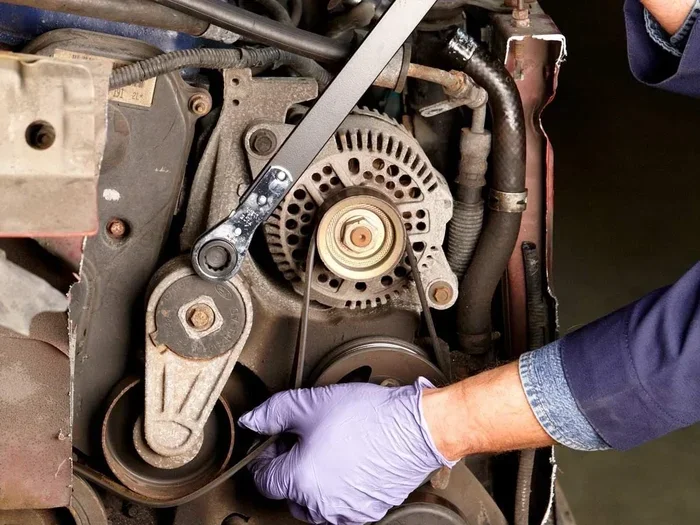
- Release tension: Use the serpentine belt tool to rotate the tensioner. This releases the belt so you can slide it off.
- Remove the old belt: Carefully slide the belt off the pulleys. Note which direction it was running.
- Inspect the components: Check the tensioner, idler pulleys, and all accessories for wear or damage.
- Install the new belt: Follow the routing diagram exactly. Seat the belt on each pulley before releasing tension.
- Release the tensioner: Slowly let the tensioner back. The belt should sit snugly on all pulleys.
- Start the engine: Run the engine for a few minutes and listen for any unusual noises.
If you have ever changed a car thermostat yourself, this job is similar in difficulty. It is a great first DIY project for beginners.
Common DIY Mistakes to Avoid
- Wrong belt routing: Even one pulley off the correct path causes the belt to slip or damage components
- Forgetting to release tension: If you do not fully release the tensioner, the belt will not seat properly
- Using the wrong belt: Always match the belt part number to your specific vehicle
- Skipping the inspection: A worn tensioner will damage your new belt quickly
Take your time and follow the diagram carefully. Rushing through the belt replacement procedure leads to mistakes and extra trips to the parts store.
How Often Should You Replace Your Serpentine Belt?
Most manufacturers recommend replacing the serpentine belt every 50,000 to 100,000 miles. However, this varies based on driving conditions and vehicle type. Regular inspection can help you catch wear before it becomes a problem.
Maintenance Schedule
Here is a general maintenance timeline:
- Every 25,000 miles: Visual inspection during oil changes
- Every 50,000 miles: Check for cracks, glazing, and fraying
- Every 60,000 to 100,000 miles: Replace the belt proactively
For specific guidance, check your vehicle’s maintenance schedule. If you own a Toyota Camry, the timing belt replacement interval is a separate maintenance item and should not be confused with serpentine belt service. The two belts serve completely different purposes.
If you are unsure about your vehicle’s schedule, ask your mechanic during your next oil change. Many shops include a belt inspection as part of their standard service. This is also a good time to check whether your transmission has a dipstick and needs fluid service.
Factors That Shorten Belt Life
Certain conditions wear out serpentine belts faster:
- Driving in extreme heat or cold
- Frequent short trips where the engine does not reach full operating temperature
- Excessive load from accessories like aftermarket audio systems or winches
- Oil or coolant leaks that contaminate the belt
- Misaligned pulleys that cause uneven wear
If you drive in harsh conditions, consider replacing the belt more frequently. Prevention is always cheaper than repair.
Why Serpentine Belt Replacement Is Important
Some car owners ignore a squealing belt or a small crack. That is a mistake. A failing serpentine belt can leave you stranded and cause expensive damage.
What Happens When the Belt Breaks?
When a serpentine belt snaps while driving, several things happen immediately:
- The alternator stops charging, so your battery drains quickly
- Power steering becomes very heavy, especially at low speeds
- The water pump stops, which can cause the engine to overheat
- The air conditioning compressor stops working
An overheating engine can lead to catastrophic damage. Replacing a $50 belt is far cheaper than fixing a blown engine. This is why staying on top of your car maintenance schedule matters so much.
If you are dealing with parts availability, keep in mind that car parts can sometimes be on backorder, especially for older or rare vehicles. Plan ahead and order your replacement belt before you need it.
Expert Tips for Serpentine Belt Longevity
Want your new belt to last as long as possible? Follow these expert tips:
- Inspect regularly: Look at your belt every few months during routine hood checks
- Keep it clean: Wipe away oil, coolant, or debris that contacts the belt
- Address leaks promptly: Oil or coolant leaks destroy belts quickly
- Replace the tensioner with the belt: If your tensioner is at the end of its life, replace both at the same time
- Use OEM or high-quality aftermarket belts: Cheap belts wear out faster and may not fit correctly
These simple steps extend the life of your belt and keep your accessories running smoothly. A little preventive care goes a long way toward avoiding roadside breakdowns.
When to See a Professional
While DIY replacement is doable for many owners, some situations call for a professional. If your engine layout makes the belt very difficult to access, a mechanic is your best bet. Also, if the belt has broken and you are unsure what caused it, a professional can diagnose underlying issues.
If you have questions about your vehicle’s warranty, check whether you can take your Toyota to any dealership for warranty work before scheduling service. This can save you money and headaches.
Most trusted shops offer a warranty on their labor and parts. This gives you peace of mind that the job was done right. When in doubt, get a professional opinion. It is always better to be safe than sorry with engine components.
Conclusion
Replacing a serpentine belt is a quick and affordable maintenance job that keeps your vehicle running smoothly. Most replacements take between 0.5 and 1.5 labor hours, making it one of the fastest common repairs. Whether you do it yourself or visit a shop, staying ahead of belt wear prevents costly breakdowns and engine damage.
Pay attention to the warning signs. Squealing, cracking, or fraying are your belt telling you it is time for a change. Keep up with your maintenance schedule, inspect the belt regularly, and do not ignore unusual noises. Your serpentine belt is a small part that plays a huge role in your vehicle’s operation.
With the right tools, a clear diagram, and a little patience, you can handle this job in under an hour. Or you can let a professional handle it for a reasonable labor cost. Either way, this is one maintenance task you should never skip.
Frequently Asked Questions
Can I drive my car with a worn serpentine belt?
You should avoid driving with a worn belt. A damaged belt can snap at any moment, leaving you stranded and potentially causing engine overheating. Replace it as soon as you notice symptoms like squealing or visible cracking.
How much does it cost to replace a serpentine belt at a dealership?
At a dealership, expect to pay between $150 and $300 total for parts and labor. Dealerships charge higher hourly rates than independent shops, but they often use OEM parts and provide warranty coverage on the work.
Is serpentine belt replacement a hard job?
No, it is one of the simpler maintenance jobs. Most people with basic mechanical skills can do it at home in under an hour. The hardest part is usually getting the belt tensioner to release, which requires the right tool.
What happens if the serpentine belt breaks while driving?
If the belt breaks while driving, you will lose power steering, the alternator will stop charging the battery, and the water pump will stop working. Pull over safely and call for a tow. Do not continue driving with a broken belt.
Can a serpentine belt cause overheating?
Yes, if the serpentine belt drives the water pump and it breaks, the water pump stops circulating coolant. This can cause the engine to overheat quickly. Always address belt issues promptly to prevent overheating damage.
How do I find the serpentine belt routing diagram for my car?
Check under the hood for a sticker on the radiator support or fan shroud. If there is no sticker, your owner’s manual will have the diagram. You can also find it online by searching for your specific vehicle make, model, and year.