How Long to Leave a Car Running for Transmission Fluid
You should let your car idle for about 3 to 5 minutes before checking transmission fluid, allowing the engine to reach normal operating temperature. Always check transmission fluid with the engine running and the car in park on a level surface. Following the correct procedure ensures you get an accurate reading and protects your transmission from costly damage.
Have you ever popped the hood, pulled the transmission dipstick, and wondered if your car had been running long enough? You are not alone. How long to leave a car running for transmission fluid is one of the most common questions car owners ask, and for good reason. Getting the timing wrong can lead to inaccurate readings, poor maintenance decisions, and even expensive transmission repairs down the road.
Checking your transmission fluid might seem like a simple task. But there is a right way and a wrong way to do it. The engine temperature matters. The gear position matters. Even the surface you park on matters. This guide walks you through everything you need to know, step by step, so you can check your fluid with confidence every single time.
We will cover exactly how long to warm up your engine, why that warm-up period matters, and what common mistakes to avoid. Whether you are a first-time car owner or someone who has been doing your own oil changes for years, you will find practical tips here that make the process easy and reliable.
Key Takeaways
- Warm Up First: Let the car idle for 3 to 5 minutes before checking transmission fluid for the most accurate reading.
- Engine Must Be Running: Transmission fluid expands when warm, so checking it while the engine is off gives false results.
- Level Surface Matters: Always park on a flat surface and engage the parking brake before checking fluid levels.
- Color and Smell Tell a Story: Healthy fluid is red and smells slightly sweet; dark or burnt fluid signals a problem.
- Don’t Overfill: Adding too much fluid can cause foaming and pressure issues inside the transmission.
- Check Your Owner’s Manual: Every vehicle has specific recommendations for when and how to check transmission fluid.
📑 Table of Contents
- Why Engine Temperature Matters for Transmission Fluid
- How Long Should You Let Your Car Run Before Checking?
- Step-by-Step: How to Check Transmission Fluid
- Common Mistakes When Checking Transmission Fluid
- When to Replace Transmission Fluid Instead of Just Topping Off
- Expert Tips for Maintaining Your Transmission
- Conclusion
Why Engine Temperature Matters for Transmission Fluid
Transmission fluid behaves differently depending on its temperature. When the engine is cold, the fluid is thick and contracts. It sits lower in the reservoir and does not flow the way it should. This means a cold reading will almost always be inaccurate.
When you let the engine warm up, the fluid heats and expands. It reaches its normal operating viscosity. At that point, the level reading on the dipstick becomes reliable. Checking transmission fluid with the engine at operating temperature gives you the true picture of how much fluid is actually in the system.
The Science Behind Fluid Expansion
Most transmission fluids are petroleum-based or synthetic blends. They expand when heated and contract when cooled. The difference between a cold reading and a warm reading can be significant enough to throw off your judgment. Some vehicles show a noticeable gap between the cold and hot marks on the dipstick.
This is exactly why manufacturers recommend checking fluid after a short warm-up. The fluid needs enough heat to reach its normal state but not so much heat that it becomes dangerously hot. A brief idle period does the job perfectly.
What Happens If You Check Fluid When the Engine Is Cold?
If you check the fluid with a cold engine, you might think the level is low and add more fluid than needed. Overfilling a transmission can cause problems of its own. Excess fluid can foam, creating air bubbles that reduce hydraulic pressure. This leads to slipping gears, poor shifting, and potential damage to internal components.
On the flip side, some people wait too long and check the fluid after a long drive when the engine is extremely hot. Fluid that is overheated can give a falsely high reading because it has expanded beyond its normal range. The key is finding the sweet spot: a warm engine that has been idling for a few minutes.
How Long Should You Let Your Car Run Before Checking?
The short answer is 3 to 5 minutes of idling. This gives the engine and transmission enough time to reach normal operating temperature without overheating. But the exact timing depends on a few factors, which we will break down below.
The 3-to-5 Minute Rule
Start your car and let it idle in park. Do not rev the engine. Just let it sit at a normal idle speed. After about 3 minutes, the coolant temperature begins to rise. After 5 minutes, the transmission fluid has typically reached a stable temperature around 120 to 180 degrees Fahrenheit, depending on your vehicle.
This is the ideal window for pulling the dipstick and getting an accurate reading. If you live in a cold climate, you might need to let it idle a minute or two longer. In warm weather, 3 minutes is usually plenty.
Factors That Affect Warm-Up Time
Several things can change how long you need to wait:
- Outdoor temperature: Cold weather slows down the warm-up process significantly.
- Engine size: Larger engines take longer to reach operating temperature.
- Transmission type: Automatic transmissions generally warm up faster than manual ones.
- Vehicle age: Older cars with higher mileage may take slightly longer.
- Coolant condition: Fresh coolant helps the engine reach temperature faster.
The best practice is to keep it simple. Start the car, let it idle for 3 to 5 minutes, and then check the fluid. You do not need to drive anywhere. Just a short idle period does the trick.
Step-by-Step: How to Check Transmission Fluid
Now that you know how long to warm up the engine, let us walk through the actual process of checking the fluid. Following these steps ensures you get a safe and accurate reading every time.
Step 1: Park on a Level Surface
Find a flat, level parking spot. If your driveway slopes even slightly, the fluid will shift to one side of the pan and give you a false reading. Engage the parking brake firmly before you do anything else.
Step 2: Start the Engine and Let It Idle
Start the car and let it idle in park. Do not press the gas pedal. Just let the engine run at its normal idle speed. Wait 3 to 5 minutes for the fluid to warm up.
Important: Always check transmission fluid with the engine running. Unlike engine oil, which you check with the engine off, transmission fluid needs to be circulating to give an accurate level reading. This is a common mistake that trips up many car owners.
Step 3: Locate the Transmission Dipstick
Open the hood and look for the transmission dipstick. It is usually located near the back of the engine bay, close to the firewall. The handle is often colored red or yellow to help you spot it. If you have trouble finding it, refer to your owner’s manual.
Some modern vehicles do not have a traditional dipstick. These cars use sealed transmission units that require a scan tool to read fluid levels. If your car falls into this category, you may need to visit a mechanic for a proper check.
Step 4: Pull the Dipstick and Wipe It Clean
Pull the dipstick out and wipe it with a clean rag or paper towel. Reinsert it fully, then pull it out again. Look at the fluid level markings on the end of the stick. Most dipsticks have two lines: a full line and a low line. The fluid should fall between these marks.
Step 5: Check the Fluid Color and Smell
While you have the dipstick out, take a moment to examine the fluid itself. Healthy transmission fluid is typically red or pinkish and has a slightly sweet smell. If the fluid looks dark brown or black, or if it smells burnt, it is time for a fluid change.
Metal particles or a gritty texture on the dipstick can indicate internal transmission wear. These are warning signs you should not ignore.
Step 6: Add Fluid if Needed
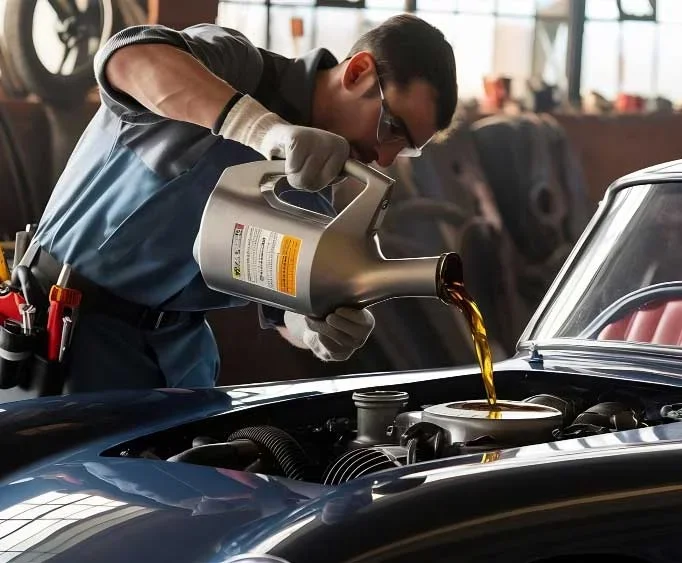
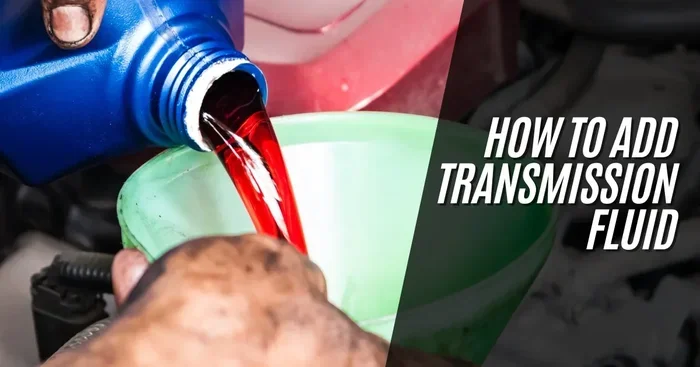
If the level is below the full mark, you need to add more fluid. Use a funnel and pour the fluid slowly into the dipstick tube. Add small amounts at a time and recheck the level. Overfilling is just as bad as underfilling, so go slowly and be patient.
Always use the type of transmission fluid recommended by your vehicle manufacturer. Using the wrong fluid can cause compatibility issues and damage internal components.
Common Mistakes When Checking Transmission Fluid
Even experienced car owners make mistakes when checking transmission fluid. Here are the most common errors and how to avoid them.
Checking the Fluid with the Engine Off
This is the number one mistake. Transmission fluid expands when warm and needs to be circulating to give an accurate reading. Always check it with the engine running and the car in park. If you check it with the engine off, you will almost always get a reading that is too low.
Not Waiting Long Enough
Some people start the car and immediately pull the dipstick. This gives you a cold reading that is not reliable. Take the extra few minutes to let the engine warm up. The 3-to-5 minute wait is a small price to pay for an accurate result.
Ignoring the Parking Brake
Forgetting to engage the parking brake is a safety risk. The car could roll, especially if you need to get out and look underneath. Always set the parking brake before you start any under-hood work.
Using the Wrong Type of Fluid
Not all transmission fluids are the same. There are different formulations for different transmission types. Using the wrong fluid can lead to poor shifting, overheating, and premature wear. Always check your owner’s manual for the correct specification.
Overlooking Fluid Leaks
If you notice the fluid level dropping quickly, you may have a leak. Common leak points include the transmission pan gasket, the axle seals, and the cooler lines. Addressing leaks early can prevent major transmission damage and save you hundreds of dollars in repairs.
When to Replace Transmission Fluid Instead of Just Topping Off
Sometimes checking the fluid reveals a bigger problem than a low level. Knowing when to replace the fluid entirely is just as important as knowing how to check it.
Signs Your Fluid Needs Replacing
Watch for these warning signs:
- The fluid is dark brown or black in color.
- You notice a burnt smell coming from the fluid.
- The fluid contains visible metal particles or debris.
- You experience rough or delayed shifting.
- The transmission slips in and out of gear.
- You hear unusual grinding or whining noises.
If you notice any of these symptoms, a simple top-off will not solve the problem. You need a full fluid and filter change. Most manufacturers recommend replacing transmission fluid every 30,000 to 60,000 miles, though this varies by vehicle and driving conditions.
How Often Should You Check?
As a general rule, check your transmission fluid at least once a month. This gives you a baseline and helps you catch problems early. If you tow heavy loads, drive in stop-and-go traffic, or live in a hot climate, you may need to check more frequently. These conditions put extra stress on the transmission and can degrade the fluid faster.
Expert Tips for Maintaining Your Transmission
Beyond just checking the fluid, there are simple habits that keep your transmission healthy for the long haul. These tips come from experienced mechanics and transmission specialists who have seen it all.
Warm Up Before Driving Hard
On cold mornings, give your car a minute or two to warm up before driving aggressively. This allows the transmission fluid to circulate and lubricate all the internal components properly. Cold fluid is thicker and does not protect as well.
Watch for Warning Signs
Do not ignore warning lights on your dashboard. If the check engine light comes on or you see a transmission warning indicator, get it checked promptly. Early detection of problems saves money and prevents breakdowns.
Keep Up with Regular Service
Follow your vehicle’s maintenance schedule for transmission service. Regular fluid changes and filter replacements go a long way toward extending the life of your transmission. Think of it as an investment that pays off by avoiding major repairs.
For more information about related car maintenance topics, you might find our article on whether you should check transmission fluid while the car is running helpful. It covers the reasoning behind the running-engine requirement in more detail. Also, if you have ever wondered about dipstick availability across different vehicles, our piece on whether every transmission has a dipstick provides great insights.
Understanding your car’s maintenance needs builds confidence and saves money over time. The more you know about basic checks like transmission fluid, the better equipped you are to handle issues before they become serious problems.
Conclusion
Knowing how long to leave a car running for transmission fluid is a simple but essential skill for every car owner. The answer is straightforward: let your car idle for 3 to 5 minutes before checking. This warm-up period ensures the fluid is at the right temperature for an accurate reading.
Always check the fluid with the engine running, on a level surface, with the parking brake engaged. Look at the color and smell of the fluid, not just the level. And when the fluid shows signs of degradation, do not hesitate to perform a full replacement.
Transmission maintenance does not have to be complicated. With the right knowledge and a few simple tools, you can keep your car shifting smoothly for years to come. Take a few minutes today to check your fluid. Your future self will thank you when your transmission keeps running strong.
Frequently Asked Questions
Can I check transmission fluid with the car in drive?
No, you should always check transmission fluid with the car in park and the parking brake engaged. Checking it in drive can give an inaccurate reading and is also unsafe. The transmission needs to be in a neutral or park position for the fluid to settle properly.
What is the best temperature to check transmission fluid?
The ideal temperature for checking transmission fluid is between 120 and 180 degrees Fahrenheit. This is typically reached after 3 to 5 minutes of idling. Some vehicles have specific temperature requirements listed in the owner’s manual, so it is always worth checking.
How do I know if my transmission fluid is low?
Pull the dipstick after warming up the engine and look at the level markings. If the fluid falls below the full mark, it is low. Other signs of low fluid include slipping gears, delayed shifting, and a burning smell. Low fluid can cause serious transmission damage if not addressed quickly.
Can I add transmission fluid without checking the level first?
You should always check the level before adding fluid. Adding fluid without checking can lead to overfilling, which causes foaming and pressure problems. Add fluid in small amounts, recheck the level, and stop once it reaches the full mark on the dipstick.
Is it normal for transmission fluid to get darker over time?
Some darkening is normal as the fluid ages and picks up contaminants. However, if the fluid turns very dark brown or black and starts to smell burnt, it is time for a change. Fresh transmission fluid should be red or pinkish with a slightly sweet smell.
What happens if I never change my transmission fluid?
Over time, transmission fluid breaks down and loses its lubricating properties. Old fluid can cause increased friction, overheating, and premature wear on internal components. Neglecting fluid changes is one of the leading causes of transmission failure, which can result in very expensive repairs.