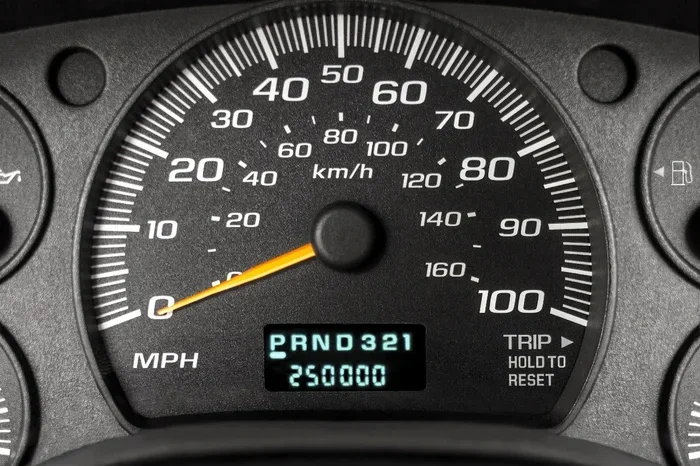
Can You Really Drive 000 Miles Without an Oil Change
Modern synthetic oils and advanced engines have changed the game. Many new vehicles can go 10,000 miles or more between oil changes. However, your driving habits, oil type, and vehicle age all play a big role. Let us walk you through everything you need to know about extending your oil change interval safely.
This is a comprehensive guide about 000 Miles Without an Oil Change?.
Key Takeaways
- Longer intervals are possible: Synthetic oils and modern engines allow many cars to go 10,000 miles or more.
- Check your owner’s manual: The manufacturer’s recommendation is your best guide for safe oil change intervals.
- Driving conditions matter: Severe driving shortens oil life, even if your car says otherwise.
- Oil life monitors help: These systems track actual engine conditions, not just mileage.
- Older engines need more care: High-mileage vehicles may still need more frequent changes.
- Skipping too often risks engine damage: Neglecting oil changes can lead to costly repairs.
- Quality oil makes a difference: Full synthetic oils last longer and protect better than conventional options.
[FEATURED_IMAGE_PLACEHOLDER]
You have probably seen the sticker on your windshield or gotten that annoying reminder on your dashboard. It says your car is due for an oil change. But what if you just drove 10,000 miles and the light has not come on yet? Can you really drive 10,000 miles without an oil change?
The short answer is yes, for many modern vehicles. The longer answer depends on your car, the type of oil you use, and how you drive. Engine oil technology has come a long way in the last decade. Cars are built better, and oils are formulated to last much longer than they used to.
In this guide, we will break down everything you need to know. We will look at manufacturer recommendations, the role of synthetic oil, how oil life monitors work, and when it is safe to push the limit. By the end, you will know exactly what your car needs and why.
Why Oil Changes Matter for Engine Health
Engine oil is the lifeblood of your vehicle. It lubricates moving parts, reduces friction, and keeps your engine cool. Over time, oil breaks down and loses its effectiveness. Dirty oil leads to increased engine wear and can cause serious damage over time.
What Happens When You Skip Oil Changes
When oil sits in your engine too long, it degrades. The additives that protect your engine wear out. Contaminants like dirt, metal particles, and fuel residue build up. Here is what can go wrong:
- Increased friction: Metal parts grind against each other without proper lubrication.
- Overheating: Old oil cannot regulate temperature as effectively.
- Sludge buildup: Contaminated oil forms sludge that clogs passages.
- Reduced fuel economy: A poorly lubricated engine works harder and uses more fuel.
- Engine failure: In extreme cases, neglecting oil changes can destroy your engine entirely.
The good news is that modern oils and engines are far more forgiving than older models. You do not need to change your oil every 3,000 miles anymore. That old rule of thumb is outdated for most vehicles on the road today.
Can You Really Drive 10,000 Miles Without an Oil Change?
This is the big question, and the answer is not a simple yes or no. It depends on several factors that we will break down below. The truth is, many car owners can safely extend their oil change interval well beyond traditional recommendations.
Manufacturer Recommendations Vary
Every carmaker sets its own oil change schedule. Some recommend changes every 5,000 miles. Others say 7,500 miles. And a few modern vehicles claim 10,000 miles or even 15,000 miles is acceptable. Here is a quick look at what different brands suggest:
| Manufacturer | Recommended Interval | Oil Type Suggested |
|---|---|---|
| Toyota | 10,000 miles or 12 months | Synthetic or conventional |
| Honda | 7,500-10,000 miles | Full synthetic preferred |
| Ford | 10,000 miles (with synthetic) | Full synthetic |
| BMW | 10,000-15,000 miles | Full synthetic |
| Chevrolet | 7,500-10,000 miles | Dexos synthetic |
Always check your owner’s manual first. The manufacturer recommendation is based on extensive testing with your specific engine. Following it is the safest approach.
The Role of Synthetic Oil
Not all engine oil is created equal. Synthetic oil is engineered in a lab to provide superior protection and longer life. It resists thermal breakdown better than conventional oil. It also handles extreme temperatures more effectively.
Here is why synthetic oil makes longer intervals possible:
- Better viscosity stability: It maintains its thickness across a wider temperature range.
- Superior additive package: The protective chemicals last longer before depleting.
- Fewer impurities: Synthetic oil starts cleaner and stays cleaner longer.
- Reduced oxidation: It resists chemical breakdown from heat and air exposure.
If your vehicle uses full synthetic oil, you have a much better chance of safely reaching 10,000 miles. Cars that use conventional oil may need more frequent changes, even with modern technology.
How Oil Life Monitoring Systems Work
Most newer vehicles come equipped with an oil life monitor. This is a computer system that tracks your driving habits and engine conditions. It does not just count miles. It analyzes multiple factors to determine when your oil actually needs changing.
What the System Tracks
The oil life monitor considers several inputs to calculate oil health:
- Engine temperature: Hotter operating conditions break down oil faster.
- Driving frequency: Short trips with frequent starts are harder on oil.
- Load and RPM: Heavy acceleration and towing stress the oil more.
- Ambient temperature: Extreme cold or heat affects oil performance.
- Idle time: Extended idling can contaminate oil more quickly.
When the system determines the oil has reached its limit, it triggers a warning. Many drivers trust this indicator completely. And for the most part, that is a good approach. The system is designed by the same engineers who built your engine.
However, some experts recommend being more conservative. If you drive in harsh conditions, you might want to change your oil before the monitor triggers. We will cover severe driving conditions in the next section.
Driving Conditions That Shorten Oil Life
Not all driving is equal. Some conditions put extra stress on your engine oil, regardless of what your manual says. Understanding these conditions helps you decide whether you can safely extend your mileage interval or need to change your oil sooner.
What Is Considered Severe Driving?
The AAA and many automakers define severe driving conditions as:
- Frequent short trips under 5 miles in normal weather
- Short trips under 10 miles in freezing weather
- Driving in extreme heat or cold
- Stop-and-go city driving for long periods
- Towing a trailer or carrying heavy loads
- Driving on dusty, muddy, or gravel roads
- Frequent idling or low-speed driving for long distances
If any of these sound familiar, your oil may degrade faster than the oil life monitor suggests. In these cases, consider reducing your oil change interval by 20 to 30 percent. For example, if your manual says 10,000 miles, aim for 7,000 to 8,000 miles under severe conditions.
The “Normal” vs. “Severe” Debate
Many car owners do not realize their driving habits fall into the severe category. If you commute 10 miles each way in stop-and-go traffic, that is severe driving, even if it feels routine. The oil does not get hot enough to burn off moisture and fuel contaminants during short trips. This leads to faster degradation.
On the other hand, highway driving at steady speeds is much easier on oil. If most of your driving is on the interstate, you can likely stick closer to the manufacturer’s recommended mileage interval.
Risks of Waiting Too Long Between Oil Changes
While modern oils are impressive, they are not indestructible. Pushing the limit too far can have consequences. Understanding the risks helps you make informed decisions about your vehicle maintenance schedule.
Signs Your Oil Needs Changing
Watch for these warning signs that your engine oil is past its prime:
- Dark, gritty oil: Fresh oil is amber and smooth. Dark, gritty texture means contamination.
- Burning smell: Overheated oil can produce a burnt odor inside the cabin.
- Reduced engine performance: Sluggish acceleration or rough idling can signal old oil.
- Increased fuel consumption: Poor lubrication forces the engine to work harder.
- Unusual engine noises: Ticking or knocking sounds may indicate insufficient lubrication.
- Oil pressure warning light: This is a serious signal that should never be ignored.
If you notice any of these signs, get your oil checked immediately. Waiting too long can turn a simple oil change into an expensive engine repair.
Long-Term Engine Damage
Consistently running old oil causes cumulative damage. The engine wear adds up over thousands of miles. Metal particles circulate in the oil and scratch cylinder walls. Bearings wear down. Oil passages clog with sludge. Over time, these issues reduce engine lifespan significantly.
A well-maintained engine can last 200,000 miles or more. A neglected engine might fail at 100,000 miles. The difference is often regular oil change maintenance and paying attention to oil change intervals.
Quick Tips for Extending Oil Change Intervals Safely
If you want to push your mileage between changes, follow these practical tips to keep your engine protected:
- Use full synthetic oil: It lasts longer and provides better protection than conventional oil.
- Check your oil level regularly: Top off any low oil between changes to prevent dry running.
- Monitor oil color and consistency: Use the dipstick to check for darkening or grit.
- Follow the oil life monitor: Trust the system, but use your judgment for severe driving.
- Keep records: Track your mileage and oil change dates to stay on schedule.
- Replace the oil filter: Always change the filter with the oil. A clogged filter reduces oil flow.
- Warm up your engine: Let the car run for 30 seconds before driving gently for the first few minutes.
These simple habits go a long way toward keeping your engine healthy while still taking advantage of extended oil change intervals.
Common Mistakes People Make With Oil Changes
Even well-meaning car owners make mistakes when it comes to engine oil maintenance. Here are the most common ones to avoid:
Following the 3,000-Mile Rule Blindly
That 3,000-mile rule was standard decades ago. Modern synthetic oils and tighter engine tolerances have made it obsolete for most vehicles. Changing oil too frequently wastes money and creates unnecessary waste. Check your manual and trust the technology.
Ignoring the Oil Filter
A new oil filter is essential every time you change the oil. The filter traps contaminants and prevents them from circulating through the engine. A clogged or old filter defeats the purpose of fresh oil, no matter how long your oil change interval is.
Using the Wrong Oil Type
Not every oil works for every engine. Using the wrong oil viscosity or type can reduce performance and protection. Always use the oil specification listed in your owner’s manual. Look for certifications like API SP or ACEA A3/B4 on the bottle.
Relying Only on Mileage, Not Time
Oil degrades over time, even if you do not drive many miles. Most manufacturers recommend changing oil at least once a year, regardless of mileage. If you only drive 3,000 miles in a year, you still need an annual oil change.
Expert Insights on Modern Oil Change Intervals
We spoke with certified automotive technicians about the realities of extended oil change intervals. Here is what the experts had to say:
Mark T., ASE-certified mechanic with 20 years of experience: “I see a lot of customers who go way too long because they trust the dashboard light. The light is a guide, not a guarantee. I recommend checking the oil yourself every few weeks and watching for any changes in color or consistency.”
Dr. Sarah L., automotive engineer: “Modern synthetic oils are remarkable. They can genuinely last 10,000 miles or more under normal driving conditions. But the key word is normal. Drivers in extreme conditions need to be more conservative. The oil chemistry does not lie, but it does respond to real-world stress.”
James R., dealership service manager: “Our service department follows manufacturer guidelines strictly. For most Toyotas and Fords, 10,000 miles with synthetic oil is perfectly fine. But we also tell customers that if they tow or drive in dusty areas, they should come in sooner.”
Key Takeaways
- Synthetic oil enables longer intervals: Full synthetic oils can safely last 10,000 miles or more.
- Follow your owner’s manual: The manufacturer knows your engine best.
- Oil life monitors are helpful tools: They track real conditions, not just mileage.
- Severe driving shortens oil life: Adjust your interval if you drive in harsh conditions.
- Time matters as much as mileage: Change oil at least once a year, even with low mileage.
- Watch for warning signs: Dark oil, unusual noises, and reduced performance need immediate attention.
- Quality oil and filters make a difference: Invest in good products for better engine protection.
Conclusion
So, can you really drive 10,000 miles without an oil change? For many modern vehicles with full synthetic oil, the answer is yes. Advances in engine oil technology and oil life monitoring systems have made extended oil change intervals a reality for everyday drivers.
But this does not mean you should ignore your oil entirely. Regular vehicle maintenance still matters. Check your oil level often. Watch for warning signs. Know your driving conditions. And always follow the manufacturer’s recommendations in your owner’s manual.
The bottom line is that you have more flexibility than previous generations of drivers. With the right oil, the right habits, and a little attention, you can safely extend your oil change schedule without risking engine damage. Stay proactive, stay informed, and your engine will thank you for years to come.
Frequently Asked Questions
What happens if you drive 10,000 miles without an oil change?
For most modern vehicles using full synthetic oil, driving 10,000 miles without an oil change is generally safe and within manufacturer guidelines. However, the safety depends on your driving conditions, oil type, and vehicle age. Under severe driving conditions, 10,000 miles may be too long and could lead to oil degradation and increased engine wear.
How do I know if my oil is still good after 10,000 miles?
Check your oil using the dipstick. Fresh oil is amber and smooth. If it appears very dark, gritty, or has a strong burnt smell, it is time for a change. Your oil life monitor can also provide a helpful indication of oil health based on your actual driving conditions.
Can I go 10,000 miles with conventional oil?
It is not recommended. Conventional oil breaks down faster than synthetic oil and typically needs changing every 3,000 to 5,000 miles. If you want to safely reach 10,000 miles, use a high-quality full synthetic oil that is designed for extended oil change intervals.
Do oil life monitors really work accurately?
Yes, modern oil life monitors are quite accurate. They use algorithms that consider engine temperature, driving habits, and operating conditions. However, they are designed for normal driving conditions. If you frequently drive in severe conditions, the monitor may not account for the extra stress on your oil.
Is it better to change oil by mileage or by time?
Both matter. Most manufacturers recommend changing oil based on whichever comes first: mileage or time. Even if you drive very few miles, oil degrades over time due to moisture accumulation and oxidation. A good rule of thumb is to change your oil at least once every 12 months.
Will extending oil change intervals void my warranty?
Generally, no. As long as you follow the manufacturer recommendation in your owner’s manual, extending the interval is covered. However, if engine damage occurs and you can prove you used the wrong oil or exceeded the recommended interval significantly, the warranty claim could be denied. Always keep records of your oil change schedule and maintenance.
Frequently Asked Questions
What is 000 Miles Without an Oil Change??
000 Miles Without an Oil Change? is an important topic with many practical applications.