How Long Does It Take for Service Engine Light to Reset
The service engine light typically resets within 10 to 50 drive cycles after the underlying issue is fixed. Most drivers see the light turn off within a few days of normal driving, but some vehicles may take up to three weeks. Using an OBD scanner can speed up the process, while ignoring the root cause will keep the light on indefinitely.
That little yellow engine-shaped icon on your dashboard can send anyone into a panic. You see it, and suddenly your mind races with questions. Is the car about to break down? How much will repairs cost? And most importantly, how long does it take for service engine light to reset after you fix the problem?
The answer is not as simple as you might hope. Sometimes the light goes off after a few days of normal driving. Other times, it sticks around for weeks. The reset time depends on your vehicle model, the nature of the repair, and whether you use the right reset method. Let us walk through everything you need to know about getting that annoying warning light to go away for good.
Understanding the service engine light reset process starts with knowing what the light actually does. It is part of your car’s onboard diagnostics system. When the computer detects something wrong, it stores a code and turns on the light. Simply clearing the code does not always mean the job is done. The system needs to verify the fix through multiple drive cycles before it fully resets.
Key Takeaways
- Reset Time Varies: Most cars reset the service engine light within 10 to 50 drive cycles after repairs.
- Fix the Root Cause First: The light will not stay off if the original problem isn’t resolved.
- OBD Scanners Help: A diagnostic tool can manually clear codes and speed up the reset process.
- Drive Cycles Matter: Normal driving patterns allow the onboard computer to monitor systems and confirm repairs.
- Common Mistakes Delay Reset: Disconnecting the battery incorrectly or ignoring codes can cause bigger problems.
- Visit a Repair Shop if Needed: Professionals can clear codes and verify fixes quickly and accurately.
- Other Lights Behave Differently: Some warning lights, like the airbag light, have unique reset behaviors.
📑 Table of Contents
- What Triggers the Service Engine Light
- How Long Does It Actually Take for the Light to Reset
- Step-by-Step Guide to Resetting the Service Engine Light
- Common Mistakes That Prevent the Light from Resetting
- How Other Dashboard Lights Compare
- When to Seek Professional Help
- Quick Tips for a Smooth Reset
- Final Thoughts
What Triggers the Service Engine Light
The service engine light is your car’s way of telling you something needs attention. It is part of the onboard diagnostics system (often called OBD-II). This system monitors dozens of sensors and components in real time. When something falls outside normal parameters, the computer logs a diagnostic trouble code, or DTC.
Common Reasons the Light Comes On
Not every trigger is a sign of a catastrophic failure. In fact, many causes are simple and inexpensive to fix. Here are some of the most common reasons the service engine light activates:
- Loose or Faulty Gas Cap: A loose gas cap can trigger the light because it affects the emission system’s pressure balance.
- Faulty Oxygen Sensor: This sensor measures unburned oxygen in the exhaust. When it fails, fuel efficiency drops and emissions rise.
- Catalytic Converter Issues: A failing catalytic converter is a more serious problem that needs immediate attention.
- Spark Plug or Ignition Coil Problems: Worn spark plugs or bad coils cause misfires that the computer detects immediately.
- Mass Airflow Sensor Failure: This sensor measures the air entering the engine. A dirty or failed sensor disrupts the fuel-air mixture.
- Emission Control System Faults: Issues with EVAP systems, EGR valves, or other emission components can all trigger the light.
The check engine light reset process depends heavily on what caused the light to come on in the first place. If you clear the code without fixing the underlying issue, the light will simply come back on.
How Long Does It Actually Take for the Light to Reset
This is the question most drivers want answered, and the honest answer is: it depends. The reset timeline varies based on several factors. Let us break down what to expect in different scenarios.
The Drive Cycle Method
After you fix the problem and clear the codes, your car’s computer enters what is called a drive cycle. This is a series of specific driving conditions that allow the onboard system to re-test all the components that triggered the original fault. Most vehicles require between 10 and 50 drive cycles before the service engine light stays off permanently.
A single drive cycle does not mean one trip to the grocery store. A full drive cycle typically includes:
- Cold start and idle phase
- Low-speed driving
- Highway-speed driving
- Deceleration and coasting
- Return to idle
For most drivers, completing a few days of mixed driving (city and highway) covers enough ground to finish the required cycles. This means the service engine light reset usually happens within 3 to 7 days of normal driving after the repair.
When You Use an OBD Scanner
Using an OBD scanner to manually clear codes is the fastest way to reset the light. You can pick up a basic scanner for under $30, or visit a parts store like Autozone check engine light services, which often offer free code reading. Once you clear the codes, the light turns off immediately on the dashboard.
However, the light turning off does not mean the reset is complete. The car’s computer still needs to run its self-tests. If the underlying problem was not fully resolved, the light will return within a few drive cycles. Think of the scanner as turning off the alarm, but the real fix is what keeps it from going off again.
Vehicles That Take Longer to Reset
Some car brands are known for taking longer to clear the service engine light. European vehicles, especially BMW, Mercedes, and Volkswagen models, often require more drive cycles than domestic or Japanese cars. Luxury and hybrid vehicles tend to have more sensitive monitoring systems that need extended verification periods.
Additionally, older vehicles with simpler OBD systems may reset faster but less reliably. Newer models from 2001 onward use advanced OBD-II systems that are more thorough in their testing. So if you drive a newer car, expect a slightly longer wait for the light to fully reset.
Step-by-Step Guide to Resetting the Service Engine Light
Ready to tackle the reset yourself? Here is a practical, step-by-step approach that works for most vehicles. Following these steps ensures you do not miss anything and that the light stays off.
Step 1: Identify and Fix the Problem
This is the most important step, and it is the one most people skip. Before you even think about resetting the light, you need to know what caused it. Use an OBD scanner to read the diagnostic trouble codes. Write them down or take a photo. Then research what each code means and address the root cause.
If you are not comfortable diagnosing the issue yourself, take your car to a trusted repair shop. A mechanic can read the codes and perform the necessary repairs. Trying to reset the light without fixing the problem is like putting tape over a smoke alarm instead of putting out the fire.
Step 2: Clear the Codes
Once the repair is complete, connect your OBD scanner and clear the stored codes. Turn the ignition off, wait a few seconds, and then turn it back on. The service engine light should turn off immediately after clearing.
Some people wonder if they can run diagnostics without a check engine light to verify the fix. The answer is yes, but only if the light is still on or if you have already cleared the codes and want to confirm no new ones appear.
Step 3: Complete the Drive Cycle
Now comes the waiting game. Drive your car normally for several days. Mix up your driving with short trips, highway driving, and idle periods. The onboard computer needs to run through its full suite of self-tests to confirm everything is working correctly.
During this period, monitor the dashboard. If the light stays off, you are in good shape. If it comes back on, you need to recheck your repair. A returning light often means the fix was incomplete or that there is a second issue you missed.
Step 4: Verify the Reset
After a week or so of normal driving, plug the OBD scanner back in. If no new codes appear and the service engine light remains off, your reset is complete. The car’s computer has confirmed that all monitored systems are operating within normal range.
Common Mistakes That Prevent the Light from Resetting
Many drivers run into frustration because they make avoidable mistakes during the reset process. Here are the most common pitfalls and how to avoid them.
Ignoring the Root Cause
This is the number one mistake. People clear the codes and celebrate the light going off, only to have it return a few days later. The check engine light reset is only temporary if the actual problem persists. Always diagnose and fix the issue first.
Using the Wrong Reset Method
Some drivers try to reset the light by disconnecting the battery. While this sometimes works, it can also erase important learned settings in your car’s computer. Modern vehicles store adaptive values for things like idle speed, fuel trim, and transmission shifting. Wiping these can cause rough idling, poor fuel economy, and other drivability issues.
If you must disconnect the battery, make sure you know how to relearn your vehicle’s adaptive settings. In many cases, using an OBD scanner is a much safer and more effective approach.
Not Driving Enough Varied Conditions
Your car needs to experience a range of driving conditions to complete its self-tests. If you only drive on the highway, the computer may not run all the necessary tests. Similarly, only doing short trips around the neighborhood may not be enough. Mix it up to ensure a complete drive cycle.
Replacing Parts Without Checking Codes
It is tempting to buy parts based on a generic guess rather than reading the actual codes. For example, replacing the oxygen sensor when the real issue is a vacuum leak wastes money and time. Always read the codes first and follow the diagnostic path the manufacturer recommends.
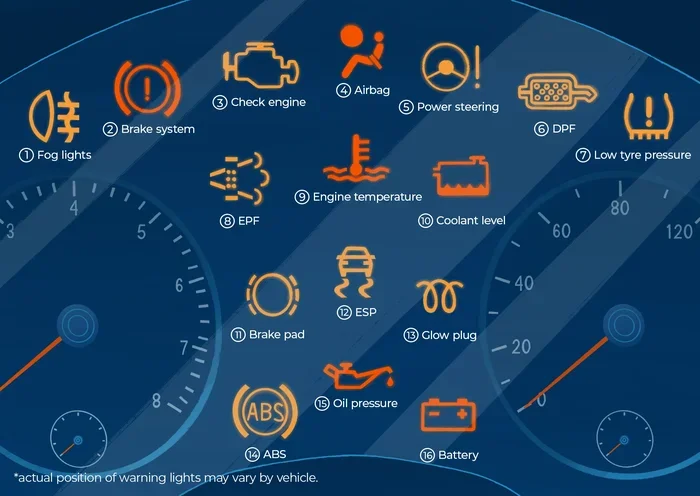
How Other Dashboard Lights Compare
The service engine light is not the only warning light on your dashboard, and different lights behave differently when it comes to resetting. Understanding these differences helps you respond appropriately to each warning.
For example, some lights like the airbag light reset itself only after specific conditions are met, while others may require a dealer-level scan tool. The oil pressure light, battery light, and brake warning light each have their own reset procedures and timelines. The key difference is that the service engine light is tied directly to the emission control system, which makes its reset process more dependent on drive cycles than most other warnings.
If you are dealing with a maintenance-related light rather than a warning light, the reset process is often simpler. For instance, some vehicles allow you to reset the maintenance reminder through the dashboard menu without any tools. But the service engine light is different because it is connected to the car’s central computer and emission monitoring systems.
When to Seek Professional Help
Most service engine light issues are straightforward and can be handled at home or at a local shop. However, there are situations where professional help is the best choice.
- The Light Flashes Instead of Staying Steady: A flashing light usually indicates a severe problem, such as an active misfire that could damage the catalytic converter.
- Multiple Codes Appear: When several codes show up at once, the root cause may be a single issue triggering a cascade of related codes.
- The Light Returns After Reset: If the light keeps coming back no matter what you do, there may be an intermittent electrical issue or a problem that has not been fully diagnosed.
- You Notice Other Symptoms: Rough idling, loss of power, strange noises, or poor fuel economy alongside the light means the issue needs immediate attention.
A professional mechanic has access to advanced diagnostic equipment and manufacturer-specific repair databases. They can pinpoint the problem faster and more accurately than most DIY methods. Plus, many repair shops will clear the codes and verify the fix as part of their service, saving you the hassle of doing it yourself.
It is also worth noting that if you own a Toyota, you can drive with the maintenance required light on Toyota models for a while without immediate concern, but the service engine light is a different story and should never be ignored.
Quick Tips for a Smooth Reset
- Always read and address the codes first. Never clear codes without understanding what they mean.
- Use a quality OBD scanner. Basic models work fine for most resets, but advanced scanners give more detailed information.
- Drive normally for at least a week after the repair. This gives the computer enough time to complete its self-tests.
- Keep your gas tank at least a quarter full. Low fuel levels can sometimes affect emission system readings.
- Do not disconnect the battery as a first resort. Use an OBD scanner to clear codes safely instead.
- Keep a log of your repairs. Writing down what you fixed and when helps track patterns if the light returns.
Final Thoughts
The service engine light reset timeline is not an exact science, but understanding how the system works puts you in a much better position. Most cars will reset the light within 10 to 50 drive cycles, which translates to roughly 3 to 7 days of normal driving after a successful repair. The key is to fix the underlying problem first, clear the codes properly, and then let the car’s computer do its job through a complete drive cycle.
Resist the urge to simply clear the light and ignore it. That yellow icon is your car talking to you, and it deserves your attention. Take the time to diagnose, repair, and verify the fix. Your wallet, your vehicle, and your peace of mind will all thank you.
Remember, if the light keeps coming back or you are unsure about what the codes mean, a visit to a trusted repair shop or dealership is always a smart move. Professional diagnostics save time, money, and stress in the long run. Stay proactive with your car maintenance, and the service engine light will stay off where it belongs.
Frequently Asked Questions
Can I drive my car with the service engine light on?
In most cases, yes, you can drive short distances with the light on, especially if it is steady and not flashing. However, if the light is flashing, it usually signals a serious issue like an active misfire that could damage your catalytic converter. It is always best to get the codes read and the problem diagnosed as soon as possible to avoid costly repairs down the road.
Will disconnecting the battery reset the service engine light?
Disconnecting the battery can clear the codes and turn off the light temporarily, but it is not a recommended method. It can erase adaptive learning settings in your car’s computer, which may cause rough idling, poor fuel economy, and other drivability issues. Using an OBD scanner to clear codes is a much safer and more effective approach.
How much does it cost to have the service engine light diagnosed?
Many auto parts stores offer free code reading services. If you take your car to a repair shop, diagnostic fees typically range from $50 to $150 depending on the location and the complexity of your vehicle’s system. The diagnostic fee often goes toward the cost of repairs if you have the work done at the same shop.
What is the difference between a service engine light and a check engine light?
In most vehicles, there is no real difference. The terms are used interchangeably to describe the same warning light. Some manufacturers use slightly different wording, but the underlying system and reset process are the same across all makes and models. Both lights are tied to the onboard diagnostics system.
Can a loose gas cap cause the service engine light to come on?
Yes, a loose or damaged gas cap is one of the most common reasons the service engine light activates. The cap maintains pressure in the fuel system, and when it is not sealed properly, it can trigger codes related to the evaporative emission control system. Try tightening the cap first, and if the light was on, it may turn off after a few drive cycles.
How do I know if the service engine light reset was successful?
The best way to confirm a successful reset is to use an OBD scanner after completing your drive cycle. If no new codes appear and the light stays off, the reset was successful. You can also simply monitor the light over several days of normal driving to ensure it does not return, which would indicate an unresolved issue.
=== CONCLUSION ===
The service engine light reset process is simpler than most drivers think, but it requires patience and the right approach. Fix the problem first, clear the codes with a scanner, complete your drive cycles, and verify the reset with a follow-up scan. Most vehicles will clear the light within 10 to 50 drive cycles, typically taking 3 to 7 days of normal driving. Avoid common mistakes like ignoring the root cause or using the battery disconnect method, and you will have a smooth, successful reset every time.
Stay on top of your car maintenance, keep a basic OBD scanner in your glove box, and pay attention to what your dashboard is telling you. A little proactive care goes a long way toward keeping your vehicle running smoothly and avoiding unexpected breakdowns. If you ever feel unsure, do not hesitate to consult a professional mechanic who can provide expert guidance and peace of mind.