What Is the Most Common Cause of P0171 and How to Fix It
The most common cause of P0171 is a vacuum leak that lets unmetered air into the engine, creating a lean fuel mixture. This OBD-II code signals that Bank 1 has too much oxygen and not enough fuel. In this guide, we break down the root cause, diagnosis steps, and practical fixes you can do yourself or trust a mechanic to handle.
If your check engine light just came on and your scanner flashed P0171, you are not alone. This is one of the most common OBD-II codes mechanics see every single day. The good news is that it is usually fixable, and you do not need to be a master mechanic to understand what is going on.
In plain English, P0171 means your engine is running too lean on Bank 1. That simply says there is too much air and not enough fuel in the combustion chamber. When this happens, your engine may run rough, hesitate, or feel weak. Left unchecked, it can lead to bigger and more expensive problems.
So what causes P0171 in the first place? The short answer is a vacuum leak. But there are several other culprits worth knowing about. This guide walks you through the most common cause of P0171, how to confirm it, and exactly how to fix it. Whether you are a DIYer or just want to sound smart at the repair shop, you are in the right place.
We will cover everything from the basics of what this code means to step-by-step diagnosis and repair. By the end, you will know exactly what to do next. Let us dive in.
Key Takeaways
- A vacuum leak is the #1 cause of P0171: Unmetered air sneaks past the MAF sensor and throws off the air-fuel ratio.
- Other common triggers include a dirty MAF sensor, low fuel pressure, and a failing oxygen sensor.
- You can diagnose P0171 at home with a scan tool, a smoke test, and a few simple checks.
- Ignoring P0171 can damage your catalytic converter and hurt engine performance over time.
- Most fixes are affordable, ranging from $50 for a hose replacement to $300+ for fuel pump issues.
- Regular maintenance prevents P0171 from returning, especially air filter changes and fuel system cleanings.
📑 Table of Contents
What Does P0171 Mean for Your Engine?
Before we get into the cause, it helps to understand what P0171 actually tells you. Your car’s computer constantly monitors the air-fuel ratio. It uses sensors like the mass airflow sensor and the oxygen sensor to keep things balanced. When the ratio tips too far toward air, the computer triggers this code.
The Role of Bank 1
In a V6 or V8 engine, Bank 1 refers to the side of the engine that contains cylinder number one. In a four-cylinder engine, there is only one bank, so Bank 1 is the entire engine. When P0171 appears, it means that particular bank is running lean. The fuel mixture has too much oxygen and not enough gasoline.
Why a Lean Mixture Is a Problem
A lean fuel mixture might not seem like a big deal at first. But over time, it causes real damage. Here is what can happen if you ignore P0171:
- Engine misfires and rough idling
- Reduced fuel economy because the engine compensates poorly
- Increased emissions that can fail a smog test
- Catalytic converter damage from excess heat
- Engine knocking or pinging under load
The bottom line is that P0171 is not a code to brush off. It is your car waving a red flag, and the sooner you address it, the better.
The Most Common Cause of P0171: Vacuum Leaks
Here it is, the answer most people are looking for. The single most common cause of P0171 is a vacuum leak. A vacuum leak allows extra, unmetered air to enter the engine after the mass airflow sensor measures the incoming air. The computer does not know this extra air is there, so it does not add more fuel. The result is a lean condition.
Where Do Vacuum Leaks Happen?
Vacuum leaks can pop up in several spots on your engine. Some are easy to find, and others are sneaky. Here are the most common places:
- Cracked or loose vacuum hoses. Rubber hoses dry out and crack over time, especially in older vehicles.
- Intake manifold gasket leaks. The gasket seals the intake manifold to the engine block. When it fails, air leaks in.
- PCV valve or hose issues. The positive crankcase ventilation system uses vacuum, and a stuck or broken PCV valve can create leaks.
- Brake booster hose. A leaking brake booster hose is a common and often overlooked source of unmetered air.
- Throttle body gasket leaks. The gasket between the throttle body and intake manifold can degrade over time.
- EVAP system leaks. The evaporative emissions system has several lines and valves that can crack or loosen.
Why Vacuum Leaks Are So Common
Vacuum lines are made of rubber, and rubber does not last forever. Heat, engine vibration, and age all work against them. A vacuum leak is often the first thing a mechanic checks when P0171 shows up because it is so frequent. In fact, many experienced technicians will start with a smoke test before looking at anything else.
Quick Tip: If you hear a hissing sound coming from your engine bay, that could be a vacuum leak. Listen carefully around the intake manifold and vacuum hose connections. A simple spray of carburetor cleaner around suspected areas while the engine is running can also help you pinpoint the leak. If the RPMs change when you spray, you found your problem spot.
Other Top Causes of P0171 You Should Know
While a vacuum leak is the most common cause, P0171 can come from several other sources. Let us look at the other top culprits so you have a complete picture.
Dirty or Faulty Mass Airflow Sensor
The MAF sensor tells your engine computer how much air is entering the engine. When it gets dirty or fails, it sends wrong readings. If the MAF sensor underreports airflow, the computer adds too little fuel, and you get a lean condition. This is the second most common reason for P0171.
Low Fuel Pressure
Your engine needs a steady supply of fuel at the right pressure. A failing fuel pump, clogged fuel filter, or weak fuel pressure regulator can all reduce fuel delivery. When fuel pressure drops, the engine runs lean and triggers P0171.
Faulty Oxygen Sensor
The oxygen sensor measures how much oxygen is in the exhaust. It tells the computer whether the mixture is rich or lean. A bad O2 sensor can send incorrect data, causing the computer to lean out the fuel mixture unnecessarily.
Exhaust Leaks
An exhaust leak before the oxygen sensor can let outside air into the system. This tricks the sensor into thinking the mixture is lean, even when it is not. Exhaust leaks often happen at the manifold or flex pipe joints.
Clogged Fuel Injectors
Over time, fuel injectors can become clogged with varnish and deposits. When injectors do not deliver fuel properly, the engine runs lean. This is especially common in vehicles with high mileage or those that have sat unused for long periods.
Air Leaks in the Intake System
Beyond vacuum hoses, any unsealed or cracked intake component can let air in. This includes the air intake boot, throttle body, and any aftermarket intake systems that are not properly sealed.
Comparison: Common P0171 Causes at a Glance
| Cause | Frequency | Repair Cost Range | DIY-Friendly? |
|---|---|---|---|
| Vacuum Leak | Very Common | $50 – $200 | Yes |
| Dirty MAF Sensor | Common | $20 – $150 | Yes |
| Low Fuel Pressure | Common | $100 – $400 | Sometimes |
| Faulty Oxygen Sensor | Common | $100 – $300 | Yes |
| Exhaust Leak | Moderate | $100 – $350 | Sometimes |
| Clogged Fuel Injectors | Moderate | $100 – $400 | Sometimes |
| Air Intake Leak | Moderate | $30 – $150 | Yes |
As you can see, most causes of P0171 are affordable and within reach of a weekend mechanic. The vacuum leak sits at the top of the list, which is why it pays to start there.
How to Diagnose P0171 Step by Step
Diagnosing P0171 does not require expensive tools or years of experience. You can follow a logical sequence to narrow down the cause. Here is a step-by-step approach that works well for most vehicles.
Step 1: Read the Code and Freeze Frame Data
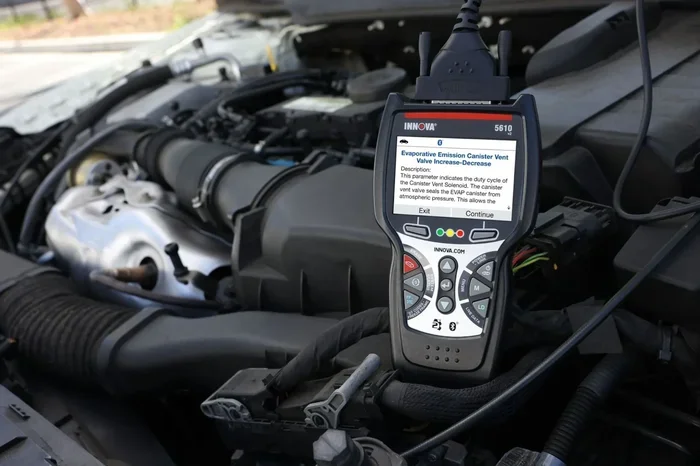
Plug in your OBD-II scanner and pull the P0171 code. Look at the freeze frame data. This tells you what conditions were present when the code was triggered. Was the engine cold? Was it at idle? Under load? This information helps you narrow your search.
Step 2: Visual Inspection
Pop the hood and look for obvious problems. Check for cracked hoses, disconnected vacuum lines, and loose clamps. Pay close attention to the area around the intake manifold and the brake booster hose. A visual inspection catches many vacuum leaks quickly.
Step 3: Perform a Smoke Test
A smoke test is the gold standard for finding vacuum leaks. You introduce low-pressure smoke into the intake system, and it escapes through any leak points. You can buy a smoke test kit for around $50 to $100, or many auto parts stores will perform the test for a small fee.
Step 4: Check the MAF Sensor
Remove the MAF sensor and inspect it for dirt or contamination. Clean it gently with MAF sensor cleaner. Do not touch the delicate wires inside. If cleaning does not help, the sensor may need replacement.
Step 5: Test Fuel Pressure
Attach a fuel pressure gauge to the fuel rail and compare readings to your vehicle’s specifications. Low fuel pressure points to a weak fuel pump, clogged filter, or failing regulator.
Step 6: Inspect the Oxygen Sensor
Use your scan tool to watch the O2 sensor live data. The sensor should fluctuate between rich and lean at a steady rate. If it stays stuck lean, the sensor may be faulty.
Expert Insight: Many DIYers skip the visual inspection and jump straight to replacing parts. This is a mistake. A simple visual check and smoke test can save you hundreds of dollars in unnecessary parts. Start simple and work your way up.
How to Fix P0171: Proven Solutions
Once you have identified the cause, fixing P0171 is usually straightforward. Here are the most effective solutions based on what is actually causing the problem.
Fixing a Vacuum Leak
If your diagnosis points to a vacuum leak, the fix depends on the location. Here is what to do for each common leak source:
- Replace cracked vacuum hoses. Pick up the correct size hose from your auto parts store. It is a five-minute job and costs just a few dollars.
- Replace the PCV valve. A new PCV valve costs around $10 to $30 and takes minutes to install.
- Reseat or replace the brake booster hose. Check the connection points and replace any damaged sections.
- Replace the intake manifold gasket. This requires more labor but is still a common and affordable fix.
Cleaning or Replacing the MAF Sensor
A dirty MAF sensor is one of the easiest P0171 fixes. Simply remove the sensor, spray it with dedicated MAF cleaner, and let it dry. Do not use anything harsh or touch the sensor wires. If cleaning does not resolve the issue, a new MAF sensor typically costs between $50 and $200.
Addressing Low Fuel Pressure
If your fuel pressure is low, start with the simplest fix first. Replace the fuel filter if it is due. If that does not help, the fuel pump may need replacement. A new fuel pump ranges from $100 to $400 for parts and labor combined, depending on your vehicle.
Replacing the Oxygen Sensor
A faulty oxygen sensor is a straightforward swap. The sensor is usually accessible and can be removed with a standard oxygen sensor socket. Replacement sensors cost between $50 and $250, and the job takes about 30 minutes for most vehicles.
Repairing Exhaust Leaks
Exhaust leaks at the manifold or flex pipe can often be fixed by replacing the gasket or the damaged section of pipe. A new exhaust manifold gasket costs around $15 to $30, while a flex pipe replacement runs $100 to $300.
Cleaning Fuel Injectors
For clogged injectors, try a fuel system cleaner added to your tank first. Products like Techron or Sea Foam can dissolve deposits and restore proper spray patterns. If the clog is severe, professional ultrasonic cleaning or replacement may be needed.
Common Mistakes to Avoid:
- Replacing the oxygen sensor without checking for vacuum leaks first. This wastes money and often does not fix the problem.
- Ignoring a dirty MAF sensor. A simple cleaning can resolve P0171 without any parts at all.
- Assuming the fuel pump is bad without testing fuel pressure first.
- Clearing the code and hoping it does not come back. P0171 is a real problem that needs a real fix.
Preventing P0171 from Coming Back
Once you have fixed P0171, you want to make sure it stays fixed. Prevention is always easier and cheaper than repair. Here are simple habits that keep your engine running right and prevent lean codes from returning.
Follow a Regular Maintenance Schedule
Stick to your vehicle’s recommended maintenance intervals. Change your air filter, spark plugs, and fuel filter on time. These simple steps keep the air-fuel mixture balanced and prevent many common causes of P0171.
Use Quality Fuel
Top-tier gasoline from reputable stations contains detergents that keep your fuel system clean. This helps prevent clogged injectors and carbon buildup that can lead to lean conditions.
Address Small Problems Early
If you notice a rough idle, slight hesitation, or a faint hissing sound, do not wait. These can be early signs of a vacuum leak or other issue that triggers P0171. Catching problems early saves money and prevents bigger damage.
Check for Recalls and Technical Service Bulletins
Some vehicles have known issues that cause P0171. Manufacturers may have released recalls or technical service bulletins that address these problems for free. Check with your dealer using your vehicle identification number to see if your car qualifies.
Monitor Your Fuel Trim Values
If you have an advanced scan tool, keep an eye on your short-term and long-term fuel trim values. Short-term fuel trim should stay within plus or minus 10 percent. Long-term fuel trim should stay within plus or minus 5 percent. Values outside this range can signal a developing problem before the check engine light even comes on.
Key Takeaways:
- The most common cause of P0171 is a vacuum leak that introduces unmetered air into the engine.
- Other causes include a dirty MAF sensor, low fuel pressure, and a failing oxygen sensor.
- Diagnosis starts with a visual inspection and smoke test before moving to sensor and fuel tests.
- Most P0171 fixes are affordable and DIY-friendly, especially vacuum leak repairs and MAF sensor cleaning.
- Regular maintenance and quality fuel help prevent P0171 from returning.
Conclusion
P0171 is one of the most common OBD-II codes, and the most common cause of P0171 is a vacuum leak. This is good news because vacuum leaks are usually easy and inexpensive to fix. By understanding what P0171 means and following a logical diagnostic process, you can save time and money at the repair shop.
Start with the basics. Check your vacuum hoses, inspect the MAF sensor, and verify your fuel pressure. These simple steps resolve P0171 in the majority of cases. If you are not comfortable doing the work yourself, take this guide to your mechanic. It shows them you understand the problem and helps you avoid unnecessary repairs.
Remember, P0171 is your car asking for help. Listen to it, address the issue promptly, and your engine will thank you with better performance, improved fuel economy, and a longer lifespan. Do not let a lean code turn into a big repair bill. Take action today and get your engine running the way it should.
Frequently Asked Questions
Can I drive my car with a P0171 code?
You can drive a short distance, but it is not recommended to drive far. A lean fuel mixture can cause engine damage over time, especially to the catalytic converter. Get the code diagnosed and fixed as soon as possible to avoid costly repairs down the road.
How much does it cost to fix P0171?
The cost depends entirely on the cause. A vacuum leak repair might cost $50 to $100, while a fuel pump replacement can run $300 to $500. Most P0171 fixes fall in the $50 to $250 range, making it one of the more affordable check engine light repairs.
Will P0171 clear itself after fixing the problem?
Once you fix the root cause, the code will not return. However, you will need to clear the code with an OBD-II scanner or by disconnecting the battery for a few minutes. The check engine light should turn off after the code is cleared and the vehicle completes a successful drive cycle.
What is the difference between P0171 and P0174?
P0171 means the lean condition is on Bank 1, while P0174 means Bank 2 is running lean. In a four-cylinder engine, there is only Bank 1, so you will only see P0171. In a V6 or V8, both codes can appear if the problem affects both sides of the engine.
Can a bad air filter cause P0171?
A severely clogged air filter can restrict airflow and cause lean running conditions, but this is rare. Air filter issues more commonly cause rich conditions. If your air filter is extremely dirty, replacing it is a quick and cheap first step before investigating other causes of P0171.
How do mechanics find vacuum leaks that cause P0171?
Mechanics typically use a smoke test to find vacuum leaks. They introduce smoke into the intake system, and any leak points produce visible smoke. Other methods include using a propane torch near suspected areas while monitoring RPM changes, or spraying carburetor cleaner around hoses and connections while the engine is running.