How Long Can You Ignore the Oil Change Light Warning Signs
The oil change light is your car’s way of telling you it’s time for service. Ignoring it for too long can lead to serious engine damage, costly repairs, and even complete engine failure. Most experts say you should never go more than 500 to 1,000 miles past the warning, and many modern vehicles give you clear oil life percentages to help you stay on track.
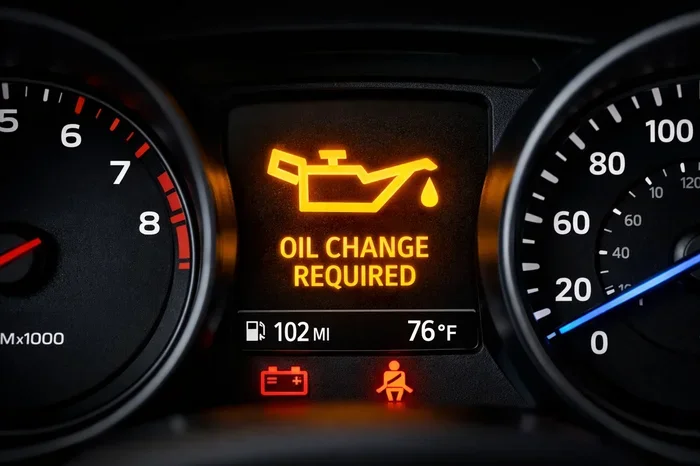
You are driving down the road, listening to your favorite playlist, when suddenly a yellow or orange light pops up on your dashboard. It looks like an oil can. Maybe it says “Maintenance Required” or “Change Oil Soon.” You think to yourself, “I can just ignore it for a while.”
We have all been there. Life gets busy. The kids need soccer practice. Work is piling up. The idea of squeezing in an oil change feels like one more thing on an endless to-do list. But here is the truth: that little warning light on your dashboard is trying to save you from a much bigger problem.
The oil change light is one of the most misunderstood dashboard indicators. Many drivers assume it is just a suggestion or a reminder that can be pushed back indefinitely. In reality, it is a critical signal from your vehicle’s computer system. Understanding what it means and how long you can safely wait is essential for keeping your engine healthy and your wallet happy.
So, how long can you actually ignore the oil change light? The short answer is: not very long. The longer answer depends on your vehicle, the type of oil you use, and your driving conditions. Let us break it all down so you know exactly what to do the next time that light comes on.
Key Takeaways
- The oil change light is not a suggestion. It is a warning designed to protect your engine from premature wear.
- Most cars allow 500 to 1,000 miles after the light comes on before serious damage starts to occur.
- Driving with ignored oil change warnings can lead to expensive engine repairs costing hundreds or thousands of dollars.
- Modern vehicles track oil life percentage and give you a clearer picture of when service is truly needed.
- Regular oil changes are the cheapest form of car maintenance. Skipping them always costs more in the long run.
- Synthetic oil extends intervals but does not mean you can ignore the warning light indefinitely.
- Always check your owner’s manual for the manufacturer’s specific oil change recommendations.
📑 Table of Contents
- What Does the Oil Change Light Actually Mean?
- How Long Can You Safely Ignore the Oil Change Light?
- Can You Reset the Oil Change Light and Keep Driving?
- How to Know When It Is Time for an Oil Change
- How Oil Change Intervals Have Changed Over the Years
- Common Mistakes Drivers Make With the Oil Change Light
- Quick Tips for Managing the Oil Change Light
- Conclusion
What Does the Oil Change Light Actually Mean?
Before we talk about how long you can ignore it, let us understand what the light is actually telling you. Not all dashboard warning lights mean the same thing. The oil change light is different from the check engine light, the oil pressure light, and other dashboard warnings.
The Oil Change Light vs. the Oil Pressure Light
Many people confuse the oil change light with the oil pressure light. These are two very different warnings, and understanding the difference can save you from a catastrophic engine failure.
The oil change light, which often says “Maintenance Required” or shows an oil can symbol, is a service interval reminder. It is based on a timer or mileage counter programmed by the manufacturer. It does not necessarily mean your oil level is low or that your engine is in danger right this second.
The oil pressure light, on the other hand, is a red warning light. It usually looks like an oil can with a drop coming out of it. This light means your oil pressure has dropped to a dangerous level. If this light comes on, you should pull over immediately and turn off the engine. Driving with low oil pressure can destroy your engine in minutes.
If you are unsure which light you are seeing, check your owner’s manual. It will clearly explain what each symbol means. You can also visit your local service center for a diagnostics check to be absolutely sure.
How the Oil Change Light Is Triggered
Modern vehicles use sophisticated algorithms to determine when the oil change light should come on. These systems track several factors:
- Mileage: Most systems count miles since the last oil change and trigger the light at a set interval.
- Driving conditions: Stop-and-go traffic, extreme temperatures, and heavy loads can shorten oil life.
- Engine temperature: Frequent short trips may cause moisture to build up in the oil, triggering an earlier warning.
- Oil quality sensors: Some advanced systems actually measure the quality of the oil and alert you when it degrades.
Understanding how the light is triggered helps you realize that it is not arbitrary. Your car’s computer is doing real-time analysis to tell you when the oil is no longer performing at its best.
How Long Can You Safely Ignore the Oil Change Light?
Here is where most drivers want a simple answer. Unfortunately, the truth is that it depends on several factors. Let us look at what those factors are and what the general guidelines are.
The General Rule of Thumb
Most automotive experts agree that you should not ignore the oil change light for more than 500 to 1,000 miles. Beyond that window, you start risking decreased engine performance, increased wear on internal components, and potential long-term damage.
Some drivers push it further, especially if they use synthetic oil and drive under ideal conditions. But even with synthetic oil, the oil change light exists for a reason. The oil is still degrading, just at a slower rate than conventional oil.
Factors That Affect How Long You Can Wait
Several variables determine how much grace period you have after the light comes on:
- Type of oil: Synthetic oil generally lasts longer than conventional oil. If you use full synthetic, you might have a bit more time. But that does not mean you should ignore the light for weeks.
- Vehicle age: Older engines tend to burn oil faster and may be more sensitive to delayed changes.
- Driving habits: If you drive in extreme heat, cold, or dusty conditions, your oil degrades faster. Short trips around town are especially hard on oil because the engine never fully warms up.
- Oil life percentage: Many newer vehicles show an oil life percentage on the dashboard. When it drops below 15 percent, you should schedule service soon. Below 5 percent means you are overdue.
What Happens If You Wait Too Long?
Ignoring the oil change light for an extended period can lead to a cascade of problems. Fresh oil lubricates the engine’s moving parts, reduces friction, and carries heat away from critical components. Over time, oil breaks down and loses its ability to perform these functions.
Here is what can happen if you wait too long:
- Increased friction between engine parts: Without proper lubrication, metal-on-metal contact causes wear and tear on pistons, bearings, and camshafts.
- Oil sludge buildup: Old oil thickens and forms sludge that can clog oil passages and starve the engine of lubrication.
- Engine overheating: Degraded oil cannot carry heat away effectively, leading to overheating and potential warping of engine components.
- Complete engine failure: In the worst case, neglected oil changes lead to a seized engine, which means a full engine replacement costing several thousand dollars.
The bottom line is clear. The oil change light is there to protect you from expensive repairs. Ignoring it is a gamble, and the odds are not in your favor.
Can You Reset the Oil Change Light and Keep Driving?
Some drivers try to trick themselves by resetting the oil change light and pretending the problem does not exist. This is a common mistake, and it can be very costly.
Why Resetting the Light Does Not Fix the Problem
Resetting the oil change light simply clears the reminder from the car’s computer. It does not change the oil. It does not improve the quality of the oil currently in your engine. It does nothing to address the actual problem.
Think of it like snoozing an alarm clock. You have turned off the noise, but you still need to get up and do the work. The oil is still old, still dirty, and still losing its effectiveness every mile you drive.
If you find yourself constantly resetting the light and driving past recommended intervals, you are setting yourself up for serious engine problems down the road. This is especially true if you also notice the maintenance required light staying on or coming back frequently.
When It Is Okay to Reset the Light
The only time it is okay to reset the light is after you have actually changed the oil. Once fresh oil is in the engine, you can reset the maintenance reminder to start a new service interval. This keeps your records accurate and ensures you stay on top of regular service.
If you are unsure how to reset the light on your specific vehicle, check the owner’s manual or ask the service advisor at your dealership. Some vehicles require a special tool or a specific sequence of button presses.
How to Know When It Is Time for an Oil Change
Relying solely on the dashboard light is not the only way to know when your car needs an oil change. There are several other signs and methods you can use to stay ahead of the problem.
Visual and Physical Warning Signs
Your car often gives you clues before the oil change light even comes on. Watch for these warning signs:
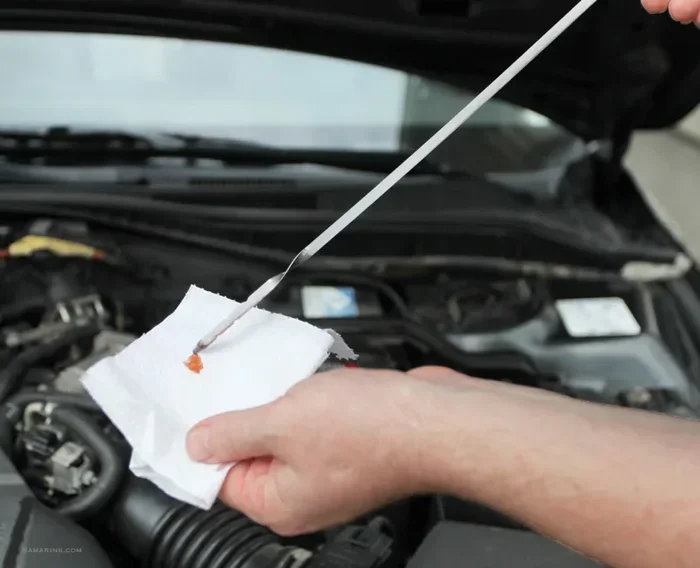
- Dark or dirty oil on the dipstick: Fresh oil is amber and translucent. If it looks dark brown or black, it is past its prime.
- Burning oil smell inside the cabin: This could indicate an oil leak or oil that has broken down and is overheating.
- Unusual engine noises: If the engine sounds louder than usual or you hear knocking or ticking, the oil may not be lubricating properly.
- Reduced fuel efficiency: Old oil increases engine friction, which means the engine works harder and uses more fuel.
- Performance drops: Sluggish acceleration or rough idling can be signs of degraded oil affecting engine performance.
Using Oil Life Percentage
If your vehicle displays an oil life percentage, use it as your guide. Most manufacturers recommend changing the oil when the percentage drops to 15 percent or lower. Some systems even break it down into service categories:
- Above 50 percent: Oil is in good condition. You have plenty of time before the next change.
- Between 20 and 50 percent: Oil is starting to degrade. Plan your next service within the next few hundred miles.
- Below 15 percent: You are approaching the service window. Schedule an appointment soon.
- Below 5 percent: You are overdue. Change the oil as soon as possible to avoid engine damage.
For more information about understanding oil life percentages and when exactly to change your oil, check out our detailed guide on what percent oil life should you change oil.
Sticking to a Regular Maintenance Schedule
Prevention is always better than cure. Instead of waiting for the light to come on, follow a proactive maintenance schedule based on your vehicle’s recommendations. Most cars need an oil change every 5,000 to 7,500 miles with conventional oil, or every 7,500 to 10,000 miles with synthetic oil.
Keep a log of your oil changes, including the date, mileage, and type of oil used. This not only helps you stay organized but also increases the resale value of your vehicle. A well-documented maintenance history gives buyers confidence and can command a higher price.
If you are wondering whether you can get your oil changed at any shop and not just the dealership, the answer is yes. For more details, read our article on can you get a Lexus oil change anywhere or similar guides for other brands.
How Oil Change Intervals Have Changed Over the Years
The way we think about oil changes has evolved dramatically over the decades. Understanding this evolution helps explain why the oil change light exists and why modern vehicles need it.
The Old Days: Every 3,000 Miles
For decades, the standard advice was to change your oil every 3,000 miles or every three months, whichever came first. This was based on the performance of conventional mineral oils, which broke down relatively quickly. The oil change light was a simple mileage counter that triggered at fixed intervals.
While 3,000-mile intervals are no longer the standard for most vehicles, some older cars and certain driving conditions still call for frequent changes. If you drive a classic car or a high-mileage vehicle, sticking closer to the 3,000-mile rule may be wise.
Modern Synthetic Oils and Extended Intervals
Today’s synthetic oils are far superior to what was available even 20 years ago. They resist thermal breakdown, maintain viscosity better, and last significantly longer. This has allowed manufacturers to extend recommended oil change intervals to 7,500, 10,000, or even 15,000 miles for some vehicles.
However, longer intervals do not mean you can ignore the warning light forever. The oil is still degrading, just more slowly. The light is programmed to account for the extended interval but still provides a clear service window.
For drivers who want to maximize their synthetic oil’s potential, our article on can you go two years without changing synthetic oil dives deeper into this topic.
The Role of the Maintenance Required Light
Some vehicles use a “Maintenance Required” light instead of a specific oil change symbol. This light is essentially the same thing, programmed to remind you of scheduled service. It often resets at 5,000-mile intervals and is designed to keep drivers on track with regular maintenance.
If you are dealing with a persistent maintenance required light and wondering whether you can safely drive with it on, we have a dedicated guide on can I drive with maintenance required light on Toyota that covers this in detail.
Common Mistakes Drivers Make With the Oil Change Light
Even well-intentioned car owners make mistakes when it comes to oil change warnings. Here are the most common errors and how to avoid them.
Mistake 1: Waiting for the Light to Come On
The best time to change your oil is before the light comes on. By the time the light activates, you are already at or past the recommended interval. Proactive maintenance based on mileage and time is always better than reactive changes triggered by a warning light.
Mistake 2: Only Checking Oil When the Light Comes On
Do not wait for the dashboard to tell you there is a problem. Make it a habit to check your oil level at least once a month using the dipstick. Low oil levels can trigger the light or, worse, lead to engine damage before the light even has a chance to come on.
Mistake 3: Using the Wrong Oil
Not all oil is created equal. Using the wrong viscosity or type of oil can cause the oil change light to come on prematurely or fail to come on when it should. Always use the oil grade recommended by your vehicle’s manufacturer, which you can find in the owner’s manual.
Mistake 4: Ignoring Other Dashboard Warning Lights
The oil change light is just one of many dashboard indicators. Ignoring other lights, such as the check engine light or the oil pressure light, can be even more dangerous. If multiple lights come on at the same time, pull over safely and seek assistance immediately.
Quick Tips for Managing the Oil Change Light
Here are some practical tips to help you stay on top of your oil changes and avoid the stress of a warning light:
- Set a calendar reminder: Use your phone or car’s maintenance log to track when your next oil change is due.
- Keep a spare oil filter in your trunk: If you do it yourself, having the filter ready saves time and trips to the auto parts store.
- Learn your dipstick routine: Checking oil level and condition takes two minutes and can catch problems early.
- Find a trusted mechanic: Building a relationship with a reliable service center ensures you get honest advice and quality work.
- Do not skip the oil filter: Always replace the oil filter during every oil change. A clogged filter can restrict oil flow and damage the engine.
- Keep records: A simple notebook or app that tracks every oil change helps you stay organized and adds value if you ever sell the car.
If you are a DIY enthusiast and want to know if you can change your own oil and filter, we have a helpful guide on can you do an oil and filter change yourself that walks you through the process step by step.
Conclusion
The oil change light is one of the most important warning systems in your vehicle. It exists to protect your engine, extend the life of your car, and save you money on costly repairs. Ignoring it, even for a few hundred miles too long, can set you up for serious engine problems that could have been easily prevented.
The general rule is simple: do not ignore the oil change light for more than 500 to 1,000 miles. Better yet, do not let it come on in the first place by staying on top of your maintenance schedule. Use the oil life percentage if your vehicle has one, check your oil level regularly, and always follow the manufacturer’s recommended oil change interval.
Taking care of your car does not have to be complicated or expensive. A routine oil change is one of the cheapest and most effective things you can do to keep your vehicle running smoothly for years to come. The next time that little oil can icon lights up on your dashboard, do not ignore it. Your engine will thank you.
Remember, preventive maintenance is always cheaper than reactive repairs. Stay proactive, stay informed, and keep your car in the best shape possible.
Frequently Asked Questions
Can I drive 1,000 miles with the oil change light on?
In most cases, driving up to 1,000 miles past the oil change light is generally safe for modern vehicles using synthetic oil. However, this should not become a habit. The longer you wait, the more the oil degrades and loses its protective properties. Always schedule your oil change as soon as possible after the light comes on.
What happens if I ignore the oil change light for a week?
Ignoring the light for a week is usually not catastrophic, but it does depend on how many miles you drive during that time. If you drive several hundred miles, the old oil is continuing to break down and lose its lubricating ability. Over time, this leads to increased engine wear. It is always best to address the light promptly rather than risk long-term damage.
Is it safe to drive with the maintenance required light on?
Driving short distances with the maintenance required light on is generally safe, but you should not delay the oil change for too long. The light is a reminder that your vehicle is due for service. If you notice other symptoms like unusual engine noise, dark oil, or reduced performance, have the car serviced immediately.
Can low oil cause the oil change light to come on?
Yes, low oil levels can trigger the oil change light or cause other warning indicators to activate. If the light comes on and you suspect low oil, check the dipstick right away. Top off the oil if needed and inspect for leaks. Low oil is a serious issue that can lead to engine damage if not addressed quickly.
How often should I check my oil level between changes?
You should check your oil level at least once a month or before any long road trip. Regular checks help you catch leaks, monitor oil consumption, and ensure the oil is in good condition. Most drivers find it takes just a couple of minutes and can prevent major problems.
Does the oil change light come on for reasons other than oil change?
In most vehicles, the oil change light is specifically tied to the service interval and does not indicate other problems. However, if you see multiple warning lights at once, it could signal a broader issue with your vehicle’s systems. Always investigate any unexpected dashboard warnings to ensure your car is safe to drive.