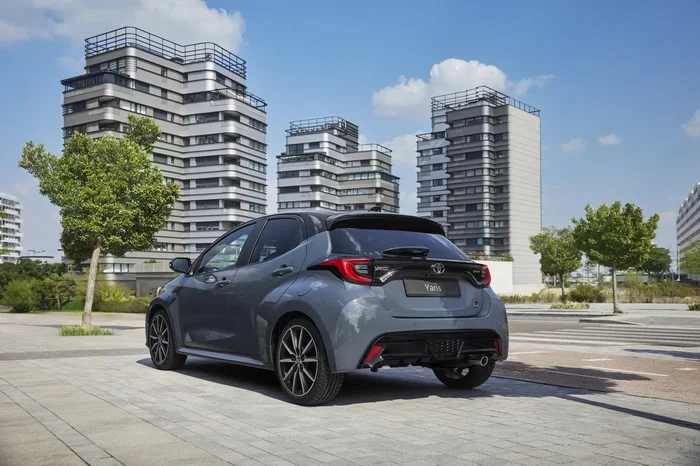
Do Toyota Yaris Hold Their Value Here Is the Truth
The Toyota Yaris holds its value reasonably well thanks to Toyota reliability and strong compact car value in the used market. Depreciation rates for the Yaris are lower than many competitors, making it a smart choice for buyers who care about residual value and long-term car ownership costs.
When you buy a car, one of the biggest questions is whether it will hold its value. The Toyota Yaris is a popular choice for budget-conscious buyers, but does it actually retain its worth over time? The short answer is yes, and it does so better than many competitors in the subcompact segment.
In this article, we will break down everything you need to know about the Toyota Yaris resale value. We will look at how fast the Yaris depreciates, what factors affect its vehicle retention, and how it stacks up against other cars in its class. Whether you are buying new or shopping for a used model, this guide will help you make an informed decision.
The Toyota Yaris has earned a reputation for being a dependable, affordable, and efficient car. These qualities play a huge role in how well it holds value on the used market. Let us dive into the details and find out why the Yaris remains a smart pick for car buyers who care about long-term worth.
Key Takeaways
- Strong Depreciation Profile: The Toyota Yaris depreciates slower than most subcompact cars, preserving more of your purchase price over time.
- Toyota Reliability Matters: Known dependability helps the Yaris maintain higher resale prices compared to less reliable rivals.
- Fuel Economy Adds Value: Excellent fuel economy keeps the Yaris attractive to used car buyers who prioritize low running costs.
- Maintenance Costs Are Low: Affordable parts and simple mechanics mean lower ownership costs, which boosts long-term value.
- Market Demand Stays Steady: The Yaris remains a popular choice in the affordable Toyota segment, helping sustain used market prices.
- Model Year Matters: Newer Yaris models and limited editions tend to hold value better than older or base trims.
- Compare Before Buying: Always check trade-in value and used car prices before purchasing to ensure you get the best deal.
📑 Table of Contents
- Understanding Car Depreciation and Why It Matters
- Factors That Affect Toyota Yaris Value Retention
- Toyota Yaris vs. Competitors: Value Retention Comparison
- How to Maximize Your Toyota Yaris Resale Value
- The Toyota Yaris in the Current Market
- Common Mistakes That Hurt Your Yaris Value
- Final Thoughts on the Toyota Yaris and Value Retention
Understanding Car Depreciation and Why It Matters
Every car loses value the moment you drive it off the lot. This process is called car depreciation, and it affects every vehicle on the road. But the rate of depreciation varies a lot from model to model. Some cars lose 20% of their value in the first year, while others hold on to more of their original price.
Understanding car depreciation is essential if you want to get the most out of your investment. A car that holds its value means you lose less money when you sell or trade it in. For the Toyota Yaris, the depreciation curve is relatively gentle compared to many other vehicles in its price range.
How Depreciation Works for Small Cars
Small cars like the Yaris tend to depreciate faster than larger vehicles in the first few years. This is because they cost less upfront, so the percentage loss feels bigger. However, the Toyota Yaris benefits from the brand’s strong reputation for Toyota reliability, which helps slow down the drop in used car prices.
On average, a new Yaris loses about 15% of its value in the first year. By year five, total depreciation sits around 40% to 45%. Compare this to some competitors, and the Yaris comes out ahead. The key reason is simple: buyers trust the Toyota name and know these cars last.
What Is Residual Value?
Residual value is what your car is worth after a certain period of ownership. It is the number that matters most if you plan to sell or trade in your vehicle. The Toyota Yaris scores well on residual value because of its strong compact car value and reputation for durability.
Higher residual value also makes the Yaris a great option if you lease. Lower depreciation means lower monthly payments, which saves you real money over the lease term. If you are someone who likes to switch cars every few years, this is a big advantage.
Factors That Affect Toyota Yaris Value Retention
Several factors determine how well any car holds its value. The Toyota Yaris benefits from some strong advantages, but there are also a few things that can hurt its resale value. Let us look at the main factors that influence how much your Yaris will be worth down the road.
Brand Reputation and Reliability
Toyota is one of the most trusted car brands in the world. This trust translates directly into better vehicle retention. When buyers see a used Toyota on the lot, they feel confident about the purchase. The Yaris benefits from this brand halo, even though it is one of the more affordable models in the Toyota lineup.
According to various reliability surveys, Toyota consistently ranks at the top. This reputation means used Toyota cars sell faster and at higher prices. The Toyota Yaris resale value reflects this strong brand equity. Even in a crowded subcompact market, the Yaris stands out because buyers know it will not let them down.
Fuel Economy and Running Costs
Fuel economy is a major selling point for the Yaris, and it directly impacts car value factors. Cars that cost less to run tend to hold their value better because more buyers can afford them. The Yaris delivers excellent miles per gallon, which makes it attractive to a wide range of used car shoppers.
Low car ownership costs also play a role. When a car is cheap to insure, cheap to fuel, and cheap to maintain, it appeals to budget-minded buyers. This broader appeal helps sustain demand in the used market, which keeps prices higher. The Yaris is a perfect example of how affordability and efficiency work together to protect value.
Maintenance and Repair History
A well-maintained Yaris will always hold more value than one that has been neglected. Regular oil changes, timely repairs, and proper care all contribute to a higher trade-in value. Toyota parts are affordable and widely available, which makes maintenance easier and less expensive for Yaris owners.
If you plan to sell your Yaris someday, keep all your service records. Buyers are willing to pay more for a car with a documented maintenance history. This simple step can make a noticeable difference in your final sale price. It is one of the easiest ways to protect your residual value.
Model Year and Trim Level
Not all Yaris models are created equal when it comes to holding value. Newer model years with updated features tend to retain more worth. Limited editions and higher trims also hold value better because they offer more features and appeal to a narrower buyer pool.
On the other hand, base trims from older model years may depreciate faster. They lack the features that modern buyers look for, which reduces demand. If you are buying a used Yaris, aim for a mid-range trim from a recent model year. This sweet spot offers the best balance of features and Toyota Yaris reliability.
Toyota Yaris vs. Competitors: Value Retention Comparison
To truly understand how well the Yaris holds its value, it helps to compare it directly with similar cars. The subcompact segment is crowded, and each model has its own strengths. Here is how the Yaris stacks up against some popular rivals.
| Vehicle | 5-Year Depreciation | Used Market Demand | Reliability Rating |
|---|---|---|---|
| Toyota Yaris | ~40-45% | High | Excellent |
| Honda Fit | ~42-48% | High | Excellent |
| Hyundai Accent | ~48-55% | Medium | Good |
| Kia Rio | ~48-53% | Medium | Good |
| Nissan Versa | ~50-58% | Medium | Average |
As you can see, the Toyota Yaris holds its value better than most competitors. The Honda Fit is its closest rival, but the Yaris edges ahead thanks to Toyota’s stronger brand reputation. Korean models like the Accent and Rio depreciate faster, which makes the Yaris a smarter long-term investment.
For a deeper look at how the Yaris compares to another popular model, check out our article on Are Toyota Yaris Cars Dependable. It covers reliability in great detail.
How to Maximize Your Toyota Yaris Resale Value
Want to get the most money back when you sell your Yaris? There are several things you can do to protect and even boost its resale value. These tips apply whether you have owned the car for one year or ten.
Keep It Clean and Well-Maintained
First impressions matter a lot in the used car market. A clean, well-maintained Yaris will always sell for more than a neglected one. Wash it regularly, vacuum the interior, and address any minor issues before they become big problems. Small investments in care pay off handsomely at sale time.
Avoid Modifications
Custom wheels, aftermarket exhausts, and bold paint jobs might look cool, but they can hurt your trade-in value. Most buyers prefer stock vehicles because they come with warranties and proven reliability. If you must modify your Yaris, keep the original parts and reinstall them before selling.
Stay on Top of Service Intervals
Follow the manufacturer’s recommended service schedule to the letter. Change the oil on time, rotate the tires, and replace filters as needed. A full service history gives buyers confidence and justifies a higher price. Think of it as an investment that pays dividends when you sell.
Drive Responsibly
How you drive affects your car’s condition over time. Gentle driving reduces wear on the engine, transmission, and brakes. A Yaris that has been driven carefully will always be worth more than one with a history of hard use. Plus, lower mileage at resale is always a selling point.
Check Market Timing
Timing your sale can make a real difference. Sell when demand for used subcompacts is high, and you will get a better price. Avoid selling during periods when new car inventory floods the market, as this drives down used car prices. A little research into market trends can save you thousands.
For more insights on understanding your car’s true worth, read our guide on How To Determine The Actual Cash Value Of A Car. It covers everything you need to know about pricing your vehicle correctly.
The Toyota Yaris in the Current Market
The current market for used subcompact cars remains strong. Buyers are looking for affordable, reliable transportation, and the Yaris fits the bill perfectly. Its low price point and proven Toyota reliability make it one of the most searched-for used cars in its segment.
New car supply chain issues in recent years have also boosted demand for used vehicles across the board. This trend has helped the Toyota Yaris resale value stay healthy. Even older model years are commanding reasonable prices because supply has not kept up with demand.
If you are considering a used Yaris, now is a good time to buy. Prices are still reasonable, and you will benefit from the car’s strong compact car value. Just make sure to do your homework, inspect the vehicle thoroughly, and check its history report before making a purchase.
What to Look for When Buying a Used Yaris
When shopping for a used Toyota Yaris, pay attention to a few key things. Check the mileage, look at the service records, and inspect the exterior and interior for wear. A pre-purchase inspection by a trusted mechanic is always a smart move. These steps will help you avoid costly surprises and ensure you get a car that will hold its value.
The Yaris is also a great entry point into the Toyota family. Once you experience the Toyota brand value, you may find yourself exploring other models. From the Camry to the RAV4, Toyota offers a wide range of vehicles that share the same dependability and value retention qualities that make the Yaris so appealing.
Common Mistakes That Hurt Your Yaris Value
Even the best cars lose value faster when owners make avoidable mistakes. Here are some common errors that can hurt your Toyota Yaris resale value and what you should do instead.
- Skipping Regular Maintenance: Neglecting oil changes and services signals to buyers that the car was not cared for properly.
- Ignoring Small Repairs: A small crack in the windshield or a worn brake pad can signal bigger problems to buyers. Fix issues early.
- Overloading the Car: Using the Yaris as a work truck or constantly hauling heavy loads wears it out faster than normal use.
- Poor Parking Habits: Parking in direct sunlight or on rough streets can damage the paint and interior over time.
- Ignoring Recalls: Always address any recalls promptly. Unresolved safety issues can scare off potential buyers.
Avoiding these mistakes will help your Yaris maintain its value for years to come. It is all about treating the car with respect and staying proactive about care.
Final Thoughts on the Toyota Yaris and Value Retention
The Toyota Yaris is one of the best subcompact cars you can buy if value retention matters to you. Its combination of Toyota reliability, low car ownership costs, and strong brand reputation gives it a clear edge in the used market. While no car holds its value forever, the Yaris does an impressive job of slowing down the depreciation curve.
Whether you are buying new or used, the Yaris offers smart value. You get an efficient, dependable, and affordable car that will not drain your wallet on repairs or lose half its worth in a few years. For buyers who want to minimize losses and maximize satisfaction, the Toyota Yaris is hard to beat.
Remember to compare used car prices before buying, keep up with maintenance, and drive responsibly. These simple habits will help you get the best possible trade-in value when the time comes to move on to your next vehicle. The Yaris proves that you do not need to spend a fortune to own a car that holds its worth.
If you are still exploring options, consider reading our comparison on Do Honda Civics Hold Their Value to see how another popular model measures up in terms of value retention.
Frequently Asked Questions
Does the Toyota Yaris hold its value well compared to other subcompact cars?
Yes, the Toyota Yaris holds its value better than most subcompact competitors. Its strong Toyota reliability and brand reputation help it maintain higher resale prices. On average, it depreciates slower than models like the Hyundai Accent or Kia Rio.
What is the average depreciation rate for a Toyota Yaris?
A new Toyota Yaris typically loses about 15% of its value in the first year and around 40% to 45% over five years. This is considered above average for the subcompact segment, thanks to the car’s efficiency and dependability.
How can I improve my Toyota Yaris resale value?
Keep up with regular maintenance, avoid unnecessary modifications, and drive responsibly. Maintaining a clean interior and exterior also helps. Full service records and low mileage are the biggest factors buyers look for.
Is the Toyota Yaris a good car to lease for value retention?
Yes, the Yaris is an excellent lease option because its lower depreciation means smaller monthly payments. You also benefit from Toyota reliability and low running costs, making it a smart financial choice for short-term ownership.
Why does the Toyota Yaris hold value better than similar cars?
The Yaris benefits from Toyota’s strong brand reputation, proven reliability, and excellent fuel economy. These factors create high demand in the used car market, which keeps resale prices higher than many competitors in the same class.
What model years of the Toyota Yaris hold the best value?
Recent model years with higher trim levels tend to hold the best value. Limited editions and well-maintained examples from the last 5 to 7 years are especially desirable. Older base models depreciate faster but remain affordable and reliable.