Does Your Cat-Back Exhaust Include the Catalytic Converter
A cat-back exhaust system does not include the catalytic converter. The cat-back starts behind the catalytic converter and runs all the way back to the tailpipe. Understanding this distinction matters because swapping out your exhaust affects performance, sound, and emissions compliance. Whether you are upgrading for sound or speed, knowing exactly what is included in a cat-back setup helps you make the right purchase.
If you have ever browsed aftermarket exhaust systems, you have probably seen the term “cat-back exhaust” thrown around a lot. But here is the question that trips up a lot of car owners: does a cat-back exhaust include the catalytic converter? The short answer is no. But the full story is a lot more interesting, and it matters more than you might think if you are planning an exhaust upgrade.
Your vehicle’s exhaust system is made up of several distinct parts, each with its own job. The catalytic converter cleans up harmful gases before they leave the tailpipe. The cat-back portion handles everything from the midpoint of the car all the way to the rear. When you understand this split, you can make smarter decisions about performance, legality, and sound.
In this guide, we will break down exactly what a cat-back exhaust includes, why the catalytic converter sits outside of it, and what you should consider before buying one. Whether you drive a truck, SUV, or sedan, this information applies to you.
Key Takeaways
- Cat-back exhaust excludes the catalytic converter: The system starts from behind the converter and includes the mid-pipe, muffler, resonator, and tailpipe.
- The catalytic converter is part of the downpipe: It sits between the exhaust manifold and the cat-back system, handling emissions treatment.
- Removing or replacing the catalytic converter has legal implications: Federal and state laws regulate emissions equipment, and tampering can result in fines.
- A cat-back upgrade boosts exhaust flow and sound: Many drivers install cat-back systems for better performance and a deeper exhaust note.
- You can mix and match components: Some owners pair a cat-back system with a high-flow catalytic converter for the best of both worlds.
- Installation is straightforward: Most cat-back systems use bolt-on connections and do not require cutting or welding.
📑 Table of Contents
- What Exactly Is a Cat-Back Exhaust System?
- Where Does the Catalytic Converter Fit In?
- Why a Cat-Back Exhaust Does Not Include the Catalytic Converter
- Benefits of Upgrading Your Cat-Back Exhaust
- Common Mistakes When Buying a Cat-Back Exhaust
- Can You Replace the Catalytic Converter Separately?
- How to Choose the Right Cat-Back System for Your Vehicle
- Quick Tips for Cat-Back Exhaust Maintenance
- Final Thoughts
What Exactly Is a Cat-Back Exhaust System?
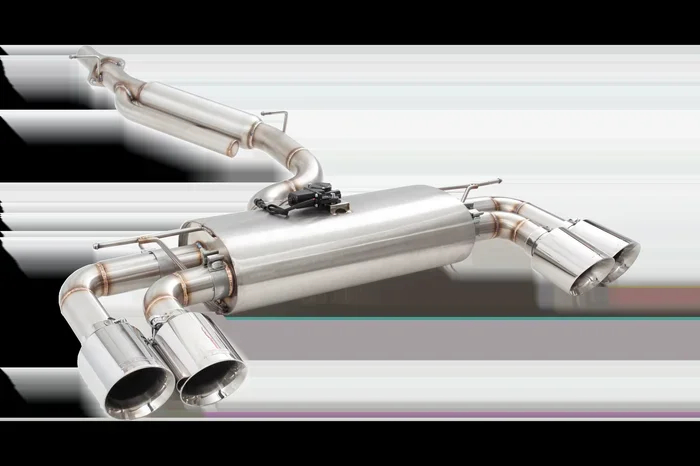
A cat-back exhaust system is the section of your exhaust that starts behind the catalytic converter and runs to the back of the vehicle. The name “cat-back” literally means from the catalytic converter backward. This system includes several key components that work together to move exhaust gases out of the engine and into the atmosphere.
Components of a Cat-Back System
Here is what you will typically find in a cat-back exhaust setup:
- Mid-pipe: Connects the downpipe to the muffler and carries exhaust gases through the center of the vehicle.
- Muffler: Reduces engine noise and controls the sound of your exhaust. Different muffler designs create different tones.
- Resonator: Some systems include a resonator, which further fine-tunes the exhaust note and reduces drone.
- Exhaust tips: The visible part of the exhaust at the rear of the vehicle. Tips come in various shapes and finishes.
- Hangers and clamps: Hardware that holds the system in place and absorbs vibration.
Together, these parts form the complete cat-back assembly. The system is designed to improve exhaust flow, enhance sound, and often reduce weight compared to factory setups. Many drivers choose an aftermarket cat-back system to give their vehicle a more aggressive tone and a slight performance boost.
Where Does the Catalytic Converter Fit In?
The catalytic converter sits between the exhaust manifold and the cat-back system. It is part of the downpipe, which is the very first section of the exhaust. The converter uses a chemical reaction to convert harmful gases like carbon monoxide and nitrogen oxides into less harmful emissions before they reach the atmosphere.
This is a critical emissions component. In fact, driving without a catalytic converter is illegal in most places and can trigger check engine lights, failed inspections, and even fines. The converter plays a non-negotiable role in your vehicle’s emissions system.
How the Downpipe and Cat-Back Connect
The downpipe bolts directly to the exhaust manifold and houses the catalytic converter. From there, the exhaust flows into the mid-pipe, which is where the cat-back system begins. This connection point is where you would swap out your factory cat-back for an aftermarket version.
Some performance enthusiasts also upgrade their downpipe alongside the cat-back. A bad catalytic converter can cause serious issues, including overheating and power loss. If your converter is failing, you may want to address that before installing a new cat-back system.
Why a Cat-Back Exhaust Does Not Include the Catalytic Converter
You might wonder why manufacturers separate the catalytic converter from the cat-back system. The answer comes down to function, regulation, and modularity.
The catalytic converter is a federally regulated emissions device. It must meet strict standards for reducing harmful pollutants. Because of this, it is treated as a separate component from the rest of the exhaust system. The cat-back portion, on the other hand, focuses on flow, sound, and aesthetics.
By keeping them separate, manufacturers and aftermarket companies give buyers flexibility. You can upgrade your cat-back for better sound and performance without touching the emissions equipment. This also makes it easier to replace individual components when needed. For example, if your catalytic converter becomes clogged, you can replace just that part without changing the entire exhaust system.
Benefits of Upgrading Your Cat-Back Exhaust
Installing a new cat-back exhaust system offers several advantages. Here is what most drivers can expect:
Improved Exhaust Flow
Aftermarket cat-back systems use larger diameter piping and smoother bends. This reduces restriction and allows exhaust gases to exit the engine more efficiently. Better flow can translate to a small but noticeable gain in horsepower and torque, especially in combination with other performance upgrades.
Enhanced Sound
One of the most popular reasons drivers upgrade their cat-back is for the sound. A performance-oriented system delivers a deeper, more aggressive exhaust note. Whether you prefer a subtle rumble or a throaty growl, there is a cat-back system for your taste.
Weight Reduction
Factory exhaust systems often use heavier materials. Aftermarket cat-back systems frequently use stainless steel or aluminized steel that is both lighter and more durable. The weight savings may be modest, but every bit helps with overall vehicle efficiency.
Better Appearance
Let us not overlook the visual appeal. A polished stainless steel exhaust tip adds a finished look to the rear of your vehicle. Many cat-back systems also feature sleek piping and high-quality hardware that elevates the undercarriage aesthetic.
Common Mistakes When Buying a Cat-Back Exhaust
Shopping for a cat-back system can be confusing. Here are some mistakes to avoid:
- Assuming it includes the catalytic converter: Always double-check the product description. If a listing says “full exhaust system,” read carefully to see what is included.
- Ignoring local emissions laws: Even if you are only replacing the cat-back portion, your vehicle must still pass emissions inspections. Removing or disabling the catalytic converter is illegal.
- Choosing the wrong size: Piping diameter matters. Too large and you lose low-end torque. Too small and you restrict flow. Match the system to your driving needs.
- Skipping the resonator: Some budget cat-back systems omit the resonator. This can result in excessive drone inside the cabin at highway speeds.
- Neglecting installation quality: Even the best system will sound terrible if it is installed poorly. Make sure the connections are tight and the system is properly secured.
Can You Replace the Catalytic Converter Separately?
Yes, you can replace the catalytic converter on its own. In fact, many owners do this when their factory converter fails or when they want to install a high-flow version. A high-flow catalytic converter allows better exhaust flow while still meeting emissions requirements.
If you are dealing with a failing converter, you may notice symptoms like reduced fuel economy, a rotten egg smell, or a check engine light. It is important to address these issues promptly. A clogged or damaged converter can lead to overheating and engine damage over time.
When shopping for a replacement converter, look for one that is CARB compliant if you live in California or a state that follows California emissions standards. This ensures your vehicle remains legal on the road.
How to Choose the Right Cat-Back System for Your Vehicle
Not all cat-back systems are created equal. Here are some tips to help you pick the right one:
- Know your goals: Are you upgrading for sound, performance, or looks? Different systems prioritize different things.
- Check compatibility: Make sure the system fits your specific make, model, and year. Universal systems may require modifications.
- Read reviews: Look for feedback from other owners who have installed the same system on a similar vehicle.
- Consider materials: Stainless steel lasts longer but costs more. Aluminized steel is a solid budget option.
- Think about sound levels: Some systems are much louder than others. If you drive daily, you may prefer a more refined tone.
Taking the time to research before you buy will save you money and headaches down the road. A well-chosen cat-back system can transform how your vehicle sounds and feels on the road.
Quick Tips for Cat-Back Exhaust Maintenance
- Inspect your exhaust system regularly for rust, especially near the muffler and tips.
- Check that all clamps and hangers are secure during routine oil changes.
- Wash the undercarriage of your vehicle in winter to remove salt and road grime.
- Listen for unusual rattles or vibrations, which can indicate loose components.
- Replace worn exhaust gaskets to prevent leaks and maintain performance.
Simple maintenance goes a long way in extending the life of your cat-back system. A well-maintained exhaust performs better, sounds better, and lasts longer.
Final Thoughts
So, does a cat-back exhaust include the catalytic converter? No, it does not. The cat-back system starts behind the converter and includes the mid-pipe, muffler, resonator, and tailpipe. The catalytic converter remains part of the downpipe and is a separate, federally regulated emissions component.
Understanding this distinction is essential if you are planning any exhaust upgrades. You can enjoy the benefits of a performance cat-back system while keeping your vehicle compliant with emissions laws. Whether you are chasing better sound, improved flow, or a sleek new look, a cat-back exhaust is one of the most rewarding upgrades you can make.
Take your time, do your research, and choose a system that fits your vehicle and your goals. Your ears and your engine will thank you.
Frequently Asked Questions
Is it legal to remove the catalytic converter from my exhaust system?
No, removing the catalytic converter is illegal in most states and violates federal emissions regulations. The converter is a required emissions control device, and tampering with it can result in fines, failed inspections, and even penalties for the shop that performs the work.
Can I install a cat-back exhaust myself?
Yes, many cat-back systems are designed for bolt-on installation and do not require welding. However, if you are not comfortable working under your vehicle, it is best to have a professional handle the installation to ensure everything is secure and leak-free.
Will a cat-back exhaust improve my vehicle’s performance?
A cat-back exhaust can provide a modest performance improvement by reducing exhaust restriction. The gains are usually small on their own but become more noticeable when combined with other upgrades like a cold air intake or performance tune.
How much does a cat-back exhaust system cost?
Prices vary widely depending on the brand, materials, and vehicle fitment. Budget systems can start around $300, while premium stainless steel setups can exceed $1,500. Installation costs are separate if you do not DIY.
What is the difference between a cat-back and a full exhaust system?
A cat-back system includes everything from behind the catalytic converter to the tailpipe. A full exhaust system includes the catalytic converter and downpipe as well. Always check the product description to confirm exactly what is included before purchasing.
How often should I replace my cat-back exhaust components?
With proper maintenance, a quality cat-back system can last 10 years or more. Mufflers and resonators may need replacement sooner depending on driving conditions, climate, and road salt exposure. Regular inspections help catch issues early.