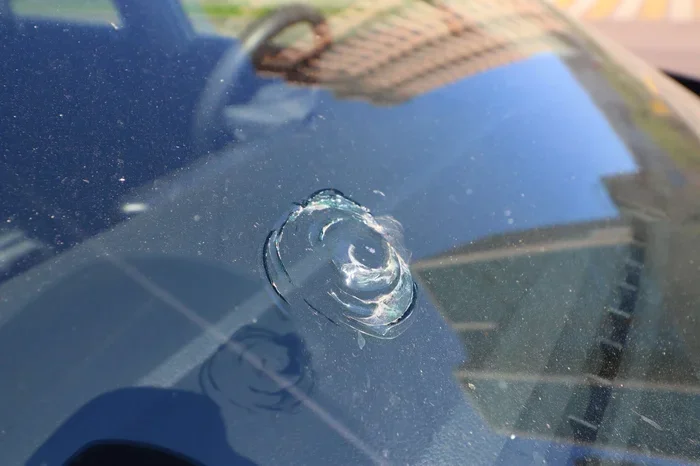
Does Car Insurance Cover A Broken Window?
Does car insurance cover a broken window? The short answer is yes, but the details depend on your auto insurance policy and the type of coverage you have. Comprehensive coverage typically pays for broken windows caused by non-collision events like falling objects, vandalism, or severe weather. Collision coverage may apply if the damage happened during an accident. You will still need to pay your deductible before your insurer covers the rest. This guide walks you through everything you need to know about filing a claim for a broken car window.
Have you ever walked out to your car only to find a cracked windshield or a shattered window? It is a frustrating moment, and your first thought is probably about the cost. The big question on most drivers’ minds is whether their car insurance will cover a broken window. The answer is not always a simple yes or no. It depends on several factors, including your type of coverage, how the damage happened, and your specific insurance policy details.
Many drivers assume their auto insurance will automatically pay for a broken window. That is not always true. Some types of coverage will help, while others will not. Understanding what your policy covers can save you from unexpected bills and stress. This guide breaks down everything you need to know about car insurance and broken window claims in plain, simple terms.
Whether a tree branch fell on your car, a rock hit your windshield while driving, or someone vandalized your vehicle, knowing your options matters. Let us walk through the details so you feel confident the next time a broken window situation comes up.
Key Takeaways
- Comprehensive coverage is the key insurance policy type that pays for broken windows from non-accident causes.
- Collision coverage can help if the window broke during a car crash or accident.
- You must pay your deductible before your insurer pays for glass replacement or windshield repair.
- Filing a claim quickly and with proper documentation speeds up the process.
- Choosing OEM glass over aftermarket glass may cost more but offers better quality and fit.
- Small cracks and chips should be repaired early to avoid full glass replacement costs.
- Filing a claim may slightly raise your insurance premium, so weigh the cost carefully.
📑 Table of Contents
- What Does Car Insurance Cover for Broken Windows?
- Comprehensive Coverage vs. Collision Coverage for Broken Glass
- How to File a Claim for a Broken Car Window
- How Much Does It Cost to Replace a Car Window?
- Common Mistakes to Avoid When Filing a Broken Window Claim
- Expert Tips to Protect Your Car Windows
- Conclusion
What Does Car Insurance Cover for Broken Windows?
The first thing to understand is that not all car insurance policies are the same. Your coverage depends on the type of policy you bought and the events that caused the damage. Let us look at the two main types of coverage that apply to broken windows.
When Does Coverage Apply?
Comprehensive coverage is the type of auto insurance that most often pays for a broken window. This coverage handles damage from events that are not collisions. Here are common situations where comprehensive coverage kicks in:
- A rock or debris hits your windshield while driving
- Vandalism or theft causes window damage
- A falling tree branch or hail breaks your window
- Severe weather like a storm or tornado damages your car
- Someone breaks into your vehicle and shatters a window
All of these scenarios fall under non-collision events. That is exactly what comprehensive coverage is designed for. If you have this type of coverage on your insurance policy, your car insurance will likely pay for the glass replacement or windshield repair after you pay your deductible.
When Does Coverage Not Apply?
There are also situations where your broken window may not be covered. Understanding these helps set realistic expectations:
- If you only have liability coverage, your car insurance will not pay for your own window damage. Liability coverage only pays for damage you cause to others.
- If the window broke because of poor maintenance, such as an old crack that spread, your insurer may deny the claim.
- Damage from an accident you caused may require collision coverage to be included in your policy.
Comprehensive Coverage vs. Collision Coverage for Broken Glass
Understanding the difference between comprehensive coverage and collision coverage is essential when dealing with a broken window. These two types of coverage serve very different purposes, and knowing which one applies can save you time and money.
What Is Comprehensive Coverage?
Comprehensive coverage is sometimes called “other than collision” coverage. It covers damage to your car from events that do not involve a crash with another vehicle. This includes broken windows caused by weather, falling objects, fire, theft, vandalism, and natural disasters.
Think of comprehensive coverage as protection against the unexpected things life throws at your car. A hail storm hits your windshield. A baseball flies through your window. Someone keyed your car. Comprehensive coverage handles all of these situations for your broken window repair or glass replacement needs.
What Is Collision Coverage?
Collision coverage pays for damage to your car when it crashes into another vehicle or object. If you hit a guardrail and your window shatters, collision coverage would apply. If you are in a fender bender and your side window breaks, collision coverage has you covered.
However, if your window broke from a non-driving event, like a rock falling from a truck, collision coverage will not help. That is where comprehensive coverage comes in.
Comparison Table: Comprehensive vs. Collision for Broken Windows
| Coverage Type | Broken Window from Weather | Broken Window from Vandalism | Broken Window from Accident | Broken Window from Falling Object |
|---|---|---|---|---|
| Comprehensive Coverage | Yes | Yes | No | Yes |
| Collision Coverage | No | No | Yes | No |
| Liability Only | No | No | No | No |
How to File a Claim for a Broken Car Window
Once you know your coverage applies, the next step is filing a claim. The process is straightforward, but doing it right can make a big difference in how quickly you get your glass replacement or windshield repair handled.
Step-by-Step Filing Process
- Document the damage. Take clear photos of the broken window from multiple angles. Capture any debris, cracks, or chips.
- Check for safety issues. If the cracked windshield or broken window affects your ability to drive safely, do not drive the car until it is repaired.
- Contact your insurance provider. Call your insurer or use their app to start the claim process. Report the damage as soon as possible.
- Provide details. Explain what happened, when it happened, and share your photos. Your insurer will assign a claim number.
- Get an estimate. Your insurer may ask you to visit an approved repair shop or provide an estimate from a licensed glass shop.
- Pay your deductible. Once approved, you pay your deductible amount, and your insurer covers the rest up to your policy limits.
- Complete the repair or replacement. The shop will fix or replace your window. Make sure they use quality OEM glass or approved aftermarket glass.
- File your claim as soon as possible after the damage occurs. Delays can cause complications.
- Keep all receipts and documentation related to the repair.
- Ask your insurer if they have a direct repair program with local shops. This can speed up the process.
- Do not admit fault if the damage was not your fault. Simply report the facts.
What Documents Do You Need?
Having the right documents ready makes filing a claim much smoother. Here is what you will typically need:
- Your insurance policy number and card
- Photos of the broken window and surrounding damage
- A police report, if the damage was caused by vandalism or a hit-and-run
- Photos of any debris or evidence of what caused the damage
- Contact information for any witnesses, if applicable
How Much Does It Cost to Replace a Car Window?
The repair cost for a broken window varies widely depending on several factors. Understanding these costs helps you decide whether filing a claim is worth it.
Average Replacement Costs by Vehicle Type
The type of vehicle you drive plays a big role in the glass replacement cost. Here is a general breakdown:
- Sedans: $200 to $450 for a standard side window or rear window replacement
- SUVs and Crossovers: $300 to $600 depending on the model and glass type
- Trucks and Vans: $350 to $700 for full-size vehicles
- Windshields: $250 to $500 for most passenger vehicles, but can go higher for luxury or luxury models
- Luxury or Specialty Vehicles: $500 to $1,200 or more for unique or smart glass features
These are general ranges. Your actual cost may be higher or lower based on your location, the shop you choose, and the specific glass needed.
OEM Glass vs. Aftermarket Glass
When replacing a broken window, you will often have a choice between OEM glass and aftermarket glass. Here is the difference:
- OEM glass (Original Equipment Manufacturer) is made by the same company that produced the original window for your vehicle. It matches the exact specifications, fit, and quality.
- Aftermarket glass is made by a different manufacturer. It is designed to fit your vehicle but may not match the original quality exactly.
OEM glass typically costs more but offers better clarity, durability, and fit. Aftermarket glass is more affordable and still meets safety standards. Your auto insurance policy may specify which type is covered, so it is worth asking your insurer before the repair.
Common Mistakes to Avoid When Filing a Broken Window Claim
Filing a claim for a broken window seems simple, but small mistakes can cause big problems. Here are the most common errors drivers make and how to avoid them.
Mistake 1: Waiting Too Long to Report the Damage
Time matters when it comes to insurance claims. The longer you wait to report a broken window, the harder it becomes to prove the damage was not pre-existing. Your auto insurance company may question whether the damage happened recently or was caused by neglect. Always report damage as soon as you notice it.
Mistake 2: Choosing the Wrong Repair Shop
Not all glass repair shops are the same. Some shops cut corners, use low-quality aftermarket glass, or do not follow proper installation procedures. This can lead to leaks, wind noise, and even safety issues. Always choose a reputable shop that is approved by your insurer or certified by industry standards.
Mistake 3: Ignoring Small Cracks and Chips
A small chip in your windshield might seem harmless, but it can spread quickly. Temperature changes, driving vibrations, and road conditions can turn a tiny chip into a long cracked windshield. Early windshield repair is often cheaper and faster than full glass replacement. Do not ignore small damage.
Mistake 4: Filing a Claim for Every Small Issue
Every claim you file can affect your insurance premium. If the repair cost is close to or lower than your deductible, it might not be worth filing a claim. Pay out of pocket for small repairs and save your no-claim bonus for larger incidents.
- Delaying your report can weaken your claim
- Picking an unapproved shop can lead to poor results
- Ignoring small damage leads to bigger costs later
- Filing unnecessary claims can raise your insurance premium
Expert Tips to Protect Your Car Windows
Prevention is always better than repair. While you cannot prevent every broken window situation, there are smart steps you can take to reduce the risk of damage and keep your auto insurance premiums in check.
Preventive Measures
- Park in garages or shaded areas. This protects your windows from hail, falling branches, and extreme temperature changes that can worsen existing cracks.
- Keep distance from large trucks. Semi-trucks and construction vehicles can throw rocks and debris onto your windshield. Keeping a safe following distance reduces this risk.
- Use a sunshade. Extreme heat can weaken existing chips and cracks, causing them to spread. A windshield sunshade helps regulate temperature.
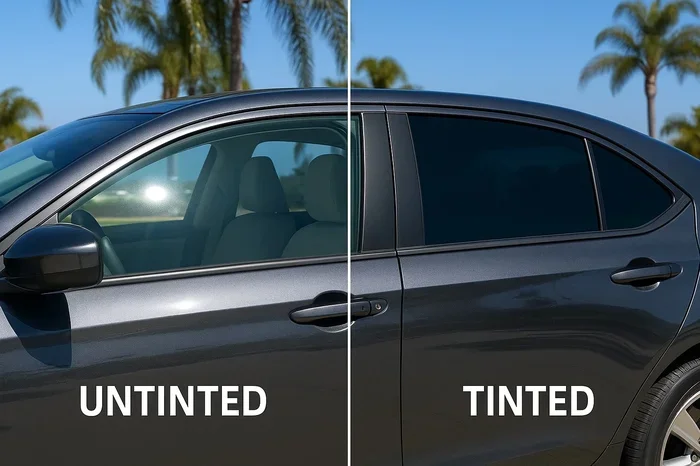
- Install window tinting. Tinting adds a layer of protection that can help hold glass together if it breaks, reducing the risk of shattering.
- Address chips and cracks immediately. Early windshield repair prevents small damage from becoming a full glass replacement situation.
When to Repair vs. When to Replace
Not every broken window needs full replacement. Here is a simple guide:
- Repair if: The chip or crack is smaller than a dollar bill, it is not in the driver’s direct line of sight, and the damage is not spreading.
- Replace if: The crack is longer than a dollar bill, the damage is in the driver’s line of sight, the glass is shattered or fragmented, or the damage is on the edge of the window.
When in doubt, get a professional assessment. A qualified technician can tell you whether windshield repair is sufficient or if full glass replacement is the safer option.
Conclusion
So, does car insurance cover a broken window? Yes, in most cases it does, provided you have the right type of coverage. Comprehensive coverage is the primary type of auto insurance that pays for broken windows caused by non-collision events like weather, vandalism, and falling objects. Collision coverage steps in when the damage happens during an accident.
Filing a claim is straightforward when you have your documentation ready and you act quickly. Understanding your deductible, the repair cost, and whether OEM glass or aftermarket glass is the right choice helps you make informed decisions. Avoiding common mistakes like delaying your report or ignoring small cracks can save you time, money, and headaches.
The most important takeaway is this: know your policy. Read your insurance policy documents, understand your coverage types, and keep your insurance provider informed. Being prepared means you will never be caught off guard by a broken window. Take action today, protect your investment, and drive with confidence knowing your car insurance has your back.
Frequently Asked Questions
Will my car insurance cover a broken window from a rock on the highway?
Yes, if you have comprehensive coverage, your auto insurance will likely cover a broken window caused by a rock or debris on the highway. This type of damage falls under non-collision events, which comprehensive coverage is designed to handle. You will still need to pay your deductible before your insurer covers the rest.
Does filing a broken window claim raise my insurance premium?
It can, but not always. A single comprehensive claim for a broken window may have a smaller impact on your insurance premium than a collision claim. However, multiple claims over a short period can lead to rate increases. If the repair cost is close to your deductible, it may be worth paying out of pocket to avoid a potential premium hike.
What is the difference between OEM and aftermarket glass for window replacement?
OEM glass is made by the original manufacturer and matches the exact specifications of your vehicle’s original window. Aftermarket glass is made by a different manufacturer and is designed to fit your vehicle but may vary in quality. OEM glass typically costs more but offers superior fit, clarity, and durability. Check your insurance policy to see which type is covered.
How long does it take to process a broken window insurance claim?
Most insurance claims for a broken window are processed within a few days to a couple of weeks. The timeline depends on your insurer, the complexity of the damage, and how quickly you provide documentation. Windshield repair is often faster than full glass replacement, sometimes completed in under an hour at an approved shop.
Can I choose my own repair shop for a broken window claim?
In most cases, yes. Many auto insurance companies have a network of approved or preferred repair shops, but you often have the right to choose your own shop. Just make sure the shop is licensed, reputable, and uses quality glass. Some insurers may require you to get an estimate before proceeding, so always check with your provider first.
Do I need comprehensive coverage to get a broken window fixed?
For non-accident-related broken windows, yes, you need comprehensive coverage. If you only carry liability coverage, your car insurance will not pay for your own window damage. Collision coverage only applies to accident-related damage. If you do not have comprehensive coverage, you will need to pay for the glass replacement or windshield repair out of pocket.