Car Wont Jump Start These Fixes Will Get You Running
When your car won’t jump start, it can ruin your entire day. A dead battery, corroded terminals, or a faulty alternator are the most common culprits behind this frustrating problem. This guide walks you through every possible cause and fix step by step. You will learn how to diagnose the issue safely and get your engine running again. Whether you are stuck in your driveway or on the roadside, these solutions will help you move forward quickly.
There is nothing more disappointing than turning your key and hearing nothing but silence. You expect the engine to roar to life, but instead you get a clicking sound or complete stillness. A car won’t jump start situation is one of the most common automotive problems drivers face. It happens to everyone at some point, whether you are running late for work or heading out on a weekend trip.
The good news is that most causes are easy to identify and fix. You do not need to be a mechanic to solve this problem. With the right knowledge and a few basic tools, you can get back on the road in no time. This article covers every reason your engine might refuse to turn over and gives you clear, actionable steps to fix each one. Let us dive in and get you moving again.
Key Takeaways
- Dead or old battery: Most jump start failures come from a weak or dead 12-volt battery that needs replacement.
- Corroded or loose terminals: Dirty or damaged battery connections block power flow and prevent starting.
- Faulty jumper cables or method: Using bad cables or incorrect jump start procedures can fail every time.
- Bad alternator or starter motor: Even with a full charge, a failed alternator or solenoid will keep your car from turning over.
- Cold weather impact: Low temperatures reduce battery power significantly and are a top reason for no-start conditions.
- Parasitic draw: Electrical components draining power overnight can leave your battery too weak to start the next morning.
- When to call for help: Knowing when roadside assistance is smarter than DIY saves time, money, and safety risks.
📑 Table of Contents
- Why Your Car Won’t Jump Start: The Most Common Causes
- How to Diagnose Your No-Start Problem
- How to Properly Jump Start Your Car
- Preventing Future No-Start Situations
- When to Call for Professional Help
- Quick Tips for Emergency Situations
- Common Mistakes People Make When Their Car Won’t Start
- Understanding Your Car’s Electrical System
- Cold Weather and Your Battery
- Key Takeaways
- Frequently Asked Questions
- Conclusion
Why Your Car Won’t Jump Start: The Most Common Causes
Before you grab your jumper cables, it helps to understand what is actually happening. A jump start sends power from a healthy battery into your dead battery to crank the engine. But if something else is wrong, that power boost will not work. Let us look at the top reasons this happens.
Dead or Weak Battery
The number one reason a car won’t jump start is a completely dead battery. Car batteries typically last three to five years. Over time, they lose their ability to hold a charge. If your battery is old or has been sitting unused for weeks, it may not accept a jump start at all.
Cold weather makes this worse. Low temperatures slow down the chemical reaction inside the battery. A battery that works fine in summer might fail completely in winter. If your headlights look dim or your dashboard lights flicker, your battery is likely the problem.
Corroded or Loose Battery Terminals
Even with a good battery, dirty terminals will block the flow of electricity. White or blue-green buildup on your battery posts is a clear sign of corrosion. This crusty layer prevents a solid connection between the cables and the battery.
Loose terminals cause the same issue. If the clamp is not tight, electricity cannot flow properly. You might try jump starting your car five times and still get nothing. Before you assume the battery is dead, pop the hood and check your terminals first. A simple cleaning can sometimes solve the entire problem.
Faulty Jumper Cables or Wrong Connections
Not all jumper cables are created equal. Thin, cheap cables cannot carry enough current to start a car. If your cables are old or damaged, they might not transfer power effectively. Look for cables that are thick with heavy-gauge wiring for the best results.
Connecting the cables in the wrong order is another common mistake. You must attach the positive cable first, then the negative. Reversing the order can damage the electrical system. Always follow the correct sequence when you are jump starting your vehicle.
Bad Alternator
The alternator charges your battery while the engine runs. If your alternator is failing, your battery will never get fully charged. You might jump start the car successfully, but it will die again within minutes. This is one of the trickiest problems because the jump start itself works fine.
Signs of a failing alternator include dimming headlights when you idle and a battery warning light on your dashboard. If you notice these symptoms, get your alternator tested right away. Replacing it is much cheaper than constantly replacing batteries.
Starter Motor or Solenoid Failure
The starter motor is what actually turns your engine over. When you turn the key, the solenoid sends a signal to engage the starter. If either component fails, your car will not crank even with a full battery charge.
A single loud click when you turn the key often points to a solenoid problem. No sound at all usually means the starter motor itself has failed. These are more expensive repairs, but they are very common reasons a car won’t jump start even when the battery is good.
How to Diagnose Your No-Start Problem
Figuring out exactly why your car will not start saves you time and money. You do not need expensive tools to begin diagnosing the issue. Follow these steps to narrow down the cause.
Step 1: Check the Battery Voltage
A voltage tester is your best friend for diagnosing battery issues. Set your multimeter to DC voltage and touch the probes to the battery terminals. A healthy battery should read 12.6 volts or higher. Anything below 12.0 volts means your battery is weak and may need charging or replacement.
If the voltage drops below 10 volts when you try to crank the engine, the battery is definitely the problem. A fully charged battery should hold its voltage under load.
Step 2: Inspect the Battery Terminals and Cables
Look closely at where the cables connect to the battery. Corrosion looks like a powdery white or green substance. Use a wire brush or a battery terminal cleaner to scrub it away. Make sure the cable clamps are tight and snug against the posts.
Also check the cable itself for any fraying or exposed wires. Damaged cables create resistance and reduce the power reaching the battery. Replace any cables that look worn or brittle.
Step 3: Test the Headlights
Turn on your headlights before attempting a jump start. If the lights are very dim or do not turn on at all, your battery has very little charge left. Bright headlights mean the battery has some power, and the problem might be elsewhere.
This simple test gives you an instant clue about the severity of the battery drain. Dim lights strongly suggest the battery is too weak to accept a jump start.
Step 4: Listen for Clicking Sounds
When you turn the key, pay close attention to what you hear. A rapid clicking usually means the battery does not have enough power to engage the starter. A single click often points to a bad starter motor or solenoid.
No sound at all could mean a faulty ignition switch or a completely dead electrical system. Each sound tells a different story about what is going wrong under the hood.
How to Properly Jump Start Your Car
Once you have identified the cause, it is time to attempt the jump start. Doing it correctly matters more than most people realize. Follow these steps carefully to avoid damaging your electrical system.
What You Will Need
- A set of heavy-gauge jumper cables
- A working vehicle with a healthy battery
- Safety gloves and eye protection
- Your vehicle owner’s manual
The Correct Connection Order
Always connect the cables in this exact sequence. First, attach the red positive clamp to the dead battery’s positive terminal. Then connect the other red clamp to the working battery’s positive terminal. Next, attach the black negative clamp to the working battery’s negative terminal. Finally, connect the last black clamp to an unpainted metal surface on your car’s engine block.
Never connect the last negative clamp directly to the dead battery’s negative terminal. This can cause sparks near the battery and potentially ignite hydrogen gas. Safety should always come first when you are working with batteries.
Starting the Vehicles
Start the working vehicle first and let it run for a few minutes. This charges the dead battery slightly. Then try starting your car. If it turns over and starts, let it run for at least 15 to 20 minutes to recharge the battery.
If your car still will not start after a proper jump, the battery may be completely dead or something else is wrong. Do not keep trying repeatedly. This can overheat the starter and cause additional damage.
Preventing Future No-Start Situations
The best way to deal with a car won’t jump start problem is to prevent it from happening in the first place. Regular maintenance goes a long way toward keeping your battery and electrical system healthy.
Keep Your Battery Clean and Secure
Every few months, open the hood and inspect your battery terminals. Clean off any corrosion with a baking soda and water solution. Make sure the cables are tight and the battery is securely mounted in its tray.
A loose battery vibrates while driving and can damage the internal plates. This shortens the battery’s lifespan significantly. A few minutes of maintenance every couple of months can add years to your battery life.
Drive Your Car Regularly
Car batteries charge while you drive. If your car sits unused for long periods, the battery slowly loses its charge. Try to drive your vehicle at least once a week for 20 to 30 minutes. This keeps the battery topped off and the electrical system functioning properly.
If you have a second vehicle or a car that sits in the garage too often, consider using a battery maintainer or trickle charger. These devices keep your battery at full charge without overcharging it.
Replace Your Battery Before It Fails
Do not wait for your battery to die completely before replacing it. Most batteries last three to five years. After the three-year mark, have your battery tested at every oil change. Many auto parts stores offer free battery testing.
Replacing a battery before it fails saves you from being stranded. It also ensures your electrical system works reliably in all weather conditions. A fresh battery gives you peace of mind every time you turn the key.
Watch for Warning Signs
Your car gives you plenty of warning before a battery completely fails. Slow cranking when you start the engine is the first sign. Dim headlights when idling is another. A swollen or bloated battery case means the battery is overheating and nearing the end of its life.
Do not ignore these signs. Addressing them early gives you time to replace the battery on your own schedule instead of being caught off guard on a busy morning.
When to Call for Professional Help
Not every no-start situation is a DIY fix. Some problems require professional tools and expertise. Knowing when to call for help saves you from wasting time and potentially making things worse.
If you have tried jump starting your car multiple times and it still will not start, it is time to call a professional. A mechanic can run a full electrical diagnostic and pinpoint the exact issue. They have the right equipment to test the alternator, starter motor, and ignition switch quickly and accurately.
Roadside assistance is another great option if you are stranded on the side of the road. Most insurance plans and membership programs include jump start services. Calling for help is always better than attempting risky repairs in an unsafe location.
Also seek professional help if you smell sulfur or notice a hissing sound near the battery. These are signs of a leaking or damaged battery, which can be dangerous. A trained technician can handle these situations safely and replace the battery if needed.
Quick Tips for Emergency Situations
Sometimes you need a fast solution right now. Here are some quick tips to keep in mind when you are in a pinch and your car won’t jump start.
- Always keep a set of jumper cables in your trunk. You never know when someone will stop to help you.
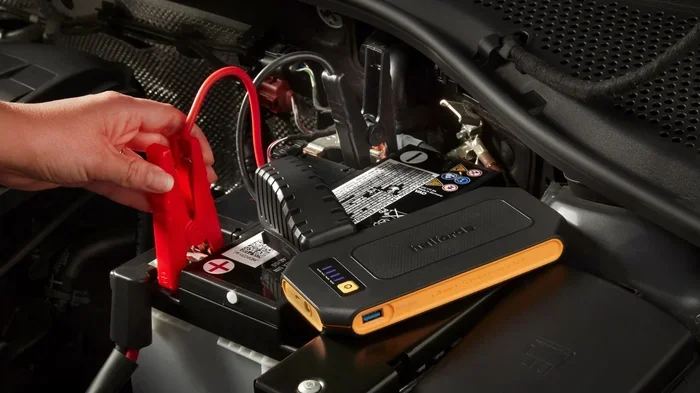
- Carry a portable jump starter pack. These small devices fit in your glove box and can start your car without another vehicle.
- Keep your phone charged. You will need it to call for roadside assistance if DIY methods fail.
- Know your battery’s location and how to open the hood before you ever need to. Practice once so you are prepared.
- Stay calm and assess the situation. Panic leads to mistakes. Take a breath and work through the steps methodically.
Common Mistakes People Make When Their Car Won’t Start
Learning from other people’s mistakes can save you a lot of frustration. Here are the most common errors drivers make when dealing with a no-start situation.
- Assuming it is always the battery: Sometimes the problem is a bad ignition switch, blown fuse, or faulty fuel pump. Do not replace the battery until you have checked other possibilities.
- Jump starting in the wrong order: Connecting cables incorrectly can fry your car’s computer or damage the alternator. Always follow the correct sequence.
- Letting the car run too briefly after a jump: A short drive is not enough to recharge a dead battery fully. Drive for at least 20 to 30 minutes after a jump start.
- Ignoring corrosion: Cleaning terminals takes five minutes but solves many no-start problems. Do not skip this step.
- Trying to push start a modern car: Older cars with manual transmissions could be push started. Most modern vehicles have fuel injection systems that will not work this way.
Understanding Your Car’s Electrical System
To truly prevent future starting problems, it helps to understand how your car’s electrical system works. The battery provides the initial power to crank the engine. Once the engine is running, the alternator takes over and generates electricity to power all the electrical components and recharge the battery.
The starter motor draws a massive amount of power from the battery to turn the engine over. This is why a weak battery struggles to start the car. The solenoid acts as a bridge between the battery and the starter motor. It sends a signal that tells the starter to engage.
When one of these components fails, the entire starting process breaks down. A car won’t jump start when the electrical system has multiple points of failure. Regular maintenance of the battery, alternator, and starter keeps everything working smoothly and reliably.
Cold Weather and Your Battery
Winter is the worst season for car battery problems. Cold temperatures reduce a battery’s ability to deliver power. A battery that is 75 percent charged might work fine in summer but fail completely in freezing weather.
If you live in a cold climate, consider investing in a battery blanket or insulator. These devices wrap around the battery and keep it warm during cold nights. They are inexpensive and can add months of life to your battery during the winter months.
Also park your car in a garage whenever possible. Keeping the vehicle out of wind and freezing temperatures reduces the strain on the battery. Even a covered parking spot makes a noticeable difference in battery performance during cold snaps.
Key Takeaways
- Dead or old battery: Most jump start failures come from a weak or dead 12-volt battery that needs replacement.
- Corroded or loose terminals: Dirty or damaged battery connections block power flow and prevent starting.
- Faulty jumper cables or method: Using bad cables or incorrect jump start procedures can fail every time.
- Bad alternator or starter motor: Even with a full charge, a failed alternator or solenoid will keep your car from turning over.
- Cold weather impact: Low temperatures reduce battery power significantly and are a top reason for no-start conditions.
- Parasitic draw: Electrical components draining power overnight can leave your battery too weak to start the next morning.
- When to call for help: Knowing when roadside assistance is smarter than DIY saves time, money, and safety risks.
Frequently Asked Questions
How long should I let my car run after a jump start?
You should drive your car for at least 20 to 30 minutes after a jump start. This allows the alternator to recharge the battery fully. If you keep the engine running for a short time and then turn it off again, the battery may not have enough charge to start the car a second time. Longer drives are always better for recharging a jumped battery.
Can a bad alternator prevent a jump start from working?
Yes, a failing alternator can cause repeated no-start situations. Even if the jump start works initially, a bad alternator will not recharge the battery while driving. The car will stall again shortly after. If your car dies repeatedly after a jump start, the alternator is likely the root cause and needs professional testing and replacement.
What should I do if my car clicks but won’t start?
A rapid clicking sound usually means your battery does not have enough power to engage the starter motor. Try jump starting the car with proper cable connections. If you hear a single click each time, the starter motor or solenoid may be faulty. In either case, check your battery voltage first with a multimeter to narrow down the problem.
Is it safe to jump start a car in the rain?
Yes, it is generally safe as long as you take proper precautions. Keep the jumper cables away from standing water and make sure your hands and the cables are dry. The voltage from a car battery is low enough that rain alone does not create a serious shock hazard. However, always prioritize safety and avoid working under the hood in heavy storms or lightning.
How do I know if my battery needs replacement or just a charge?
A battery that holds a voltage above 12.4 volts after a full charge can likely be saved with recharging. If the voltage drops below 12.0 volts quickly or fails to hold any charge overnight, the battery is worn out and needs replacement. Most auto parts stores will test your battery for free and tell you whether a recharge or replacement is the better option.
Can a portable jump starter replace traditional jumper cables?
Absolutely. Portable jump starters are compact battery packs that can start your car without another vehicle. They are incredibly convenient for emergencies and work independently of any external power source. Keep one in your trunk and you will never be stranded with a dead battery. Just remember to recharge the portable unit every few months to keep it ready when you need it.
Conclusion
A car won’t jump start situation is stressful, but it is almost always solvable. Most of the time, the culprit is a dead battery, corroded terminals, or a simple mistake in the jump start process. By understanding the common causes and following the diagnostic steps in this guide, you can quickly identify the problem and apply the right fix.
Regular maintenance goes a long way toward preventing these situations altogether. Keep your battery clean, drive your car regularly, and replace the battery before it fails completely. These simple habits save you from countless hours of frustration and unexpected breakdowns.
When DIY fixes are not enough, do not hesitate to call a professional or roadside assistance. There is no shame in asking for help, especially when your safety is at stake. The key is to stay calm, work through the problem methodically, and keep these tips in mind for the next time your car refuses to start. You now have the knowledge and confidence to handle almost any no-start situation that comes your way.