Why the Windshield Is So Important for Your Car Matters
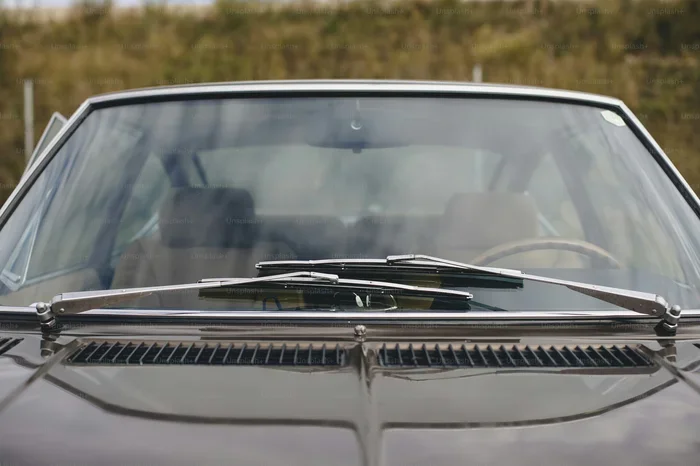
Your windshield does far more than just keep wind and bugs out of your face. It plays a critical role in your car’s structural strength, safety during a crash, and even fuel efficiency. Understanding why the windshield is so important for your car can help you take better care of it and stay safer on every drive.
You probably do not think about your windshield very often. It just sits there, doing its job quietly while you drive to work, run errands, or hit the open road. But here is the truth. Your windshield is one of the most important parts of your entire vehicle.
It is not just a flat piece of glass that keeps bugs off your face. The windshield plays a huge role in your car’s safety, structure, and even how well it drives. When you understand why the windshield is so important for your car, you start to see it in a whole new light.
In this article, we will break down every reason your windshield matters. We will talk about safety, structural support, visibility, and even fuel economy. By the end, you will never look at your windshield the same way again.
Key Takeaways
- Structural Support: The windshield helps hold your car’s roof in place during a rollover accident.
- Safety Glass Technology: Modern windshields use laminated glass that stays intact even when cracked.
- Airbag Deployment: Your windshield acts as a backstop for front airbags during a collision.
- Driver Visibility: A clean, intact windshield ensures you can see the road clearly at all times.
- UV and Temperature Protection: The windshield shields you from harmful sun rays and helps regulate cabin temperature.
- Vehicle Value: A well-maintained windshield preserves your car’s resale value and curb appeal.
- Easy Maintenance: Simple habits like avoiding harsh chemicals and fixing chips early can extend your windshield’s life significantly.
📑 Table of Contents
The Role of the Windshield in Car Safety
Safety is the number one reason to care about your windshield. Most people think of seatbelts and airbags when they picture car safety. But the windshield is a quiet hero that works behind the scenes every single time you drive.
How Laminated Glass Protects You
Modern cars do not use regular glass for windshields. They use something called laminated glass. This is two layers of glass with a thin plastic layer sandwiched in between. When something hits the glass, the plastic layer holds the pieces together. This means shards do not fly into your face during an accident.
This is a huge deal. Regular glass shatters into sharp, dangerous pieces. Laminated glass stays in one piece, even when it cracks. That plastic interlayer is what makes car safety glass so effective. It is a simple design that saves lives every day.
The Windshield as a Structural Component
Here is something most drivers do not know. Your windshield helps hold the roof of your car up. In a rollover accident, the windshield provides about 30 percent of the roof’s structural strength. Without it, the roof could collapse inward and crush the passengers inside.
Automakers call this the cabin integrity of the vehicle. The windshield is a key part of that equation. It bonds with the car frame using a special adhesive. This bond creates a rigid structure that keeps the passenger compartment intact during a crash.
Think of it this way. Your windshield is like the skeleton of your car’s front end. It absorbs impact and distributes force across the frame. This helps protect you and your passengers from serious injury.
Airbag Deployment and the Windshield
Your front airbags depend on the windshield more than you might think. When an airbag deploys, it shoots out from the steering wheel or dashboard at incredible speed. The windshield acts as a backstop, bouncing the airbag toward you at the right angle.
If your windshield is cracked or poorly installed, it might not hold up during this process. The airbag could push through a weak spot. This means the airbag might not protect you the way it was designed to. That is why windshield replacement after any damage is so critical.
Driver Visibility and the Windshield
Clear sight equals safe driving. Your windshield is your window to the world outside your car. If it is cracked, chipped, or dirty, your view of the road suffers. This can lead to accidents, especially in tricky driving conditions.
How Chips and Cracks Reduce Visibility
Even a small chip can scatter light and create glare. A crack can distort your view of traffic lights, signs, and pedestrians. Over time, these small problems get worse. They spread with every bump and temperature change you experience on the road.
Sun glare is a big problem here. When the sun hits a cracked windshield, it bends the light in strange ways. This can temporarily blind you. UV protection in modern windshields helps reduce this, but a damaged windshield loses much of that benefit.
Wind Noise and Driving Comfort
A properly sealed windshield also reduces wind noise inside your car. When the seal breaks or the glass is damaged, you hear a constant whooshing sound. This might not sound like a big deal, but it can be distracting and tiring on long drives.
Driving comfort matters more than most people realize. Constant noise fatigue slows your reaction time. It makes you more irritable and less focused. Keeping your windshield in good shape helps you stay calm and alert behind the wheel.
Windshield and Vehicle Aerodynamics
Your car is designed to cut through the air with minimal resistance. The shape of the windshield plays a big role in this. It helps guide airflow smoothly over the roof and past the rear of the car.
How Windshield Shape Affects Fuel Economy
When airflow is smooth, your car uses less fuel. A damaged or poorly angled windshield disrupts this airflow. It creates drag. More drag means your engine has to work harder. That means you burn more gas.
This is why automakers spend so much time designing the perfect windshield angle. Even a small change in shape can improve aerodynamics by a noticeable amount. If your windshield is cracked or replaced with the wrong type, you might lose some of that efficiency.
Wind Deflection and Temperature Regulation
The windshield also helps with temperature regulation inside your car. It blocks cold wind in winter and reduces heat buildup in summer. The special coatings on modern windshields reflect infrared light. This keeps your cabin cooler without cranking the air conditioner.
In winter, a good windshield seal prevents cold drafts from entering the car. This keeps you warm and comfortable. It also reduces fogging on the inside of the glass. Less fogging means better visibility from the moment you start driving.
Windshield Damage: Causes and Prevention
Knowing what damages your windshield helps you prevent it. Most drivers assume cracks only come from big accidents. But the truth is, many small things cause damage every day.
Common Causes of Windshield Damage
- Road debris: Rocks, gravel, and dirt kicked up by other vehicles are the number one cause of chips and cracks.
- Temperature changes: Rapid shifts from hot to cold can stress the glass and cause it to crack.
- Improper installation: A windshield that is not bonded correctly can shift, vibrate, and develop stress cracks over time.
- Pressure changes: Overloading your car or placing heavy items on the roof puts extra stress on the windshield.
- Accidents and collisions: Even minor fender benders can crack a windshield that is already weakened.
- Vandalism and hail: These are unpredictable but can cause serious damage in seconds.
Quick Tips to Protect Your Windshield
Protecting your windshield does not have to be complicated. A few simple habits can make a big difference. Here are some easy tips to follow.
- Keep a safe distance from trucks and vehicles carrying loose cargo. This reduces the chance of rocks hitting your glass.
- Avoid slamming your car doors when parked nearby. The vibration can weaken existing chips.
- Park in the shade whenever possible. Extreme heat expands the glass and can cause cracks to spread.
- Use a gentle glass cleaner instead of harsh chemicals. Harsh cleaners can damage the windshield’s special coatings.
- Fix small chips immediately. A chip the size of a quarter can usually be repaired before it spreads into a full crack.
- Replace worn windshield wipers regularly. Old wipers scratch the glass and reduce visibility.
- Do not use hot water to defrost your windshield in winter. The sudden temperature change can cause it to crack.
When to Repair vs. When to Replace
Not every windshield problem requires a full replacement. Understanding the difference can save you time and money. It also keeps you safer on the road.
Signs You Need a Repair
A small chip or crack that is smaller than a dollar bill and not in the driver’s direct line of sight can usually be repaired. Windshield repair is fast, affordable, and keeps your original glass intact. The technician injects a special resin into the damaged area. This fills the crack and restores the glass strength.
Signs You Need a Replacement
You should consider auto glass replacement if the crack is longer than three inches, if it is in your line of sight, or if there are multiple cracks. A damaged windshield that compromises your view is a safety hazard. Do not wait to fix it.
Also, if the damage is near the edge of the windshield, the structural integrity is already weakened. In these cases, replacement is the safer option. A professional can install a new windshield with the correct adhesive and ensure it bonds properly to the car frame.
The Financial Side of Windshield Care
Taking care of your windshield also makes good financial sense. A damaged windshield can affect your insurance, your vehicle’s resale value, and even your wallet in unexpected ways.
Insurance and Windshield Claims
Many auto insurance policies cover windshield replacement with no deductible. This is because a damaged windshield is considered a safety issue, not just a cosmetic one. Check your policy to see if you have comprehensive glass coverage. It could save you hundreds of dollars.
How Windshield Condition Affects Vehicle Value
Buyers notice everything about a car. A cracked or chipped windshield is one of the first things they see. It signals neglect. A car with a clean, intact windshield looks better and feels more valuable. If you plan to sell or trade in your vehicle, a well-maintained windshield can boost your vehicle value significantly.
Common Mistakes That Cost You Money
- Ignoring small chips because they seem minor.
- Choosing the cheapest replacement option without checking quality.
- Using DIY repair kits that do not work properly.
- Delaying replacement until the crack blocks your view.
- Not checking if your insurance covers glass repair.
Avoiding these mistakes keeps your windshield in great shape and your wallet happy.
Expert Insights on Windshield Maintenance
We asked a few auto glass professionals about the most common mistakes they see. Their advice is worth listening to.
“People wait too long to fix a chip,” says one technician from a leading auto glass shop. “What starts as a small rock hit can turn into a full crack in just a few days. Fix it early, and it is a simple repair. Wait too long, and you need a full replacement.”
Another expert adds, “Always make sure your windshield is installed by a certified professional. The adhesive matters just as much as the glass itself. A bad install can lead to leaks, wind noise, and even the windshield popping out in a crash.”
These insights highlight why proper care and professional service matter so much. Your windshield is not just a piece of glass. It is a safety system that works with the rest of your car to protect you every time you drive.
Final Thoughts
Your windshield does a lot more than you probably ever realized. It protects you in a crash. It keeps your cabin strong. It gives you clear visibility on every trip. It even helps your car use less fuel. Understanding why the windshield is so important for your car is the first step toward treating it with the care it deserves.
Take a few minutes today to inspect your windshield. Look for chips, cracks, and worn wiper blades. Fix small problems before they grow. Keep your glass clean and your seals in good shape. These simple habits add up to a safer, more comfortable, and more valuable vehicle.
Your windshield works hard for you every single day. It is time to return the favor. Take care of it, and it will take care of you.
Frequently Asked Questions
Can a cracked windshield cause a car to fail inspection?
Yes, in most states a cracked windshield will cause your vehicle to fail inspection. Inspectors check for cracks that block the driver’s view or compromise the glass’s structural integrity. Even small cracks in the driver’s line of sight can result in a failed inspection.
How long does a windshield repair take?
A typical windshield repair takes about 30 minutes or less. The technician cleans the damaged area, injects resin, and cures it with a UV light. You can usually drive your car immediately after the repair is complete.
Is it safe to drive with a cracked windshield?
It depends on the size and location of the crack. Small chips away from your line of sight are generally safe for a short time. However, cracks that grow or block your view should be repaired or replaced right away. A weakened windshield is also less effective in a crash.
Does comprehensive insurance cover windshield replacement?
Most comprehensive auto insurance policies cover windshield replacement with no deductible. This coverage is common because insurers view a damaged windshield as a safety hazard. Check with your insurance provider to confirm your specific policy details.
Can you wash your car after a windshield replacement?
You should wait at least 24 hours before washing your car after a windshield replacement. The adhesive needs time to cure fully. Avoid high-pressure water near the edges of the glass during this period to ensure a strong bond.
How often should windshield wipers be replaced?
Most experts recommend replacing your windshield wipers every six to twelve months. Worn wipers leave streaks and can scratch the glass over time. If you notice smearing or squeaking while wiping, it is time for new wiper blades.
=== CONCLUSION ===
Your windshield is far more than just a window. It is a vital safety feature, a structural support, and a key part of your driving comfort. From protecting you in a rollover accident to keeping your fuel costs low, the windshield earns its place as one of the most important parts of your car.
Why the windshield is so important for your car is not a question with a simple answer. It involves safety glass technology, aerodynamics, visibility, and even your insurance coverage. Taking care of your windshield with regular inspections, quick repairs, and professional replacements is one of the best things you can do for your vehicle.
Start today. Give your windshield the attention it deserves. Your safety, your wallet, and your peace of mind will all thank you.