What Vans Can You Get an 8×4 Sheet of Building Material In
An 8×4 sheet of plasterboard, timber, or drywall sheet material is a bulky load that requires a properly sized commercial vehicle. Not every van can carry this size, but several popular models from brands like Ford, Mercedes, and Volkswagen handle it well. This guide breaks down the best vans for an 8×4 sheet, including cargo van options, Luton vans, and panel vans with the right internal dimensions and load length.
If you have ever tried to fit a full sheet of plasterboard or timber into a van, you know how tricky it can be. An 8×4 sheet is a standard size for many building materials, and it does not fit in just any vehicle. Whether you are a tradesperson hauling drywall sheet material or a DIYer picking up timber for a project, choosing the right commercial vehicle matters a lot.
This guide covers everything you need to know about which vans can handle an 8×4 sheet of building material. We look at the best van models, key dimensions to check, and practical tips to make loading and transporting easier. By the end, you will know exactly which van body style works for your needs.
Key Takeaways
- Luton vans are the top choice: Their extra-long wheelbase and high roof easily accommodate an 8×4 sheet of building material inside the body.
- Large panel vans work too: Ford Transit, Mercedes Sprinter, and VW Crafter offer enough internal length and width for side-loading an 8×4 sheet.
- Check internal dimensions, not just external size: Payload capacity, load length, and internal height all matter when fitting large sheet material.
- A roof rack or tail lift helps: These accessories make loading and securing an 8×4 sheet safer and easier.
- Side loading is often easier than rear loading: Sliding doors on many cargo vans allow you to slide a full 8×4 sheet in lengthwise.
- Consider your payload needs: A full 8×4 sheet of plasterboard weighs around 100kg, so factor this into your vehicle’s payload capacity.
- Multiple van body styles fit the bill: From medium vans to full-size commercial vehicles, several options exist for different budgets and needs.
📑 Table of Contents
Understanding the 8×4 Sheet Size
Before we dive into van options, let us understand what an 8×4 sheet actually means. The name refers to the dimensions: 8 feet long by 4 feet wide. That is roughly 2440mm by 1220mm in metric measurements. This is the standard size for plasterboard, drywall sheet, plywood, MDF, and many other sheet materials used in construction and DIY projects.
Why Size Matters for Transport
A full 8×4 sheet is too big for most standard cars and small vans. Even some medium-sized cargo vans struggle to fit one inside. The key is finding a vehicle with enough internal cargo space and a long enough load area. You also need to think about how the sheet will sit inside the van. Will it lay flat? Stand upright? Overhang the back?
Most sheet material like plasterboard weighs around 90 to 110kg for a full 8×4 sheet. This is important because your van needs enough payload capacity to carry the weight safely. Overloading a vehicle is dangerous and illegal. Always check your van’s payload capacity before loading heavy building materials.
Best Vans for an 8×4 Sheet of Building Material
Several van types can carry an 8×4 sheet of building material. The best choice depends on your budget, how often you need to transport sheet material, and what else you carry in the van. Here are the top options that work well.
Luton Vans
The Luton van is widely considered the best option for carrying an 8×4 sheet. These vehicles have an extra-long wheelbase and a high roof, which creates a massive internal cargo area. The overhang at the front of the body allows you to slide a full 8×4 sheet in lengthwise without it sticking out dangerously behind the van.
Popular Luton van models include the Ford Transit Luton, Mercedes Sprinter Luton, and Volkswagen Crafter Luton. They offer load lengths of 3.5 metres or more, which is plenty for an 8×4 sheet. Many also come with a tail lift, making it easier to load heavy sheet material from the ground.
Large Panel Vans
If a Luton van feels too big or expensive, a large panel van can also work. The Ford Transit High Roof, Mercedes Sprinter, and VW Crafter in their standard panel van forms offer generous internal dimensions. With the rear seats removed, these vans can often fit an 8×4 sheet laid flat on the floor.
The trick with panel vans is to check the internal load length. Some models have a load length of around 3.0 to 3.5 metres, which is just enough for an 8×4 sheet (2.44 metres) with a small overhang. Side loading through the sliding door is often easier than trying to fit the sheet through the rear doors.
Flatbed Vans and Chassis Cabs
A flatbed van or chassis cab is another solid choice. With an open rear end, you can load an 8×4 sheet easily and secure it with straps. These vehicles are popular among builders and contractors who move large sheet material regularly. The open design means no worrying about whether the sheet fits through a cargo door.
However, flatbeds leave the sheet material exposed to weather. If you are carrying plasterboard or drywall sheet in rainy conditions, this could be a problem. A tarp or sheet cover can help protect your load.
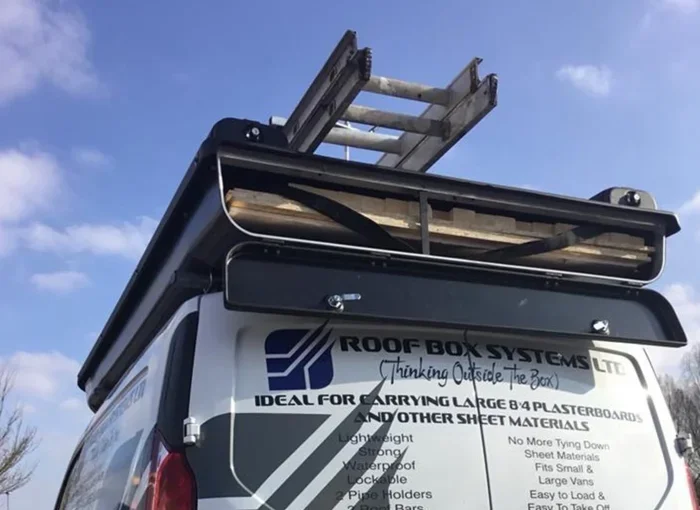
Medium Vans with a Roof Rack
Some medium-sized vans can handle an 8×4 sheet if you use a roof rack. This works best for shorter trips and when the van is not fully loaded inside. The sheet sits on top of the roof rack and is secured with ratchet straps. Keep in mind that this raises the vehicle’s centre of gravity, which affects handling and stability.
Roof rack transport is common for tradespeople who already have their van full of tools and equipment. It is a practical workaround, but it does come with legal restrictions on overhang and height limits on UK roads.
Van Dimensions You Need to Know
When shopping for a van to carry an 8×4 sheet, the external size of the vehicle is not the only thing that matters. You need to focus on the internal cargo dimensions. Here are the key measurements to check.
Internal Load Length
This is the distance from the back of the cab bulkhead to the inside of the rear doors or tailgate. For an 8×4 sheet (2.44m), you want a load length of at least 2.6 metres to allow for a small overhang. A load length of 3.0 metres or more gives you plenty of room and makes loading much easier.
Internal Width
An 8×4 sheet is 1.22 metres wide. Most large panel vans have an internal width of around 1.7 to 2.0 metres between the wheel arches. This gives you enough room to lay the sheet flat without it hanging over the sides too much. Luton vans offer even more width, often over 2.2 metres.
Internal Height
Height matters if you plan to stand the sheet upright inside the van. An 8×4 sheet of plasterboard is 2.44 metres long, so you need an internal height of at least 2.5 metres to stand it up. High-roof models of the Ford Transit, Mercedes Sprinter, and VW Crafter typically offer internal heights of 2.3 to 2.6 metres.
Payload Capacity
A full 8×4 sheet of plasterboard weighs around 100kg. Add the weight of any other materials you are carrying, and you need a van with a healthy payload. Most large panel vans offer payloads between 1000kg and 1400kg, which is more than enough for sheet material and other tools.
| Van Type | Typical Load Length | Internal Width | Internal Height | Fits 8×4 Sheet? |
|---|---|---|---|---|
| Luton Van | 3.5m+ | 2.2m+ | 2.5m+ | Yes, easily |
| Large Panel Van | 3.0-3.5m | 1.7-2.0m | 2.3-2.6m | Yes |
| Medium Panel Van | 2.5-3.0m | 1.5-1.8m | 1.8-2.2m | Tight fit |
| Flatbed | Varies | Open bed | N/A | Yes |
Tips for Transporting Large Sheet Material
Loading and transporting an 8×4 sheet safely requires some planning. Here are practical tips that make the job easier and safer.
Use Side Loading When Possible
Many large panel vans come with sliding rear doors. This makes side loading much easier than trying to manoeuvre a full sheet through the rear doors. You can slide the sheet in lengthwise along the floor of the van. This reduces the risk of damaging the sheet material and makes the process smoother.
Invest in a Tail Lift
A tail lift is a game-changer if you regularly carry heavy sheet material. It raises the load from the ground to the level of the van floor, saving you from heavy lifting. Many Luton vans and large panel vans come with a tail lift as standard or as an optional extra.
Secure the Load Properly
An 8×4 sheet that moves around inside the van is dangerous. Use ratchet straps or webbing straps to secure the sheet against the van walls. If the sheet overhangs the rear, make sure it is clearly marked with an oversize load indicator. UK law requires overhangs of more than 1 metre to display a red flag during the day or a red light at night.
Protect the Sheet Material
Plasterboard and drywall sheet material are fragile and can get damaged in transit. Use moving blankets or cardboard sheets to pad the load. If you are using a flatbed or roof rack, a waterproof tarp keeps the material dry in wet weather. Even small amounts of moisture can ruin plasterboard before you get to your destination.
Check Overhang Rules
If part of your 8×4 sheet overhangs the rear of the van, you need to be aware of the legal rules. In the UK, a load can overhang the rear by up to 3 metres without needing an escort vehicle, as long as it is clearly marked. Overhangs beyond 3 metres require a police escort. Always check the latest regulations before you set off.
Common Mistakes When Loading 8×4 Sheets
Avoid these common mistakes that cause damage to sheet material or create safety hazards on the road.
Underestimating the Weight
Many people assume a single sheet of plasterboard is light, but a full 8×4 sheet weighs around 100kg. If you load several sheets at once, the total weight adds up fast. Exceeding your van’s payload capacity can lead to fines, insurance issues, and unsafe driving conditions.
Ignoring Internal Height
Some vans look big enough from the outside but have a low internal height that prevents you from standing an 8×4 sheet upright. Always measure the internal height before you buy or hire a van. A high-roof model makes a big difference.
Not Using the Right Loading Technique
Trying to lift an 8×4 sheet alone into a van is risky. Sheet material is awkward to handle, and a wrong move can cause injury or damage the material. Always use at least two people to load large sheets. A tail lift or loading ramp removes the need for heavy lifting altogether.
Forgetting to Check the Kerb Weight
The kerb weight is the weight of the van when fully fuelled but empty. Subtract this from the vehicle’s gross vehicle weight (GVW) to find the actual payload. Many people forget this step and end up with less carrying capacity than they expected.
Expert Tips for Choosing the Right Van
Choosing the right commercial vehicle for carrying an 8×4 sheet comes down to a few key factors. Here is what the experts recommend.
Match the Van to Your Typical Load
If you regularly carry full sheets of plasterboard or timber, a Luton van or large panel van is the smart investment. If you only occasionally need to move a single sheet, a medium van with a roof rack might be enough. Think about how often you will use the van for this purpose and choose accordingly.
Consider a Van with Sliding Doors
Sliding doors make a huge difference when loading large sheet material. They give you wider access to the cargo area and make side loading much easier. Most modern large panel vans offer sliding doors as standard on at least one side.
Think About Fuel Economy
Larger vans like Luton models use more fuel than smaller panel vans. If you are doing short trips around town, a medium van with a roof rack might be more fuel-efficient. For longer journeys or regular trips, a large panel van or Luton van offers better value in terms of space per mile.
Hire Before You Buy
If you are not sure which van type you need, consider hiring one for a day. Many van rental companies offer Luton vans, large panel vans, and flatbeds. This lets you test different options and see which one works best for your sheet material transport needs before making a purchase.
Key Takeaways
- Luton vans are the top choice: Their extra-long wheelbase and high roof easily accommodate an 8×4 sheet of building material inside the body.
- Large panel vans work too: Ford Transit, Mercedes Sprinter, and VW Crafter offer enough internal length and width for side-loading an 8×4 sheet.
- Check internal dimensions, not just external size: Payload capacity, load length, and internal height all matter when fitting large sheet material.
- A roof rack or tail lift helps: These accessories make loading and securing an 8×4 sheet safer and easier.
- Side loading is often easier than rear loading: Sliding doors on many cargo vans allow you to slide a full 8×4 sheet in lengthwise.
- Consider your payload needs: A full 8×4 sheet of plasterboard weighs around 100kg, so factor this into your vehicle’s payload capacity.
- Multiple van body styles fit the bill: From medium vans to full-size commercial vehicles, several options exist for different budgets and needs.
Conclusion
Finding the right van to carry an 8×4 sheet of building material is easier than you might think. Whether you choose a Luton van, a large panel van, a flatbed, or a medium van with a roof rack, there are plenty of options that work. The key is to check the internal cargo dimensions, payload capacity, and loading options before you decide.
For regular tradespeople and builders, a Luton van or large panel van is the best long-term investment. For occasional use, a medium van or flatbed with a roof rack can get the job done. Always measure your 8×4 sheet and your van’s internal space to make sure everything fits safely.
Take the time to plan your load, secure the sheet material properly, and follow road safety rules for overhangs. With the right van and the right approach, transporting large building materials becomes simple and stress-free. Choose the van body style that matches your needs, and you will be ready to move any sheet material with confidence.
Frequently Asked Questions
Can a Ford Transit carry an 8×4 sheet of building material?
Yes, a Ford Transit in its high-roof, long-wheelbase configuration can carry an 8×4 sheet. The internal load length of around 3.0 metres is enough to fit the sheet laid flat. Side loading through the sliding door makes it even easier to get the sheet inside without damage.
What is the cheapest van option for carrying an 8×4 sheet?
A medium panel van like the Ford Transit Custom or VW Transporter is often the most budget-friendly option. These vans can fit an 8×4 sheet with a small overhang at the rear. If you already own one, adding a roof rack can make it work for occasional trips without buying a larger van.
Do I need a special licence to drive a van with an 8×4 sheet overhang?
For most standard vans, you only need a standard UK driving licence (Category B). However, if your total load length exceeds 3.5 metres and the overhang is more than 1 metre, you must display an oversize load marker. Loads overhanging more than 3 metres at the rear require a police escort. Always check current regulations before travelling.
Can I stand an 8×4 sheet upright inside a panel van?
This depends on the internal height of the van. High-roof models of the Ford Transit, Mercedes Sprinter, and VW Crafter offer internal heights of 2.3 to 2.6 metres, which is enough to stand a full 8×4 sheet upright. Measure your specific van model to confirm before loading.
How many 8×4 sheets of plasterboard can a Luton van carry?
A standard Luton van can typically carry 10 to 15 full 8×4 sheets of plasterboard, depending on the model and how you stack them. Each sheet weighs around 100kg, so the total weight adds up quickly. Always check your van’s payload capacity to avoid overloading.
Is it better to use a flatbed or a closed van for transporting 8×4 sheets?
A closed van offers better protection from weather and theft, making it ideal for plasterboard and drywall sheet material. A flatbed is easier to load and unload but leaves the material exposed. Choose a flatbed if you need quick access or are carrying the sheets over short distances in dry conditions.