Can I Drive 10 Miles on Empty and What Happens Next
Many drivers wonder, “Can I Drive 10 Miles on Empty?” The short answer is yes, most cars can cover a few extra miles after the fuel light comes on. However, pushing your fuel tank past its limit can cause serious engine stalling and fuel pump damage. Understanding your fuel range and distance remaining helps you stay safe and avoid costly repairs.
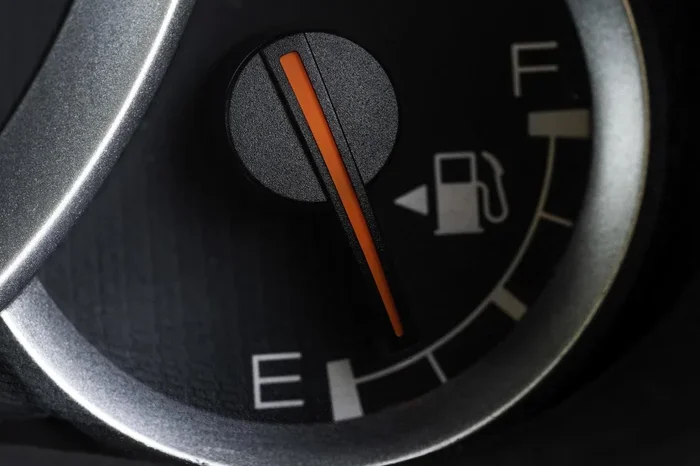
You are cruising down the highway, and suddenly the fuel gauge drops to E. Your heart sinks. You glance at the distance remaining display and see 10 miles to the next exit. Can I Drive 10 Miles on Empty? This is a question nearly every driver has asked at some point. The truth is, most modern cars can cover a few extra miles after the gas light comes on. But that does not mean you should make it a habit. Driving with an empty tank can hurt your vehicle in ways you might not expect.
In this guide, we will walk through exactly what happens when you drive 10 miles on empty. We will cover the risks, the damage it can cause, and what you should do if you find yourself in this situation. Whether you are dealing with a low fuel warning or just curious about your fuel range, this article has you covered. Let us break it down in simple terms so you can stay safe and keep your car running smoothly.
Key Takeaways
- Most cars can drive 10 miles on empty: Modern vehicles typically have a reserve range of 30 to 50 miles after the gas light turns on.
- Running on fumes risks fuel pump damage: Driving with a low fuel tank can overheat the fuel pump and cause premature failure.
- Your fuel gauge reading is not always accurate: The miles to empty display can vary based on driving habits and road conditions.
- You should not make a habit of it: Repeatedly driving on empty can lead to car breakdown and expensive repairs.
- Know what to do if stranded: Keep emergency supplies in your car and call roadside assistance if needed.
- Prevention is simple: Refuel early, monitor your fuel economy, and plan stops ahead of time.
📑 Table of Contents
What Happens When You Drive on Empty
When your fuel tank hits the bottom, your car does not just stop instantly. There is a buffer, a small reserve of fuel left behind. This reserve is what allows you to keep driving for a short distance. But what is really happening under the hood when you are driving on fumes? Let us take a closer look.
The Fuel Gauge and What It Really Means
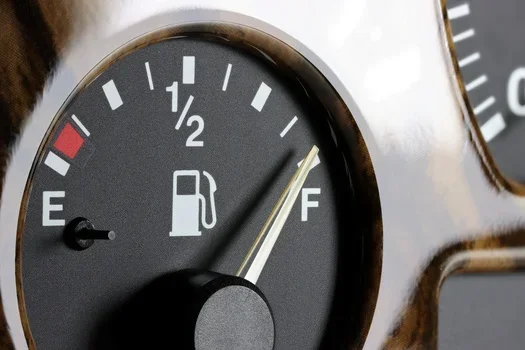
Your fuel gauge reading is not always a perfect indicator of how much gas you have left. The fuel level sensor inside the tank sends signals to the dashboard. Over time, these sensors can become less accurate. The miles to empty estimate is based on your recent fuel consumption. If you have been driving aggressively or on hilly roads, the number may not be fully reliable.
When the low fuel warning light turns on, it usually means you have about 2 to 4 gallons left. That might sound like a lot, but it can drain quickly depending on your fuel economy. The gas light is a warning, not a permission slip to keep driving without thinking.
How Far Can You Really Go?
Every car is different. Some vehicles can go 30 miles or more after the light comes on. Others might only give you 15 miles. The fuel range depends on several factors:
- Vehicle make and model: Larger trucks and SUVs often have bigger fuel tanks than compact cars.
- Driving speed: Highway driving at steady speeds uses less fuel than stop-and-go city traffic.
- Road conditions: Hilly terrain and rough roads burn through fuel faster.
- Driving habits: Hard acceleration and sudden braking waste fuel.
- Carrying weight: A heavy load in your trunk reduces your fuel economy.
So when you ask yourself, “Can I Drive 10 Miles on Empty?” the answer is almost always yes. But the real question should be, “Should I?” The safest approach is to refuel as soon as you safely can.
The Damage Running on Empty Can Cause
You might think driving a short distance on empty is harmless. But the truth is, it can cause real damage to your vehicle over time. Let us look at the specific problems that come with running your fuel tank too low.
Fuel Pump Overheating
Your fuel pump relies on fuel to stay cool. When the tank is nearly empty, the pump has to work harder to pull the last bits of gas through the system. This extra strain can cause the pump to overheat. A damaged fuel pump is an expensive repair, often costing several hundred dollars. In some cases, the entire pump needs to be replaced.
Here is a quick comparison of what happens to your fuel pump at different fuel gauge reading levels:
- Above half tank: The pump stays cool and operates smoothly.
- Quarter tank: The pump works harder but still has enough fuel to stay lubricated.
- Low fuel warning: The pump is under stress and starts to heat up.
- Empty tank: The pump is working at maximum strain with very little fuel for cooling.
Engine Stalling and Power Loss
When your car running on empty draws from the bottom of the tank, it pulls in sediment and debris that settles there. This gunk can clog the fuel filter and block fuel lines. The result? Your engine might stall unexpectedly or lose power while driving. This is especially dangerous on busy roads or highways.
Imagine you are on a highway and the engine suddenly dies because you tried to drive 10 miles on empty. You lose power steering and power brakes. That is a scary and potentially dangerous situation. It is simply not worth the risk.
Catalytic Converter Damage
Running on empty can also hurt your catalytic converter. When the engine does not get enough fuel, it runs rich or lean. This creates harmful emissions that the converter has to process. Over time, this can clog or damage the converter, leading to expensive repairs and failed emissions tests.
Tips to Avoid Running Out of Fuel
The best way to deal with an empty tank is to avoid it altogether. Here are some simple and practical tips to keep your fuel tank full and your car running well.
Monitor Your Fuel Gauge Regularly
Do not ignore the low fuel warning or the miles to empty display. Make it a habit to check your fuel gauge reading every time you get behind the wheel. If you see the needle dropping below a quarter tank, start planning your next stop.
Refuel Early
Get into the habit of refueling when your tank is at a quarter full. This gives you a comfortable buffer and keeps your fuel pump cool and well-lubricated. You will also avoid the stress of hunting for a gas station when the light comes on.
Plan Your Trips
Before a long drive, check your fuel range and plan stops accordingly. Use your car’s built-in distance remaining feature or a GPS app to find fuel stations along your route. This is especially important when traveling through rural areas where stations might be far apart.
Keep Your Fuel Tank Clean
Sediment builds up at the bottom of your fuel tank over time. When you run the tank very low, this sediment gets pulled into the fuel system. To avoid this, try to keep your tank at least a quarter full at all times. You can also have your fuel system cleaned during regular maintenance.
Know Your Vehicle’s Fuel Reserve
Every car is different. Some give you 30 miles after the light comes on. Others give you closer to 50. Check your owner’s manual to learn about your specific fuel reserve. Knowing your car’s fuel economy and reserve range helps you make better decisions on the road.
Quick Tip: Keep a small fuel container in your trunk for emergencies. It can save you from a car breakdown in a remote area. Just make sure it is properly sealed and stored safely.
What to Do If You Are Stranded
Even with the best planning, sometimes things go wrong. Maybe you missed a gas station or got stuck in traffic. If you find yourself with an empty tank and the car is sputtering, here is what you should do.
Pull Over Safely
Turn on your hazard lights and pull over to the right shoulder or a safe parking area. Do not try to push the car on a busy road. Turn off the engine and take a moment to assess the situation.
Call for Roadside Assistance
If you have a roadside assistance plan, now is the time to use it. Companies like AAA or your insurance provider can send a tow truck or deliver a small amount of fuel to get you to the nearest station. This is much safer and cheaper than trying to walk to a gas station or flag down a stranger.
Stay Safe While Waiting
If you are waiting for help, stay in your car with the doors locked. Keep your phone charged and visible. If it is dark or you feel unsafe, call emergency services. Your safety always comes first, even over a car breakdown.
Prevent It from Happening Again
Once you are back on the road, take a moment to reflect. What went wrong? Did you ignore the low fuel warning for too long? Did you underestimate your fuel range? Use this as a learning experience to avoid the same situation in the future.
Common Mistakes Drivers Make When the Fuel Light Comes On
Many drivers make avoidable mistakes when they see the gas light turn on. Let us look at some of the most common ones and how to fix them.
- Ignoring the warning light: Some drivers think the light is just a suggestion. It is not. It is a clear signal that your fuel tank is nearly empty.
- Relying too much on the miles to empty display: This number is an estimate, not a guarantee. Your actual distance remaining can vary.
- Driving aggressively to save time: Speeding and hard braking burn fuel faster. Smooth driving helps you stretch your remaining fuel.
- Skipping regular maintenance: A poorly maintained engine uses more fuel. Keep up with oil changes and engine tune-ups.
- Waiting for the cheapest gas: Driving extra miles to save a few cents per gallon can cost you more in fuel. It is not always worth it.
Avoiding these simple mistakes can help you stay ahead of the fuel gauge and keep your car in great shape. You will also save money on repairs and avoid the stress of being stranded.
Expert Insights on Fuel Management
Automotive experts agree: Keeping your fuel tank at least a quarter full is one of the simplest ways to protect your car. According to mechanics, the fuel pump is one of the most common parts to fail when drivers repeatedly run on empty. A well-maintained pump can last over 100,000 miles. A neglected one might fail at 50,000 miles.
Experts also recommend paying attention to your fuel economy trends. If you notice your car is using more fuel than usual, it could be a sign of a bigger problem. Early detection can save you from costly repairs down the road. A quick trip to the mechanic can often catch small issues before they become big ones.
Another expert tip is to fill up in the early morning. Fuel is denser when it is cool, so you get slightly more gas for your money. It is a small detail, but it adds up over time. These small habits make a big difference in your overall fuel management strategy.
How to Improve Your Fuel Economy
Want to get more miles out of every gallon? Here are some easy ways to boost your fuel economy:
- Keep your tires properly inflated: Underinflated tires create more rolling resistance and waste fuel.
- Remove excess weight: Clean out your trunk and remove anything you do not need.
- Use cruise control on highways: Steady speeds improve fuel economy significantly.
- Avoid excessive idling: Turn off the engine if you are parked for more than a minute.
- Keep up with maintenance: Clean air filters and fresh spark plugs help the engine run efficiently.
These small changes can add up to big savings at the pump. They also help you make the most of every drop of fuel in your fuel tank, reducing the chances of ever being caught with an empty tank.
Final Thoughts
So, can you drive 10 miles on empty? Yes, most of the time you can. But just because you can does not mean you should. Every time you let your fuel tank run too low, you put extra strain on your fuel pump, risk engine stalling, and increase your chances of a car breakdown. The distance remaining on your dashboard is a helpful guide, but it is not a guarantee.
The best approach is simple. Respect your fuel gauge reading, refuel early, and never ignore the low fuel warning. These small habits protect your car, save you money, and keep you safe on the road. Next time the gas light comes on, do not wait. Find a station and fill up. Your car will thank you for it.
Remember, being proactive about your fuel level is one of the easiest ways to be a responsible driver. You do not need to be a mechanic to take care of your car. A little awareness and a few smart habits go a long way. Stay safe, stay fueled, and enjoy the drive.
Frequently Asked Questions
Can I Drive 10 Miles on Empty Without Damaging My Car?
In most cases, driving 10 miles on empty will not cause immediate damage. However, repeatedly doing so can strain your fuel pump and pull sediment into the engine. It is always better to refuel as soon as the low fuel warning appears to protect your vehicle.
How Many Miles Can I Go After the Fuel Light Comes On?
The distance remaining varies by vehicle. Most cars can go between 30 and 50 miles after the gas light turns on. Check your owner’s manual to learn the specific fuel reserve for your make and model.
Why Does My Fuel Gauge Show Different Readings?
The fuel gauge reading can fluctuate due to the fuel level sensor position, driving conditions, and fuel sloshing in the tank. The miles to empty estimate is also based on your recent fuel consumption patterns, which can change.
What Should I Do If My Car Stalls on the Road?
Turn on your hazard lights and pull over to a safe location. Call roadside assistance or emergency services if needed. Do not attempt to push the car on a busy road. Stay in your vehicle and wait for help.
Does Driving on Empty Affect Fuel Economy?
Yes, driving with a low fuel tank can reduce your fuel economy. The fuel pump works harder when there is less fuel, and the engine may not receive consistent fuel pressure. Keeping your tank at least a quarter full helps maintain optimal fuel economy.
Is It Bad to Fill Up at a Gas Station with Low Fuel?
No, filling up at any station is fine. However, try to avoid letting the tank get completely empty. Keeping a consistent fuel level protects the fuel pump and prevents sediment from clogging the fuel system. Refueling early is always the smarter choice.