Where Can I Get My Car Inspected Near Me Right Now
Looking for a car inspection near you? This guide covers everything you need to know about finding the best vehicle inspection stations nearby, understanding car inspection costs, and preparing for your state inspection. We break down the car inspection process, share tips on how to pass, and highlight the top places to get your car inspected quickly and affordably.
Nobody wants to be stuck wondering where to get their car inspected. Whether you just moved to a new state or your inspection sticker is about to expire, the question where can I get my car inspected pops up fast. The good news is that you have more options than you might think.
From local auto shops to big chain stores, finding a vehicle inspection station is easier than ever. But not all inspection places are the same. Some are faster, some are cheaper, and some offer extra services you might not need. This guide walks you through every option so you can pick the best one for your situation.
We will cover the different types of inspections, what they cost, how to prepare, and exactly where to go. By the end, you will know exactly how to get your car inspected without any stress or guesswork.
Key Takeaways
- Multiple Options Available: You can get your car inspected at dealerships, independent shops, chain auto stores, and dedicated inspection stations.
- Cost Varies by Location: car inspection cost typically ranges from $20 to $80 depending on your state and the type of inspection.
- Preparation Is Key: Simple steps like checking lights, tires, and fluid levels can help you pass your car inspection on the first try.
- Emissions Testing Matters: Many states require a separate emissions test that checks your vehicle’s exhaust output.
- Find Open Stations Easily: Online tools and apps make it simple to locate inspection stations near me that are open right now.
- Know Your State Rules: car inspection requirements differ by state, so always check your local laws before scheduling.
📑 Table of Contents
- Why Car Inspections Matter
- Types of Car Inspections You Should Know
- Where Can I Get My Car Inspected? Top Options
- How Much Does a Car Inspection Cost?
- How to Prepare for Your Car Inspection
- Common Mistakes to Avoid During Car Inspection
- How to Find the Best Car Inspection Near You
- How to Pass Your Car Inspection on the First Try
- How Long Does a Car Inspection Take?
- What Happens If Your Car Fails Inspection?
Why Car Inspections Matter
Car inspections are not just a government rule. They serve a real purpose. A vehicle safety inspection checks that your car is safe to drive on public roads. It looks at things like brakes, lights, steering, and tires. Without these checks, unsafe vehicles could stay on the road and put everyone at risk.
Most states also require an emissions test. This test measures the pollution your car releases. It helps keep the air cleaner and ensures your vehicle meets environmental standards. If your car fails the emissions test, it means your exhaust system may need attention.
Beyond safety and environment, a clean inspection record can also help you when selling your car. Buyers feel more confident purchasing a vehicle with a current inspection sticker. It shows the car has been maintained properly.
Who Needs a Car Inspection?
Not every driver needs an inspection. The rules depend on where you live. Some states require annual inspections for all vehicles. Others only require them in certain counties or for older cars. A few states have no inspection requirements at all.
Here is a quick look at common situations that require an inspection:
- New residents: If you moved to a new state, you may need to get inspected before registering your car.
- Expired stickers: Most inspections are valid for one or two years. You must renew before the sticker expires.
- Used car purchases: Many states require a inspection before transferring a vehicle title.
- Post-repair inspections: If you made major repairs, some states require a re-inspection to verify the work.
Always check your local car inspection requirements by state before you visit a station. This saves you time and prevents surprises.
Types of Car Inspections You Should Know
Not all inspections are the same. Depending on where you live, you may need one or more types of checks. Understanding these differences helps you know what to expect when you walk into an inspection station near me.
Safety Inspection
A safety inspection is the most common type. It checks the basic systems that keep your car safe to operate. Inspectors will look at your brakes, headlights, taillights, turn signals, mirrors, windshield wipers, and tires. They also check the steering system and suspension components.
This inspection usually takes about 15 to 30 minutes. If everything passes, you receive a sticker or certificate. If something fails, you will need to fix it and return for a re-check.
Emissions Inspection
An emissions test measures the gases your car releases through the exhaust. Vehicles with gasoline engines typically need this test. Diesel vehicles may have a separate test in some states.
The inspector hooks your car up to a diagnostic machine that reads the exhaust output. If your car produces too many pollutants, it fails. Common reasons for failing include a faulty catalytic converter, bad oxygen sensors, or a loose gas cap.
Comprehensive or Multi-Point Inspection
Some shops offer a comprehensive inspection that goes beyond the minimum state requirements. This type of inspection checks additional systems like the transmission, cooling system, electrical components, and fluid levels. It is not always required by law, but it gives you a full picture of your car’s health.
Many drivers choose this option when buying a used car or before a long road trip. It costs a bit more but provides valuable peace of mind.
Where Can I Get My Car Inspected? Top Options
Now for the main question: where can I get my car inspected? You have several great options. Let us explore each one so you can choose what works best for you.
Dedicated Vehicle Inspection Stations
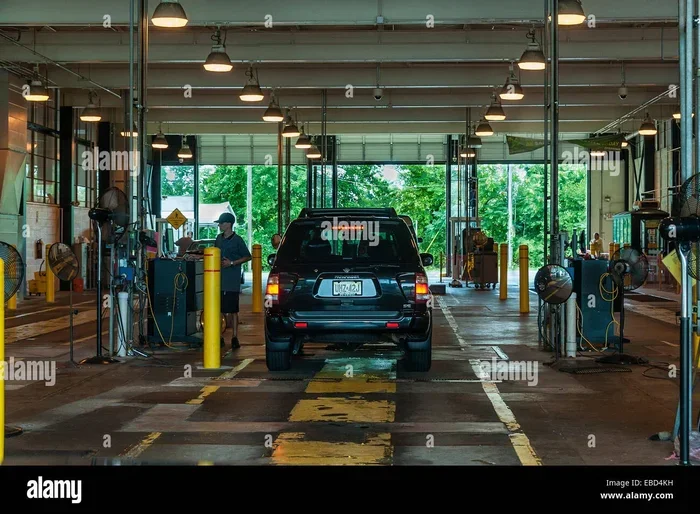
These are stations built specifically for state-mandated inspections. They are certified by your state’s Department of Motor Vehicles or equivalent agency. Dedicated stations focus only on inspections, which means they are fast and efficient.
You can find them at gas stations, standalone buildings, or strip malls. They usually display their certification clearly. Many are open on weekends and evenings, which is helpful if you work during the day.
Dealerships
Your car dealership can also perform inspections. This is a convenient option if you already have a service appointment scheduled. Dealerships have factory-trained technicians who know your specific vehicle model well.
The downside is cost. Inspections at dealerships tend to be more expensive than at independent shops. You may also need to book days in advance. But if you want expert service and your car is still under warranty, a dealership is a solid choice.
Independent Auto Repair Shops
Local auto shops are a popular choice for car inspection services. They often charge less than dealerships and offer a personal touch. Many independent shops will perform the inspection and make any needed repairs on the spot.
Look for shops with certified technicians and good online reviews. A trusted local mechanic can become a long-term partner in maintaining your vehicle.
Chain Auto Parts Stores
Stores like AutoZone, O’Reilly, and Advance Auto Parts offer free or low-cost inspections at many locations. They can check your battery, alternator, starter, and other key components. Some locations also perform state inspections.
This is a great option for a quick check-up. However, not all chain locations offer full state inspections, so call ahead to confirm.
Mobile Inspection Services
Some companies now offer mobile car inspection services. A technician comes to your home or office and performs the inspection on-site. This is incredibly convenient if you have a busy schedule or cannot easily drive to a station.
Mobile services typically cost a bit more due to the added convenience. But for many people, the time savings are worth it.
How Much Does a Car Inspection Cost?
The car inspection cost varies depending on where you live and what type of inspection you need. Understanding the price range helps you budget and avoid surprises.
Average Costs by Inspection Type
Here is a general breakdown of what you can expect to pay:
- Basic safety inspection: $15 to $40. This covers the essential safety checks required by most states.
- Emissions test: $10 to $30. Some states bundle this with the safety inspection for a lower combined price.
- Comprehensive inspection: $50 to $100. This covers additional systems beyond the state minimum requirements.
- Mobile inspection service: $40 to $90. The convenience factor adds to the cost.
Factors That Affect the Price
Several things can change how much you pay. Your location is the biggest factor. Inspections in major cities sometimes cost more than in rural areas. The type of vehicle also matters. Some stations charge more for diesel engines or larger vehicles like SUVs and trucks.
Also, if your car fails and needs repairs before it can pass, those costs are separate from the inspection fee. Always ask for a price estimate before you start so there are no surprises.
How to Prepare for Your Car Inspection
Getting your car inspected does not have to be stressful. A little preparation goes a long way. Follow these steps to make sure your vehicle is ready and you pass on the first try.
Check Your Lights and Signals
One of the most common reasons cars fail inspections is burned-out lights. Walk around your vehicle and check every light. This includes headlights, brake lights, turn signals, reverse lights, and license plate lights. Replacing a bulb is cheap and easy. You can even do it yourself in most cases.
Inspect Your Tires
Inspectors check your tire tread depth and overall condition. Tires with low tread or visible damage can cause a fail. Use the penny test to check your tread. Insert a penny into the tread groove with Lincoln’s head facing down. If you can see the top of his head, your tread is too low and you need new tires.
Check Fluid Levels
Make sure your engine oil, coolant, brake fluid, and windshield washer fluid are all at proper levels. Low fluids can signal neglect and may raise concerns during the inspection. Top off anything that is low before your appointment.
Fix Known Issues First
If you already know something is wrong with your car, fix it before the inspection. Driving in with a check engine light on or a rattling sound will likely result in a fail. Addressing known problems ahead of time saves you a second trip and extra costs.
Bring the Right Documents
Different states require different paperwork. Most commonly, you will need your vehicle registration, proof of insurance, and sometimes your driver’s license. Check with the inspection station ahead of time to confirm what you need to bring.
Common Mistakes to Avoid During Car Inspection
Even with preparation, mistakes happen. Here are some common errors drivers make that can delay or prevent a successful inspection.
Skipping the Pre-Inspection Check
Many drivers walk into an inspection without checking their car first. This is a mistake. A quick self-check takes only 10 minutes and can catch obvious issues. Spend that small amount of time and you will avoid the frustration of a failed inspection.
Ignoring the Check Engine Light
A glowing check engine light is an automatic fail in most states. Do not ignore it. Get the code read and fix the underlying issue before your inspection appointment. Sometimes the fix is as simple as tightening your gas cap.
Waiting Until the Last Minute
Procrastination leads to long wait times and rushed appointments. Schedule your inspection early, especially if your sticker is close to expiring. This gives you time to address any issues if your car does not pass on the first try.
Choosing the Wrong Station
Not all inspection stations offer the same quality of service. Some are rushed and may miss issues. Others are overly strict. Read reviews, ask friends for recommendations, and choose a station with a good reputation. A certified inspection station that has been in business for years is usually a safe bet.
How to Find the Best Car Inspection Near You
Finding a great inspection station is easier than you might think. A few simple strategies can help you locate the best option quickly.
Start with a quick online search for car inspection near me. Google Maps will show you stations in your area with ratings and reviews. Look for places with at least four stars and a healthy number of reviews. Pay attention to comments about wait times, pricing, and customer service.
You can also use dedicated apps and websites that specialize in locating inspection stations. Many state DMV websites have a searchable directory of certified stations. This is especially helpful if you are in a new area and do not know the local options.
Word of mouth is still one of the best tools. Ask coworkers, friends, or family members where they go for their inspections. Personal recommendations carry a lot of weight and can save you from a bad experience.
When you narrow down your options, call ahead and ask a few key questions:
- Do you offer the specific type of inspection I need?
- What is the average wait time?
- Can I make an appointment?
- What forms of payment do you accept?
- Do you offer any warranties or guarantees on the inspection?
These questions help you feel confident in your choice and ensure a smooth experience from start to finish.
How to Pass Your Car Inspection on the First Try
Passing your vehicle inspection is not rocket science, but it does require some basic preparation. Follow these tips to boost your chances of passing without any issues.
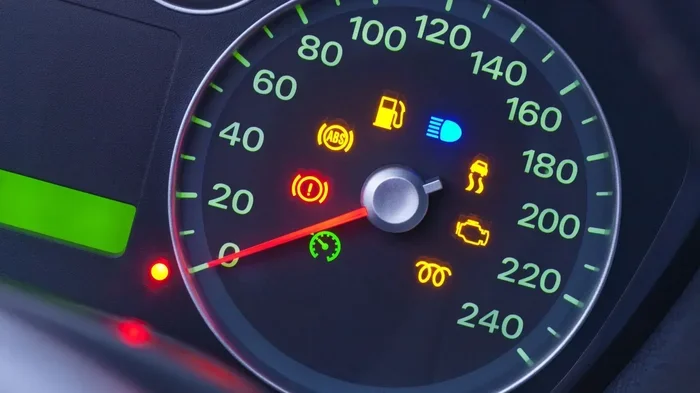
First, address any dashboard warning lights before your appointment. Modern cars have dozens of sensors that trigger warning lights when something is off. Even a minor issue can cause a fail, so get any lights checked ahead of time.
Second, make sure your car is clean. This does not mean a full detail job. But a clean engine bay and accessible components make it easier for the inspector to do their job. They will appreciate the effort, and it shows you take care of your vehicle.
Third, drive your car gently on the day of the inspection. Avoid aggressive acceleration or hard braking. A warmed-up engine runs more cleanly and produces better results on the emissions test. A short 10-minute drive before the inspection is all you need.
Fourth, check that your registration and insurance documents are current and in the car. Walking in unprepared with missing paperwork is one of the easiest ways to delay the process.
Finally, if your car does fail, do not panic. Most stations will explain exactly what went wrong and what you need to fix. Many offer free or discounted re-inspections after you make the repairs. Use this as an opportunity to get your car back in top shape.
How Long Does a Car Inspection Take?
Time is valuable, and nobody wants to spend hours at an inspection station. The good news is that most inspections are quick. A standard safety inspection typically takes 15 to 30 minutes. If your car also needs an emissions test, add another 10 to 15 minutes.
Wait times can vary depending on the station and time of day. Early morning appointments on weekdays tend to be the fastest. If you can, schedule your inspection for the start of the business day to minimize waiting.
Some stations offer online booking, which allows you to skip the line entirely. This is a great option if your schedule is tight. A quick car inspection appointment online can save you 20 to 30 minutes of waiting time.
If you are in a rush and need to find a station that is open right now, search for inspection stations near me open now. Many stations list their current hours on Google Maps and their websites. This makes it easy to find one that fits your schedule.
What Happens If Your Car Fails Inspection?
Failing an inspection is not the end of the world. It happens more often than you might think, and it is usually fixable. The inspector will give you a detailed report explaining what failed and what needs to be corrected.
Common reasons for failing include worn brake pads, faulty oxygen sensors, exhaust leaks, and bad spark plugs. Most of these repairs are affordable and can be completed in a single visit to a repair shop.
Once the repairs are done, you return to the inspection station for a re-check. Many stations offer a free or discounted re-inspection within a certain window, usually 30 to 60 days. This policy varies by state and station, so always ask about it upfront.
Do not drive your car on public roads if it has failed inspection and the sticker has expired. Doing so can result in fines, points on your license, or even impoundment in some areas. Get it fixed promptly and legally.
Frequently Asked Questions
How much does a car inspection cost?
The car inspection cost typically ranges from $15 to $80 depending on your state and the type of inspection. Basic safety inspections are usually on the lower end, while comprehensive or mobile inspections cost more. Always ask for a price estimate before you begin.
How long does a car inspection take?
Most inspections take between 15 and 45 minutes total. A standard safety inspection is usually done in about 20 minutes. If your vehicle also needs an emissions test, add another 10 to 15 minutes. Wait times may vary based on the station and time of day.
Can I get my car inspected anywhere?
No, you must visit a station that is certified by your state. Not all auto shops are authorized to perform official state inspections. Check your state’s DMV website for a list of certified inspection stations near you.
What should I bring to my car inspection appointment?
Bring your vehicle registration, proof of insurance, and your driver’s license. Some states may also require a valid emissions certificate or previous inspection sticker. Call the station ahead of time to confirm their specific document requirements.
How often do I need to get my car inspected?
Inspection frequency depends on your state. Most states require annual or biennial inspections. A few states have no inspection requirements at all. Check your local car inspection requirements by state to know the exact rules that apply to you.
What happens if my car fails the inspection?
If your car fails, you will receive a report detailing what needs to be fixed. Once the repairs are completed, you can return for a re-inspection. Many stations offer a free or discounted re-check within 30 to 60 days of the initial failure.
=== CONCLUSION ===
Finding the right place to get your car inspected does not have to be a headache. With so many options available, from dedicated inspection stations to mobile services, you can find a solution that fits your schedule and budget. The key is to know your options, prepare your vehicle ahead of time, and choose a station that is certified and reputable.
Remember to check your car inspection requirements by state before you go. Understanding what is needed saves time and prevents unnecessary trips. Whether you need a quick safety check or a full comprehensive inspection, the right station is out there waiting for you.
Use the tips in this guide to make your next car inspection as smooth as possible. Prepare your vehicle, book your appointment, and drive away with confidence knowing your car is safe, compliant, and road-ready. Where can I get my car inspected? Now you have the answer.