What Is the AS-1 Line on a Windshield A Complete Guide
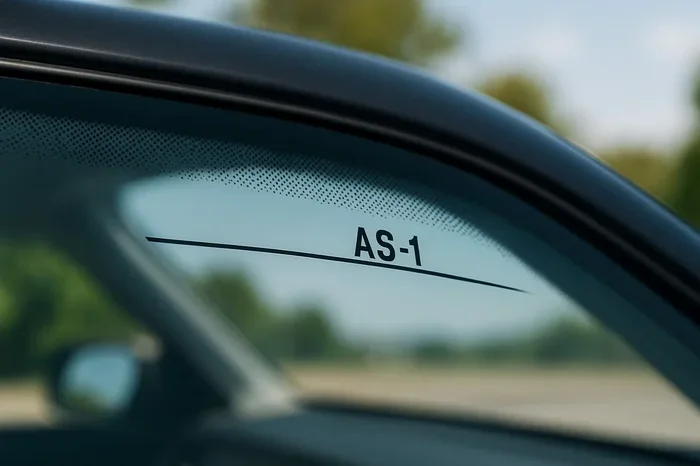
The AS-1 line on a windshield is the factory tint strip near the top of your car’s front glass. It helps reduce glare, blocks harmful UV rays, and keeps your windshield within legal tint limits. Understanding this line is essential if you want to stay compliant with state tint laws and protect your eyes while driving.
If you have ever looked closely at your car’s front windshield, you may have noticed a faint tinted strip running along the top edge. That strip is not just a design choice. It is called the AS-1 line on a windshield, and it plays an important role in your driving comfort and safety.
Whether you are thinking about adding aftermarket tint or just want to understand your vehicle better, knowing about the AS-1 line on a windshield is a great starting point. In this guide, we will break down everything you need to know. We will cover what it is, why it exists, how it is measured, and what it means for you as a driver.
Let us dive in and clear up any confusion about this often-overlooked feature on your car’s glass.
Key Takeaways
- The AS-1 line marks the top tint zone: It defines where factory tint ends on your windshield.
- It serves a real safety purpose: The strip reduces glare and blocks UV radiation while driving.
- Aftermarket tint below the line is regulated: State laws control how dark you can tint below the AS-1 line.
- Not all windshields have a visible line: Some newer cars use a subtle shading band instead.
- Violating tint laws can lead to fines: Knowing the rules helps you avoid costly tickets and failed inspections.
- Maintenance matters: Keeping your windshield clean preserves the factory tint strip and your visibility.
📑 Table of Contents
- What Is the AS-1 Line on a Windshield?
- Why Does the AS-1 Line Exist on Windshields?
- How the AS-1 Line Is Measured and Regulated
- AS-1 Line vs. Aftermarket Window Tint
- AS-1 Line and State Tint Laws You Should Know
- Common Myths About the AS-1 Line
- Tips for Maintaining Your Windshield’s Factory Tint Strip
- Frequently Asked Questions
- Final Thoughts
What Is the AS-1 Line on a Windshield?
The AS-1 line on a windshield is the factory-applied tint strip located at the top of the front windshield. It is part of the original equipment manufacturer (OEM) glass and comes standard on most vehicles. This strip is sometimes called the windshield tint strip or the visor strip because it sits right where a sun visor would cast shade.
The AS-1 line is not just cosmetic. It is engineered to provide real benefits. The tint reduces the amount of sunlight that enters through the top of your windshield. This helps cut down on glare from the sun, especially during early morning and late afternoon drives. It also blocks a significant portion of harmful ultraviolet (UV) radiation.
The AS-1 line on a windshield is typically about 4 to 6 inches tall, though the exact size varies by vehicle make and model. On some cars, the tint line is very subtle and almost invisible. On others, it is clearly noticeable. Newer vehicles may use a gradient shading band that fades gradually instead of a hard line.
How the AS-1 Line Differs from Aftermarket Tint
It is important to understand that the AS-1 line on a windshield is factory-made. It is part of the laminated glass during manufacturing. Aftermarket tint, on the other hand, is applied to the inside of the glass after the car is built. The two serve similar purposes but are very different in how they are made and applied.
The factory tint strip is bonded into the glass layers. It cannot peel off or bubble. Aftermarket tint is a film that adheres to the inner surface of the windshield. This distinction matters a lot when it comes to legal tint limits and quality.
Why Does the AS-1 Line Exist on Windshields?
The AS-1 line on a windshield is not there by accident. Automakers include it for several practical reasons. Let us look at why this feature exists and what it does for you behind the wheel.
Glare Reduction
Driving with direct sunlight in your eyes is dangerous. Glare can cause temporary blindness, eye strain, and fatigue. The AS-1 line on a windshield acts as a built-in visor. It shades the top portion of your view, where the sun hits most directly. This makes daytime driving more comfortable and safer.
Think about those early morning commutes or late afternoon drives home. The sun sits low on the horizon and pours through the top of your windshield. Without the factory tint strip, that glare would be much worse. The AS-1 line on a windshield takes the edge off and helps you maintain clear vision.
UV Protection
Ultraviolet rays from the sun can cause serious long-term damage to your skin and eyes. Even through glass, UV exposure adds up over time. The factory tint strip in the AS-1 line on a windshield blocks a high percentage of UV radiation. This protects both the driver and passengers, especially those sitting near the front window.
Some people do not realize that the AS-1 line on a windshield contributes to their overall UV protection. Combined with the rest of the vehicle’s glass, it forms a shield against harmful sun rays. This is especially helpful on long road trips or daily commutes in sunny climates.
Thermal Comfort
The sun beating down on your windshield creates heat inside your car. The AS-1 line on a windshield helps reduce the amount of solar energy that enters through the front glass. This means your cabin stays cooler, and your air conditioning does not have to work as hard. Over time, this can even improve fuel efficiency.
Less heat also means less stress on your dashboard and interior surfaces. Leather, plastic, and electronics all last longer when they are not exposed to extreme temperatures all day. The factory tint strip plays a small but meaningful role in preserving your car’s interior.
How the AS-1 Line Is Measured and Regulated
The AS-1 line on a windshield is governed by specific standards. These standards define how the tint is measured and what limits apply. Understanding these rules helps you make informed decisions about your vehicle’s glass.
Visible Light Transmission (VLT)
Visible Light Transmission, or VLT, measures how much light passes through a piece of glass. The AS-1 line on a windshield has a specific VLT percentage set by the automaker. Most factory windshield tints allow between 70% and 85% of visible light to pass through. This keeps the glass light enough for safe driving while still providing glare and UV reduction.
When you look at aftermarket tint films, they are also rated by VLT. A film with a 50% VLT, for example, blocks half the light that hits it. The AS-1 line on a windshield is much lighter than most aftermarket tint options. This is intentional and part of the safety design.
Federal and Industry Standards
The AS-1 line on a windshield must meet certain federal and industry standards. In the United States, the Department of Transportation (DOT) sets guidelines for automotive glazing. The American Society for Testing and Materials (ASTM) also provides standards for windshield tint and shading.
These standards ensure that the factory tint strip does not interfere with driver visibility. The AS-1 line on a windshield must maintain a certain level of optical clarity. It cannot distort colors, blur vision, or create uneven shading that could distract the driver.
Internationally, different countries have their own rules. In the European Union, for example, the AS-1 line on a windshield is referred to as the “sunroof tint line” or “visor strip.” The core purpose remains the same: reduce glare and UV exposure while keeping the driver’s view clear.
How to Identify the AS-1 Line on Your Vehicle
Finding the AS-1 line on a windshield is easy. Look at the top edge of your front windshield. You will see a strip of slightly darker shading. It usually runs about 4 to 6 inches down from the roof line. On some vehicles, the line is very sharp and defined. On others, it fades gradually into the clear glass below.
If you are unsure, you can check your vehicle owner’s manual. Many manufacturers include information about the factory tint strip and its dimensions. You can also ask a certified auto glass technician to inspect your windshield and confirm the AS-1 line on a windshield location.
AS-1 Line vs. Aftermarket Window Tint
The AS-1 line on a windshield and aftermarket window tint are often confused. They are related but serve different purposes and follow different rules. Let us compare them side by side.
Key Differences
The factory tint strip is built into the glass during manufacturing. It is durable, permanent, and designed to meet strict safety standards. Aftermarket tint is a film applied to the glass surface. It can be removed, replaced, or adjusted, but it must comply with local tint laws.
The AS-1 line on a windshield is always lighter than most aftermarket films. It is meant to provide subtle protection without reducing visibility. Aftermarket tint can range from very light to very dark, depending on the film you choose and your state’s legal limits.
Quality and Longevity
Because the AS-1 line on a windshield is part of the glass itself, it lasts the lifetime of the vehicle. It does not bubble, peel, or fade over time. Aftermarket tint, however, can degrade. Lower-quality films may bubble, discolor, or peel after just a few years.
High-quality aftermarket tint can last 10 years or more with proper care. But it still cannot match the durability of the factory tint strip. This is one reason why many car owners prefer to keep the AS-1 line on a windshield intact and choose aftermarket tint only for the side and rear windows.
Cost Comparison
The factory tint strip comes free with your vehicle. You pay nothing extra for it. Aftermarket tint, however, can cost anywhere from $100 to $500 or more, depending on the vehicle size, film quality, and installation method. The AS-1 line on a windshield is a cost-free feature that adds real value to your driving experience.
| Feature | AS-1 Line (Factory) | Aftermarket Tint |
|---|---|---|
| Application | Built into glass during manufacturing | Film applied to glass surface after purchase |
| Durability | Lasts the lifetime of the vehicle | 5 to 15 years depending on quality |
| VLT Range | Typically 70% to 85% | 5% to 90% depending on film choice |
| Cost | Included with the vehicle | $100 to $500+ for full vehicle |
| Removability | Not removable | Can be removed and replaced |
| Legal Status | Always compliant | Must meet state tint laws |
| UV Protection | Yes, built-in | Varies by film quality |
| Glare Reduction | Moderate to high | Varies by film darkness |
AS-1 Line and State Tint Laws You Should Know
Tint laws vary from state to state, and the AS-1 line on a windshield plays a key role in these regulations. Understanding the rules helps you avoid fines and keeps you on the right side of the law.
What the Laws Say About the AS-1 Line
In most states, the AS-1 line on a windshield is exempt from aftermarket tint restrictions. This is because the factory tint strip is part of the original glass and meets all safety standards. You do not need a special exemption for it. It is automatically legal.
However, the rules change when you start tinting below the AS-1 line on a windshield. Most states require that the front windshield tint (applied below the factory line) allow at least 70% VLT. Some states allow darker tint, while others are stricter. It is essential to check your specific state’s regulations before applying any aftermarket tint.
States with Strict Windshield Tint Laws
Some states have very strict rules about front windshield tint. California, for example, only allows the factory tint strip and nothing darker on the front windshield. New York has similar restrictions. Other states like Texas and Florida allow slightly darker tint below the AS-1 line on a windshield, as long as it meets the VLT minimum.
Here are some general guidelines to keep in mind:
- The AS-1 line on a windshield is always legal because it is factory-made.
- Aftermarket tint on the front windshield must usually stay above 70% VLT.
- Side and rear window tint laws vary widely by state.
- Medical exemptions may allow darker tint in some states.
- Stickers or certifications may be required to prove legal compliance.
What Happens If You Violate Tint Laws?
Driving with illegal tint can result in a traffic stop and a fine. Fines vary by state but can range from $50 to $500 or more. In some cases, you may be required to remove the tint before your vehicle can pass inspection. Repeated violations could lead to higher fines or even vehicle impoundment in extreme cases.
To avoid these issues, always know the AS-1 line on a windshield rules in your state. If you are unsure, consult a local tint shop or check your state’s department of motor vehicles website for the latest regulations.
Common Myths About the AS-1 Line
There are many misconceptions about the AS-1 line on a windshield. Let us clear up some of the most common myths so you have accurate information.
Myth 1: The AS-1 Line Is Just for Looks
Some people think the factory tint strip is purely cosmetic. This is not true. The AS-1 line on a windshield serves real functional purposes. It reduces glare, blocks UV rays, and improves thermal comfort. It is an engineering feature, not just a design element.
Myth 2: You Cannot Tint Below the AS-1 Line
This is another common misunderstanding. You can absolutely apply aftermarket tint below the AS-1 line on a windshield. The factory line simply defines the top boundary of the tinted zone. What matters is whether your aftermarket tint meets the VLT requirements set by your state’s laws.
Myth 3: All Windshields Have a Visible AS-1 Line
Not all vehicles have a clearly visible tint strip. Some newer cars use a subtle gradient shading band that is barely noticeable. The AS-1 line on a windshield may be faint or almost invisible on these models. However, the tint zone is still there and serves the same purpose.
Myth 4: The AS-1 Line Affects Your View at Night
The factory tint strip is light enough that it does not impair nighttime visibility. The AS-1 line on a windshield is designed to be subtle and non-distracting. If you notice significant nighttime vision problems, the issue is more likely related to other factors like dirt, scratches, or aftermarket tint that is too dark.
Tips for Maintaining Your Windshield’s Factory Tint Strip
The AS-1 line on a windshield is built to last, but proper care helps it stay in great condition. Follow these simple tips to keep your factory tint strip looking and performing its best.
Use Gentle Cleaning Products
Avoid harsh chemical cleaners on your windshield. Ammonia-based glass cleaners can degrade the tint strip over time. Instead, use a mild, ammonia-free glass cleaner and a soft microfiber cloth. This keeps the AS-1 line on a windshield clean without causing damage.
Avoid Abrasive Materials
Do not use rough sponges, steel wool, or abrasive pads when cleaning your windshield. These can scratch the tint strip and reduce its effectiveness. A soft cloth or chamois is all you need to maintain the AS-1 line on a windshield and keep your glass crystal clear.
Be Careful with Snow and Ice Scrapers
Winter weather can be tough on your windshield. When scraping ice, be gentle near the top edge where the factory tint strip is located. Using a plastic ice scraper instead of a metal one helps protect the AS-1 line on a windshield from scratches and chips.
Park in the Shade When Possible
Prolonged exposure to direct sunlight can slowly affect the tint strip over many years. Parking in a garage or shaded area helps preserve the AS-1 line on a windshield and keeps your interior cooler. It is a simple habit that pays off in the long run.
Frequently Asked Questions
Can I apply aftermarket tint above the AS-1 line on my windshield?
No. Aftermarket tint should never be applied above the AS-1 line on a windshield. The factory tint strip already occupies that zone, and adding film on top of it can create bubbling, peeling, and legal issues. Always apply aftermarket tint below the factory line and within your state’s VLT requirements.
Does the AS-1 line on a windshield block all UV rays?
The AS-1 line on a windshield blocks a significant portion of UV radiation, but it does not block all of it. For full UV protection, consider combining the factory tint strip with UV-protective aftermarket films on your side and rear windows. This gives you comprehensive sun protection inside your vehicle.
Is the AS-1 line the same on every vehicle?
No. The AS-1 line on a windshield varies by vehicle make, model, and year. Some cars have a wider tint strip, while others have a narrow one. The darkness and style also differ between manufacturers. Check your vehicle’s specifications or consult a glass professional for details about your specific car.
Can I replace my windshield and keep the AS-1 line?
If you need a windshield replacement, a reputable shop will match the factory tint strip on your new glass. However, it is important to choose a technician experienced with OEM-spec glass. Ask them specifically about replicating the AS-1 line on a windshield during the replacement process to ensure your new windshield matches the original.
Will adding aftermarket tint below the AS-1 line affect my insurance?
In most cases, legal aftermarket tint will not affect your insurance rates. However, if your tint is too dark and violates state laws, it could cause issues during a claim or inspection. Always ensure your tint complies with local regulations to avoid any complications with your insurance provider.
How long does the AS-1 line on a windshield last?
The AS-1 line on a windshield is designed to last the entire life of the vehicle. Because it is bonded into the glass layers during manufacturing, it does not fade, peel, or degrade under normal conditions. With proper care and gentle cleaning, the factory tint strip will look great for as long as you own the car.
Final Thoughts
The AS-1 line on a windshield is one of those vehicle features that most drivers take for granted. It is there every day, working quietly to reduce glare, block UV rays, and keep you comfortable behind the wheel. Understanding what it is and why it matters helps you appreciate this clever piece of automotive engineering.
Whether you are a new car owner or have been driving for years, knowing about the AS-1 line on a windshield empowers you to make smarter decisions about tint, maintenance, and legal compliance. It is a small detail that makes a big difference in your daily driving experience.
Take a moment to look at your windshield today. Find that faint tint strip at the top. Now you know exactly what it is and why it is there. If you ever consider adding aftermarket tint, remember the rules we covered. Stay informed, stay compliant, and enjoy the ride with the confidence that comes from understanding your vehicle inside and out.