Can You Get Electrocuted in a Car If It Falls in Water
Many people wonder: can you get electrocuted in a car if it falls in water? The short answer is that standard cars carry very low voltage, making electrocution extremely rare. However, hybrid and electric vehicles store much higher voltages that demand extra caution. Understanding the real risks can save your life during a flood or accident. This guide breaks down everything you need to know about car electrocution, safety steps, and emergency response.
Imagine driving on a rainy night. The road is flooded. Your car stalls. Water rises around you. A scary thought pops into your head: can you get electrocuted in a car if it falls in water? It is a fear many drivers share, especially during flood season. But the truth might surprise you.
The risk of electrocution in a regular car is very low. Most vehicles run on a 12-volt battery. That is not enough voltage to harm you. However, things change when we talk about electric vehicles and hybrids. These cars use much higher voltages. And when water gets involved, the situation becomes more serious. In this article, we will explore the real risks, the myths, and the safety steps you should know.
Key Takeaways
- Low risk in traditional cars: Most cars use a 12-volt battery, which is not enough to cause a serious electrocution.
- Higher risk with EVs and hybrids: Electric and hybrid vehicles operate at hundreds of volts, which can be dangerous in water.
- Water is a conductor: Standing water near a live electrical source increases the risk of electrical shock significantly.
- Stay calm and act fast: Knowing the right steps after a car falls in water can prevent injury or death.
- Call emergency services: Always report a flooded vehicle to professionals who can handle electrical hazards safely.
- Prevention is key: Avoid driving through deep water and maintain your vehicle’s electrical system regularly.
📑 Table of Contents
- What Happens When a Car Falls in Water?
- Can You Get Electrocuted in a Car If It Falls in Water?
- Real-Life Incidents and What We Can Learn
- Safety Steps to Follow If Your Car Falls in Water
- Common Myths About Car Electrocution
- How to Prevent Electrical Hazards in Your Car
- What First Responders Do With Flooded Vehicles
- Key Takeaways
- Conclusion
What Happens When a Car Falls in Water?
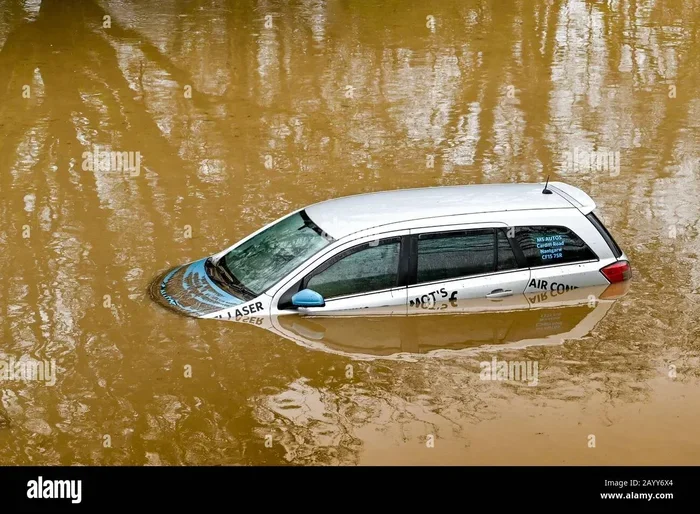
When a car ends up in water, several things happen at once. The engine may stall. The doors may become hard to open. Water rushes in fast. And the electrical system gets wet. But does that mean you will get shocked? Let us break it down.
The Role of Water in Electrical Accidents
Water is a great conductor of electricity. This means that electric current can flow through it easily. Pure water is actually a poor conductor. But the water we see on roads and in floods is full of minerals, dirt, and salts. These make tap water, rainwater, and floodwater much more dangerous around electrical sources.
So if a car’s electrical system is live and water touches it, there is a path for electricity to travel. But here is the key detail: most car batteries only produce 12 volts. That is about the same as a AA battery. A AA battery will not electrocute you. So in a traditional car, the risk is minimal.
Why Cars Do Not Usually Electrocute Occupants
Car manufacturers design vehicles with safety in mind. The 12-volt system is low voltage. The battery is sealed. The wiring is insulated. Even if water enters the cabin, the chances of a harmful electrical shock are very small. Your body also has high resistance when dry. But wet skin lowers that resistance. This is why water + electricity is always a concern, even at low voltages.
Still, there are a few scenarios where things can go wrong. Corroded wires, damaged insulation, or a short circuit can create unexpected hazards. A car battery can also explode if sparks ignite gas fumes. That is a fire risk, not really an electrocution risk, but it is still very dangerous.
Can You Get Electrocuted in a Car If It Falls in Water?
This is the big question. And the answer depends on the type of car you drive. A regular gasoline-powered car and an electric vehicle are very different when it comes to electrical safety.
Traditional Gasoline Cars
In a standard car, the electrical system runs on 12 volts DC. This is considered safe for humans. You might feel a slight tingle if you touch a bare wire in water. But a serious electrocution event is extremely unlikely. The real dangers in a flooded car are drowning, smoke inhalation, and physical injury from impact.
Here are the main electrical risks in a traditional car during a flood:
- Short circuits: Water can cause wires to touch each other, creating sparks.
- Battery explosion: Lead-acid batteries can release hydrogen gas. A spark can ignite it.
- Airbag deployment: Water can trigger sensors, causing airbags to deploy unexpectedly.
- Electrical burns: In rare cases, damaged wiring can cause localized burns.
These are real concerns. But they are not the same as getting electrocuted. The bottom line is that a traditional car falling in water is more likely to cause drowning than electrocution.
Hybrid and Electric Vehicles
Now let us talk about electric vehicles and hybrids. These cars use high-voltage battery packs. A typical EV battery operates at 400 to 800 volts. That is enough to cause a serious electrical shock or even death.
Manufacturers take this seriously. They use insulated wiring, color-coded cables (usually orange), and safety cutoffs. If a crash is detected, the system disconnects the battery automatically. But what happens when the car falls in water?
Here is what you should know about EVs and water:
- Water-resistant design: EV battery packs are sealed and tested for water exposure. They are built to handle rain and shallow flooding.
- High-voltage cables: These cables run under the car. If they are damaged in a crash or flood, they can become dangerous.
- Automatic shutoff: Most EVs cut power when a collision is detected. But if the system fails, the high voltage remains active.
- Rescue concerns: First responders need special training to handle EVs after a flood or crash.
So can you get electrocuted in a car if it falls in water and that car is an EV? The risk is higher than in a traditional car. But it is still not common, thanks to safety engineering. The danger is highest when the battery pack is damaged and water pools around exposed high-voltage components.
Real-Life Incidents and What We Can Learn
There have been cases where people were injured in flooded cars. Most incidents involved drowning or physical trauma. But a few cases have raised concerns about electrical shock. Let us look at what actually happened.
In some flood events, cars were fully submerged for several hours. When rescuers arrived, they found the vehicles intact but the electrical systems compromised. In rare cases, occupants reported tingling sensations or minor burns. These were linked to damaged wiring or short circuits. No widely reported deaths from electrocution inside a submerged car have been documented for traditional vehicles.
For electric vehicles, the story is different. There have been incidents where damaged EVs caught fire after flooding. This is called a thermal runaway event. It happens when the battery cells are compromised and overheat. While not electrocution, it is a serious electrical hazard. This is why experts advise against re-entering a flooded EV after it has been submerged.
Safety Steps to Follow If Your Car Falls in Water
Knowing what to do when your car ends up in water can save your life. Here is a step-by-step guide you should remember.
Step 1: Stay Calm
Panic is your worst enemy. Take a deep breath. Focus on your next action. Most cars do not sink immediately. You usually have 30 to 60 seconds before the water reaches the doors. Use that time wisely.
Step 2: Unbuckle Your Seatbelt
Unbuckle yourself and any passengers right away. If the electrical system fails, power windows may stop working. Do not wait for that to happen. Unlock the doors manually if needed.
Step 3: Open a Window or Door
Try to open a window as soon as possible. Electric windows may stop working once water reaches the motors. Use a window breaker tool if needed. Do not try to open the door until the water pressure equalizes. That happens when the car is about half full of water.
Step 4: Exit the Vehicle
Get out through the window or door. Help children and passengers first. Move to higher ground immediately. Do not attempt to retrieve belongings from the car.
Step 5: Call for Help
Once you are safe, call emergency services. Report the incident. If you suspect the car has a high-voltage battery (hybrid or EV), mention that. This helps first responders prepare and avoid electrical hazards.
Quick Tip: Keep a window breaker tool in your car at all times. It takes up no space and can be a lifesaver during a flood.
Common Myths About Car Electrocution
There are many myths floating around about getting shocked in a car. Let us clear up the most common ones.
Myth 1: Any Car Can Electrocute You in Water
This is not true. A standard car with a 12-volt battery is not dangerous in terms of electrocution. The voltage is too low. The real danger is drowning, not electric shock.
Myth 2: Rubber Tires Protect You From Electrocution
Car tires are not thick enough rubber to insulate you from electricity. This myth comes from the idea that rubber is an insulator. While rubber is used in electrical gloves, car tires are too thin and too grounded through the car frame to offer protection.
Myth 3: Hybrid Cars Are Too Dangerous to Drive in Rain
Hybrid cars are designed to handle rain, puddles, and even shallow flooding. The high-voltage system is well insulated and sealed. You can safely drive a hybrid in normal rainy conditions. The risk increases only when the battery or wiring is physically damaged.
Myth 4: You Will Always Feel a Shock If Electricity Is Present
Not always. Sometimes the current is too low to feel. Other times, the path of electricity does not go through your body. Just because you do not feel a shock does not mean there is no electrical hazard. Always treat a flooded vehicle with caution.
How to Prevent Electrical Hazards in Your Car
Prevention is always better than reaction. Here are some steps you can take to reduce the risk of electrical problems in your vehicle.
Regular Maintenance Checks
Have a mechanic inspect your car’s electrical system regularly. Look for frayed wires, corroded battery terminals, and damaged insulation. These issues can become worse in wet conditions.
Avoid Driving Through Deep Water
Never drive through water that is higher than the bottom of your doors. Even a few inches of moving water can cause you to lose control. And deep water can flood the engine and electrical components. Turn around if you see standing water on the road.
Keep Emergency Tools Handy
A window breaker, a flashlight, and a first aid kit should always be in your car. These tools help you respond quickly during emergencies, including electrical hazards.
Know Your Vehicle Type
If you drive a hybrid or electric vehicle, learn about its high-voltage system. Know where the orange cables are. Understand what the dashboard warnings mean. This knowledge can help you stay safe during a flood or accident.
Expert Insight: “Most people underestimate the danger of driving through flooded roads,” says automotive safety expert Mark Reeves. “Even a few inches of water can cause loss of control, and deeper water can damage the electrical system. Always err on the side of caution.”
What First Responders Do With Flooded Vehicles
When a car is submerged in water, first responders follow strict safety protocols. They know that electrical hazards can exist even after the car is out of the water. Here is what they typically do.
- Assess the vehicle type: They check if it is a traditional car, hybrid, or full EV.
- Disconnect the battery: For traditional cars, they disconnect the 12-volt battery first.
- Use insulated tools: For EVs, they use rubber gloves and insulated equipment to avoid shock.
- Check for high-voltage damage: They look for damaged orange cables or swollen battery packs.
- Monitor for fire risk: Damaged EV batteries can reignite hours or days later. Responders keep a close watch.
If you are ever involved in a flood incident, do not try to handle the vehicle yourself if you suspect electrical damage. Leave it to the professionals. They have the training and equipment to manage electrical hazards safely.
Key Takeaways
- Traditional cars are low risk: A 12-volt battery in a gasoline car is not enough to cause serious electrocution.
- EVs and hybrids carry higher voltage: These vehicles operate at 400 to 800 volts and need extra caution around water.
- Water increases electrical risk: Floodwater conducts electricity, making any live wire more dangerous.
- Drowning is the bigger threat: In most car-flooding incidents, drowning causes more deaths than electrocution.
- Know your escape steps: Unbuckle, open a window, exit quickly, and call for help.
- Do not re-enter a flooded EV: High-voltage battery damage can create serious electrical hazards after submersion.
- Prevention saves lives: Avoid flooded roads, maintain your vehicle, and keep emergency tools in your car.
Conclusion
So can you get electrocuted in a car if it falls in water? The answer is: it depends. For most traditional cars, the risk is very low. The 12-volt battery is not dangerous enough to cause a harmful shock. Your real concern should be drowning and physical injury. But for hybrid and electric vehicles, the risk is higher. These cars use hundreds of volts, and water damage to the battery system can create real electrical hazards.
What should you take away from this? Stay calm during a flood. Know the escape steps. Avoid driving through deep water. And if your car is submerged, do not re-enter it without professional help. Understanding the real risks helps you make smart decisions when seconds count.
Car safety is not just about crashes and brakes. It is also about understanding the electrical system in your vehicle. Whether you drive a gas car, a hybrid, or a full electric vehicle, knowing the risks of water and electricity can protect you and your loved ones. Stay informed, stay prepared, and stay safe.
Frequently Asked Questions
Can a car battery electrocute you if the car is submerged in water?
A standard car battery operates at 12 volts, which is far too low to cause a harmful electrocution. However, if the battery explodes or leaks acid, it can cause chemical burns or fire. The real danger in a submerged car is drowning, not the battery shock.
Are electric vehicles safe to drive in heavy rain or floods?
Yes, electric vehicles are designed to handle rain and shallow flooding. The battery pack is sealed and insulated. However, if an EV is deeply submerged and the battery or wiring is damaged, the high-voltage system can become a serious hazard. Always avoid driving through deep floodwater.
What should I do if my car falls into water and the engine is still running?
Turn off the engine immediately if you can. This reduces the risk of electrical short circuits and fire. Then focus on unbuckling, opening a window, and exiting the vehicle as quickly as possible. Do not waste time trying to restart the engine.
Is it safe to touch a flooded car if you are standing in water?
No, it is not safe. Standing water can conduct electricity, especially if the car’s electrical system is live or damaged. Always move to dry ground before approaching a flooded vehicle. Wait for professionals if you suspect electrical damage.
How long after a car is flooded can it still pose an electrical risk?
A flooded car can remain electrically dangerous for days or even weeks if the battery is still connected and wiring is damaged. The risk is especially high with EVs and hybrids, which store much more energy. Do not attempt to start or touch a flooded vehicle without professional inspection.
What is the most common cause of death in a car that falls in water?
Drowning is by far the most common cause of death in a submerged vehicle. Electrocution is rare in traditional cars. The key to survival is staying calm, unbuckling quickly, and exiting the vehicle before the water rises too high.