Is TRD Better Than SR5 The Ultimate Truck Showdown
The TRD vs SR5 debate is one of the hottest topics in the Toyota truck world. Each trim offers unique advantages depending on what you need from your vehicle. This guide breaks down every major category so you can make a confident, informed choice between these two popular Toyota truck trims.
When you walk into a Toyota dealership and face the truck aisle, two names pop up fast: TRD and SR5. These are the most popular truck trim levels for models like the Toyota Tacoma and Toyota Tundra. But which one actually delivers more value for your money? The answer depends on what you plan to do with your truck.
The TRD vs SR5 debate has been going on for years among truck enthusiasts. Some folks swear by the off-road cred of TRD. Others prefer the clean, practical look of SR5. Both trims come from the same reliable Toyota foundation. But they target very different kinds of drivers. This guide will walk you through every major difference so you can pick the right one with confidence.
Whether you are a first-time truck buyer or someone looking to upgrade, understanding these two trims is essential. You will learn about performance, off-road capability, interior comfort, price, and value. By the end, you will know exactly which trim fits your lifestyle and budget best. Let us dive into the TRD vs SR5 showdown.
Key Takeaways
- TRD offers superior off-road performance: With upgraded suspension, skid plates, and special tuning, TRD trims are built for serious trail use right from the factory.
- SR5 is the best value for daily driving: You get solid features at a lower price point, making it ideal for work and family use without breaking the bank.
- Price differences are significant: TRD trims typically cost $2,000 to $5,000 more than the SR5 base model, so budget matters.
- Both share the same reliable Toyota platform: Engine options, safety features, and build quality are nearly identical across all trim levels.
- Resale value favors TRD in off-road markets: Enthusiasts pay a premium for TRD-equipped trucks, giving you a stronger return if you sell later.
- Your usage determines the right choice: If you hit the trails often, go TRD. If you need a dependable daily driver, SR5 is the smarter pick.
📑 Table of Contents
What Are TRD and SR5?
Before we dive into the comparison, let us clear up what these two trims actually are. Understanding the basics makes the rest of the discussion much easier to follow. Both trims serve different purposes, even though they come from the same Toyota lineup.
The Story Behind Each Trim
SR5 stands for Sport Rally 5-speed. It is the base trim level for Toyota trucks like the Tacoma and Tundra. Think of SR5 as the starting point. It gives you all the essential features you need without any extra frills. Most Toyota truck buyers begin their journey with the SR5 trim because it offers a great balance of price and capability.
TRD stands for Toyota Racing Development. This is Toyota’s in-house performance and off-road division. TRD takes the base truck and adds special parts, tuning, and styling. The result is a truck that looks different and performs better in tough conditions. TRD comes in several flavors too, including TRD Sport and TRD Pro, each targeting a slightly different type of driver.
Key Differences at a Glance
Here are the big picture differences between these two popular truck trim levels:
- SR5 is the budget-friendly entry point for Toyota trucks.
- TRD adds performance parts and off-road readiness right from the factory.
- SR5 focuses on daily driving comfort and practicality.
- TRD focuses on off-road performance and aggressive styling.
- Both share the same engines, safety features, and Toyota build quality.
- TRD trims include specialized parts like a TRD exhaust and upgraded brakes.
- SR5 is simpler and easier to maintain over the long term.
Performance Comparison: TRD vs SR5
Now let us get into the fun stuff. How do these two trims compare when you actually start the engine and hit the road? The performance differences might surprise you.
Engine and Powertrain Details
Here is something that surprises a lot of people. Both TRD and SR5 trims share the same engines. If you are looking at a Toyota Tacoma, you get the same 2.7-liter four-cylinder or the 3.5-liter V6 regardless of trim. The same goes for the Toyota Tundra. Toyota does not tune the engine differently between these trims. The horsepower and torque figures are identical.
So where does the performance gap come from? It is all about the supporting systems. The TRD trim comes with a TRD exhaust system that flows better than the standard setup on SR5. This gives you a deeper sound and slightly better throttle response. The TRD brake kit also stops the truck more effectively, especially when you are hauling heavy loads down steep hills.
The SR5 uses a standard stock suspension setup. It is perfectly fine for daily driving and light towing. But it does not have the same reaction time or damping control as the TRD suspension. For most people who use their truck for commuting and errands, this difference barely matters. But if you push your truck hard, the TRD setup makes a real difference.
Suspension and Handling
This is where the TRD vs SR5 comparison gets interesting. The TRD trim comes with a TRD sway bar and upgraded shocks. These components reduce body roll during sharp turns. They also improve ride quality over rough roads. The TRD lowering spring on some models lowers the center of gravity, which helps with handling at highway speeds.
The SR5 uses a more basic suspension setup. It handles well for a truck, but you will feel more body roll in corners. Over bumpy back roads, the SR5 can feel a bit choppier compared to TRD. For families who mostly drive on paved highways and city streets, the SR5 suspension is more than adequate.
If you want a suspension upgrade without spending extra money, TRD is the clear winner. You get better parts right out of the box. SR5 owners who want the same performance need to buy and install aftermarket parts separately. That can easily add $1,500 or more to the total cost. When you factor that in, the price gap between the two trims shrinks quite a bit.
Off-Road Capability Showdown
This is the category where TRD really shines. If you plan to take your truck places that most people avoid, this section matters a lot to you. The off-road difference between these two trims is huge.
TRD Off-Road Features
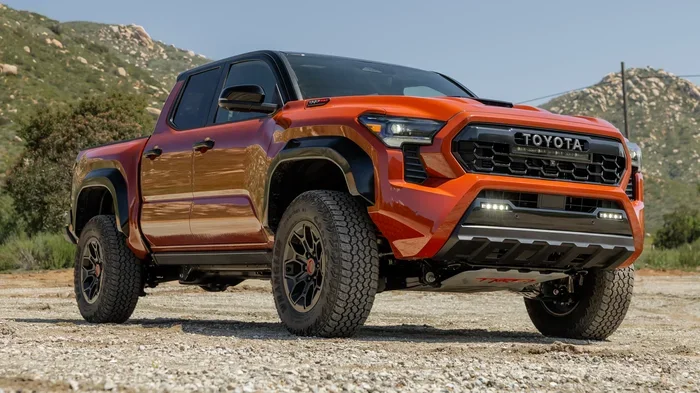
The TRD off-road package is packed with features designed for serious trail use. Here is what you get with a TRD trim that SR5 simply does not offer:
- TRD skid plate to protect the undercarriage from rocks and debris on the trail.
- All-terrain tires with better tread patterns for grip on loose surfaces like mud and gravel.
- Locking rear differential for improved traction in mud, sand, and snow.
- Special off-road driving modes on newer models that adjust throttle and braking.
- Enhanced cooling systems for the engine and transmission during long trail runs.
- TRD Pro models add FOX racing shocks and a front skid plate for maximum protection.
The TRD Pro version takes things even further. It is built for people who live for the trail. It is a serious off-road machine right from the factory. You do not need to add a single aftermarket part to hit the dirt roads with confidence.
SR5 Off-Road Limitations
Can an SR5 go off-road? Yes, it can. The base Toyota Tacoma and Tundra have decent ground clearance and four-wheel drive options. But the SR5 lacks the specialized parts that make TRD so capable on rough terrain.
Without a TRD skid plate, the undercarriage is more vulnerable to damage from rocks and logs. The standard tires on SR5 are designed more for highway comfort than trail grip. And the stock suspension absorbs impacts less effectively than the TRD setup. You will feel every bump and rock much more in an SR5.
That said, many SR5 owners do modify their trucks for off-road use. They add aftermarket lift kits, skid plates, and all-terrain tires. But this adds cost quickly. A fully built SR5 off-road truck can end up costing more than a factory TR5 trim. Plus, you lose the factory warranty coverage on modified parts if something goes wrong.
Interior Comfort and Technology
Trucks are not just about performance. You also spend a lot of time inside the cab. Let us compare what each trim offers in the cabin. Comfort and technology matter, especially if you drive long distances or haul passengers.
Seating and Materials
The SR5 trim comes with durable cloth seating as standard. The materials are functional and easy to clean. They hold up well to daily use, spills, and crumbs. For families with kids, this is a big plus. Cloth seats are also more affordable to replace if they get worn out over time.
The TRD trim typically comes with bucket seats and optional leather or suede upholstery. The seating is more supportive during long drives. The TRD interior also has unique styling touches like contrast stitching and TRD-branded trim pieces. It feels more sporty and intentional. The truck accessories that come with TRD, like floor mats and cargo organizers, are also higher quality.
Both trims offer similar rear seat space and cargo capacity. The truck bed dimensions are the same across trims for the same model. So if you need to haul gear, furniture, or construction materials, both TRD and SR5 get the job done equally well. The difference is mostly about how the interior looks and feels.
Infotainment and Technology
The infotainment system is nearly identical between the two trims. Both offer a touchscreen display, Apple CarPlay, Android Auto, and Bluetooth connectivity. The audio quality is the same across trims. You will not notice a difference in sound quality when listening to music or podcasts on the road.
Where TRD does add value is with driver-assistance features on higher trims. Some TRD Pro models include additional sensors and cameras designed for off-road navigation. These help you spot obstacles that might damage the truck or put you in a difficult position on the trail. It is a nice safety bonus that SR5 does not offer in most configurations.
The SR5 trim keeps things simple. The tech is straightforward and easy to use. There is no learning curve. For older drivers or anyone who prefers a clean, no-fuss interface, the SR5 infotainment system works perfectly. You get all the essentials without paying extra for features you might not need.
Price and Value Breakdown
Money matters when you are buying a truck. Let us look at how the price tag compares between these two trims. The cost difference is one of the biggest factors in the TRD vs SR5 decision.
Starting Prices Compared
The SR5 trim is the more affordable option. It starts at a lower base price than any TRD trim. The exact difference depends on the model year and specific truck you are looking at. But as a general rule, you can expect to pay about $2,000 to $5,000 more for a TRD trim compared to an equivalent SR5.
Here is a simple breakdown of what you are paying for with TRD:
- Upgraded suspension components and shocks that cost extra if added to SR5.
- Performance exhaust and brake kit included at no extra charge.
- TRD skid plates and off-road tires that protect your investment.
- Unique styling and badging that sets your truck apart.
- Special interior trim pieces and materials that feel more premium.
When you add up all those parts separately, the cost can exceed the trim premium. That is one reason TRD delivers strong value for buyers who want the off-road package without DIY installation. You save time and money by getting everything factory-built.
Cost of Ownership
Beyond the sticker price, consider the long-term costs. Both trims share the same engines and drivetrains. Maintenance costs are nearly identical. Oil changes, tire rotations, and brake pad replacements cost the same regardless of trim level.
One area where TRD might cost slightly more is replacement parts. The TRD sway bar or TRD cat-back exhaust may be pricier to replace than standard SR5 components. However, these parts are also more durable and designed to last longer under hard use. You may actually save money on replacements over the life of the truck.
Insurance costs are typically the same for both trims. The factory warranty is also identical. Toyota covers both SR5 and TRD trims with the same bumper-to-bumper and powertrain warranties. You are not giving up any coverage by choosing one trim over the other. This is an important factor that many buyers overlook when comparing trims.
Which Trim Is Right for You?
By now, you have a good understanding of the differences. But the final decision comes down to your personal needs and driving habits. Let us break it down into simple scenarios so you can see yourself in the right trim.
Choose TRD If…
You should pick the TRD trim if any of these sound like you:
- You go off-roading regularly and want factory-built capability without modifications.
- You care about the aggressive look and sporty styling that TRD offers.
- You want better suspension and braking without buying aftermarket upgrades separately.
- You plan to keep the truck for a long time and value resale value in the off-road market.
- You enjoy the sound and feel of a TRD exhaust and performance parts on your daily drive.
- You want a truck accessories package that is already installed and tested by Toyota engineers.
The TRD trim is an investment. You pay more upfront, but you get parts and performance that are hard to replicate on a budget. For truck enthusiasts and weekend warriors, TRD is the clear choice. It gives you confidence on the trail and turns heads wherever you go.
Choose SR5 If…
The SR5 trim is the smarter pick if this describes your situation:
- You use your truck mainly for commuting, errands, and family trips on paved roads.
- You want the lowest possible price for a reliable Toyota truck.
- You prefer a clean, understated look without flashy branding or aggressive styling.
- You plan to add aftermarket upgrades yourself over time at your own pace.
- You want to keep monthly payments and total cost as low as possible.
- You do not need off-road capability and will mostly drive on highways and city streets.
The SR5 gives you the Toyota reliability and quality you want at a price that is easier on your wallet. It is the most popular trim for a reason. Thousands of truck owners trust the SR5 for daily duty, and it delivers every single time. You cannot go wrong with this trim if your needs are straightforward.
The TRD vs SR5 comparison is not about which trim is objectively better. It is about which one fits your life better. Both are excellent trucks. Both are built by Toyota with the same care and quality standards. Your job is simply to match the trim to your needs, your budget, and your driving style.
Conclusion
The TRD vs SR5 debate does not have a single winner. It depends entirely on what you need from your truck. The TRD trim delivers superior off-road performance, better suspension, and a more aggressive look. It is the choice for enthusiasts who hit the trails and want factory-built capability without compromise.
The SR5 trim offers outstanding value, lower pricing, and all the reliability Toyota is known for. It is the smart choice for daily drivers, families, and anyone who wants a dependable truck without paying for performance parts they may never use.
Both trims share the same strong Toyota platform, engines, and safety features. You cannot go wrong with either one. But if you ask most truck owners, the answer to “Is TRD better than SR5” comes down to one simple question: what will you do with your truck?
Take some time to think about your driving habits, your budget, and your goals. Visit a dealership and sit in both trims. Take a test drive in each one. The right choice will become clear once you feel the difference behind the wheel. Whichever trim you choose, you are getting a great Toyota truck that will serve you well for years to come.
Frequently Asked Questions
Is TRD worth the extra money over SR5?
If you regularly go off-road or care about performance upgrades, TRD is absolutely worth the extra cost. The factory-installed parts like the TRD exhaust, brake kit, and skid plates would cost much more if you bought and installed them yourself. But if you only drive on paved roads, the SR5 offers better value for your dollar.
Can I off-road in an SR5 trim?
Yes, you can take an SR5 off-road. The base Toyota Tacoma and Tundra have decent ground clearance and available four-wheel drive. However, the SR5 lacks the specialized parts that make TRD so capable on rough trails. You can add aftermarket parts to an SR5, but it will cost more than buying a TRD trim upfront.
What does TRD stand for?
TRD stands for Toyota Racing Development. It is Toyota’s in-house division that designs performance and off-road parts. TRD parts are tested and engineered specifically for Toyota trucks. When you buy a TRD trim, you get these parts already installed and covered under your factory warranty.
Is the SR5 trim a good daily driver?
Absolutely. The SR5 is one of the best daily driver trucks on the market. It offers reliable Toyota engineering, comfortable seating, and modern tech features at an affordable price. Most SR5 owners use their trucks for commuting, errands, and family trips without any issues at all.
Does TRD have better resale value?
Yes, TRD trims tend to hold their value better, especially in markets where off-road trucks are popular. Enthusiasts are willing to pay a premium for factory TRD equipment. However, the resale advantage can vary depending on your location, the specific model year, and the overall condition of the truck.
Can I add TRD parts to an SR5 truck?
Yes, you can. Toyota sells many TRD parts as accessories that you can add to any SR5 truck. This includes things like the TRD sway bar, TRD exhaust, and TRD skid plates. However, buying individual parts and installing them will likely cost more than the price difference between an SR5 and a TRD trim straight from the factory.