Can I Check a VIN for Free Find Out What It Reveals
Yes, you can check a VIN for free and uncover vital details about any vehicle. A free VIN check reveals accident history, title status, ownership records, recall information, and vehicle specifications. Whether you are buying a used car or just curious, a VIN lookup takes minutes and could save you thousands.
Have you ever stared at a car and wondered what stories its past holds? Every vehicle has a unique fingerprint. That fingerprint is called a vehicle identification number, or VIN. And the good news is you can look it up without spending a dime. So can I check a VIN for free? Absolutely. Let us walk you through everything you need to know.
A free VIN check opens a window into a car’s background. You can discover whether it has been in a crash, whether it carries a salvage title, or if there are outstanding recalls. This information matters whether you are a first-time buyer or a seasoned shopper. In this guide, we will break down exactly what a VIN lookup reveals, where to do it for free, and how to avoid common pitfalls.
Key Takeaways
- Free VIN checks are widely available: Several reputable tools let you decode a VIN at no cost.
- A VIN reveals critical vehicle details: You can learn about accidents, title status, recalls, and specs instantly.
- Free checks have limits: They may not include full vehicle history reports like paid services do.
- Multiple free tools exist: Sites like the NHTSA, VINCheck, and decoder tools offer no-cost options.
- Always verify results: Cross-reference free VIN data with other sources for accuracy.
- Run a VIN check before buying: It is one of the smartest steps in any used car purchase.
📑 Table of Contents
- What Is a VIN and Why Does It Matter?
- Can You Really Check a VIN for Free?
- What Does a Free VIN Check Reveal?
- Top Free VIN Check Tools Compared
- How to Run a Free VIN Check in 5 Simple Steps
- What a Free VIN Check Won’t Tell You
- Common Mistakes to Avoid When Checking a VIN
- Why a VIN Check Should Be Part of Every Used Car Purchase
- Final Thoughts
What Is a VIN and Why Does It Matter?
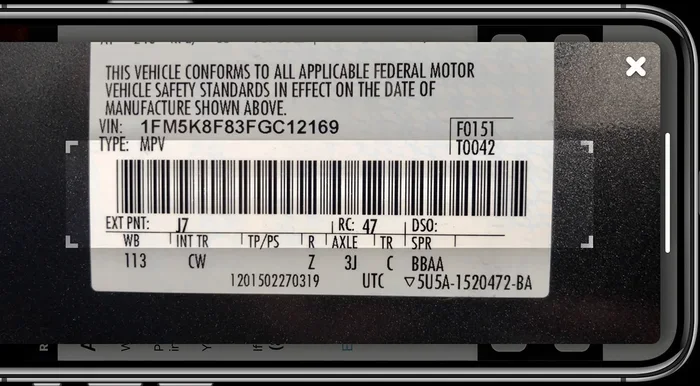
A VIN number is a 17-character code made up of letters and numbers. Think of it as a social security number for your car. No two vehicles share the same VIN. Every character in that code tells a specific story about the vehicle.
The first three characters identify the manufacturer. Characters four through eight describe the vehicle type, engine, and body style. The ninth character is a security check digit. The tenth character tells you the model year. The eleventh character identifies the assembly plant. And the last six characters form the unique serial number for that specific car.
Why does this matter? Because a VIN decoder translates all those characters into useful information. You can find out the engine size, trim level, original factory options, and more. When you run a VIN number check, you get a snapshot of what the car was built as and what has happened to it since.
Where to Find the VIN
You can locate the VIN in several places. The most common spot is on the dashboard on the driver’s side. Look through the windshield and you will see a small metal plate. You can also find it on the driver’s side door jamb. Some vehicles list the VIN on the engine block too. Insurance cards and vehicle titles also show the VIN clearly.
Can You Really Check a VIN for Free?
Yes, you can check a VIN for free, and it is easier than most people think. Several websites and government resources offer free VIN lookup tools. You simply type in the 17-character code and wait a few seconds. The results give you a wealth of information at no cost.
However, there is an important distinction to understand. A free VIN decoder gives you basic vehicle specifications. A free VIN check may also reveal title status and basic history. But a full vehicle history report with detailed accident records often comes from paid services like Carfax or AutoCheck. Let us look at what each type of free tool offers.
Government Resources for Free VIN Checks
The National Highway Traffic Safety Administration, or NHTSA, offers a free tool at VINDecoder.gov. This site pulls data directly from the manufacturer. You get the vehicle make, model, year, engine type, and factory recall information. It is completely free and very reliable.
The National Insurance Crime Bureau, or NICB, also provides a free VINCheck tool. This one focuses on theft and salvage records. You can see if a vehicle has been reported stolen or declared a total loss. It is a great first step before you dig deeper.
Third-Party Free VIN Lookup Tools
Several third-party sites offer free VIN check online services. Some of these include:
- VINNumberAPI – provides basic decoding and history data
- AutoCheck Free VIN Lookup – offers a limited free report
- VINDecoder.net – gives detailed specifications for free
- CarVertical – provides a free basic report with some history details
- EpicVIN – offers a free VIN decoder with basic info
Each tool has its strengths. Some focus on specifications while others lean toward history. For the best results, try two or three different VIN check tools. This way you get a fuller picture of the vehicle.
What Does a Free VIN Check Reveal?
Running a free VIN lookup is like peeling back layers of a car’s past. Here is exactly what you can expect to find.
Vehicle Specifications
A VIN decoder will tell you the basics. You will learn the make, model, year, trim level, and engine size. Some tools also show the transmission type, drive system, and fuel type. This is helpful when you want to confirm a seller’s claims. If a seller says the car has a V6 engine but the VIN number check shows a four-cylinder, you know something does not add up.
Title Status and Ownership History
Many free VIN check tools reveal title information. You can see if the vehicle has a clean title, a salvage title, or a rebuilt title. A salvage title means the insurance company declared the car a total loss at some point. This is a major red flag for most buyers. Knowing this early saves you from a costly mistake.
Some tools also show how many owners the vehicle has had. A car with many short-term owners might signal underlying problems. On the other hand, a one-owner car with a clean title is usually a good sign.
Accident and Damage History
This is where things get interesting. Some free VIN check services include accident data. You might see records of reported collisions, airbag deployments, or frame damage. Keep in mind that not every accident gets reported to databases. So a clean result does not guarantee a perfect history.
If the tool shows any damage records, dig deeper. Consider getting a paid report or hiring a mechanic for a pre-purchase inspection. VIN verification at a trusted shop can catch problems that databases miss.
Recall and Safety Information
The NHTSA database links directly to your VIN. You can see if the manufacturer ever issued a recall for that specific vehicle. Recalls cover safety defects that need fixing at no cost to the owner. If a recall exists and has not been addressed, that is important information to have.
Some free VIN check tools compile this recall data for you. You do not need to visit multiple sites. One lookup gives you the full recall picture. This is especially useful for older vehicles where owners may have skipped repairs.
Odometer Readings and Service Records
A free VIN lookup may also show odometer readings from various sources. This helps you spot rollback fraud, where someone turns back the odometer to make a car seem less worn. If the odometer reading jumps backward between records, that is a clear warning sign.
Service records are less common in free tools. But some platforms do include maintenance history when it is available. Consistent oil changes and regular service suggest a well-cared-for vehicle.
Top Free VIN Check Tools Compared
Not all free VIN check services are the same. Some give you more information than others. Here is a comparison of the most popular free tools to help you choose.
| Tool | Free? | Specs | Accident Data | Recall Info | Title Status |
|---|---|---|---|---|---|
| NHTSA VINDecoder | Yes | Yes | No | Yes | No |
| NICB VINCheck | Yes | No | No | No | Yes (salvage/theft) |
| AutoCheck Free | Limited | Yes | Limited | Yes | Yes |
| CarVertical | Yes (basic) | Yes | Yes | Yes | Yes |
| VINDecoder.net | Yes | Yes | No | No | No |
| EpicVIN | Yes (basic) | Yes | Limited | Yes | Yes |
As you can see, no single free tool covers everything. The NHTSA tool is excellent for specifications and recalls. The NICB tool is best for theft and salvage checks. For a broader picture, try combining two or three tools together.
Quick Tips for Using Free VIN Tools
- Always double-check the VIN before entering it. One wrong character gives you results for a completely different vehicle.
- Use multiple tools to fill in gaps. Each database has different sources.
- Do not rely solely on free tools. A paid vehicle history report from Carfax or AutoCheck provides deeper details.
- Run the check yourself. Never trust a seller who provides a report without you verifying it independently.
- Look for consistency across all reports. Discrepancies between tools can point to hidden issues.
How to Run a Free VIN Check in 5 Simple Steps
Running a VIN check free takes just a few minutes. Follow these steps and you will have valuable information in hand.
- Find the VIN. Look at the dashboard on the driver’s side or the driver’s door jamb. You can also check the vehicle title or registration document.
- Choose a free VIN tool. Start with the NHTSA decoder for specifications. Then try NICB VINCheck for title and theft records.
- Enter the VIN carefully. Type all 17 characters exactly as shown. Watch for similar-looking letters and numbers like I, O, and Q that can be confused with 1 and 0.
- Review the results. Look at the specifications, title status, and any history notes. Write down anything that seems unusual.
- Cross-reference with other sources. If something looks off, try another tool or consider a paid report for a deeper dive.
That is it. Five simple steps and you have a solid foundation of knowledge about the vehicle. This process takes less than 10 minutes and costs you nothing.
Expert Insight: “I always tell buyers to run at least two free VIN checks before making any decision. No single database has everything. Combining tools gives you the most complete picture possible.” – Automotive Industry Analyst
What a Free VIN Check Won’t Tell You
It is important to understand the limits of a free VIN lookup. These tools are powerful but they have boundaries. Here is what you might not get from a free check.
Detailed accident records are often behind a paywall. Services like Carfax and AutoCheck invest heavily in compiling accident data from insurance companies, police reports, and repair shops. Free tools may not have access to all of these sources.
Service and maintenance history is another gap. Unless the vehicle’s records were uploaded to a database, a free check will not show you oil changes, tire rotations, or major repairs. You can sometimes access this through the dealership if you have the VIN, but it is not guaranteed.
Current market value is not typically included in free VIN tools. You would need to use Kelley Blue Book, Edmunds, or similar valuation sites for that information.
Lemon law history is also rarely available for free. Lemon law records come from state databases, and not all states make this data publicly accessible through free VIN tools.
If you need any of these details, consider investing in a paid report. A single Carfax report costs around 40 dollars, but it could save you thousands in repairs. Think of it as insurance before a big purchase.
Common Mistakes to Avoid When Checking a VIN
Even with free tools available, people still make avoidable errors. Here are the most common mistakes and how to skip them.
Relying on Just One Source
No single VIN check tool has access to every database. Relying on just one source gives you an incomplete picture. Always cross-reference results from multiple tools for a more accurate view of the vehicle’s history.
Ignoring Discrepancies
If the VIN decoder shows a 2018 model year but the seller claims it is a 2020 model, do not ignore that. Discrepancies in year, trim, or mileage are red flags. Always investigate further before moving forward with a purchase.
Skipping a Physical Inspection
A VIN number check is powerful, but it cannot replace a physical inspection. A mechanic can spot issues that no database ever will. Rust, worn suspension components, and engine problems often show up during a hands-on inspection.
Trusting Seller-Provided Reports Blindly
Some sellers will offer you a free Carfax report or similar document. While these can be useful, always run your own VIN check independently. Sellers may selectively share reports that paint a rosier picture. Verify everything yourself.
Forgetting to Check for Recalls
One of the easiest and most important steps is checking for open recalls. A VIN lookup at NHTSA.gov takes 30 seconds and could reveal a safety defect that needs immediate attention. Never skip this step.
Why a VIN Check Should Be Part of Every Used Car Purchase
Buying a used car is exciting but it comes with risks. A free VIN check is one of the simplest ways to protect yourself. It costs nothing and takes just minutes. Think of it as a pre-purchase health check for any vehicle you are considering.
When you know a car’s history, you can negotiate with confidence. If the vehicle history report shows a clean title and no accidents, you have leverage for a fair price. If it reveals problems, you can walk away or ask for a price reduction.
Even if you are not buying a car, a VIN check is useful in other situations. You might want to verify a vehicle before selling your own car. Or you could check a VIN you found parked on the street out of curiosity. The information is there for the taking, and it is all free.
The bottom line is simple. A VIN number check empowers you with knowledge. Knowledge leads to better decisions. Better decisions lead to smarter purchases and fewer headaches down the road.
Final Thoughts
So can I check a VIN for free? Yes, without a doubt. You have access to powerful tools that reveal a vehicle’s specifications, title status, recall history, and much more. A free VIN check is one of the smartest things any car buyer can do.
Start with the NHTSA decoder for basic specifications and recall data. Then run the NICB VINCheck for theft and salvage records. Combine these with a third-party tool for the most complete picture. In less than 15 minutes, you will know more about a vehicle than most sellers expect you to.
Use this knowledge wisely. A VIN lookup is not a substitute for a mechanic’s inspection or a paid vehicle history report. But it is an essential first step that costs nothing and delivers real value. Take a few minutes today, run that VIN number through a free tool, and drive away with confidence.
Frequently Asked Questions
Is a free VIN check as good as a paid report?
A free VIN check gives you valuable basic information like specifications, title status, and recall data. However, paid reports from Carfax or AutoCheck provide more detailed accident history, service records, and ownership timelines. For the most thorough picture, consider using both free and paid tools together.
How long does a free VIN check take?
A free VIN check takes just a few minutes. You enter the 17-character VIN into any free decoder tool and get results almost instantly. Running multiple tools might take 10 to 15 minutes total, but the information you gain is well worth the time.
Can I check a VIN for free on my phone?
Yes, most free VIN check tools work on mobile browsers. You simply open the website, type in the VIN, and view the results. Some services also have mobile apps for even faster access. The process is just as easy on a phone as it is on a computer.
What if the VIN check shows something wrong?
If a free VIN check reveals issues like a salvage title, accident history, or open recalls, do not panic. Take the vehicle to a trusted mechanic for a thorough inspection. Ask the seller for an explanation and consider negotiating the price or walking away if the problems are serious.
Do I need the VIN to check a vehicle’s history?
Yes, the VIN is essential for any vehicle history lookup. You can find the VIN on the dashboard, driver’s door jamb, or vehicle title. Without it, you cannot run a meaningful VIN check. Always verify the VIN matches the title and registration documents before proceeding.
Are free VIN check websites safe to use?
Most reputable free VIN check sites are safe. Stick to well-known tools like the NHTSA decoder, NICB VINCheck, and established third-party services. Avoid sites that ask for payment details just to run a free check. If a site feels sketchy, trust your instincts and move to a different tool.
=== CONCLUSION ===
A free VIN check is one of the most powerful tools available to car buyers and enthusiasts. It gives you a clear window into a vehicle’s past without costing you a single dollar. From specifications to title status, recall data to accident history, the information is right at your fingertips.
Remember to use multiple tools, cross-reference results, and never skip a physical inspection. A VIN number check is not perfect, but it is an essential step in making informed decisions. Whether you are buying, selling, or just curious, take a few minutes to run that VIN through a free decoder today.
Knowledge is power, and in the world of used cars, it is also protection. Use it wisely, and you will drive away with confidence every single time.