Does Per Axle Mean Per Wheel What You Need To Know
Does per axle mean per wheel? The answer is not always straightforward, and understanding the difference can save you time and money on repairs. This guide breaks down what per axle really means when it comes to your vehicle’s wheels, tires, and suspension system. You will walk away with clear, practical knowledge you can use right away.
Does per axle mean per wheel? If you have ever scratched your head over this question, you are not alone. Many car owners, truck drivers, and even DIY mechanics wonder about the real meaning behind these terms. The short answer is no, per axle does not always mean per wheel. But the full story is much more interesting and useful to understand. In this article, we will break down everything you need to know about how axles and wheels relate to each other. You will learn what each term means, how they affect your vehicle, and why getting the details right matters for your safety and your wallet.
Understanding the difference between per axle and per wheel helps you make smarter decisions about tire purchases, replacements, and routine maintenance. Whether you drive a compact sedan, a heavy-duty truck, or an SUV, this knowledge applies to you. We will walk through real-world examples, common mistakes, and expert tips that make the concepts easy to grasp. By the end of this guide, you will feel confident explaining the difference to anyone who asks.
Key Takeaways
- Per axle does not always mean per wheel: Axle and wheel are related but distinct concepts in vehicle mechanics.
- Axle types matter: Single axles and dual axles serve different purposes and carry different load capacities.
- Tire fitment depends on axle specs: Your tire size, pressure, and rotation schedule tie directly into how axles function.
- Wheel bearings and axle shafts work together: These components share the load and wear over time.
- Regular maintenance prevents costly repairs: Simple checks on tire wear, alignment, and bearing health go a long way.
- Load capacity is tied to your axle: Knowing your axle rating helps you avoid overloading and unsafe driving conditions.
📑 Table of Contents
What Does Per Axle Mean?
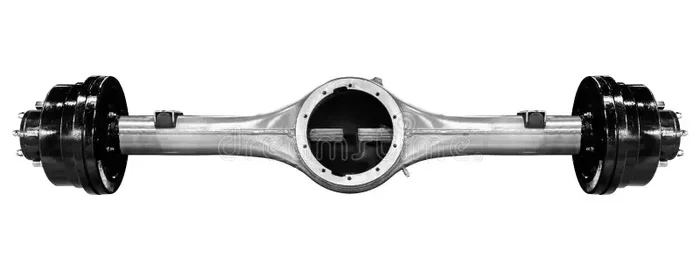
Before we dive into whether per axle means per wheel, let us first understand what an axle actually is. An axle is a central shaft that connects a pair of wheels on opposite sides of your vehicle. It bears the weight of the vehicle and transfers power from the engine to the wheels. Without a working axle, your car simply cannot move. The axle is one of the most important structural components in any vehicle with wheels.
What Is an Axle?
Think of an axle as a strong metal rod that runs through the center of your wheel assembly. On most cars, there are two main axles: one in the front and one in the rear. Each axle supports two wheels, one on each side. So when someone says a vehicle has a single axle, they mean one shaft serving two wheels. A dual axle setup means two shafts, each serving two wheels, for a total of four wheels on that axle group.
The axle does more than just hold the wheels in place. It also supports the vehicle weight, absorbs road shocks, and works closely with the suspension system to provide a smooth ride. The axle shaft connects to the wheel hub on each side, and the wheel bearing assembly sits inside the hub to allow smooth rotation.
How Axles Support Your Vehicle
Every time you drive over a bump or turn a corner, your axles take a beating. They carry the full load capacity of your vehicle plus whatever cargo or passengers you are hauling. The axle ratio determines how much torque reaches the wheels, which affects your acceleration and towing ability. A higher axle ratio gives you more pulling power, which is why trucks often have different ratios than passenger cars.
The differential is another key part connected to the axle. It allows the left and right wheels to spin at different speeds when you turn. Without a differential, your tires would scrub and wear unevenly during turns. The axle, differential, and wheel bearings all work as a team to keep your vehicle moving safely and efficiently.
Does Per Axle Mean Per Wheel?
Now let us get to the heart of the question. When someone says a part or service costs “per axle,” what does that really mean? Does it mean per wheel? The answer depends on the context. In most cases, per axle refers to the cost or specification for both wheels on one axle shaft, not just one wheel. So if a mechanic quotes you a price per axle for axle replacement, they are talking about replacing the shaft and associated components for both wheels on that side.
Understanding Axle vs Wheel
The easiest way to understand the difference is to think of the axle as the structure and the wheel as the rotating part that touches the road. The wheel bearing sits between the axle shaft and the wheel hub, allowing the wheel to spin freely. When you buy tires, you might hear the term “per wheel” or “per axle.” Tires sold per wheel means one tire for one wheel position. Tires sold per axle means a pair of tires for both wheels on that axle.
This distinction matters a lot when you are shopping for new tires or getting a quote for repairs. If a shop says a wheel bearing replacement costs $200 per axle, that means $200 for both bearings on that axle. If they say $200 per wheel, you would pay $200 for each individual bearing, which doubles the cost. Always ask for clarification to avoid surprises on your bill.
Single Axle vs Dual Axle
Not all vehicles have the same axle setup. A single axle vehicle has one shaft at the rear supporting two wheels. Think of a small pickup truck or a utility trailer. A dual axle vehicle has two rear axles, each supporting two wheels, giving you four rear wheels total. This is common in larger trucks, RVs, and commercial vehicles. Dual axles distribute the vehicle weight more evenly and increase the total load capacity.
When pricing parts or services, knowing whether your vehicle has a single or dual axle setup helps you estimate costs correctly. For example, replacing brake pads on a dual axle rear end means servicing four wheels, not just two. This is where the per axle versus per wheel distinction becomes very practical and financially important.
How Axle Measurements Affect Your Tires
Your axle specifications directly influence the tires you should use on your vehicle. From tire size to tire pressure, the axle plays a big role in determining the right fit. Using the wrong tires for your axle setup can lead to uneven tire wear, poor handling, and even dangerous driving conditions.
Tire Size and Axle Compatibility
Every vehicle comes with a recommended tire size listed on the driver’s side door jamb or in the owner’s manual. This recommendation is based on the axle width, load capacity, and overall suspension design. If you upgrade to a larger tire without checking your axle specifications, you risk rubbing against the fender or suspension components. On the flip side, tires that are too small can affect your speedometer accuracy and reduce ground clearance.
The wheel alignment is also closely tied to your axle setup. Proper alignment ensures that all four wheels point in the right direction, which reduces tire wear and improves fuel efficiency. When you get new tires installed, always request a wheel alignment check. This small step can add thousands of miles to your tire life.
Load Capacity and Tire Pressure
Each axle on your vehicle has a maximum load capacity rating. This number tells you how much weight the axle can safely carry. Exceeding this limit strains the axle shaft, damages the wheel bearing, and causes premature tire failure. The tire pressure recommendations on your door jamb are specifically calibrated for your axle and vehicle weight.
Checking your tire pressure at least once a month is one of the simplest and most effective forms of vehicle maintenance. Underinflated tires cause your axle to work harder, reduce fuel economy, and create uneven wear patterns. Overinflated tires give you a harsh ride and reduce the contact patch, which compromises traction and safety.
Common Vehicle Systems Connected to Axles
Your vehicle is a complex machine where many systems work together. The axle does not operate in isolation. Several other components depend on the axle for proper function, and problems in any of these areas can affect your axle performance.
Wheel Bearings and Axle Shafts
The wheel bearing is a small but critical component that sits inside the wheel hub. It allows the wheel to rotate smoothly around the axle shaft with minimal friction. Over time, wheel bearings wear out from constant use, moisture exposure, and road debris. Signs of a failing wheel bearing include a humming or growling noise that gets louder when you turn, vibration in the steering wheel, or loose handling.
The axle shaft transfers power from the transmission to the wheels. It is a precision part that must be properly lubricated and sealed. If the axle shaft seal fails, grease leaks out and contaminants enter the bearing assembly. This leads to accelerated wear and eventual bearing failure. Regular inspections of the axle shaft and seal can catch small problems before they become expensive repairs.
The Role of the Differential
The differential is connected directly to the axle and plays a vital role in how your vehicle handles turns. When you navigate a curve, the outside wheel needs to travel a longer distance than the inside wheel. The differential allows this to happen smoothly by distributing power to each wheel at different speeds. Without a working differential, your tires would skip, screech, and wear down rapidly during turns.
Differential fluid should be changed at regular intervals as part of routine vehicle maintenance. Old or contaminated differential fluid causes excessive wear on the gears and bearings inside the axle assembly. Following the manufacturer’s recommended service schedule for fluid changes is one of the best things you can do to extend the life of your axles and wheels.
When to Replace or Service Your Axles
Knowing when your axles need attention can save you from a breakdown on the road. Axles do not last forever, and recognizing the warning signs early helps you stay safe and avoid costly tow bills. Regular vehicle maintenance and prompt attention to symptoms go a long way in keeping your axles and wheels in top shape.
Signs of Axle Wear
Several clear signs indicate your axle or related components may need service. Clicking or clunking noises when you shift from drive to reverse often point to a worn CV joint on the axle shaft. Vibrations that increase with speed can signal a bent axle shaft or a failing wheel bearing. Grease leaking from the wheel area suggests a damaged axle seal that needs immediate attention.
Uneven tire wear is another telltale sign of axle problems. If one tire wears down significantly faster than the others, it could indicate an alignment issue, a worn differential, or a bent axle. Regularly inspecting your tires for uneven tread patterns helps you catch these problems early before they lead to more expensive repairs.
Maintenance Tips for Longevity
Taking care of your axles does not have to be complicated. Start with simple habits like checking your tire pressure weekly and inspecting your tires for visible damage. Keep your wheel alignment checked at least once a year or after hitting a pothole or curb. Follow the manufacturer’s recommended schedule for differential fluid changes and axle inspections.
Rotating your tires regularly promotes even tire wear and reduces stress on the axles. Most experts recommend a tire rotation every 5,000 to 8,000 miles. During each rotation, ask your technician to inspect the wheel bearings, axle seals, and suspension components. These small investments in preventive care add up to significant savings over the life of your vehicle.
Final Thoughts on Per Axle vs Per Wheel
So, does per axle mean per wheel? The answer is a clear no, though the two concepts are closely related. Your axle is the structural backbone that connects and supports your wheels. Your wheels are the points of contact with the road. Understanding the difference helps you make informed decisions about tire purchases, repair quotes, and routine maintenance.
Whether you are a casual driver or someone who hauls heavy loads, knowing how your axles and wheels work together gives you an advantage. You can spot problems earlier, ask better questions at the repair shop, and keep your vehicle running safely for years to come. The next time someone mentions a cost or specification per axle, you will know exactly what they mean and how it applies to your vehicle.
Take the time to learn your vehicle’s axle specifications, keep up with routine maintenance, and never ignore the warning signs your car gives you. Simple habits like checking tire pressure, rotating tires, and listening for unusual noises pay off big in the long run. Your axles and wheels carry you everywhere, so give them the care and attention they deserve.
Understanding the relationship between your axle and wheel setup is one of the most practical pieces of automotive knowledge you can have. It empowers you as a driver, saves you money, and keeps you safe on the road. Share this guide with a friend who might benefit from it, and remember that a little knowledge goes a long way when it comes to vehicle maintenance.
Frequently Asked Questions
What happens if I ignore a worn axle bearing?
A worn wheel bearing can cause excessive vibration, uneven tire wear, and eventually a seized axle. If left unchecked, a failed bearing can lock up the wheel while driving, which is extremely dangerous. Addressing bearing issues early keeps you safe and prevents expensive axle replacement costs.
How often should I rotate my tires?
Most manufacturers recommend rotating your tires every 5,000 to 8,000 miles. Regular tire rotation promotes even tread wear, improves fuel efficiency, and extends the overall life of your tires. Check your owner’s manual for the specific interval recommended for your vehicle model.
Can I mix tire sizes on a dual axle setup?
No, you should always match tire sizes on both sides of the same axle. Mixing different tire sizes on a dual axle causes uneven wear, poor handling, and can damage the differential. Always replace tires in pairs on the same axle to maintain balanced performance and safety.
What is the difference between a CV axle and a solid axle?
A CV (constant velocity) axle is used in front-wheel drive and many modern rear-wheel drive vehicles. It allows the wheels to move up and down with the suspension while still transferring power smoothly. A solid axle is a single rigid shaft that connects both wheels on one end, commonly found in trucks and older vehicle designs.
Does axle ratio affect my fuel economy?
Yes, your axle ratio has a direct impact on fuel economy. A higher axle ratio gives you more towing power but can reduce gas mileage because the engine works harder at highway speeds. A lower axle ratio improves fuel efficiency but may limit towing capacity. Choose the ratio that matches your driving needs.
How do I know my vehicle’s axle load capacity?
Your vehicle’s axle load capacity is listed on the door jamb sticker, in the owner’s manual, or on the certification label under the hood. This number tells you the maximum weight each axle can safely support. Never exceed this limit, as overloading causes premature wear on axles, tires, and suspension components.
=== CONCLUSION ===
Understanding whether does per axle mean per wheel is an essential piece of knowledge for any vehicle owner. As we have covered throughout this guide, the axle and the wheel are connected but distinct parts of your vehicle. The axle serves as the structural support and power transfer mechanism, while the wheel is the rotating component that contacts the road. When you hear a price or specification quoted per axle, it almost always refers to both wheels on that axle shaft, not just one.
By grasping the differences between single and dual axle setups, understanding how tire size and pressure relate to axle specifications, and recognizing the signs of wear in your wheel bearings and axle shafts, you become a more informed and confident driver. Regular maintenance habits like tire rotations, alignment checks, and differential fluid changes keep your entire drivetrain healthy and your wallet happy.
Take what you have learned here and apply it to your next service appointment or tire purchase. Ask the right questions, check the numbers, and stay proactive about your vehicle’s health. Your axles and wheels work hard for you every day, and they deserve the care and attention that comes from understanding how they actually work.