Do You Check Transmission Fluid While the Engine Is Running
Knowing when to check transmission fluid while the engine is running can save you from costly repairs. Most manufacturers recommend checking transmission fluid with the engine warm and running for automatic transmissions. However, manual transmissions and some newer vehicles may require different methods. This guide covers everything you need to know about transmission fluid checks to keep your car running smoothly.
This is a comprehensive guide about Do You Check Transmission Fluid While Running?.
Key Takeaways
- Engine Running Matters: Most automatic transmissions need the engine running and warm for an accurate fluid reading.
- Manual vs Automatic: Manual transmissions often require a different checking method than automatics.
- Temperature Is Key: Checking fluid at the right operating temperature gives the most reliable results.
- Color and Smell Tell a Story: Healthy transmission fluid is red and smells sweet. Dark or burnt fluid signals trouble.
- Avoid Common Mistakes: Overfilling, checking on a cold engine, and using the wrong fluid type can cause serious damage.
- Regular Checks Prevent Expensive Repairs: A simple fluid check can catch problems before they become transmission failures.
[FEATURED_IMAGE_PLACEHOLDER]
You pop the hood, grab the dipstick, and wonder — should the engine be running? This question confuses a lot of car owners. The answer isn’t always straightforward, and getting it wrong can lead to inaccurate readings or even damage your vehicle.
Checking transmission fluid while the engine is running is the standard method for most automatic transmissions. But the process isn’t the same for every car. Manual transmissions, newer sealed units, and vehicles with different temperature requirements all have their own rules. Understanding these differences helps you maintain your transmission and avoid expensive repairs down the road.
This article breaks down everything you need to know. We will cover the step-by-step process, common mistakes, expert tips, and much more. By the end, you will feel confident about checking your transmission fluid the right way every single time.
Why Checking Transmission Fluid Matters
Transmission fluid is the lifeblood of your vehicle’s transmission system. It lubricates the internal gears, clutch packs, and bearings. It also helps cool the transmission and transfers hydraulic pressure for smooth gear shifts. Without proper fluid levels, your transmission can overheat, slip, or fail entirely.
Low fluid levels are one of the leading causes of transmission problems. Yet many drivers ignore their transmission fluid until something goes wrong. A simple check can catch a leak early or reveal contaminated fluid that needs changing. Regular transmission maintenance saves you from paying thousands in transmission repair costs.
The Role of Transmission Fluid
Transmission fluid does several important jobs at once. It reduces friction between moving parts inside the transmission. It keeps the internal components cool during operation. It also acts as a hydraulic medium that helps the transmission shift gears smoothly. Over time, this fluid breaks down and loses its effectiveness. Dirty fluid can cause rough shifting, slipping gears, and increased wear on internal parts.
How Often Should You Check?
Most experts recommend checking your transmission fluid at least once a month. You should also check it before any long road trips. If you notice any warning signs like slipping gears or strange noises, check the fluid right away. Vehicles that tow heavy loads or drive in stop-and-go traffic may need more frequent checks.
Do You Check Transmission Fluid While the Engine Is Running?
The short answer is: it depends on your vehicle. For most automatic transmissions, yes, you check the fluid with the engine running and warm. But there are important exceptions. Let us break this down clearly.
Automatic Transmissions
For most automatic transmissions, the correct method is to check the fluid with the engine running. Here is why. Automatic transmissions rely on hydraulic pressure to shift gears. The fluid expands when it gets hot. Checking the fluid at operating temperature gives you the most accurate reading of the actual fluid level.
When you check the fluid on a cold engine, the reading will be lower than it actually is when the transmission is warm. This can lead you to add fluid you do not need, which causes overfilling problems. Overfilling can cause foaming, leaks, and even damage to the transmission internals.
Manual Transmissions
Manual transmissions work differently. Many manual transmissions do not even have a dipstick. Instead, they have a fill plug on the side of the transmission housing. To check the fluid level, you typically need to remove this plug while the vehicle is on a level surface. The engine should be off for this process.
Some manual transmissions do have a dipstick or inspection hole. In those cases, the checking procedure varies by manufacturer. Always consult your owner’s manual before checking manual transmission fluid.
Sealed and Modern Transmissions
Many newer vehicles come with sealed transmissions that have no dipstick at all. These units are designed to be maintenance-free for the life of the vehicle. If your car has a sealed transmission, you should not attempt to check the fluid yourself. Instead, take the vehicle to a qualified mechanic. They have the proper tools to access the fill and drain plugs safely.
Step-by-Step: How to Check Transmission Fluid Properly
Now that you know the basics, let us walk through the actual process. Following these steps ensures you get an accurate reading every time.
Step 1: Park on a Level Surface
Always start by parking your car on a flat, level surface. If the vehicle is on a slope, the fluid will settle unevenly and give you a false reading. Engage the parking brake and keep your foot on the brake pedal throughout the process.
Step 2: Warm Up the Engine
Start the engine and let it idle for a few minutes. You want the transmission fluid to reach its normal operating temperature. Most manufacturers recommend driving the vehicle a short distance first, then parking and checking the fluid. The fluid should be warm but not scalding hot.
Step 3: Locate the Dipstick
Open the hood and find the transmission dipstick. It is usually located near the back of the engine bay. On front-wheel-drive vehicles, it is often on the left or right side of the engine. The handle is typically red or yellow, which helps you distinguish it from the oil dipstick.
Step 4: Pull the Dipstick and Wipe It
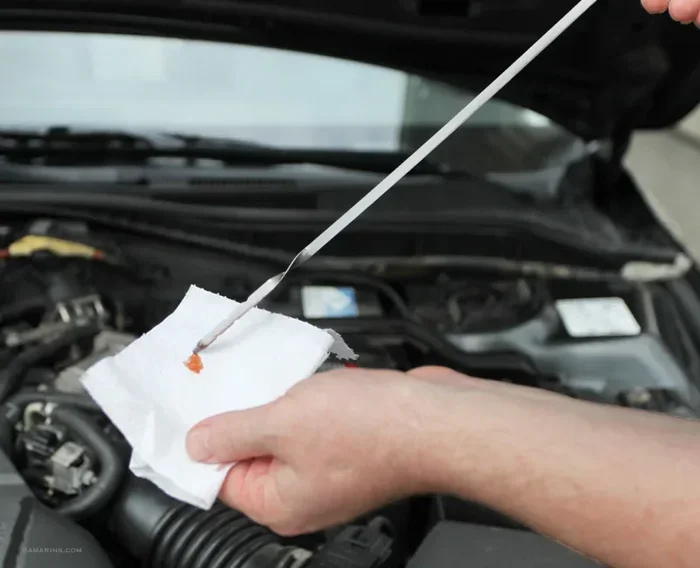
Remove the dipstick and wipe it clean with a lint-free cloth or paper towel. Reinsert it fully, then pull it out again. Look at the fluid level against the markings on the dipstick. Most dipsticks have two lines — a “full” line and a “low” line. The fluid should fall between these marks.
Step 5: Check the Fluid Condition
While you have the dipstick out, inspect the fluid closely. Healthy transmission fluid should be reddish in color and translucent. It should feel smooth between your fingers. If the fluid looks dark brown or black, it needs to be changed. If it smells burnt or has visible particles, your transmission may have internal damage.
Step 6: Add Fluid If Needed
If the fluid level is low, add the correct type of transmission fluid through the dipstick tube. Use a funnel to avoid spills. Add small amounts and recheck the level frequently. Overfilling is just as problematic as underfilling.
Hot vs Cold: Does Temperature Affect the Reading?
Yes, temperature plays a big role in transmission fluid readings. Fluid expands when it heats up. This means the level on the dipstick will be different depending on whether the engine is cold or hot.
Most manufacturers specify that you should check automatic transmission fluid with the engine at operating temperature. This is typically around 150 to 175 degrees Fahrenheit. At this temperature, the fluid has reached its normal viscosity and volume.
Some vehicles have a “cold check” procedure as well. This is usually listed in the owner’s manual. If your vehicle has both a hot and cold check procedure, always follow the manufacturer’s recommendation. Using the wrong temperature setting can give you a misleading reading.
| Check Condition | Engine Status | When to Use |
|---|---|---|
| Hot Check | Engine running, fluid at operating temp | Most automatic transmissions |
| Cold Check | Engine off, fluid at ambient temp | Some older vehicles or specific models |
| Level Check | Engine off, vehicle on level surface | Manual transmissions without dipstick |
Common Mistakes People Make When Checking Transmission Fluid
Even experienced car owners make mistakes when checking transmission fluid. Here are the most common errors and how to avoid them.
Checking the Fluid on a Cold Engine
This is the number one mistake. Checking the fluid when the engine is cold gives you a lower reading than the actual level. You might think everything is fine, but the fluid expands once it warms up. Always follow the correct temperature procedure for your vehicle.
Overfilling the Transmission
Adding too much fluid is just as bad as having too little. Overfilled transmission fluid can foam, which reduces its lubricating ability. Foaming can also cause pressure buildup and lead to leaks. Always add fluid in small amounts and recheck frequently.
Using the Wrong Fluid Type
Not all transmission fluids are the same. Using the wrong type can damage your transmission over time. Automatic transmissions use specific ATF (Automatic Transmission Fluid) formulations. Manual transmissions may use gear oil or transmission-specific fluid. Always check your owner’s manual or consult a professional before adding fluid.
Ignoring Fluid Condition
People often focus only on the fluid level and forget to check the fluid condition. Dark, burnt-smelling fluid is a red flag. It means the transmission is overheating or the fluid is old and degraded. Ignoring these signs can lead to major transmission failure.
Not Reading the Dipstick at Eye Level
Always read the dipstick at eye level. Looking at it from an angle can give you a false reading. Pull the dipstick out, hold it level, and read the markings carefully.
Expert Insights: What Mechanics Wish You Knew
We spoke with several certified mechanics about transmission fluid checks. Here is what they want every car owner to know.
Tip 1: Check the Fluid Regularly
Most mechanics agree that drivers should check their transmission fluid at least once a month. It takes only a few minutes and can catch problems early. A small leak today can become a major failure tomorrow if ignored.
Tip 2: Do Not Ignore Warning Signs
If you notice slipping gears, delayed shifting, or strange noises, check your fluid immediately. These symptoms often point to low fluid levels or contaminated fluid. Addressing these issues early can prevent the need for a full transmission replacement.
Tip 3: Follow the Manufacturer’s Schedule
Every vehicle has a recommended transmission service interval. Some manufacturers say to change the fluid every 30,000 miles. Others claim the fluid is “lifetime” and never needs changing. Most mechanics recommend changing it every 60,000 to 100,000 miles regardless of what the manual says. Fresh fluid keeps the transmission running smoothly and extends its lifespan.
Tip 4: Look for Leaks Early
Check under your vehicle for any reddish puddles or stains. Transmission fluid leaks are common and can come from the transmission pan, seals, or cooler lines. Catching a leak early saves you from a costly transmission fluid leak repair.
Quick Tips for Maintaining Healthy Transmission Fluid
- Use the Right Fluid: Always use the type of fluid specified in your owner’s manual.
- Check Regularly: Make it part of your monthly vehicle maintenance routine.
- Watch for Leaks: Inspect under your car for any fluid spots or puddles.
- Change on Schedule: Do not skip recommended fluid change intervals.
- Avoid Overheating: Keep an eye on your temperature gauge, especially in hot weather or when towing.
- Address Problems Fast: Do not ignore warning signs like slipping or rough shifting.
When to See a Professional
There are times when a DIY fluid check is not enough. If your transmission fluid is consistently low even after you add more, you likely have a leak that needs professional attention. If the fluid looks severely discolored or smells burnt, a mechanic should inspect the transmission internally.
Also, if your vehicle has a sealed transmission without a dipstick, do not attempt to check the fluid yourself. A professional has the right tools and expertise to access the transmission safely. Trying to open a sealed transmission without proper knowledge can cause damage and void your warranty.
Finally, if you experience any of these symptoms, see a mechanic right away:
- Gears slipping in and out
- Delayed engagement when shifting from park to drive
- Burning smell coming from under the hood
- Unusual whining or grinding noises
- Check engine light is on
- Fluid leaking underneath the vehicle
Ignoring these signs can lead to complete transmission failure. And transmission replacements can cost anywhere from $1,800 to $3,500 or more. A simple fluid check and timely maintenance can help you avoid that expense entirely.
Conclusion
So, do you check transmission fluid while the engine is running? For most automatic transmissions, the answer is yes. You should check the fluid with the engine running and warm for the most accurate reading. Manual transmissions and sealed units follow different procedures, so always refer to your owner’s manual.
Regularly checking your transmission fluid is one of the simplest and most effective ways to extend the life of your transmission. It takes just a few minutes and can save you from expensive repairs. Make it a habit, follow the correct procedure, and pay attention to the fluid’s color and smell.
Your transmission works hard every time you drive. Give it the care it deserves by staying on top of fluid checks and changes. A little maintenance today goes a long way toward keeping your vehicle running smoothly for years to come.
Frequently Asked Questions
Can I check transmission fluid with the engine off?
For most automatic transmissions, no. The engine should be running and the fluid should be at operating temperature for an accurate reading. However, some older vehicles and certain manufacturers recommend checking with the engine off. Always consult your owner’s manual for the correct procedure.
What color should healthy transmission fluid be?
Healthy transmission fluid should be a bright reddish color and translucent. If the fluid turns dark brown or black, it is old and needs to be changed. A burnt smell or visible debris in the fluid also indicates it is time for a fluid change or a professional inspection.
How do I know if my transmission fluid is low?
Common signs of low transmission fluid include slipping gears, delayed shifting, rough gear changes, and a burning smell. You can also check the dipstick to see if the fluid level falls below the “low” mark. If you notice any of these symptoms, check the fluid level right away and top it off if needed.
How often should I change my transmission fluid?
Most manufacturers recommend changing automatic transmission fluid every 60,000 to 100,000 miles. However, if you tow heavy loads or drive in severe conditions like stop-and-go traffic or extreme heat, you may need to change it more frequently. Check your owner’s manual for the specific service interval for your vehicle.
Can low transmission fluid cause transmission failure?
Yes, absolutely. Low transmission fluid causes increased friction, overheating, and poor hydraulic pressure inside the transmission. Over time, this leads to worn gears, slipping, and eventually complete transmission failure. Keeping your fluid at the proper level is one of the easiest ways to prevent costly repairs.
Is it okay to drive with low transmission fluid?
No, driving with low transmission fluid is not safe. It can cause the transmission to overheat, slip, or fail entirely. If your fluid level is low, add the correct type of fluid immediately. If you notice any unusual behavior while driving, pull over safely and have the vehicle inspected by a professional mechanic.
Frequently Asked Questions
What is Do You Check Transmission Fluid While Running??
Do You Check Transmission Fluid While Running? is an important topic with many practical applications.