Why Wont My Toyota Corolla Start Try These Simple Tips
Why wont my Toyota Corolla start? This is one of the most common car problems drivers face, and the good news is that many causes are easy to fix yourself. From a dead battery to a faulty starter motor, fuel pump issues, or even a weak key fob battery, there are several reasons your Toyota might refuse to turn over. In this guide, we walk you through the most common culprits and give you simple, actionable steps to diagnose and solve the problem without visiting a mechanic.
There is nothing more frustrating than turning the key or pressing the start button and hearing nothing. Your Toyota Corolla just sits there, silent or clicking, and you are left wondering what went wrong. The good news is that most starting problems have simple explanations and even simpler fixes.
Whether you are dealing with a Toyota Corolla not starting in the morning or it happened suddenly on your way to work, this guide will help you figure out what is going on. We have broken down the most common reasons into easy-to-understand sections. You do not need to be a mechanic to follow along.
Let us dive into the most common reasons your Toyota Corolla wont start and what you can do about each one.
Key Takeaways
- Dead Battery: A weak or dead battery is the number one reason a Toyota Corolla wont start. Learn how to test and replace it yourself.
- Fuel System Issues: A clogged fuel filter or failing fuel pump can prevent your Corolla from getting the gas it needs to run.
- Starter Motor Problems: If you hear a clicking sound but the engine wont turn over, your starter motor or relay may be to blame.
- Key Fob and Immobilizer: A low key fob battery or immobilizer malfunction can trick your Corolla into thinking the wrong key is being used.
- Simple Fixes First: Many starting problems have easy solutions like jump starting, cleaning terminals, or replacing a battery.
📑 Table of Contents
- Dead Battery: The Most Common Culprit
- Fuel System Problems That Stop Your Corolla
- Starter Motor and Ignition Issues
- Key Fob and Immobilizer Problems
- Other Common Reasons Your Corolla Wont Start
- Quick Tips to Prevent Starting Problems
- Common Mistakes People Make When Their Car Wont Start
- Expert Insights: When to See a Professional
- Conclusion
Dead Battery: The Most Common Culprit
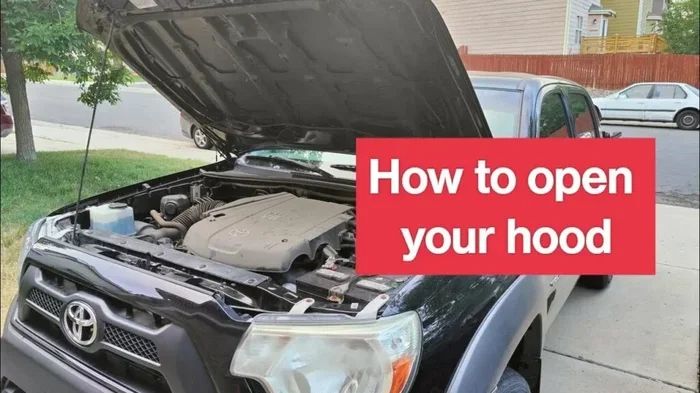
A dead or weak battery is the top reason any car wont start, and the Toyota Corolla is no exception. Your battery provides the electrical power needed to crank the engine. When it dies, your car simply will not turn over.
Signs Your Battery Is Dead
You can usually tell if your battery is the problem before it fully dies. Look for these warning signs:
- The dashboard lights are dim or flickering.
- The engine cranks very slowly or not at all.
- Your Toyota check engine light comes on unexpectedly.
- The headlights are dim when the car is off but bright when running.
- You have not driven the car in a while and it just will not turn over.
How to Test Your Battery
Testing your battery is easy and does not require any special skills. Here is what to do:
- Grab a multimeter from your glove box or a nearby store.
- Set it to measure DC voltage.
- Touch the red probe to the positive terminal and the black probe to the negative terminal.
- A healthy battery should read around 12.6 volts.
- If it reads below 12.0 volts, your battery needs charging or replacing.
Also check the battery terminals for any white or greenish buildup. Corroded battery terminals can prevent electricity from flowing properly. You can clean them with a mixture of baking soda and water and a wire brush.
Quick Fix: Jump Start Your Corolla
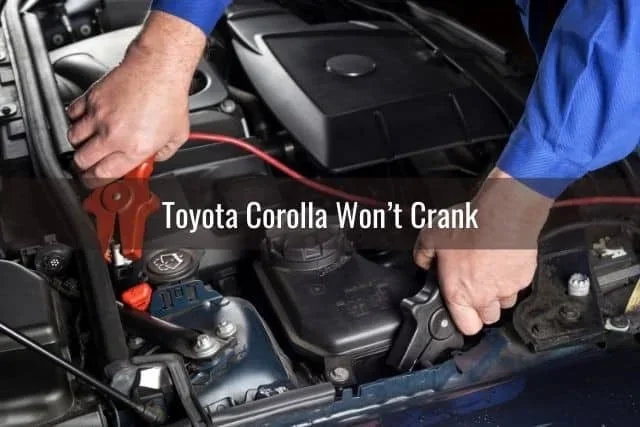
If your battery is dead, a jump start is the fastest way to get going. You can jump start a Toyota using another vehicle or a portable jump starter. Connect the red cable to your positive terminal first, then to the other car’s positive terminal. Connect the black cable to the other car’s negative terminal, and the last clamp to an unpainted metal surface on your engine block. Start the other car first, wait a few minutes, then try starting your Corolla.
If you have a Toyota hybrid, the process is slightly different. You can jump start a Toyota hybrid car using the same cable connections, but always refer to your owner’s manual for the exact location of the jump start terminals.
For a more permanent solution, consider replacing your battery. Most Toyota Corolla batteries last between three and five years. If yours is older, a new battery might save you from future headaches. And if you have ever wondered about fuel types, you can check our guide on whether you can put premium gas in your Toyota Corolla to make sure you are using the right fuel for your engine.
Fuel System Problems That Stop Your Corolla
Your Toyota Corolla needs fuel to run. If the fuel system is not working properly, your engine will crank but never catch, or it will not crank at all. Fuel system issues are among the most common reasons a car wont start even when the battery is fine.
Empty Fuel Tank
It sounds obvious, but it happens more often than you think. If your fuel gauge is acting up or you have been pushing the limits, your tank might simply be empty. Try adding a small amount of fuel first before assuming something more serious is wrong.
Clogged Fuel Filter
The fuel filter keeps dirt and debris from reaching your engine. Over time, it can become clogged and restrict fuel flow. A clogged filter means your engine is not getting enough fuel to start. Toyota recommends replacing the fuel filter every 30,000 to 60,000 miles. If you are past that interval and your car is struggling to start, a new fuel filter might be all you need.
Failing Fuel Pump
The fuel pump sends gas from the tank to the engine. When it fails, your car will not start because no fuel reaches the combustion chamber. Signs of a failing fuel pump include:
- A whining noise coming from the back seat area.
- Your car stalls under heavy load.
- Difficulty starting after the car has been sitting for a while.
- Loss of power when accelerating.
Replacing a fuel pump is more involved than a battery swap, so it is best handled by a professional if you are not comfortable doing it yourself.
Starter Motor and Ignition Issues
When you turn the key or press the start button, the starter motor is what actually cranks the engine. If the starter motor fails, you might hear a single click or nothing at all. This is a common reason a Toyota Corolla wont start even when the battery has enough charge.
How to Tell if It Is the Starter
Here are some clues that point to a bad starter motor:
- You hear a single click when you turn the key but the engine does not crank.
- The lights and radio work fine, but the engine will not turn over.
- You smell a burning odor when you try to start the car.
- The starter motor engages intermittently before failing completely.
A faulty starter relay can cause similar symptoms. The relay acts as a switch that sends power to the starter motor. If the relay goes bad, the starter motor never receives the signal to engage.
Can You Still Drive With a Bad Starter?
No. A bad starter motor means your engine cannot crank on its own. You will need to have the starter replaced or repaired before you can drive your Corolla again. In some cases, a mechanic can tap the starter motor gently to temporarily free a stuck component, but this is only a short-term fix.
If your Toyota has a push button start system, a failing starter can sometimes be confused with a key fob issue. Make sure you rule out the battery and fuel system first before assuming it is the starter.
Key Fob and Immobilizer Problems
Modern Toyota Corollas use a keyless entry and push button start system. While this is convenient, it also introduces new potential failure points. If your car will not start, the problem might be as simple as a dead key fob battery.
Low Key Fob Battery
Your key fob sends a signal to the car telling it that the correct key is present. When the fob battery dies, the car does not recognize the key and will not start. This is one of the sneakiest reasons your Toyota wont start because everything else seems perfectly fine.
Most Toyota key fobs use a CR2032 battery, which is cheap and easy to replace. You can find the battery compartment on the back of the fob. Pop it open, swap the old battery for a new one, and your fob should work again. If you are unsure which battery type to use, check our guide on using a CR2032 in a Toyota key for more details.
Immobilizer Malfunction
The immobilizer is a security feature that prevents your car from starting unless it recognizes the correct key. When the immobilizer malfunctions, your car might refuse to start even with the correct key in the ignition.
Signs of an immobilizer problem include:
- The security light on the dashboard flashes when you try to start the car.
- The car cranks but does not start.
- You recently had a new key cut and the car does not recognize it.
To fix an immobilizer issue, try these steps:
- Take the key fob out and hold it directly against the start button.
- Wait a few seconds and try starting the car again.
- If that does not work, try a spare key fob.
- If neither key works, the immobilizer module may need professional diagnosis.
For more help with immobilizer troubleshooting, you can read our detailed article on how to fix an immobiliser problem.
Other Common Reasons Your Corolla Wont Start
Beyond batteries, fuel, starters, and key fobs, there are several other reasons your Toyota Corolla might not start. These are less common but still worth checking.
Ignition Switch Failure
The ignition switch controls the electrical connection between your battery and the starter motor. When it fails, turning the key does nothing or the dashboard lights flicker without the engine cranking. Ignition switch failure is more common in older Corolla models with high mileage.
Neutral Safety Switch
The neutral safety switch prevents the car from starting unless it is in Park or Neutral. If this switch goes bad, your Corolla will not start even with a fully charged battery and plenty of fuel. Try shifting into Neutral and pressing the start button. If the car starts in Neutral but not in Park, the neutral safety switch is likely the issue.
Spark Plug Problems
Spark plugs ignite the fuel-air mixture in your engine cylinders. When they are worn out or fouled, the engine might crank but fail to start. Toyota recommends replacing spark plugs every 30,000 to 100,000 miles depending on the type. If it has been a while since your last replacement, new spark plugs might solve your starting problem.
Overheating Engine
An overheating engine can cause your car to shut down and refuse to restart. If your temperature gauge is in the red zone, let the engine cool down completely before trying to start again. Persistent overheating is a serious issue that needs immediate attention. Check our guide on how to tell if your car is overheating for more information.
Quick Tips to Prevent Starting Problems
The best way to deal with a car that wont start is to prevent the problem before it happens. Here are some simple habits that keep your Toyota Corolla running strong:
- Keep your battery clean: Wipe down the terminals every few months to prevent corrosion buildup.
- Drive regularly: A car that sits for weeks can develop a drained battery. Take it for a short drive at least once a week.
- Replace your key fob battery yearly: Do not wait until it dies. A proactive swap saves you from being stranded.
- Follow the maintenance schedule: Regular oil changes, spark plug replacements, and fuel filter changes go a long way.
- Listen to your car: Unusual clicking sounds, slow cranking, or dimming lights are early warning signs. Address them early.
Common Mistakes People Make When Their Car Wont Start
When your Toyota Corolla refuses to start, it is easy to panic and make mistakes. Here are the most common errors drivers make:
- Assuming it is always the battery: While the battery is the most common cause, it is not the only one. Check the fuel gauge and listen for the starter before jumping to conclusions.
- Ignoring the dashboard lights: Your car is trying to tell you something. A flashing security light or a check engine light is not something to ignore.
- Trying to start the car repeatedly: Continuously turning the key or pressing the start button can drain the battery even further and damage the starter motor.
- Using the wrong fuel: Putting the wrong octane fuel in your Corolla can cause starting issues and engine damage over time.
- Skipping professional help when needed: Some problems, like a failing fuel pump or immobilizer issue, require a trained technician. Do not hesitate to seek help.
Expert Insights: When to See a Professional
While many starting problems can be diagnosed and fixed at home, some situations call for professional help. You should see a mechanic if:
- Your car starts sometimes but not consistently. This could indicate an intermittent electrical or fuel issue.
- You smell gas when you try to start the car. A fuel leak is dangerous and needs immediate attention.
- The engine cranks but never fires up. This could be a compression issue or a serious fuel system problem.
- You have replaced the battery, fuel filter, and spark plugs, and the car still will not start.
- Your Toyota check engine light is flashing, not just steady. A flashing light indicates a more serious problem.
A professional mechanic has diagnostic tools that can read error codes from your car’s computer. These codes can pinpoint the exact cause of your starting problem in minutes. If you are unsure, it is always better to get a professional opinion than to keep guessing and potentially make the problem worse.
For warranty-related questions, if your Corolla is still under warranty, you might want to check if you can take your Toyota to any dealership for warranty work before scheduling a service appointment.
Conclusion
Dealing with a Toyota Corolla that will not start is stressful, but it does not have to be overwhelming. Most starting problems come down to a handful of common causes: a dead battery, fuel system issues, a bad starter motor, or a key fob problem. By following the troubleshooting steps in this guide, you can often identify and fix the issue yourself in just a few minutes.
Remember to check the simple things first. Look at the battery terminals. Check the fuel gauge. Listen for the starter. Replace the key fob battery. These small steps can save you time, money, and a lot of frustration.
When simple fixes do not work, do not be afraid to call a professional. A qualified mechanic can diagnose complex issues quickly and get your Toyota back on the road safely. Regular maintenance and proactive care are your best defenses against future starting problems.
Now you know exactly what to do when your Toyota Corolla wont start. Keep this guide bookmarked for the next time you are in a pinch, and share it with a fellow Toyota owner who might need it.
Frequently Asked Questions
What should I do first when my Toyota Corolla wont start?
Start by checking the simplest things. Turn on the dashboard lights. If they are dim or do not come on at all, your battery is likely the issue. Check the fuel gauge to make sure you have gas. Listen carefully when you turn the key or press the start button. A single click usually points to the starter or battery, while no sound at all often means a dead battery or ignition switch problem.
Can a dead key fob battery prevent my Toyota Corolla from starting?
Yes, absolutely. Modern Toyota Corollas with push button start rely on the key fob to communicate with the car. When the fob battery dies, the car does not recognize the key and will not start. Replacing the CR2032 battery inside the fob is a quick and inexpensive fix that anyone can do at home.
How do I know if my starter motor is bad?
The most telling sign is hearing a single click when you turn the key or press the start button, but the engine does not crank. You might also notice that the lights and radio work fine, but there is no response from the engine. A burning smell when you try to start the car is another strong indicator of a failing starter motor.
Is it safe to jump start my Toyota Corolla myself?
Yes, it is safe as long as you follow the correct cable connection order. Always connect the red cable to the positive terminals first, then the black cable to the negative terminal on the other car and an unpainted metal surface on your engine block. Never let the cable clamps touch each other once connected. If you are unsure, consult your owner’s manual or ask a professional for help.
How often should I replace my Toyota Corolla battery?
Most Toyota Corolla batteries last between three and five years, depending on driving habits and climate. If you live in a hot or extremely cold area, your battery may degrade faster. Have your battery tested annually after the third year to catch any weakening before it leaves you stranded.
What does it mean if my engine cranks but does not start?
When your engine cranks but does not start, it means the starter motor is working but something is preventing the engine from igniting. Common causes include a clogged fuel filter, a failing fuel pump, bad spark plugs, or an immobilizer issue. Check your fuel level first, then move on to inspecting the fuel and ignition systems.