Why Is Your Passenger Airbag Disabled And How To Fix It
Your passenger airbag may be disabled due to a faulty sensor, a child seat detection issue, or a problem with the SRS module. Understanding the root cause is the first step toward a safe and effective fix. This guide walks you through every common reason and shows you exactly how to restore your airbag system. We cover diagnostic steps, repair options, and preventative tips so you can drive with full confidence. Read on to learn everything you need to know about fixing a disabled passenger airbag.
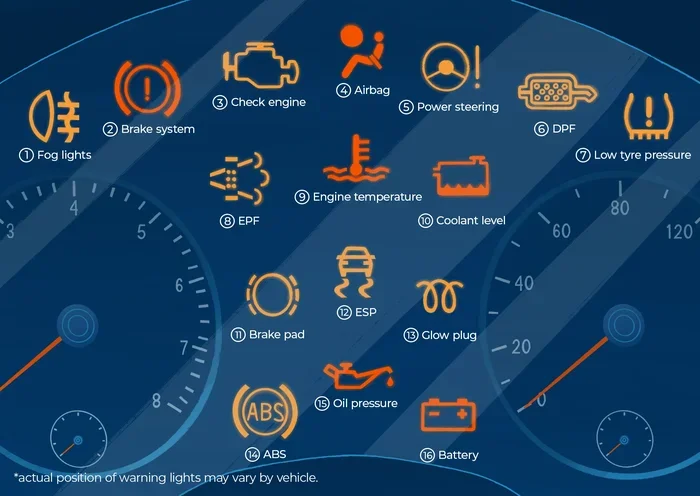
You start your car, glance at the dashboard, and notice it. That little airbag warning light is glowing on your instrument panel. Maybe you saw it yesterday too. Maybe it has been there for weeks. Either way, it is hard not to worry. Your passenger airbag disabled warning is not something you should brush off. It means your vehicle has detected a problem with the front passenger airbag system. And that problem could mean the difference between a safe stop and a serious injury in a crash.
So what exactly does it mean when your passenger airbag is disabled? Why would your car turn off one of its most important safety features? And more importantly, how do you fix it? In this guide, we will walk you through every common reason your passenger airbag might be turned off. We will also give you clear, step-by-step instructions on how to fix it yourself or know when to call a professional. Let us get into it.
Key Takeaways
- Sensor Issues Are the #1 Culprit: A faulty seat weight sensor or occupant detection module is the most common reason your passenger airbag gets disabled.
- Child Seats Trigger Auto-Deactivation: Many modern vehicles automatically disable the front passenger airbag when they detect a rear-facing child seat.
- You Can Fix It Yourself in Some Cases: Simple fixes like removing debris from the seat or resetting the SRS module can solve the problem without a mechanic.
- Warning Lights Should Never Be Ignored: The airbag warning light on your dashboard is your first clue that something is wrong with the system.
- Professional Help May Be Needed: Complex issues like a damaged airbag control unit or wiring problems require expert diagnosis and repair.
- Regular Maintenance Helps Prevent Issues: Keeping your seat sensors clean and your SRS system inspected can stop problems before they start.
- Safety Should Always Come First: A disabled airbag means reduced protection in a crash, so fixing the issue promptly is essential for every passenger.
📑 Table of Contents
- What Does It Mean When Your Passenger Airbag Is Disabled
- Common Reasons Why Your Passenger Airbag Gets Disabled
- How the Occupant Detection System Works
- Step-by-Step Guide to Fixing a Disabled Passenger Airbag
- Preventing Future Passenger Airbag Issues
- When You Should See a Professional Mechanic
- Key Takeaways
What Does It Mean When Your Passenger Airbag Is Disabled
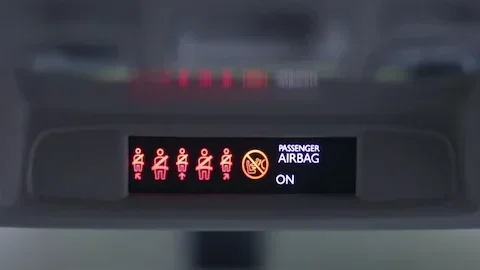
When your car shows a passenger airbag disabled message, it means the airbag system for the front passenger seat has been turned off. The airbag will not deploy in a crash if it is disabled. This is a serious safety concern because the front passenger seat is used every day by adults, teens, and sometimes even children.
Modern vehicles use a smart system called the occupant detection system. This system decides whether the airbag should be active or not. It checks things like seat weight, seat position, and whether someone is sitting in the seat. If the system thinks deploying the airbag could cause harm, it disables it on purpose. This is actually a safety feature in itself. But when it activates incorrectly, it becomes a problem.
How the Airbag System Works in Simple Terms
Your car’s airbag system is part of the SRS, which stands for Supplemental Restraint System. Think of it as a backup safety system that works alongside your seatbelts. When your car detects a sudden stop or impact, sensors send a signal to the airbag control unit. That unit then triggers the airbag to inflate in milliseconds. The whole process happens faster than you can blink.
For the front passenger seat, the system adds extra layers of checks. It needs to know if there is actually a person sitting there. It needs to know how much they weigh. And it needs to know if they are sitting too close to the dashboard. All of this information helps the system decide whether to deploy the airbag or keep it off.
Common Reasons Why Your Passenger Airbag Gets Disabled
There are several reasons your passenger airbag disabled warning might show up. Some are simple fixes. Others need a bit more attention. Let us look at the most common causes.
1. Faulty Seat Weight Sensor
Your front passenger seat has a weight sensor built into the cushion. This sensor tells the car whether someone is sitting there and how much they weigh. If the sensor is broken or dirty, it cannot send the right signal. When that happens, your car may assume the seat is empty and disable the airbag.
This is one of the most frequent reasons for a passenger airbag disabled message. Small objects like coins, phones, or even spilled drinks can interfere with the sensor. Sometimes the sensor just wears out over time. Either way, the result is the same, your airbag stays off when it should be on.
2. Child Safety Seat Detection
Many newer cars have a feature that automatically detects when a child seat is placed in the front passenger seat. When it detects a rear-facing child seat, the car will disable the passenger airbag on purpose. This is because deploying a full-power airbag near a small child can cause serious injury.
If you have removed the child seat but the airbag stays disabled, the sensor might still think it is there. This can happen if the seat leaves a heavy imprint on the sensor or if the system needs a reset. In this case, the passenger airbag disabled light stays on even though the seat is empty.
3. Wiring or Connector Problems
Under your passenger seat, there is a bundle of wires that connects the seat to the airbag control module. These wires carry signals back and forth constantly. If a wire gets pinched, corroded, or damaged, the connection breaks. When the system loses communication with the seat, it defaults to disabling the airbag as a safety measure.
This type of problem is common in older vehicles or cars that have had seats removed and reinstalled. Even a slightly loose connector under the seat can trigger the passenger airbag disabled warning. Sometimes rodents or moisture can also damage the wiring over time.
4. Failed Occupant Classification Sensor
Some vehicles use what is called an occupant classification sensor. This is a more advanced system that tries to figure out who is sitting in the passenger seat. Is it an adult male? A small woman? A child? The system uses this information to decide how powerful the airbag deployment should be.
If this sensor fails, it cannot classify the occupant. And when it cannot classify the occupant, it disables the airbag. This is a built-in safety feature. A system that does not know who is in the seat should not guess how to deploy the airbag. But it is still frustrating when your airbag is off and you do not know why.
5. Airbag Control Module Fault
The airbag control module is the brain of your entire airbag system. It receives data from all the sensors and makes split-second decisions. If the control module itself has a fault, it can disable the passenger airbag even if every other part is working fine.
Module faults can happen after a minor collision, even a small fender bender. Water damage under the dashboard can also harm the module. In some cases, a software glitch can cause the module to throw an error and shut down the passenger airbag. When this happens, you need a professional diagnosis to get it sorted out.
6. Previous Accident or Airbag Deployment
If your car has been in a crash before, the airbag system may have been permanently altered. Once an airbag has deployed, the system is designed to disable itself until all the parts are replaced and the system is reset. Even if only the passenger side airbag was involved, the entire system can be affected.
Sometimes the passenger airbag disabled warning shows up after a repair that was not done properly. If the airbag module was not correctly reset or the sensors were not recalibrated, the system will keep the airbag off. This is a common issue with used cars where the accident history is not fully known.
How the Occupant Detection System Works
Understanding how your car detects passengers can help you understand why the airbag gets disabled. The system is actually quite clever, but it relies on several working parts to function correctly.
The main components include:
- Seat weight sensor: Measures how much weight is on the seat.
- Occupant classification sensor: Determines the size and position of the occupant.
- Seat position sensor: Tracks how far back or forward the seat is.
- Airbag control module: Processes all the data and makes deployment decisions.
- Warning light system: Alerts you when something is wrong with the airbag system.
All of these parts work together. If even one part fails, the whole system can shut down. That is why a passenger airbag disabled message can come from so many different sources. The system is designed to be cautious. It would rather disable the airbag than risk deploying it incorrectly.
Why Your Car Chooses Safety Over Convenience
Car manufacturers design airbag systems to prioritize safety above all else. If the system detects any uncertainty, it will disable the airbag rather than risk a bad deployment. This might seem annoying, but it is actually a smart design choice. A wrongly deployed airbag can cause injuries just as easily as a missing airbag can.
For example, if the seat weight sensor reads an unusually low weight, the system might think there is a small child or an object on the seat. In that case, it will reduce or eliminate the airbag power. This protects the small occupant from being hurt by a full-force airbag. The system is doing its job, even if it feels like it is being overly cautious.
Step-by-Step Guide to Fixing a Disabled Passenger Airbag
Now for the part you have been waiting for, how do you actually fix a disabled passenger airbag? The answer depends on what is causing the problem. Here is a breakdown of the steps you can take.
Step 1: Check for Obvious Issues
Start with the simple stuff. Look at the passenger seat and check for anything that might be interfering with the sensor. Remove any heavy objects, cushions, or covers that are not factory-made. Sometimes a thick blanket or an aftermarket seat cover can trick the weight sensor into thinking the seat is empty.
Next, check the seat for any visible damage. Look under the seat for loose wires or connectors. If you see anything out of place, do not try to fix it yourself unless you are comfortable working with car electronics. Just move on to the next step.
Step 2: Turn the Ignition On and Off
Sometimes a simple reset can clear the passenger airbag disabled warning. Turn the ignition to the “on” position without starting the engine. Wait for about 30 seconds. You should see the airbag light come on and then turn off. If it stays on, the system has detected a real problem that needs further attention.
Turn the car off and wait about a minute. Then start the car again and check the dashboard. If the warning light goes away, your airbag system has reset. This simple trick works surprisingly often, especially after you remove an object that was interfering with the sensor.
Step 3: Use an OBD-II Scanner to Read Fault Codes
If the simple reset does not work, it is time to dig deeper. An OBD-II scanner is a small device that plugs into your car’s diagnostic port. You can find the port under your dashboard on the driver’s side. Plug in the scanner and it will read the fault codes stored in your car’s computer.
Look for codes related to the airbag system, specifically codes starting with “B” for body systems. Common codes include:
- B1000: Airbag control module fault
- B1005: Passenger airbag circuit malfunction
- B1010: Passenger airbag deployment sensor
- B1015: Occupant classification sensor error
- B1950: Seat occupancy sensor circuit
Write down any codes you see. These codes will tell you exactly what part of the system is failing. You can look up the codes online or share them with your mechanic. This saves time and money because you will know exactly what needs to be fixed.
Step 4: Inspect and Clean the Seat Sensor
In many cases, the seat weight sensor simply needs a good cleaning. Dust, dirt, and debris can build up under the seat cushion and interfere with the sensor readings. Remove the seat cushion if you can and look for the sensor pad. Use a soft, dry cloth to gently clean the surface.
Do not use water or cleaning chemicals on the sensor. Just a dry cloth is fine. Also, check the area under the seat for any small objects that might be pressing on the sensor. Coins, pens, and even loose change can cause false readings that trigger the passenger airbag disabled warning.
Step 5: Replace Faulty Sensors or Components
If cleaning and resetting do not solve the problem, you may need to replace a part. The most common replacement parts include:
- Seat weight sensor pad: Usually located under the passenger seat cushion.
- Occupant classification sensor: Often built into the seat frame or the seat belt buckle area.
- Airbag control module: Located under the dashboard or in the center console area.
- Wiring harness connectors: Found under the passenger seat.
Replacing sensors is usually a straightforward job if you are handy with basic tools. You can find replacement parts at auto parts stores or online. Make sure to get the correct part for your specific vehicle make and model. If you are not comfortable doing the repair yourself, take your car to a trusted mechanic.
Step 6: Reset the Airbag System After Repair
Once you have replaced the faulty part, you need to reset the airbag system. Use your OBD-II scanner to clear the fault codes. Then turn the ignition on and off a few times to let the system recheck itself. The airbag warning light should turn off after the system completes its self-test.
If the light stays on after you have replaced the part and cleared the codes, there may be another issue you have not addressed. Go back and double-check all the connections and sensors. Sometimes fixing one problem reveals another that was hidden before.
Quick Tips for a Smooth Repair
Here are some quick tips that can make your repair process easier and safer:
- Always disconnect the car battery before working on any airbag components. Airbags can deploy accidentally and cause serious injury.
- Wait at least 10 minutes after disconnecting the battery before touching any airbag parts. This gives the system time to fully discharge.
- Keep your vehicle manual handy. It has specific instructions for your car’s airbag system and diagnostic procedures.
- Take photos before you disconnect any wires so you can remember how everything goes back together.
- Do not rush. Take your time and work carefully, especially around the airbag components.
Preventing Future Passenger Airbag Issues
Once you have fixed your passenger airbag disabled problem, you will want to keep it from happening again. Prevention is always better than repair, and there are several simple things you can do to protect your airbag system.
Keep the Passenger Seat Clean
Dust and debris are the enemies of your seat sensors. Make it a habit to vacuum under the passenger seat regularly. Spills can also damage sensors if they seep down into the seat frame. Clean up any liquid spills quickly and thoroughly to prevent moisture damage.
Avoid Aftermarket Seat Covers and Cushions
Those fancy seat covers and extra cushions might look great, but they can interfere with the weight and occupancy sensors. If you must use aftermarket products, make sure they are designed to be compatible with your vehicle’s airbag system. Look for products that specifically mention airbag compatibility.
Get Regular SRS System Checkups
Just like you get your oil changed, you should have your SRS system checked periodically. A mechanic with the right diagnostic tools can spot small problems before they turn into big ones. Many shops will check your airbag system as part of a routine service, especially if your car is getting older.
Pay Attention to Warning Signs
Your car gives you plenty of warning before a major airbag failure. The dashboard light is the most obvious sign. But you might also notice other symptoms like a clicking sound when you adjust the seat or intermittent warning lights. Do not ignore these signs. The earlier you catch an airbag problem, the easier and cheaper it is to fix.
Be Careful With Seat Modifications
If you have heated seats, seat warmers, or any other modifications, make sure they are installed correctly. Poorly installed electrical additions can interfere with the airbag wiring. Always have modifications done by a professional who understands your vehicle’s SRS system.
When You Should See a Professional Mechanic
There are some problems that are simply too complex or too dangerous to DIY. You should see a professional mechanic if:
- The airbag warning light stays on after you have tried all the basic fixes.
- Your OBD-II scanner shows a code related to the airbag control module.
- You suspect water damage or corrosion under the dashboard.
- Your car has been in a collision and the airbag system needs to be fully restored.
- You are not comfortable working with electrical components or airbag parts.
- The passenger airbag keeps getting disabled even after you have replaced the sensor.
A qualified mechanic has the tools, training, and experience to diagnose and fix complex airbag issues safely. They can also check your vehicle’s crash test safety rating to make sure the airbag system is fully restored to factory standards. It is always better to spend a little extra money on professional help than to risk driving with a broken airbag system.
Finding the Right Mechanic for Airbag Repairs
Not every mechanic is comfortable working on airbag systems. When you call for a quote, ask if the shop has experience with SRS diagnostics and repairs. Look for ASE-certified technicians who specialize in electrical or collision repair. A good mechanic will explain the problem clearly, give you a detailed estimate, and make sure the system is fully tested before you drive away.
Key Takeaways
- A disabled passenger airbag is a serious safety issue: It means your front passenger is not fully protected in a crash. Always take the warning seriously and address it promptly.
- Common causes include faulty sensors, child seat detection, wiring problems, and module faults: Most of these issues can be diagnosed with an OBD-II scanner.
- Simple fixes like cleaning the sensor or resetting the system often solve the problem: Try these steps before moving on to more expensive repairs.
- Always disconnect the battery before working on airbag components: Safety comes first. Airbag parts can deploy unexpectedly and cause injury.
- Prevention is possible with regular maintenance and care: Keep the seat clean, avoid interfering with sensors, and get periodic SRS checkups.
- Know when to call a professional: Complex airbag issues need expert attention. Do not risk your safety by attempting repairs you are not confident about.
- Your vehicle manual is your best friend: It contains specific information about your airbag system, diagnostic procedures, and reset instructions for your particular model.
Frequently Asked Questions
Can I drive safely with the passenger airbag disabled?
It is not recommended. A disabled airbag means your front passenger has reduced protection in a crash. If you must drive, make sure the passenger seat is empty or that any occupant is properly buckled in. However, you should get the airbag system fixed as soon as possible to restore full safety protection.
How much does it cost to fix a disabled passenger airbag?
The cost varies widely depending on the cause. Simple fixes like cleaning a sensor or resetting the system cost nothing. Replacing a seat weight sensor typically runs between $100 and $300. A new airbag control module can cost anywhere from $200 to $800. Professional labor adds to the cost, so getting a proper diagnosis first is always a smart move.
Will disconnecting the battery reset the passenger airbag light?
Disconnecting the battery for 15 to 30 minutes can sometimes reset the airbag system and turn off the warning light. However, this is only a temporary fix if the underlying problem is not resolved. The light will usually come back on once the system detects the same fault again during its next self-test cycle.
Can a child seat in the front cause the passenger airbag to disable?
Yes, absolutely. Many modern vehicles have a built-in feature that detects when a rear-facing child seat is placed in the front passenger seat. The system automatically disables the airbag to prevent injury to the child. If you remove the child seat and the light stays on, you may need to manually reset the system or clean the sensor.
Is it safe to replace the airbag control module myself?
Replacing the module is possible for DIYers with automotive experience, but it comes with risks. Airbag systems store electrical energy even when the car is off. If you mishandle the module or the wiring, the airbag could deploy unexpectedly. If you are not confident, it is best to let a professional handle the replacement.
How can I tell if my passenger airbag sensor is bad?
The most obvious sign is the airbag warning light staying on your dashboard. You can also use an OBD-II scanner to read fault codes related to the passenger airbag circuit or occupant classification sensor. If the scanner shows a sensor-related code and cleaning the sensor does not fix it, the sensor likely needs to be replaced.
=== CONCLUSION ===
A passenger airbag disabled warning is not something to ignore. It is your car telling you that an important safety feature is not working properly. Whether the cause is a dirty sensor, a child seat detection issue, a wiring problem, or a faulty control module, the good news is that most of these problems can be fixed. You have the power to diagnose and repair many of them yourself with the right tools and a little patience.
Start with the simple steps. Clean the sensor, remove any interfering objects, and try a system reset. If those do not work, use an OBD-II scanner to read the fault codes. They will point you in the right direction. And if the problem turns out to be beyond your skill level, do not hesitate to call a professional mechanic. Your safety and the safety of your passengers are worth it.
Remember, the airbag system is one of the most important safety features in your vehicle. Keeping it in good working order is not just about passing an inspection. It is about protecting the people you care about every time you hit the road. Take care of your passenger airbag disabled issue today, and drive with confidence knowing your safety system is ready to protect you when you need it most.