Why Is My Car Saying Traction Control Off Right Now
When your car says traction control off, it usually means the system has been manually disabled or a sensor is malfunctioning. This warning can appear due to a faulty wheel speed sensor, a blown fuse, or low battery voltage. Understanding the traction control system helps you stay safe and avoid costly repairs.
You are driving down the road, minding your own business, when suddenly a message pops up on your dashboard. It reads, “Traction Control Off.” Your heart skips a beat. What does it mean? Should you pull over? Is your car broken? Relax. In most cases, this warning is not a death sentence for your vehicle.
The traction control system is one of the most important safety features in modern cars. It helps your wheels maintain grip on slippery roads. When the system says it is off, it means that helper has stepped away from the job. This article explains exactly why this happens, what causes it, and how you can fix it.
Whether you are a new driver or a seasoned commuter, understanding your dashboard warning lights is essential. You do not need to be a mechanic to grasp the basics. By the end of this guide, you will know exactly what to do when your car says traction control off.
Key Takeaways
- Traction control off warnings are common and usually easy to fix with basic diagnostics.
- A faulty wheel speed sensor is the most frequent cause of the traction control light.
- Driving with traction control off is safe on dry roads but risky on wet or icy surfaces.
- Resetting the system often resolves the issue after addressing the root cause.
- Ignoring the warning can lead to reduced vehicle stability and unsafe driving conditions.
- Regular maintenance of your ABS and stability systems prevents most traction control problems.
📑 Table of Contents
What Does the Traction Control Off Message Mean?
The message “Traction Control Off” is your car telling you something important. It means the traction control system is not currently active. This system normally helps prevent your wheels from spinning out when you accelerate. Without it, your car may lose grip more easily, especially on wet or icy roads.
There are two main reasons this message appears. The first is that you or someone else pressed the traction control button and turned it off manually. The second is that the car detected a problem and shut the system down automatically. Both situations are worth understanding.
Manual Deactivation
Many cars have a traction control off button. It is usually found on the center console or steering wheel. Some drivers turn it off when they are stuck in snow or mud. The system allows the wheels to spin freely, which can help you gain momentum. Once you are unstuck, you should turn it back on.
Automatic Deactivation
Your car can also turn off traction control on its own. This happens when it detects a fault in the system. Common triggers include a bad sensor, a wiring issue, or a problem with the electronic stability control module. When this happens, the warning light stays on until the issue is resolved.
Common Reasons Why Your Car Says Traction Control Off
Now let us get into the meat of the matter. Why does your car say traction control off? There are several reasons, and some are more serious than others. Let us walk through the most common ones.
Faulty Wheel Speed Sensor
This is the number one culprit. Your car has sensors on each wheel that measure how fast they are spinning. These are called wheel speed sensors. They also feed information to the ABS system. If one sensor fails or gets dirty, the traction control system cannot work properly. The car then shuts the system off and displays the warning.
Symptoms of a bad wheel speed sensor include:
- The traction control light stays on constantly
- The ABS light also comes on
- Your car vibrates when braking on wet roads
- You notice erratic speedometer readings
Low Battery Voltage
Your car’s electrical system powers the traction control module. If your battery is weak or dying, the module may not get enough power. This causes the system to disable itself. A low battery voltage issue often comes with other electrical problems too, like dim headlights or slow cranking.
Fixing this is simple. Get your battery tested at any auto parts store. Most stores do this for free. If the battery is old, replacing it usually solves the problem entirely.
Blown Fuse or Wiring Problem
Every system in your car relies on fuses and wiring. The traction control system is no different. A blown fuse can cut power to the entire system. Corroded wires or loose connections can also cause the same issue. This is more common in older vehicles or cars that have been through rough weather.
Faulty Traction Control Module
The traction control module is the brain of the system. It processes data from the wheel speed sensors and tells the car how to respond. If this module fails, the system goes offline. A bad module is less common than a bad sensor, but it is more expensive to repair. You will need a professional mechanic to diagnose and replace it.
Road Surface Conditions
Sometimes the message is not a warning at all. On very icy or loose surfaces, the traction control system may disengage temporarily. The car does this to prevent damage to the drivetrain. Once you reach a normal road surface, the system usually turns back on by itself.
Aftermarket Modifications
Did you recently install new tires, lift your suspension, or change your wheels? These modifications can affect how the traction control system works. Larger tires change the wheel speed readings. The car’s computer may see this as a fault and disable the system. Always check compatibility when making changes to your vehicle.
How the Traction Control System Works
Understanding how the system works helps you appreciate why it matters. The traction control system works closely with the anti-lock braking system, or ABS. Together, they keep your car stable and safe.
Here is how it works in simple terms:
- The wheel speed sensors monitor how fast each wheel is spinning.
- If one wheel starts spinning faster than the others, the system detects a loss of traction.
- The traction control module sends a signal to reduce power to that wheel.
- It may also apply the brake lightly to that wheel to slow it down.
- Your car regains grip and continues moving safely.
This entire process happens in milliseconds. You do not even notice it happening. But when the system is off, you lose this layer of protection. That is why the warning message should never be ignored for long.
The electronic stability control system builds on traction control. It also monitors your steering input and helps keep the car on its intended path. Both systems rely on the same sensors and modules. A problem in one often affects the other.
When Is It Safe to Drive with Traction Control Off?
This is a question many drivers ask. The short answer is: it depends on the road conditions.
On a dry, clear road, driving with traction control off is generally safe. The system is mainly designed to help on slippery surfaces. If the roads are dry and your tires are in good shape, you can drive short distances with the system disabled.
However, you should avoid driving with traction control off in these situations:
- Heavy rain or standing water on the road
- Snowy or icy conditions
- Gravel or loose dirt roads
- Curvy or mountainous terrain
- High-speed driving
In these conditions, the traction control system is your best friend. Without it, your wheels can spin uncontrollably. This increases your risk of an accident. Always turn the system back on as soon as conditions improve.
Quick Tip
If you accidentally turned off traction control, look for the traction control button on your console. Press it once to turn the system back on. The warning message should disappear within a few seconds. If it does not, you have a deeper issue to address.
How to Fix the Traction Control Off Warning
So your car says traction control off and you want to fix it. Here are the steps you can take, from easiest to most complex.
Step 1: Check if the System Was Manually Turned Off
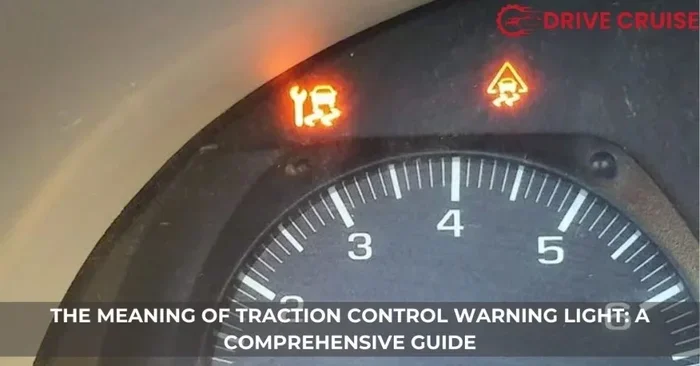
Start with the simplest fix. Look for the traction control button. It is often labeled with a car icon and squiggly lines underneath. Press it to turn the system back on. This solves the problem more often than you might think.
Step 2: Inspect the Wheel Speed Sensors
Go to each wheel and look at the sensor. Is it covered in dirt or debris? Clean it gently with a cloth. Sometimes a simple cleaning restores the connection. If the sensor looks damaged, you will need to replace it. Wheel speed sensors are relatively affordable and easy to swap out.
Step 3: Check the Battery Voltage
Use a multimeter to test your battery. A healthy battery should read around 12.6 volts when the engine is off. If it reads below 12 volts, your battery may be the problem. Consider replacing it or having it recharged.
Step 4: Check for Blown Fuses
Open your fuse box and look for the fuse labeled “Traction Control” or “ABS.” A blown fuse will have a broken wire inside. Replace it with a fuse of the same amperage. This is a cheap and easy fix that many people overlook.
Step 5: Use an OBD2 Scanner
If the simple steps do not work, it is time for an OBD2 scanner. This tool plugs into your car’s diagnostic port and reads error codes. You can buy one for under $30 at most auto parts stores. The codes will tell you exactly which sensor or module is causing the problem.
Common codes related to traction control issues include:
- C0034: Left Front Wheel Speed Sensor Circuit
- C0035: Right Front Wheel Speed Sensor Circuit
- C1200: ABS Control Module Communication Error
Step 6: Visit a Mechanic
If you have tried everything and the warning persists, see a professional. A mechanic can perform a deep diagnostic and replace faulty parts. Trustworthy mechanics will give you a clear explanation and honest pricing. Do not delay this step if the warning stays on.
Common Mistakes to Avoid
- Ignoring the warning light — this is the biggest mistake drivers make
- Driving in bad weather with traction control disabled
- Replacing parts without diagnosing the real issue
- Using the wrong fuse when replacing a blown one
- Assuming the problem is gone without clearing the error code
Expert Insight
According to automotive experts at major repair chains, most traction control issues stem from dirty or damaged wheel speed sensors. Regular car washes that include the undercarriage can help prevent sensor buildup. A simple habit like this can save you from unexpected warnings and costly repairs down the road.
Preventing Traction Control Issues in the Future
Prevention is always better than cure. Here are some simple steps to keep your traction control system working properly.
- Keep your sensors clean. Regularly wash the areas around your wheels. Mud and road salt can coat the sensors and cause false readings.
- Check your battery regularly. A healthy battery keeps all your car’s electronic systems running smoothly.
- Replace worn tires promptly. Tires with low tread cannot maintain proper traction, which puts extra strain on the system.
- Do not ignore dashboard warnings. If a light comes on, address it early. Small problems become big ones fast.
- Follow your vehicle’s maintenance schedule. Regular servicing catches potential issues before they turn into real problems.
Taking care of your car pays off. A well-maintained vehicle not only runs better but also keeps you safer on the road. The traction control system is one of many features that work behind the scenes to protect you. Treat it well, and it will treat you well in return.
When to Seek Professional Help
Some problems are beyond a DIY fix. If you see the traction control warning along with the check engine light, do not delay. Similarly, if you notice your car pulling to one side, vibrating while braking, or losing power unexpectedly, get it checked immediately. These symptoms could point to a deeper issue with your drivetrain or anti-lock braking system.
A professional mechanic has the tools and training to diagnose complex problems quickly. They can also perform software updates on your car’s electronic control unit if needed. Do not hesitate to seek help when you need it. Your safety is worth more than a service bill.
Conclusion
Now you know the answer to the question, why is my car saying traction control off. The most common causes are a faulty wheel speed sensor, low battery voltage, a blown fuse, or a manually turned-off system. Most of these issues are easy and affordable to fix.
Do not ignore the warning. The traction control system is a vital safety feature. It works hand in hand with your ABS and stability control to keep you safe on the road. Taking care of it means taking care of yourself and your passengers.
Use the steps in this guide to diagnose and fix the problem. Start simple, work your way up, and do not be afraid to call a professional when needed. Your car will thank you for it, and you will drive with confidence knowing your safety systems are working as they should.
Frequently Asked Questions
Can I drive my car if the traction control is off?
Yes, you can drive short distances with traction control off on dry roads. However, it is not safe on wet, icy, or loose surfaces. The system helps prevent wheel spin and loss of control. Always turn it back on when road conditions are normal.
How much does it cost to fix a traction control sensor?
Replacing a wheel speed sensor typically costs between $100 and $300, including parts and labor. The sensor itself is usually under $50. The rest of the cost comes from diagnostic labor. Prices vary depending on your car model and where you live.
Will a dead battery cause the traction control light to come on?
Yes, a weak or dead battery can trigger the traction control off warning. The system needs stable electrical power to operate. If your battery voltage drops too low, the module may disable itself as a safety precaution. Replacing or recharging the battery often fixes this issue.
How do I reset the traction control system?
To reset the system, first turn off the engine. Wait for about 30 seconds. Then restart the car and press the traction control button to turn the system back on. If the warning persists, use an OBD2 scanner to clear the error codes. If the light stays on after resetting, there is an underlying issue that needs attention.
Is traction control the same as stability control?
They are related but not the same. Traction control prevents wheel spin during acceleration. Stability control goes further by helping you maintain control of the car during sharp turns or sudden maneuvers. Both systems share sensors and modules but serve slightly different purposes. Most modern cars have both features active at the same time.
Can bad tires cause the traction control light to come on?
Yes, worn or mismatched tires can trigger the traction control warning. Different tire sizes cause the wheel speed sensors to read inconsistent speeds. The car may interpret this as a traction problem and disable the system. Always use the correct tire size and keep your tires properly inflated.