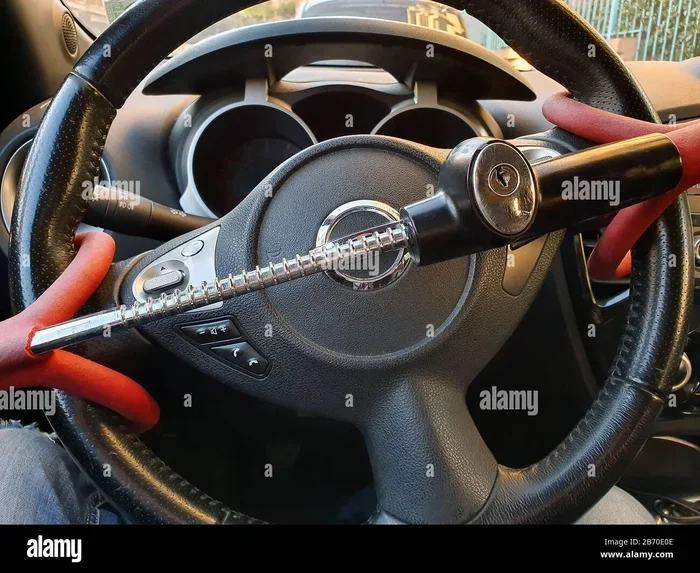
What Would Cause a Steering Wheel to Lock Up While Driving
A steering wheel lock up while driving can happen for several reasons, from low power steering fluid to a failing ignition switch. Understanding the causes helps you stay safe and avoid costly repairs. This guide covers the most common culprits, warning signs, and practical fixes for a locked steering wheel.
Few things on the road are as frightening as a steering wheel lock up while driving. One moment you are cruising along, and the next, your car refuses to turn. It is a terrifying experience that can leave even the most confident driver feeling helpless.
But here is the good news. Most causes of a steering wheel lock up are preventable or fixable. The key is knowing what to look for and how to respond. Steering wheel lock up issues can stem from simple problems like low fluid levels or more serious concerns like a damaged steering column. This article breaks down every possible cause, gives you clear steps to handle the situation, and shares tips to keep your steering system in top shape.
Whether you are a new driver or have been on the road for years, understanding what causes a steering wheel to lock up while driving is essential. It could be the difference between a minor fix and a major accident. Let us dive in.
Key Takeaways
- Low power steering fluid is one of the most common reasons a steering wheel locks up while driving.
- Ignition lock mechanism failure can cause sudden steering wheel jam and loss of control.
- Steering column damage or worn parts may lead to a car steering locked situation at speed.
- Anti-theft steering lock systems can sometimes malfunction and engage unexpectedly.
- Regular maintenance of the steering system helps prevent a steering wheel lock up while driving.
- Knowing what to do when your steering locks up can save your life in an emergency.
📑 Table of Contents
Understanding How a Steering Wheel Locks Up
Before we look at the causes, it helps to understand how your steering system works. Your car uses a power steering system to make turning the wheel smooth and easy. When something goes wrong in this system, the wheel can become stiff or completely lock.
A steering wheel jam usually happens when a mechanical part fails or seizes up. The system relies on fluid pressure, gears, and locks to function. If any one of these components fails, you may lose the ability to steer. Let us look at the most common reasons this happens.
How the Steering System Works
Your steering system connects the steering wheel to the front wheels. When you turn the wheel, a series of gears and linkages transfer that motion to the wheels. Power steering fluid helps reduce the effort needed to turn. Without it, steering becomes very hard, especially at low speeds.
The steering column is the rod that connects the wheel to the steering rack. It passes through the dashboard and is protected by a housing. Any damage to this column or its parts can cause a steering wheel stiffness or full lockup.
What Happens When the Steering Locks Up
When a steering wheel locks up, you lose the ability to change direction. At highway speeds, this is extremely dangerous. The car keeps moving straight, and you cannot steer around obstacles. In some cases, the ignition lock mechanism may also engage, which means you cannot turn the key.
A car steering locked situation can happen suddenly or gradually. Some drivers report that the wheel gets harder to turn over a few days before it locks completely. Others experience a total lockup with no warning at all. Both scenarios are serious and need immediate attention.
Common Causes of Steering Wheel Lock Up While Driving
Several issues can lead to a steering wheel lock up. Some are simple and cheap to fix. Others require professional repair. Let us go through each one in detail.
Low Power Steering Fluid
This is the most common cause of steering problems. Power steering fluid is the lifeblood of your steering system. It creates the pressure that helps you turn the wheel with ease. When the fluid level drops, the system loses pressure, and steering becomes hard or completely stiff.
Low fluid is often caused by a leak. You might notice a puddle under your car or hear a whining noise when you turn the wheel. If you ignore it, the pump can overheat and fail, leading to a full steering system failure.
Check your power steering fluid reservoir regularly. Top it off if needed, and look for leaks around the hoses and pump. Catching a leak early can save you from a locked steering wheel fix that costs much more.
Failing Steering Rack or Steering Gear
The steering rack is a core part of your steering system. It converts the rotational motion of the wheel into the side-to-side motion that turns your wheels. Over time, the rack can wear out or develop leaks.
A steering rack problem often starts with a slight looseness in the wheel. You might feel extra play or a delay when turning. As the damage gets worse, the wheel can become hard to turn and eventually lock up.
Steering rack issues are more common in older vehicles or cars with high mileage. Regular inspections can catch wear before it leads to a complete failure. If you notice any steering wheel vibration or unusual stiffness, get it checked right away.
Ignition Lock Mechanism Failure
The ignition lock is designed to prevent theft. When you turn the key to the off position, a locking pin engages and prevents the steering wheel from turning. This is a great security feature, but it can sometimes cause problems.
If the ignition lock mechanism wears out or gets stuck, it can engage even while you are driving. This creates a steering wheel lock up that is sudden and dangerous. The key may also get stuck, and you will not be able to restart the car.
This issue is more common in older cars or vehicles where the ignition switch has been turned frequently. If you notice any resistance or clicking when turning the key, it is worth having a mechanic inspect the ignition switch before it becomes a bigger problem.
Steering Column Damage
The steering column connects your steering wheel to the steering rack. It is a long rod that passes through the dashboard. If this column gets damaged, bent, or worn, it can cause a steering wheel jam.
Column damage can happen from a minor accident, a hard impact, or just general wear and tear. Sometimes, the internal parts of the column, called the collapsible steering column, can malfunction. This part is designed to fold in a crash and protect you, but if it gets stuck in the wrong position, it can lock your steering.
If you hear grinding or clicking noises when turning the wheel, the steering column may be the issue. Do not ignore these sounds. They are early warning signs of a serious problem.
Power Steering Pump Failure
The power steering pump creates the pressure that moves the fluid through your steering system. When the pump fails, you lose all hydraulic assistance. The steering wheel becomes incredibly hard to turn, and in extreme cases, it can lock up completely.
Pump failure is often caused by a leak, low fluid, or general wear. You might hear a loud groaning noise when you turn the wheel before the pump gives out entirely. If the pump fails while driving, you will feel a sudden increase in steering effort.
Replacing a power steering pump is not cheap, but it is far less expensive than dealing with a total loss of steering control. Keep your pump healthy by maintaining proper fluid levels and addressing leaks promptly.
Worn Steering Belt or Serpentine Belt
Many cars use a belt to drive the power steering pump. Over time, this belt can wear out, stretch, or break. A worn steering belt means the pump does not get the power it needs, and your steering loses its assist.
A broken belt will cause an immediate loss of power steering. The wheel becomes very hard to turn, especially at low speeds or when parking. While it rarely locks up completely, the sudden stiffness can catch you off guard and feel like a lockup.
Check your belts regularly as part of your routine car steering maintenance. A simple inspection can reveal cracks or fraying before the belt fails on the road.
Malfunctioning Anti-Theft Steering Lock
Modern cars come with anti-theft systems that include a steering wheel lock. This is a physical bar that locks the wheel in place when the ignition is off. It is a great security feature, but it can sometimes malfunction.
In rare cases, the anti-theft lock can engage while the car is running. This might happen if the system’s electronic components fail or if there is a short circuit. The result is a sudden car steering locked situation that is both confusing and dangerous.
If you have a newer car with electronic anti-theft features, keep your software updated. Some manufacturers release recalls or updates for steering lock issues. Check with your dealer if your vehicle is affected.
Debris or Foreign Object in the Steering System
Sometimes the cause is surprisingly simple. Debris, dirt, or even a small rock can get into the steering mechanism and cause a jam. This is more common in off-road vehicles or cars driven in harsh conditions.
Foreign objects can block the movement of gears or get lodged in the steering rack. This creates a steering wheel stiffness that can progress to a full lockup if not addressed.
If you have recently driven through mud, snow, or a construction zone, inspect your steering components for any trapped debris. A simple cleaning can often prevent a bigger problem.
Warning Signs Your Steering Wheel May Lock Up
The good news is that most steering problems give you warning signs before a full lockup occurs. Knowing these signs can help you take action before it is too late.
Stiff Steering Wheel
If your steering wheel feels harder to turn than usual, do not ignore it. Steering wheel stiffness is often the first sign of low power steering fluid or a failing pump. The earlier you catch it, the easier and cheaper the repair.
Unusual Noises When Turning
Grinding, whining, or clicking sounds when you turn the wheel are red flags. These noises often point to a steering column problem or a worn pump. Pay attention to what your car is telling you.
Vibration in the Steering Wheel
A vibrating steering wheel at certain speeds can indicate steering wheel vibration issues. This may be caused by worn steering components or alignment problems. Left unchecked, it can lead to more serious failures.
Fluid Leaks Under the Car
If you see a puddle of fluid under your car, check what type it is. Power steering fluid is usually clear or amber. A leak means your system is losing pressure, which can eventually lead to a lockup.
Difficulty Turning the Key
If the ignition key becomes hard to turn or gets stuck, the ignition lock mechanism may be failing. This is a direct link to steering wheel lock up and should be addressed immediately.
How to Handle a Steering Wheel Lock Up Safely
If your steering wheel locks up while you are driving, stay calm. Panic makes everything worse. Here is what you should do step by step.
Step 1: Grip the Wheel Firmly
Hold the steering wheel tightly with both hands. A locked wheel can sometimes vibrate or jerk, so a firm grip gives you more control over the vehicle.
Step 2: Ease Off the Gas
Slow down gradually by taking your foot off the accelerator. Do not slam on the brakes. This gives you more time to assess the situation and reduces the risk of a skid.
Step 3: Use Your Brakes Gently
Apply the brakes lightly and steadily. If your steering is locked, you may not be able to steer around traffic, so focus on slowing down safely.
Step 4: Pull Over to the Side
Once you have slowed down, guide the car to the side of the road. Turn on your hazard lights to alert other drivers. A locked steering wheel is a serious situation, and getting off the road quickly is your top priority.
Step 5: Call for Help
Do not try to keep driving with a locked steering wheel. Call roadside assistance or a tow truck. Continuing to drive in this condition can cause a complete loss of vehicle control.
Prevention Tips to Avoid Steering Wheel Lock Up
The best way to deal with a steering wheel lock up while driving is to prevent it from happening in the first place. Here are some practical steps you can take.
Check Power Steering Fluid Regularly
Make it a habit to check your power steering fluid at least once a month. Top it off as needed and look for any signs of leaks. Fresh, clean fluid keeps your steering system running smoothly.
Replace Belts and Hoses on Schedule
Follow your car manufacturer’s recommended maintenance schedule. Replacing worn belts and hoses before they fail can prevent sudden steering problems. It is a small cost that saves you from big headaches.
Listen to Your Car
Your car tells you when something is wrong. Unusual noises, stiffness, or vibrations are all signals. Do not ignore them. Early detection of steering system failure signs can save you from a dangerous situation.
Get Regular Steering System Inspections
Have a mechanic inspect your steering system at least once a year. They can spot worn parts, leaks, and other issues before they become serious. Think of it as a health checkup for your car.
Avoid Hitting Potholes and Road Debris
Potholes and road debris can damage your steering column and other components. Drive carefully and avoid rough roads when possible. If you must drive over a pothole, slow down as much as you can.
When to See a Mechanic
Some steering problems you can fix yourself, but others require a professional. Here are clear signs that it is time to see a mechanic.
- Your steering wheel locks up even once while driving.
- Power steering fluid is consistently low despite regular top-offs.
- You hear grinding or clicking noises when turning the wheel.
- The steering key gets stuck frequently in the ignition.
- You notice a burning smell while steering, which could indicate an overheating pump.
- Your car pulls to one side or feels unstable when turning.
Do not wait until the problem becomes an emergency. A locked steering wheel fix is much easier and cheaper when done early. A qualified mechanic can diagnose the root cause and recommend the right repair.
Conclusion
A steering wheel lock up while driving is a serious issue that demands your attention. Whether it is low power steering fluid, a failing ignition lock, or a damaged steering column, the causes are varied but mostly manageable with proper care. The key is to stay informed, watch for warning signs, and take action before a small problem becomes a dangerous one.
Regular maintenance is your best defense. Check your fluids, inspect your belts, and listen to what your car is telling you. When something feels off, do not wait. Get it checked by a professional.
Understanding what causes a steering wheel to lock up while driving empowers you as a driver. You can handle the situation calmly if it ever happens and take steps to prevent it in the future. Stay safe on the road, and keep your steering system in great shape.
Frequently Asked Questions
Can low power steering fluid cause a steering wheel to lock up?
Yes, low power steering fluid is one of the most common causes of steering wheel lock up while driving. Without enough fluid, the power steering system loses pressure, making the wheel extremely hard to turn and potentially causing a complete lockup.
Is a steering wheel lock up dangerous?
Absolutely. A steering wheel lock up while driving removes your ability to control the direction of the vehicle. This is especially dangerous at high speeds or in heavy traffic. If it happens, stay calm, slow down, and pull over safely.
How much does it cost to fix a locked steering wheel?
The cost varies widely depending on the cause. A simple fluid top-off might cost under $100, while replacing a steering rack or pump can range from $500 to $1,500 or more. Getting a diagnosis early helps keep costs down.
Can a steering wheel lock up due to the ignition switch?
Yes, a malfunctioning ignition lock mechanism can cause the steering wheel to lock up unexpectedly. This happens when the anti-theft lock engages while the car is still running. It is a serious issue that needs immediate professional attention.
What should I do if my steering wheel locks up on the highway?
Stay calm, grip the wheel firmly, ease off the gas, and apply the brakes gently. Pull over to the side of the road as safely as possible and turn on your hazard lights. Do not try to continue driving and call for roadside assistance.
How can I prevent my steering wheel from locking up?
Regular maintenance is the best prevention. Check power steering fluid levels, replace worn belts and hoses, and get annual steering system inspections. Listen for unusual noises or stiffness and address them promptly before they worsen.