Does a 2004 Toyota Tacoma Have a Timing Belt or Chain
The 2004 Toyota Tacoma uses a timing chain, not a timing belt, across all its engine options. This means fewer scheduled replacements and lower long-term maintenance costs for Tacoma owners. Understanding your truck’s timing system helps you make smarter decisions about engine maintenance and preventive care.
If you own or are thinking about buying a 2004 Toyota Tacoma, one question keeps popping up: does this truck use a timing belt or a timing chain? It is a simple question, but the answer matters a lot for your wallet and your engine’s long-term health.
Here is the short answer. The 2004 Toyota Tacoma uses a timing chain in every engine option it offered that year. Whether you have the base 2.7L four-cylinder or the more powerful 3.4L V6, your Tacoma relies on a metal chain to keep everything in sync. That is good news. Timing chains generally outlast timing belts by a wide margin, which means fewer trips to the shop and less money spent on routine maintenance.
In this guide, we are going to break down everything you need to know about the timing system in your 2004 Tacoma. We will cover what a timing chain does, why Toyota chose it over a belt, how to spot problems early, and what you can do to keep your chain running strong. Let us dive in.
Key Takeaways
- The 2004 Toyota Tacoma uses a timing chain: Both the 2.7L and 3.4L engines in the 2004 Tacoma come equipped with a timing chain, not a belt.
- Timing chains last longer than belts: A well-maintained timing chain can last the life of the engine, unlike belts that need regular replacement.
- Maintenance still matters: Even though chains are more durable, they can stretch or fail over time if neglected.
- Know the symptoms of chain wear: Rattling noises, rough idling, and check engine lights can signal timing chain issues.
- Belt vs chain matters for your wallet: Choosing a chain-equipped truck saves money on routine maintenance over time.
- Check your specific engine: The 2004 Tacoma came in multiple trims with different engines, but all use chains.
📑 Table of Contents
- What Engines Come in the 2004 Toyota Tacoma
- Timing Belt vs Timing Chain: What Is the Difference
- Does the 2004 Toyota Tacoma Use a Timing Belt or Chain
- Why Timing Chains Are Better for Your Tacoma
- How to Maintain Your Tacoma’s Timing Chain
- Common Timing Chain Problems to Watch For
- Should You Buy a Used 2004 Toyota Tacoma
- Final Thoughts
What Engines Come in the 2004 Toyota Tacoma
Before we get into the details of timing chains versus belts, it helps to know exactly what is under the hood. The 2004 Toyota Tacoma came in several configurations, and each one matters when we talk about engine components.
The 2.7L Four-Cylinder Engine (2TR-FE)
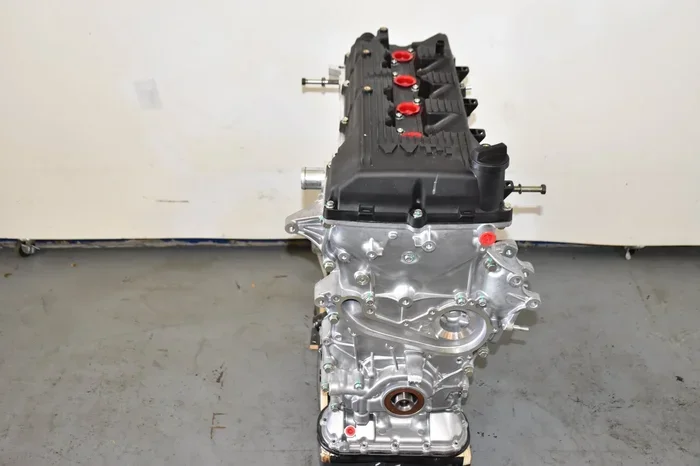
The base 2004 Toyota Tacoma trim came with a 2.7-liter four-cylinder engine. This engine produced about 150 horsepower and 177 pound-feet of torque. It was a workhorse engine designed for reliability and everyday driving. More importantly, this engine uses a timing chain system, not a belt. The chain connects the crankshaft to the camshaft, making sure the valves open and close at exactly the right time during each engine cycle.
The 3.4L V6 Engine (5VZ-FE)
If your Tacoma came with the 3.4-liter V6, you had more power under the hood. This engine produced around 190 horsepower and 220 pound-feet of torque. It was the go-to choice for folks who needed to haul or tow. The 3.4L V6 also uses a timing chain. Both engines in the 2004 Tacoma lineup share this design choice, which tells us Toyota valued durability in this generation of the truck.
For comparison, some other Toyota models from around the same era did use timing belts. If you have ever wondered about the 2004 Toyota Camry timing belt or when it needs replacing, that is a different story entirely. Different Toyota models use different approaches to engine timing, and knowing which one your vehicle has is the first step toward proper maintenance.
Timing Belt vs Timing Chain: What Is the Difference
Not everyone knows the difference between a timing belt and a timing chain. Both do the same core job, but they go about it in very different ways. Let us break it down simply.
What Does a Timing Belt Do?
A timing belt is a rubber belt with teeth on the inside. It sits outside the engine but is still protected by a cover. The belt connects the crankshaft to the camshaft and ensures the engine’s valves open and close in perfect sync with the pistons. Timing belts are quieter and cheaper to manufacture, which is why many automakers used them for years.
The downside is that timing belts wear out. They are made of rubber, and rubber degrades over time. Most manufacturers recommend replacing a timing belt every 60,000 to 100,000 miles. If a timing belt breaks, it can cause serious engine damage, especially in an interference engine where the pistons and valves can collide.
What Does a Timing Chain Do?
A timing chain is a metal chain that does the same job as a belt but with more durability. It is housed inside the engine and bathed in oil, which helps it stay lubricated and cool. Because it is metal, a timing chain does not stretch or degrade the way a rubber belt does. In theory, a well-maintained timing chain can last the entire life of the engine.
The tradeoff is that timing chains can be noisier than belts, and they cost more to replace if they do fail. But for most drivers, the chain will never need replacing during the lifetime of the truck.
Side-by-Side Comparison
| Feature | Timing Belt | Timing Chain |
|---|---|---|
| Material | Rubber with teeth | Metal links |
| Location | Outside the engine | Inside the engine |
| Lifespan | 60,000 to 100,000 miles | 100,000+ miles (often engine life) |
| Replacement Cost | Lower per service | Higher if replacement is needed |
| Noise Level | Quieter | Slightly louder |
| Maintenance Frequency | Regular intervals | Rarely needs replacement |
| Failure Risk | Higher over time | Lower but can stretch with age |
As you can see, the timing chain wins on longevity. That is exactly why Toyota chose it for the 2004 Tacoma. When you are shopping for a reliable Toyota truck, knowing that your engine uses a chain instead of a belt is a big advantage.
Does the 2004 Toyota Tacoma Use a Timing Belt or Chain
Let us be absolutely clear. The 2004 Toyota Tacoma uses a timing chain. Every single engine option from that model year comes with a chain. There is no timing belt in any version of the 2004 Tacoma.
This was a deliberate engineering choice by Toyota. The Tacoma was designed to be a tough, hardworking truck. A timing chain fits that mission better than a belt. Chains handle the heat and stress of heavy use much better than rubber belts do.
If you are coming from a vehicle that used a timing belt, this might feel like a relief. No more worrying about belt replacement intervals every 60,000 or 90,000 miles. The timing chain in your Tacoma is built to handle the road miles without needing routine replacement. That said, it is not completely maintenance-free. More on that in a moment.
Some people confuse the timing chain with other belts in the engine bay. Your Tacoma also has a serpentine belt that drives the alternator, power steering pump, and air conditioning compressor. That is a completely different component and does need periodic inspection and replacement. Do not mix up the serpentine belt with the timing chain, because they serve very different purposes.
Why Timing Chains Are Better for Your Tacoma
Toyota’s decision to use a timing chain in the 2004 Tacoma was not random. There are real, practical reasons behind this choice that benefit you as the owner.
Longer Lifespan Means Less Worry
The biggest advantage of a timing chain is its lifespan. A timing chain can easily last 150,000 miles or more, and many Tacoma owners report chains that go the full life of the engine without any issues. This is a huge advantage if you plan to keep your truck for a long time or put high mileage on it.
Think about it this way. If you drive 15,000 miles per year, a timing belt would need replacing at least once every five to seven years. Over a 15-year ownership period, that is two or three belt replacements. With a timing chain, you might never need to replace it at all.
Better Suited for Truck Use
The Tacoma is a truck. It gets used for hauling, towing, and tough driving conditions. A timing chain handles the extra heat and stress of heavy loads much better than a rubber belt. When you are towing a trailer or carrying a heavy load in the bed, your engine works harder. A metal chain is less likely to be affected by that extra strain.
Lower Long-Term Maintenance Costs
Yes, a timing chain replacement can be expensive if it ever becomes necessary. But the fact that you rarely need one more than makes up for it. Over the life of the truck, owners of chain-equipped vehicles spend significantly less on timing system maintenance compared to belt-equipped vehicles.
No Belt Replacement Intervals to Track
One of the hidden costs of a timing belt is the maintenance schedule. You need to remember when the belt was last replaced and plan for the next replacement. With a timing chain, you simply do not have that worry. It is one less thing on your maintenance checklist, which makes owning a Tacoma simpler and more convenient.
How to Maintain Your Tacoma’s Timing Chain
Even though a timing chain is more durable than a belt, it still needs proper care. Neglecting basic maintenance can lead to premature chain wear or stretching. Here is how to keep your chain in great shape.
Keep Up with Oil Changes
This is the single most important thing you can do for your timing chain. The chain sits inside the engine and relies on clean oil for lubrication. Dirty or old oil causes extra friction on the chain and its components, which leads to faster wear.
Follow Toyota’s recommended oil change interval, which is typically every 5,000 to 7,500 miles for the 2004 Tacoma. If you drive in severe conditions, such as extreme heat or heavy towing, consider changing your oil more frequently. Clean oil is the lifeblood of your timing chain.
Use the Right Oil
Not all motor oils are created equal. Use the grade of oil recommended in your Tacoma’s owner manual. For the 2004 Tacoma, Toyota typically recommends 5W-30 or 10W-30 oil depending on your climate. Using the wrong viscosity can lead to inadequate lubrication and increased wear on the chain and tensioner.
Listen for Unusual Noises
Your Tacoma will tell you when something is wrong if you know what to listen for. A faint rattling noise when you first start the engine can be an early sign of chain stretch. This is especially common in the morning when the oil is cold and not flowing as freely.
If you hear a rattling or ticking sound coming from the front of the engine, do not ignore it. Have a mechanic check it out as soon as possible. Catching a worn chain early can prevent much more expensive damage down the road.
Watch for Warning Signs
Beyond rattling noises, there are other signs of timing chain issues to watch for:
- Rough idling: If the chain has stretched significantly, it can cause the engine to idle roughly or inconsistently.
- Check engine light: A stretched chain can throw off the engine timing, triggering the check engine light.
- Poor fuel economy: When the timing is off, the engine does not run as efficiently, which means you burn more fuel.
- Engine misfires: A severely stretched chain can cause the valves to open at the wrong time, leading to misfires.
If you notice any of these symptoms, get your Tacoma inspected right away. The earlier you catch a timing chain issue, the less expensive the repair will be.
Stick to the Maintenance Schedule
Toyota provides a detailed maintenance schedule in the owner’s manual for the 2004 Tacoma. Follow it. Regular inspections allow a mechanic to check the chain tension, inspect the tensioner, and look for signs of wear before they become serious problems. Preventive maintenance is always cheaper than reactive repairs.
Common Timing Chain Problems to Watch For
While the timing chain in a 2004 Tacoma is built to last, no mechanical part is immune to problems. Here are the most common issues that Tacoma owners face with their timing chains.
Chain Stretch Over Time
The most common issue with any timing chain is stretching. Over hundreds of thousands of miles, the chain links wear against each other and gradually elongate. A stretched chain loses precision, which affects engine timing. This usually happens at very high mileage, but it can happen earlier if the truck has been poorly maintained.
Weak Timing Chain Tensioner
The tensioner keeps the chain taut and properly aligned. Over time, the tensioner can wear out or lose its spring tension. A weak tensioner allows the chain to slacken, which causes it to skip teeth on the sprockets. This is a serious issue that can lead to engine damage if not addressed quickly.
Oil Contamination
Dirty oil or oil that has not been changed regularly can cause accelerated wear on the chain and its guides. Contaminants in the oil act like abrasive particles, wearing down the chain links and tensioner components. This is why oil changes are so critical for chain longevity.
Guide Rail Wear
Some engines have plastic or metal guide rails that keep the chain aligned. These guides can wear out over time, causing the chain to vibrate and stretch prematurely. Replacing worn guide rails is a relatively inexpensive repair compared to replacing the entire chain assembly.
Should You Buy a Used 2004 Toyota Tacoma
The 2004 Tacoma is a popular used truck, and for good reason. It is known for reliability, toughness, and strong resale value. When you are evaluating a used Tacoma, knowing about the timing chain gives you confidence in the long-term ownership costs.
Before buying a used 2004 Tacoma, have the mechanic check the engine for any rattling noises. Ask for the maintenance records and verify that oil changes were done regularly. A well-maintained Tacoma with a healthy timing chain can easily serve you well for another 100,000 miles or more.
Also keep in mind that the overall condition of the truck matters. If you are looking at a Tacoma with high mileage, check for other common issues like suspension wear, rust, and transmission health. The timing chain is just one piece of the puzzle, but it is an important one.
Many owners wonder about the mileage on their Tacoma and whether it is too high. If you are curious about what constitutes a lot of miles for a Toyota truck, check out our guide on whether 200,000 miles is a lot for a Toyota Tundra. The principles apply to the Tacoma as well. A well-cared-for Toyota truck can handle high mileage with grace.
Final Thoughts
The 2004 Toyota Tacoma uses a timing chain, not a timing belt, and that is a great thing for owners. It means less frequent maintenance, lower long-term costs, and a durable engine component that can handle the demands of truck use. By keeping up with oil changes and watching for warning signs, you can ensure your Tacoma’s timing chain lasts for the life of the truck.
Whether you are a current Tacoma owner or shopping for a used one, understanding the timing chain gives you an edge. You will know what to maintain, what to watch for, and what to expect from this legendary Toyota truck. The 2004 Tacoma is a solid choice, and its chain-driven engine is just one more reason why it has earned such a strong reputation in the truck world.
Take care of your Tacoma, and it will take care of you. Keep the oil clean, listen for unusual sounds, and enjoy the miles. Your timing chain will be there working hard every step of the way.
Frequently Asked Questions
Does a 2004 Toyota Tacoma have a timing belt or chain?
The 2004 Toyota Tacoma uses a timing chain in both the 2.7L four-cylinder and 3.4L V6 engine options. There is no timing belt in any configuration of the 2004 Tacoma.
How long does the timing chain last on a 2004 Toyota Tacoma?
A well-maintained timing chain on a 2004 Tacoma can last 150,000 miles or more, and many owners report chains that last the full life of the engine. Regular oil changes are the key to maximizing chain lifespan.
What are the signs of a failing timing chain on a Tacoma?
Common signs include a rattling noise when starting the engine, rough idling, the check engine light coming on, poor fuel economy, and engine misfires. If you notice any of these symptoms, have your Tacoma inspected promptly.
Is a timing chain replacement expensive on a 2004 Tacoma?
Timing chain replacement can be costly because it is an internal engine repair that requires significant labor. However, the chain rarely needs replacing on a 2004 Tacoma if the truck has been properly maintained with regular oil changes.
Can I drive my 2004 Tacoma with a stretched timing chain?
It is not recommended. A stretched chain can cause the engine timing to slip, which may lead to poor performance, misfires, and in severe cases, engine damage. Have the chain inspected and replaced if needed as soon as possible.
How often should I change the oil on my 2004 Tacoma to protect the timing chain?
Toyota recommends oil changes every 5,000 to 7,500 miles for the 2004 Tacoma. If you tow frequently or drive in harsh conditions, consider shortening the interval to protect the timing chain and other internal engine components.
=== CONCLUSION ===
The 2004 Toyota Tacoma comes equipped with a timing chain, not a timing belt, across all engine options. This design choice reflects Toyota’s commitment to building durable, long-lasting trucks that can handle tough use without demanding frequent maintenance. The timing chain in your Tacoma is a reliable component that, with proper care, can serve you for the entire life of the vehicle.
By staying on top of oil changes, watching for warning signs of chain wear, and following Toyota’s maintenance schedule, you keep your Tacoma running strong for years to come. The timing chain is one of the reasons the 2004 Tacoma remains such a popular choice in the used truck market. It is a low-maintenance, high-durability component that rewards attentive ownership.
Whether you are already a Tacoma owner or considering buying one, understanding the timing system gives you the knowledge to make smart decisions about maintenance and long-term care. Keep this information in mind, share it with fellow Tacoma fans, and enjoy the confidence that comes with knowing your truck is built to last.