Why the Bottom View of a Car Matters More Than You Think
The bottom view of a car reveals hidden problems that can affect safety, performance, and value. Most drivers overlook the underside of their vehicle, but a simple inspection can catch rust, leaks, and damage early. Understanding what to look for saves money and keeps you safe on the road. This guide covers everything you need to know about the bottom view of a car and why it deserves your attention.
You probably never think about looking at the bottom of your car. You wash the outside, vacuum the interior, and check the tires. But what about the bottom view of a car? That overlooked perspective holds a treasure trove of information about your vehicle’s true health.
The underside of your car takes a beating every single day. It hits potholes, absorbs road salt, endures rain, and braves debris flying off the highway. Over time, all that punishment causes damage that you simply cannot see from the outside. The bottom view of a car gives you a clear picture of what is really going on beneath the surface.
Think of it this way. You would never buy a house without checking the foundation. So why would you ignore the foundation of your vehicle? The undercarriage is the literal foundation of your car. It holds everything together. From the suspension to the exhaust, from the fuel lines to the frame, it all lives underneath. A quick look at the bottom view of a car can save you thousands of dollars and keep you safe on the road.
Key Takeaways
- Early Problem Detection: The bottom view of a car exposes rust, leaks, and damage before they become costly repairs.
- Safety Comes First: A healthy undercarriage supports vehicle safety and reliable performance on every trip.
- Easy DIY Inspection: You can check the bottom of your car at home with basic tools and a few simple steps.
- Rust Is a Silent Killer: Undercarriage rust spreads fast and weakens critical structural parts over time.
- Protection Pays Off: Undercoating and regular cleaning dramatically extend the life of your car’s underside.
- Know When to Call a Pro: Some undercarriage issues need expert attention and specialized equipment.
📑 Table of Contents
- What Does the Bottom View of a Car Reveal?
- Common Problems Found in the Bottom View of a Car
- How to Inspect the Bottom View of a Car Yourself
- The Role of the Undercarriage in Vehicle Safety
- How to Protect the Bottom of Your Car
- When to See a Professional for Bottom View Inspection
- Key Takeaways
- Conclusion
What Does the Bottom View of a Car Reveal?
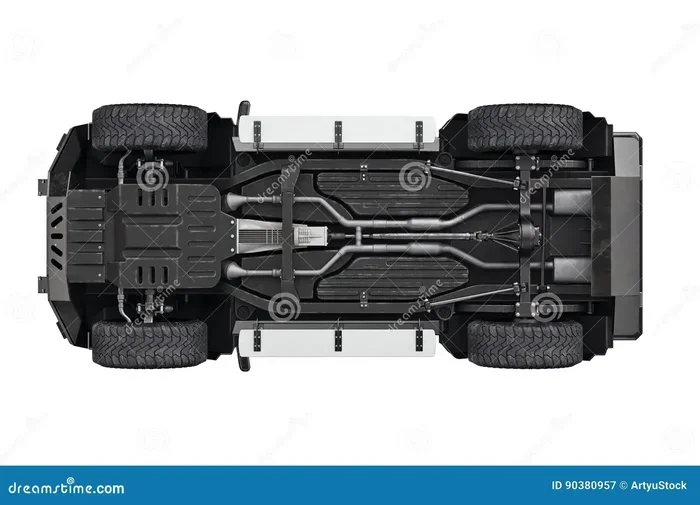
The bottom view of a car shows you parts of the vehicle that most people never see. When you look underneath, you are peering into the world of the car chassis and undercarriage. This is where the real story of your vehicle’s life is written. Every dent, every rust spot, and every fluid leak tells a story.
The Suspension System
Your car’s suspension system sits right there in the bottom view of a car. It includes shocks, struts, control arms, and bushings. These parts absorb bumps and keep your ride smooth. When you inspect the underside, you can spot worn-out shocks or leaking strut mounts. A bouncy ride or strange noises over bumps often points to suspension problems visible from below.
Look closely at the suspension components for any signs of grease or oil leaks. A well-lubricated suspension runs quietly and lasts longer. If you see grease flung around a joint, that means the bushing is worn and needs attention. Catching this early through a regular undercarriage inspection prevents expensive repairs down the road.
The Exhaust System
The exhaust system runs along the bottom of your car. It includes the catalytic converter, muffler, resonator, and pipes. In the bottom view of a car, you can easily spot rust holes in the exhaust or loose hangers. An exhaust leak not only creates a loud noise but also lets dangerous fumes into the cabin.
Check for black soot marks around pipe connections. These marks signal an exhaust leak that needs immediate attention. Also, listen for a loud rumbling sound when the car idles. That sound often comes from a hole in the exhaust system that you can see from below. A quick undercarriage inspection catches these issues before they become dangerous.
The Fuel and Brake Lines
Fuel lines and brake lines run underneath your vehicle. These are among the most important safety components in your car. In the bottom view of a car, you can check these lines for cracks, rust, or wet spots. A fuel line leak is extremely dangerous and must be fixed right away. Brake line problems can compromise your stopping power.
Use a flashlight when inspecting these lines. Look for any fluid drips or stains on the ground beneath the car after it has parked overnight. Brake fluid feels slippery and has a slightly oily texture. Power steering fluid is usually reddish. Transmission fluid is reddish-brown and smells burnt. Spotting these early signs in the vehicle underside can prevent catastrophic failures.
Common Problems Found in the Bottom View of a Car
Every car develops issues underneath over time. Some problems are minor. Others can be serious. Knowing what to look for makes the bottom view of a car a powerful diagnostic tool. Here are the most common problems you will find when you look beneath your vehicle.
Rust and Corrosion
Rust is the number one enemy of your car’s undercarriage. Road salt, moisture, and dirt combine to eat away at metal surfaces. In the bottom view of a car, rust often appears as orange or brown spots on the frame, exhaust, or fuel lines. Small surface rust might seem harmless at first. But left unchecked, it eats through metal and creates holes.
Undercarriage rust is especially common in cold climates where roads get salted in winter. Trucks and older vehicles are more prone to rust damage. If you see rust on the car chassis, do not ignore it. Surface rust can be treated with a wire brush and rust converter. But deep rust that weakens the frame requires professional repair or even part replacement.
Undercarriage Damage from Potholes and Debris
Potholes are brutal on a car’s bottom. Hitting a deep pothole at speed can dent the oil pan, bend suspension arms, or damage the exhaust. In the bottom view of a car, you might see scrapes, dents, or even holes in the undercarriage shielding. These dents may look cosmetic, but they can lead to rust and structural weakness over time.
Rock and debris damage is another common issue. Small stones can chip away at the undercarriage paint and expose bare metal. Over months and years, these tiny chips turn into rust spots. Drivers who frequently travel on gravel roads or construction zones should pay extra attention to the car undercarriage condition.
Fluid Leaks
Fluid leaks are one of the clearest warning signs you can find in the bottom view of a car. Different fluids have different colors and textures. Engine oil appears dark brown or black. Transmission fluid is reddish and slippery. Coolant is green, orange, or pink and has a sweet smell. Power steering fluid is usually clear or amber.
Finding a puddle under your car after parking is never a good sign. Small drips can become big problems fast. A leak in the car undercarriage means a component is failing or wearing out. Address fluid leaks immediately to prevent further damage to the engine, transmission, or braking system.
How to Inspect the Bottom View of a Car Yourself
You do not need a mechanic to check the bottom of your car. With a few simple tools and a little patience, you can perform a thorough undercarriage inspection at home. Regular DIY checks help you catch problems early and keep your car running strong.
What You Will Need
Gathering the right tools makes the job easier and safer. Here is what you need for a solid bottom view of a car inspection:
- A sturdy jack and jack stands or a ramp system
- A bright flashlight or LED work light
- A mirror on a stick to see hidden angles
- A clean rag or paper towels for wiping surfaces
- A tire pressure gauge
- Gloves and safety glasses for protection
Step-by-Step Inspection Process
Follow these steps to get a clear picture of your car’s underside. Perform this inspection at least once every three months or after any major road trip.
- Park on a flat surface and engage the parking brake. Never rely solely on a jack for support. Always use jack stands or drive onto ramps.
- Lift the car safely using a hydraulic jack. Place jack stands at the designated lift points. Double-check that the car is secure before going underneath.
- Start with the exhaust system. Look for rust holes, loose hangers, and any cracks in the pipes. Tap lightly on suspicious spots with a rubber mallet. A hollow sound means metal has eaten through.
- Move to the suspension components. Check the shocks and struts for leaks. Look at the control arms and bushings for cracks or tears. Shake each tire gently to check for looseness.
- Inspect the fuel and brake lines. Look for wet spots, rust, or cracks. Pay special attention to areas where lines connect to the car body.
- Examine the car chassis and frame. Look for rust, dents, or bends. The frame should be straight and solid. Any warping signals a serious structural issue.
- Check the undercarriage shielding. The plastic or metal splash guards protect vital components. Replace any broken shields to prevent debris damage.
- Look for fluid drips or stains. Use a clean rag to wipe suspicious areas. Fresh drips tell you exactly where the leak is coming from.
- Lower the car carefully and check the ground for any fresh fluid spots where you parked.
Quick Tips for a Better Inspection
- Inspect the bottom view of a car in daylight for the best visibility.
- Take photos of any damage you find. This helps track changes over time.
- Clean the underside before inspecting. A pressure wash removes dirt that hides problems.
- Do not rush. Take your time to look at every section carefully.
- Compare what you see to previous inspections. New dents or rust spots are red flags.
The Role of the Undercarriage in Vehicle Safety
Most people think about brakes and airbags when they think about car safety. But the undercarriage plays an equally important role. A strong, healthy undercarriage supports the entire vehicle. It absorbs road impacts, protects vital systems, and maintains structural integrity during a collision.
The car chassis is the backbone of the vehicle. It connects the wheels, holds the engine and transmission, and supports the body. When the undercarriage is damaged or corroded, the whole car becomes weaker. In a crash, a compromised frame may not absorb impact forces properly. This puts passengers at greater risk.
The suspension system, which lives in the bottom view of a car, directly affects handling and stability. Worn shocks or bent control arms make the car harder to control, especially in emergency maneuvers. Tires lose contact with the road more easily when the suspension is not working correctly. That means longer stopping distances and less predictable steering.
Brake lines and fuel lines run underneath the car. Damage to these lines from undercarriage corrosion or impact can lead to brake failure or fuel leaks. Both scenarios are extremely dangerous. Regular undercarriage protection and inspection keep these critical safety systems intact.
Why Undercarriage Rust Is So Dangerous
Rust weakens metal from the inside out. You might see surface rust on the outside, but the damage often goes much deeper. A rusted frame or suspension component can snap without warning. This is why the bottom view of a car demands your attention. Surface rust might look minor, but it can compromise the structural strength of your vehicle.
Rust also spreads quickly once it starts. A small rust spot on the exhaust can turn into a hole in just a few months. Rust on the fuel line can lead to a dangerous fuel leak. The key is to catch rust early through consistent undercarriage inspection and treat it before it spreads.
How to Protect the Bottom of Your Car
Prevention is always better than repair. Protecting the bottom view of a car from damage saves you time, money, and stress. A few simple habits can dramatically extend the life of your vehicle’s undercarriage.
Wash Your Car Regularly
Road salt, mud, and dirt are the biggest threats to your car’s underside. Washing the bottom of your car regularly removes these corrosive materials before they cause damage. During winter months, wash your car every two weeks if you drive on salted roads. Focus on the car undercarriage area where salt and grime build up the most.
Use a high-pressure washer at a car wash or at home. Aim the spray upward at the bottom of the car to blast away stuck-on dirt. Pay extra attention to the wheel wells, exhaust pipes, and frame rails. Clean these areas thoroughly to prevent salt buildup and early rust formation.
Apply Undercoating and Rust Proofing
Undercoating adds a protective layer to the bottom of your car. It seals out moisture and shields the metal from road debris. Many new cars come with factory undercoating, but it can wear away over time. Applying a quality undercarriage protection product every few years adds an extra layer of defense.
Rust proofing treatments go even further. They penetrate the metal surface and create a barrier against moisture and oxygen. Electronic rust proofing devices claim to prevent corrosion through electrical signals. While results vary, traditional wax-based or oil-based rust proofing treatments have a proven track record. Ask your mechanic about the best undercarriage protection option for your car and driving conditions.
Drive Carefully on Rough Roads
Speed bumps, potholes, gravel roads, and construction zones all take a toll on the bottom view of a car. Slow down when you see rough surfaces ahead. Avoid potholes whenever possible. If you must drive over a speed bump, do it at a walking pace. These small driving habits reduce the impact forces on your undercarriage and prevent dents, bends, and cracks.
After driving on rough roads, do a quick visual check of the car undercarriage. Look for new scrapes, dents, or fluid drips. Catching damage immediately gives you the best chance to fix it before it worsens.
When to See a Professional for Bottom View Inspection
DIY inspections are great for catching obvious problems. But some issues need a professional eye and specialized equipment. Knowing when to visit a mechanic saves you from missing serious damage.
Signs You Need a Pro
Certain symptoms should prompt an immediate visit to a shop. If you notice any of the following, do not delay:
- A loud clunking sound when going over bumps
- Visible fluid leaks under the car
- Rust that has eaten through metal or created holes
- The car pulls to one side or handles poorly
- A burning smell coming from underneath
- Excessive vibration while driving at highway speeds
Professional Undercarriage Inspection Tools
Mechanics have tools that go beyond what a DIY inspection can offer. Lift systems raise the car high enough for a full 360-degree view of the bottom view of a car. Some shops use undercarriage cameras that display a live feed of the car undercarriage on a screen. These cameras can reach tight spaces and show damage that is invisible from the outside.
A professional inspection also includes a road test. The mechanic drives the car and listens for noises that indicate suspension or exhaust problems. They check alignment, tire wear patterns, and steering response. All of these factors relate directly to the condition of the undercarriage.
Cost of Undercarriage Repairs
The cost of repairing undercarriage damage varies widely. A simple rust treatment might cost $50 to $150. Replacing a muffler could run $100 to $300. But repairing a damaged frame or exhaust system can easily reach $1,000 or more. Regular undercarriage inspection and maintenance keeps costs low by catching problems when they are small and affordable to fix.
Key Takeaways
- Early Problem Detection: The bottom view of a car exposes rust, leaks, and damage before they become costly repairs.
- Safety Comes First: A healthy undercarriage supports vehicle safety and reliable performance on every trip.
- Easy DIY Inspection: You can check the bottom of your car at home with basic tools and a few simple steps.
- Rust Is a Silent Killer: Undercarriage rust spreads fast and weakens critical structural parts over time.
- Protection Pays Off: Undercoating and regular cleaning dramatically extend the life of your car’s underside.
- Know When to Call a Pro: Some undercarriage issues need expert attention and specialized equipment.
Conclusion
The bottom view of a car tells a story that most drivers never hear. It reveals rust, leaks, damage, and wear that stay hidden from the driver’s seat. Taking a few minutes to look underneath your car can catch small problems before they turn into big expenses. It can also keep you and your family safer on every drive.
Make the bottom view of a car part of your regular maintenance routine. Inspect it yourself every few months. Take it to a professional once a year. Clean it regularly. Protect it with undercoating and rust proofing. These simple habits add years to your car’s life and save you money on repairs.
Your car works hard for you every day. It deserves the same care in return. Start paying attention to what is underneath. The bottom view of a car might just be the most important view you never knew you needed.
Frequently Asked Questions
What does the bottom view of a car show?
The bottom view of a car reveals the condition of the undercarriage, including the suspension, exhaust, fuel lines, brake lines, frame, and chassis. It exposes rust, fluid leaks, dents, and damage that are invisible from the outside. Regularly checking this view helps catch problems early.
How often should I inspect the bottom of my car?
You should inspect the bottom of your car at least every three months. If you drive in harsh conditions like salted roads or gravel, check more frequently. After hitting a deep pothole or going off-road, do a quick visual inspection of the undercarriage right away.
Can I drive with rust on the bottom of my car?
Small surface rust is usually safe to drive with, but it should be treated promptly. Deep rust that weakens the frame or structural components is dangerous and needs immediate attention. Rust compromises the integrity of the car undercarriage and can lead to sudden failures.
What is the best way to protect the bottom of my car from rust?
The best protection comes from regular washing, undercoating, and rust proofing treatments. Washing removes salt and dirt that cause corrosion. Undercoating adds a physical barrier against moisture. Rust proofing penetrates the metal to prevent oxidation from within.
How much does an undercarriage inspection cost?
A basic undercarriage inspection typically costs between $50 and $150 at most repair shops. Some dealerships include it for free with an oil change. DIY inspections cost nothing but your time. Either way, the investment is small compared to the cost of major undercarriage repairs.
What are the most common undercarriage problems?
The most common problems include rust and corrosion, exhaust leaks, suspension wear, fluid leaks from brake or fuel lines, and dents from road debris. Pothole damage and undercarriage scrapes are also very common. Catching these issues early through regular bottom view checks prevents costly repairs.
=== URL SLUG ===
bottom-view-of-a-car-matters