What Is a Steering Lock Malfunction and How to Fix It
A steering lock malfunction happens when your vehicle’s anti-theft steering system fails to release or engages unexpectedly, leaving you unable to turn the wheel or start the car. This issue can stem from a worn ignition cylinder, a dead key fob battery, electrical faults, or mechanical damage to the steering column. In this guide, we walk you through the symptoms, causes, and practical fixes so you can get back on the road safely.
You turn the key or press the start button, and nothing happens. Or worse, the steering wheel won’t budge. A steering lock malfunction can turn a simple morning commute into a frustrating headache. Whether you drive a modern car with push-button start or an older model with a traditional key, this problem can strike anyone.
The good news? Most steering lock issues are fixable. You don’t need to be a mechanic to understand what’s going on. In this guide, we break down everything you need to know about steering lock malfunction causes, symptoms, and solutions. Let’s get you back on the road.
Before we dive in, it helps to understand what this system actually does. A steering lock is an anti-theft device built into your car. It locks the steering column when the ignition is off. This makes it nearly impossible for thieves to drive away without the correct key or fob. When something goes wrong with this system, it’s called a steering lock malfunction.
Key Takeaways
- A steering lock malfunction is a safety feature that has failed, preventing normal steering or ignition.
- Common causes include a worn ignition lock cylinder, dead key fob battery, and electrical faults.
- Early warning signs include a stiff steering wheel, dashboard warning lights, and difficulty turning the key.
- Simple fixes like jiggling the wheel or replacing the key fob battery can resolve minor issues.
- Professional repair costs range from $100 to $500 depending on the root cause.
- Regular maintenance and gentle key handling can prevent most steering lock problems.
- Never force the steering wheel or ignition key, as this can worsen the damage.
📑 Table of Contents
- What Exactly Is a Steering Lock Malfunction?
- Common Causes of Steering Lock Malfunction
- Warning Signs of a Steering Lock Malfunction
- How to Fix a Steering Lock Malfunction
- Steering Lock Malfunction Repair Cost Breakdown
- How to Prevent Steering Lock Malfunction
- When to See a Professional Mechanic
- Steering Lock Malfunction in Different Car Types
- Key Takeaways
- Conclusion
What Exactly Is a Steering Lock Malfunction?
A steering lock malfunction means the anti-theft steering system isn’t working as it should. This can show up in a few different ways. Sometimes the wheel stays locked even after you insert the key. Other times, the car refuses to start because the system thinks something is wrong.
The steering lock mechanism is a simple but effective device. It uses a bolt or pin to physically block the steering column from turning. When you turn the ignition to the “On” or “Start” position, an electric motor or solenoid releases that pin. If any part of this process fails, you get a steering lock malfunction.
Modern cars have become smarter. Many vehicles now use an electronic steering lock controlled by the car’s computer. These systems rely on sensors, the immobilizer system, and the key fob to communicate. A glitch in any of these parts can trigger the lock to stay engaged. This is why steering lock malfunction problems have become more common in newer vehicles.
How the Steering Lock System Works
Understanding the basics helps you troubleshoot faster. Here’s how the system works in simple steps:
- You turn off the car and remove the key or walk away from a push-start vehicle.
- The steering column lock engages automatically. A pin drops into place, blocking the column.
- When you return and insert the key or press the start button, the system verifies your credentials.
- If everything checks out, an electric release mechanism unlocks the pin.
- The steering wheel is now free to turn, and the engine can start.
When one of these steps breaks down, the steering lock malfunction warning appears. It could be a simple fix or a sign of a deeper problem. Let’s look at the most common causes next.
Common Causes of Steering Lock Malfunction
Several things can trigger a steering lock malfunction. Some are easy to fix at home. Others need a professional mechanic. Here are the most common culprits.
Worn or Damaged Ignition Lock Cylinder
The ignition lock cylinder is where you insert your key. Over years of use, the internal pins and tumblers wear down. This makes it hard to turn the key fully. When the key doesn’t rotate completely, the steering column lock doesn’t release. This is one of the most frequent reasons for a steering lock malfunction in older vehicles.
Signs of a worn cylinder include:
- The key feels loose or wobbly in the ignition.
- You have to wiggle the key to get it to turn.
- The car starts intermittently, then fails again.
- You hear a grinding noise when turning the key.
Dead or Weak Key Fob Battery
If your car uses a push-button start, the key fob sends a signal to the immobilizer system. When the fob battery dies, the car can’t recognize the key. The electronic steering lock stays engaged, and the engine won’t start.
This is a surprisingly common cause. Many drivers don’t realize the fob battery is low until they’re standing outside the car in the rain. A simple battery swap often solves this problem in minutes.
Electrical Faults and Wiring Issues
Cars today rely heavily on wiring and electrical connections. A corroded connector, a frayed wire, or a blown fuse can disrupt the signal between the steering lock sensor and the car’s computer. Without that signal, the system assumes a threat and keeps the lock engaged.
Electrical issues can be tricky to diagnose. They often come and go, which makes them frustrating. If your steering lock malfunction happens randomly, an electrical fault might be the cause.
Steering Column Damage
A direct hit to the steering column can damage the lock mechanism. This might happen after a minor accident, a fender bender in a parking lot, or even hitting a deep pothole at high speed. When the physical structure of the column is compromised, the steering lock may not release properly.
Signs of column damage include:
- Visible bending or misalignment of the steering column.
- Loose or wobbly steering wheel when the car is off.
- Unusual clicking or clunking sounds near the column.
- The lock engages even when the car is running.
Faulty Steering Lock Actuator Motor
Many modern vehicles use a small electric motor to engage and release the steering lock. This steering lock actuator can fail over time due to wear or electrical issues. When the motor dies, the lock gets stuck in either the engaged or released position. Replacing the actuator is usually the fix here.
Warning Signs of a Steering Lock Malfunction
Catching a steering lock malfunction early can save you from bigger headaches. Watch for these warning signs.
Steering Wheel Won’t Move
This is the most obvious sign. You sit in the driver’s seat, insert the key, and the wheel is completely stiff. You can’t turn it even a few degrees. In most cases, the lock pin is still engaged even though the ignition is on.
Quick tip: Try gently moving the steering wheel left and right while turning the key. Often, the lock releases when you relieve pressure on the pin. This simple trick works surprisingly often.
Dashboard Warning Light
Many newer cars display a steering lock warning light on the dashboard. It usually looks like a steering wheel icon with a lock symbol. If you see this light, the car’s computer has detected a problem with the steering lock system. Don’t ignore it. Addressing it early can prevent a bigger repair bill.
Key Won’t Turn or Stuck in Ignition
If your key feels stuck or won’t rotate to the “On” position, the steering column lock might be the culprit. This often happens when the wheel is turned slightly while parked, putting pressure on the lock pin. The key can’t turn because the lock is fighting back.
Car Starts but Steering Stays Locked
In rare but serious cases, the engine starts but the steering wheel remains locked. This is extremely dangerous and should never be ignored. If you experience this, stop driving immediately and call for roadside assistance.
How to Fix a Steering Lock Malfunction
Now for the part you’ve been waiting for — how to actually fix the problem. The right solution depends on what’s causing the steering lock malfunction. Let’s walk through the most effective fixes.
Fix 1: Wiggle the Steering Wheel While Turning the Key
This is the first thing you should try. It works for minor lock engagements and costs nothing.
- Don’t force the key. You could break it inside the ignition.
- Gently rock the steering wheel left and right.
- While wiggling the wheel, try turning the key again.
- The lock pin should release, and the wheel will move freely.
This trick releases pressure on the lock pin and allows it to retract. It solves the problem in about 60% of cases, according to many mechanics.
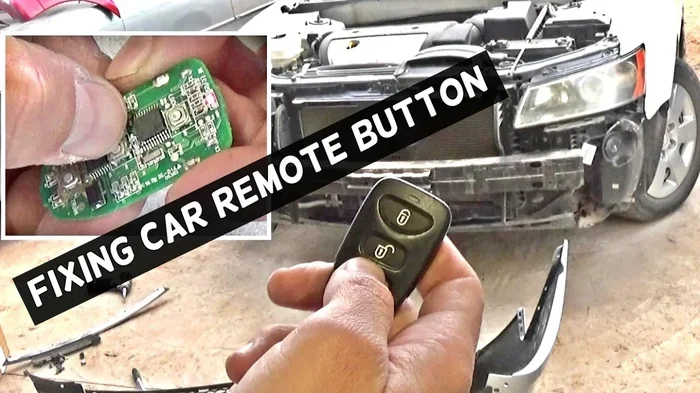
Fix 2: Replace the Key Fob Battery
For push-start vehicles, a dead fob battery is a common cause. Here’s what to do:
- Check your owner’s manual for the correct battery type. Most cars use a CR2032 coin cell battery.
- Open the fob using a small flathead screwdriver or by pressing the release tab.
- Swap in a fresh battery, matching the positive and negative sides.
- Place the fob back in the car and try starting again.
If the car starts after replacing the battery, you’ve found your answer. Keep spare batteries in your glove box. It’s a cheap and easy way to avoid this problem in the future.
Fix 3: Check Fuses and Wiring
Pop open your fuse box and look for blown fuses related to the steering or ignition system. Your owner’s manual will show you which fuse controls the steering lock actuator. A blown fuse is an easy and inexpensive fix. Simply replace it with one of the same amperage.
If the fuses look fine, the problem might be in the wiring harness. Corrosion or loose connections can interrupt the signal. A mechanic can use a multimeter to trace the electrical path and find the break.
Fix 4: Lubricate the Ignition Cylinder
A dry ignition cylinder can cause the key to stick. Use a small amount of graphite lubricant — not WD-40, which can attract dust and gum up over time. Insert the key and gently work it in and out a few times to distribute the lubricant.
Quick tip: Never use oil-based lubricants in the ignition cylinder. They can damage the internal pins and make the problem worse.
Fix 5: Replace the Ignition Lock Cylinder
If the cylinder is worn beyond repair, replacement is the best option. A locksmith or mechanic can swap out the old cylinder and program a new key. The steering lock repair cost for this job typically runs between $150 and $350, depending on your vehicle.
Fix 6: Replace the Steering Lock Actuator
A failed actuator motor needs to be replaced. This is a more involved repair that usually requires a mechanic. The steering lock malfunction repair cost for an actuator ranges from $200 to $500, including parts and labor.
Fix 7: Repair or Replace the Steering Column
In cases of physical damage, the entire steering column may need repair or replacement. This is the most expensive fix, often costing $500 or more. It’s also the most serious, so it’s important to address column damage promptly.
Steering Lock Malfunction Repair Cost Breakdown
Wondering how much you’ll pay? The cost varies widely based on the cause and your vehicle model. Here’s a general breakdown.
| Repair Type | Estimated Cost Range |
|---|---|
| Key fob battery replacement | $5 – $15 |
| Ignition lock cylinder replacement | $150 – $350 |
| Steering lock actuator replacement | $200 – $500 |
| Wiring repair | $100 – $300 |
| Steering column repair or replacement | $500 – $1,200+ |
Keep in mind that these are estimates. Luxury vehicles and European brands like BMW, Mercedes, and Audi often cost more to repair. Labor rates vary by region, too. Always get a quote before committing to a repair.
How to Prevent Steering Lock Malfunction
Prevention is always better than repair. A few simple habits can keep your steering lock system working smoothly for years.
Handle Your Key Gently
Don’t force the key into the ignition. If it doesn’t go in easily, don’t push harder. A key that feels stiff might be worn or the cylinder might need lubrication. Forcing it can bend the key or damage the internal tumblers.
Replace Key Fob Batteries on Schedule
Change your key fob battery once a year, even if it seems fine. This prevents the frustrating surprise of a dead battery when you’re in a hurry. Most fob batteries last 12 to 18 months.
Keep the Steering Wheel Straight When Parking
Turn the wheel all the way to the left or right before shutting off the engine. This puts extra stress on the steering column lock. Instead, leave the wheel in a neutral position. It reduces unnecessary pressure on the lock mechanism.
Protect Against Moisture
Moisture can corrode electrical connections and the ignition cylinder. If you park outside in wet conditions, consider using a car cover or parking in a garage. Keeping the steering column dry helps prevent electrical faults.
Schedule Regular Maintenance
During routine service, ask your mechanic to inspect the ignition and steering lock components. Catching minor wear early can prevent a full steering lock malfunction down the road.
When to See a Professional Mechanic
Some fixes are DIY-friendly. Others need a trained hand. You should see a professional if:
- The steering wheel is completely locked and none of the DIY fixes work.
- The steering lock warning light stays on after attempting repairs.
- You hear grinding, clicking, or scraping noises from the steering column.
- The car starts but the steering remains locked.
- You suspect wiring damage or a failed actuator motor.
- The key is stuck inside the ignition and won’t come out.
A qualified mechanic can run diagnostic tests on your car’s computer system. They can read error codes that point directly to the problem. This saves time and prevents you from replacing parts that aren’t actually broken.
Expert insight: Many modern dealerships have specialized software for diagnosing steering lock malfunction issues. If your car is still under warranty, it’s worth visiting the dealer first. The repair might be covered at no cost to you.
Steering Lock Malfunction in Different Car Types
The experience of a steering lock malfunction can vary depending on your vehicle type.
Older Cars with Traditional Keys
In older vehicles, the problem is usually mechanical. The ignition lock cylinder wears out, or the key itself becomes damaged. These cars don’t have electronic sensors or computers involved, so the fix is often straightforward — replace the cylinder or the key.
Modern Cars with Push-Button Start
Newer vehicles rely on electronic communication between the key fob and the car’s computer. A steering lock malfunction in these cars is more likely to be electrical. The immobilizer system, the fob signal, or the actuator motor could be at fault. Diagnostics require specialized tools that can read the car’s onboard computer.
Luxury and Performance Vehicles
High-end vehicles often have advanced security systems integrated with the steering lock. Brands like BMW and Mercedes use sophisticated steering lock sensors and encrypted key signals. Repairs for these systems tend to cost more and require specialized expertise.
Key Takeaways
- A steering lock malfunction is a safety feature that has failed, preventing normal steering or ignition.
- Common causes include a worn ignition lock cylinder, dead key fob battery, and electrical faults.
- Early warning signs include a stiff steering wheel, dashboard warning lights, and difficulty turning the key.
- Simple fixes like jiggling the wheel or replacing the key fob battery can resolve minor issues.
- Professional repair costs range from $100 to $500 depending on the root cause.
- Regular maintenance and gentle key handling can prevent most steering lock problems.
- Never force the steering wheel or ignition key, as this can worsen the damage.
Conclusion
A steering lock malfunction can be scary, especially if it happens when you’re already running late. But most of the time, it’s a fixable problem with a simple solution. Whether it’s a dead key fob battery, a worn ignition cylinder, or a stuck lock pin, you now know what to look for and how to address it.
Start with the easiest fixes first. Wiggle the steering wheel, check the fob battery, and inspect the fuses. If those don’t work, don’t hesitate to call a professional. The cost of a repair is always better than the cost of being stranded.
Taking care of your car’s steering lock system is part of basic car care that every driver should know. With the right knowledge and a little patience, you can handle this issue confidently. Stay safe, keep your key fob batteries fresh, and your steering lock will keep doing its job for years to come.
Frequently Asked Questions
Can I drive my car if the steering lock malfunction light is on?
If the light is on and the steering wheel is stiff, do not drive the car. A locked steering wheel while driving is extremely dangerous. Pull over safely, turn off the engine, and try the DIY fixes mentioned above. If the wheel won’t release, call for professional assistance.
How much does it cost to fix a steering lock malfunction?
The cost depends on the cause. A key fob battery replacement costs around $5 to $15. Ignition lock cylinder replacement runs $150 to $350. Actuator motor replacement can be $200 to $500. Steering column repairs may exceed $500. Always get a detailed quote before authorizing work.
Why does my steering lock keep engaging randomly?
Random engagement is usually caused by electrical faults, a failing actuator motor, or a problem with the steering lock sensor. Corroded wiring or a weak key fob signal can also trigger the lock unexpectedly. A mechanic can run diagnostics to pinpoint the exact cause.
Is a steering lock malfunction the same as power steering failure?
No, they are completely different. A steering lock malfunction is an anti-theft feature that locks the steering column. Power steering failure means the system that helps you turn the wheel has stopped working. Both make steering difficult, but they have different causes and fixes.
Can a dead key fob battery cause a steering lock malfunction?
Yes, absolutely. In push-start vehicles, the car needs to detect the key fob signal to release the steering lock and allow the engine to start. A dead fob battery means the car can’t recognize the key, which triggers the lock to stay engaged. Replacing the battery usually fixes this immediately.
How long does it take to repair a steering lock malfunction?
Simple fixes like a key fob battery swap or lubricating the ignition take just a few minutes. Replacing an ignition cylinder or actuator motor typically takes one to two hours at a repair shop. Steering column repairs can take several hours depending on the extent of the damage. Your mechanic can give you a more accurate time estimate after diagnosis.