Why Is My Car Not Responding to the Remote Right Now
Why is my car not responding to the remote right now? This frustrating problem usually stems from a dead key fob battery, signal interference, or a malfunctioning remote entry system. In this guide, we walk you through every common cause and the simplest fixes you can try at home. You will learn how to troubleshoot your car remote not working issue step by step, saving time and money. By the end, you will know exactly what to do to get your remote lock not working problem solved fast.
You walk up to your car, press the button on your key fob, and nothing happens. No lights. No lock sound. No response at all. It is one of those moments that instantly kills your vibe, especially when you are in a hurry. You might even wonder if your car is playing some kind of joke on you.
The truth is, a car remote not working issue is way more common than most people think. Before you panic or call a locksmith, there are several simple reasons this could be happening. Most of them are easy to fix on your own. In this article, we will break down every possible cause and give you clear, step-by-step solutions. Whether it is a dead key fob battery, signal problems, or something more complex, we have you covered.
Let us get into it. By the time you finish reading, you will know exactly why your car is not responding to the remote and what you need to do about it.
Key Takeaways
- A dead key fob battery is the #1 reason your car remote stops responding, and replacing it takes just minutes.
- Signal interference from other devices can block your remote control car key from reaching the car.
- Cold weather kills key fob batteries fast, so keeping a spare battery in your glove box is smart.
- Reprogramming your key fob often fixes the problem when the remote is new or after a battery swap.
- Water damage or physical wear can ruin the internal circuitry of your car door lock remote.
- Knowing when to call a professional saves you from costly mistakes and unnecessary replacements.
📑 Table of Contents
- Why Is My Car Not Responding to the Remote Right Now?
- How to Troubleshoot Your Car Remote Step by Step
- Common Mistakes People Make With Car Remotes
- When Should You Call a Professional?
- How to Prevent Remote Problems in the Future
- Quick Tips for Immediate Relief
- Understanding How Your Car Remote Actually Works
- Key Fob Battery Replacement: A Quick How-To
- Final Thoughts
Why Is My Car Not Responding to the Remote Right Now?
There are many reasons your remote entry system might suddenly stop working. Some causes are super simple, and others need a bit more attention. Let us explore the most common ones so you can start troubleshooting right away.
The Key Fob Battery Is Dead
This is the number one reason people search for help with a car remote not unlocking problem. The battery inside your key fob typically lasts between two and four years. When it dies, your remote simply cannot send a signal to the car. You might notice the range getting shorter before it stops completely. Some remotes give a warning sign, like needing to press the button harder or standing closer to the car.
Replacing the battery is usually very affordable. Most key fobs use a small coin-cell battery, like a CR2032. You can buy one at any drugstore or grocery store for less than a few dollars. The replacement process is straightforward for most car models. Just pop open the back of the fob, swap the old battery for the new one, and you are good to go.
Signal Interference Is Blocking Your Remote
Sometimes the problem is not your remote at all. Other electronic devices near you can create signal interference that blocks the car remote signal from reaching your car. This happens more often than you might think.
For example, if you are standing near a tall building, a cell tower, or even another person with a similar key fob, their signal can overlap with yours. Parking garages are notorious for this. The concrete walls and metal structures bounce signals around and confuse your remote control car key. Even USB chargers or power banks in your pocket can sometimes cause issues.
Here is a quick test. Walk away from the parking area and try again from a clear open space. If the remote works there, interference was likely the culprit.
Cold Weather Has Weakened the Battery
If you live in a cold climate, you have probably noticed your remote works better once the car warms up. Cold temperatures drain batteries much faster than normal. This is especially true for key fob batteries during winter months.
When the temperature drops below freezing, the chemical reaction inside the battery slows down. This reduces the voltage output, which means the signal becomes weaker. In extreme cold, your remote might not work at all until the battery warms up a bit. Keeping your car in a garage helps a lot. So does carrying a spare battery with you during the winter season.
The Key Fob Needs Reprogramming
Every key fob is programmed to communicate with a specific car. Sometimes that connection gets lost. This can happen after a battery replacement, a power surge, or even a minor electrical issue in the car. When reprogramming is needed, the remote may look and feel fine, but it just will not talk to the car anymore.
Reprogramming a key fob varies by car brand and model. Some vehicles let you reprogram the remote yourself using a simple sequence of steps. Others require a trip to the dealership or a qualified locksmith. Check your owner’s manual first. It often has a section on key fob reprogramming that walks you through the process.
Water Damage or Physical Wear
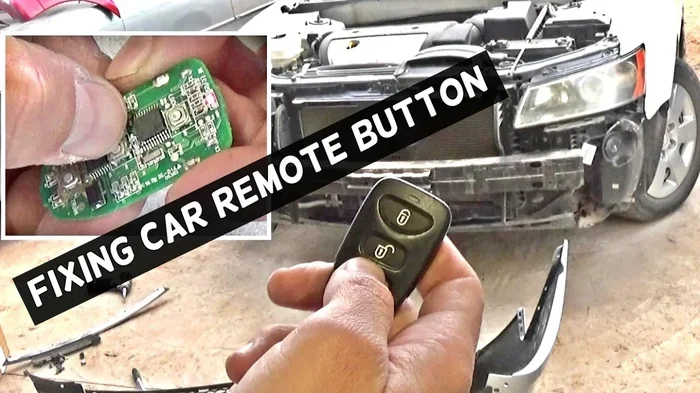
Key fobs go through a lot of daily wear and tear. They get dropped, sat on, and exposed to all kinds of environments. Over time, this can cause internal damage that affects performance. Water damage is a particularly common problem. Even a small amount of moisture can short out the circuit board inside the fob.
If you have ever dropped your fob in water or it has been exposed to heavy rain, this could be the reason. Signs of water damage include intermittent working, buttons that feel sticky, or a completely unresponsive remote. In these cases, a car remote replacement might be the best option. Fortunately, replacement fobs are widely available and often more affordable than people expect.
How to Troubleshoot Your Car Remote Step by Step
Now that you know the main causes, let us walk through a practical troubleshooting process. Following these steps in order will help you identify and fix the problem quickly.
Step One: Check the Battery
Start with the simplest fix. Open your key fob and inspect the battery. If it looks corroded, swollen, or discolored, it definitely needs replacing. Even if it looks fine, swapping in a new battery is worth a try. Most people keep spare batteries at home without even realizing it.
After replacing the battery, test the remote from about 10 feet away. If it still does not work, move on to the next step.
Step Two: Test the Range
Walk over to your car and try pressing the button while standing right next to the door. If it works up close but not from a distance, you likely have a key fob range issue. This points to a weak battery or internal damage to the remote’s antenna or transmitter.
Step Three: Rule Out Interference
Move to a different location and try again. If you are in a crowded parking lot, step away from other cars and try once more. Remove any electronic devices from your pocket that might be causing signal interference. Sometimes simply moving your body position makes a big difference.
Step Four: Try the Manual Key
Most modern remotes have a hidden mechanical key inside. Use this key to manually unlock the door. If the manual key works, the problem is with the remote itself, not the car’s locking system. This tells you the car door lock remote needs attention, not the vehicle.
Step Five: Reprogram or Reset the Remote
If none of the above steps work, try reprogramming the fob. Refer to your car’s manual for instructions. For many models, the process involves turning the ignition on and off in a specific pattern while pressing buttons on the remote. If you are not comfortable doing this yourself, a local locksmith can usually handle it for a reasonable fee.
Step Six: Inspect for Internal Damage
Take a close look at the fob. Are any buttons worn down or sticking? Is there visible cracks or moisture inside? If the fob looks damaged, it is probably time for a car remote replacement. A new fob will restore full functionality and give you peace of mind.
Common Mistakes People Make With Car Remotes
There are several habits that can shorten the life of your key fob or make problems worse. Avoiding these mistakes can save you a lot of frustration.
Ignoring the Warning Signs
Many people ignore the early signs of a failing remote. Maybe the range gets shorter, or you need to press the button multiple times. These are clear signals that something is wrong. Catching the problem early makes it much easier and cheaper to fix.
Using the Wrong Battery
Not all batteries are the same. Using the wrong type can damage your fob or cause it to malfunction. Always check your owner’s manual or the label on the old battery before purchasing a replacement. Stick with trusted brands to ensure reliable performance.
Storing the Fob Near Electronic Devices
Keeping your key fob in the same pocket as your phone or other electronics can cause gradual signal degradation. The electromagnetic fields from these devices can interfere with the fob’s internal circuitry over time. Store your fob in a dedicated spot, away from strong electronic sources.
Skipping Regular Maintenance
Just like any other part of your car, your remote needs occasional attention. A quick battery check every year or so can prevent unexpected failures. A little maintenance goes a long way in keeping your remote entry system working smoothly.
When Should You Call a Professional?
Most car remote troubleshooting steps can be done at home. But there are times when calling in a professional is the right move. If you have replaced the battery, tried reprogramming, and the remote still does not work, it is time to seek expert help. Similarly, if your car’s internal receiver is the problem, you will need specialized diagnostic equipment to fix it.
A certified locksmith or your car dealership can diagnose issues with the car’s immobilizer system and proximity sensor. These components are essential for modern keyless entry and push-button start systems. Attempting to repair them without proper knowledge can lead to costly mistakes.
Also, if you have lost all your remotes, a professional can help you get a new one programmed correctly. This process often requires specialized tools that are not available to the average car owner.
How to Prevent Remote Problems in the Future
Prevention is always better than cure. Here are some simple habits that will keep your car remote working reliably for years to come.
- Replace the battery every two to three years even if it seems to be working fine. This prevents sudden failures.
- Keep a spare battery in your glove box. You never know when you will need it, especially during cold weather.
- Store the fob away from strong magnets and electronics. This protects the internal components from interference.
- Clean the fob regularly. Dirt and grime can build up around the buttons and affect responsiveness.
- Avoid dropping or exposing the fob to moisture. A protective case can help absorb shocks and prevent water damage.
- Test the remote periodically. A quick check every few weeks can catch small problems before they become big ones.
Quick Tips for Immediate Relief
Need a fast fix right now? Try these quick tips before anything else.
- Stand right next to the car and press the button. This eliminates range issues as the cause.
- Try the physical key hidden inside the fob to manually unlock the door.
- Replace the battery immediately. It is the cheapest and fastest fix for most problems.
- Move away from crowded areas and try again in an open space.
- Hold the fob directly against the car door when pressing the button. This boosts the signal strength temporarily.
Understanding How Your Car Remote Actually Works
Knowing a little bit about how your remote entry system works can help you understand why things go wrong. When you press a button on your key fob, it sends a coded radio signal to a receiver in your car. The receiver picks up the signal and sends a command to the locking or starting system.
This whole process happens in milliseconds. But it depends on several things working correctly. The battery must have enough power. The transmitter inside the fob must be intact. The receiver in the car must be functioning. And there must be no interference blocking the signal. When even one of these parts fails, your remote lock not working problem appears.
Modern cars use rolling codes for security. This means the code changes every time you press the button. This prevents thieves from copying your signal. But it also means the fob and the car must be perfectly synchronized. If they fall out of sync, the car will not recognize the signal, and your key fob not detected problem begins.
Key Fob Battery Replacement: A Quick How-To
Replacing the battery in your key fob is one of the easiest maintenance tasks you can do. Here is a simple guide to walk you through it.
First, find the small seam or notch on the back of your fob. Use a small flathead screwdriver or a coin to gently pry it open. Inside, you will see the battery sitting in a small compartment. Note the orientation of the old battery before removing it. Place the new battery in the same position and snap the fob back together.
Test the remote immediately after replacing the battery. If it works, you have just saved yourself a trip to the mechanic. If it still does not work, the problem lies elsewhere, and you can move on to the next troubleshooting step.
Keep in mind that some car models have fobs that are not easily opened by hand. In these cases, check your owner’s manual for specific instructions. Many manufacturers also have helpful videos on their websites that show the exact process for each model.
Final Thoughts
A car remote not working issue can be annoying, but it is almost always fixable. The most common causes are simple and inexpensive to address. Start with the battery, check for interference, and try reprogramming before you consider more costly solutions. Most of the time, one of these steps will bring your remote entry system back to life.
Remember, taking care of your key fob with regular maintenance can prevent most problems from happening in the first place. Keep spare batteries on hand, store the fob properly, and test it occasionally. These small habits make a big difference over time.
If you have tried everything and your car is still not responding to the remote, do not hesitate to reach out to a professional. A qualified technician can diagnose deeper issues and get you back on the road quickly. The goal is to keep your daily drive as smooth and hassle-free as possible.
Frequently Asked Questions
What is the most common reason why a car remote stops working?
The most common reason is a dead key fob battery. The battery inside the fob typically lasts two to four years, and when it dies, the remote cannot send a signal to the car. Replacing the battery is usually a quick and inexpensive fix that solves the problem immediately.
Can cold weather cause my car remote to stop responding?
Yes, cold weather can significantly weaken your key fob battery. Low temperatures reduce the battery’s voltage output, which makes the signal too weak to reach the car. This is especially common in winter months. Keeping the fob warm, such as in an inside pocket close to your body, can help maintain its performance.
How do I know if my key fob needs reprogramming?
If you have replaced the battery and the remote still does not work, reprogramming may be needed. Signs include the remote working intermittently or the car failing to recognize the fob after a battery change. Your owner’s manual usually has reprogramming instructions. If not, a locksmith or dealership can handle it for you.
Is signal interference a real cause of remote problems?
Absolutely. Other electronic devices, tall buildings, and crowded parking areas can all create signal interference that blocks your remote from communicating with the car. Moving to a clear open space and trying again is a simple test to rule out interference. Removing other electronics from your pocket can also help.
How much does it cost to replace a car remote?
The cost varies depending on your car brand and model. A basic replacement fob typically ranges from 20 to 100 dollars. Programming fees at a dealership can add another 50 to 100 dollars. However, many locksmiths offer programming services at lower rates, making the overall cost quite reasonable.
Can water damage ruin a key fob permanently?
Yes, water damage can permanently damage the internal circuitry of a key fob. Even small amounts of moisture can cause corrosion on the circuit board, leading to intermittent or complete failure. If your fob has been exposed to water, dry it thoroughly and replace the battery. If it still does not work, a replacement fob is likely the best solution.
=== CONCLUSION ===
Why is my car not responding to the remote right now? The answer is usually simpler than you think. A dead battery, signal interference, or a need for reprogramming covers the vast majority of cases. By following the troubleshooting steps in this guide, you can identify the problem and fix it yourself in most situations. Keep spare batteries on hand, store your fob properly, and give it a little regular care. These small efforts will keep your car remote working reliably day after day. And if the problem persists, a professional can always help you get things back on track. You have got this.