Watch Out for Signs of Improper Windshield Installation
Watch out for the signs of improper windshield installation that can compromise your safety and damage your vehicle. From visible gaps and water leaks to unusual noises and vibrations, these warning signals should never be ignored. Catching problems early saves you money, stress, and keeps you protected on the road.
Your windshield does more than just keep the wind out. It plays a critical role in your vehicle’s structural integrity and safety. When it is installed correctly, you barely notice it is there. But when something goes wrong, it can cause serious problems that affect your driving experience and your safety on the road.
Understanding the signs of improper windshield installation can save you from costly repairs, dangerous driving conditions, and unnecessary headaches. Whether you just had a new windshield put in or are considering a replacement, knowing what to look for makes all the difference.
In this guide, we will walk you through every warning sign you need to watch for. We will cover visual clues, unusual sounds, hidden risks, and practical steps you can take to protect your investment. By the end, you will feel confident spotting problems early and knowing exactly what to do next.
Key Takeaways
- Visual gaps and misalignment around the edges are the most obvious signs of a poor windshield install and should be addressed immediately.
- Unusual noises and vibrations while driving often indicate the windshield is not properly bonded or sealed to the frame.
- Water leaks after rain are a clear sign that the windshield seal has failed and moisture is entering your vehicle.
- Hidden risks like compromised structural integrity, UV damage, and airbag deployment failures make timely inspection critical.
- Choosing a certified technician and asking the right questions before installation can prevent most problems from occurring.
- Post-installation care including waiting periods and avoiding pressure on the glass ensures a strong, lasting bond.
- Act quickly if you notice red flags like a shifting windshield, visible adhesive peeling, or persistent rattling noises.
📑 Table of Contents
- What Goes Wrong When Windshield Installation Is Done Poorly
- Visual Clues That Your Windshield Was Installed Incorrectly
- Sounds and Feelings That Point to a Bad Install
- The Hidden Risks of Ignoring These Signs
- How to Ensure Your Windshield Is Installed Correctly
- When to Seek a Professional Windshield Inspection
- Conclusion
What Goes Wrong When Windshield Installation Is Done Poorly
Your windshield is not just a piece of glass. It is a vital part of your vehicle’s safety system. When the windshield installation process goes wrong, the consequences can be more serious than you might think.
The Role of Your Windshield in Vehicle Safety
Many drivers do not realize that their windshield contributes to the structural strength of the car. In a rollover accident, the windshield helps support the roof and prevents it from collapsing. It also plays a key role in proper airbag deployment. The front passenger airbag often bounces off the windshield to cushion the occupant during a collision.
When the windshield bonding is not done correctly, all of this safety protection is compromised. A loose or poorly sealed windshield can pop out during a crash. This is why paying close attention to signs of improper windshield installation right after the job is so important. A small mistake during the install can turn into a major safety risk over time.
Common Causes of Improper Installation
Several factors can lead to a bad windshield install. Understanding these causes helps you know what to watch for and ask about before you commit to a shop:
- Rushed work: Some technicians skip steps to finish faster. This often leads to missed bonding spots or inadequate curing time for the adhesive.
- Wrong adhesive type: Using the incorrect urethane adhesive can weaken the bond and lead to leaks, wind noise, or even windshield detachment.
- Dirty surfaces: If the pinch weld or glass edges are not cleaned properly before installation, the adhesive will not stick correctly to the frame.
- Lack of proper training: Not all auto glass technicians have the same level of experience or industry certification. Inexperienced hands make mistakes.
- Damaged or worn trim: Old or cracked moldings around the windshield can prevent a proper seal and allow moisture to seep in over time.
Being aware of these common pitfalls helps you ask better questions and choose a more qualified windshield technician. Never underestimate the importance of a careful, thorough installation process.
Visual Clues That Your Windshield Was Installed Incorrectly
Your eyes are often the first tool for spotting problems. After your windshield replacement, take a close look at the install. There are several visual cues that something was not done right, and catching them early can save you from bigger headaches later.
Gaps and Misalignment Around the Edges
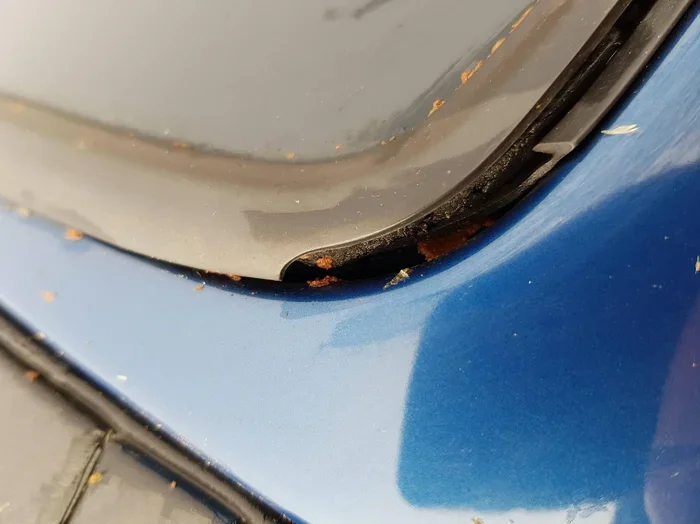
One of the most obvious signs of improper windshield installation is visible gaps between the glass and the car frame. A properly installed windshield should sit flush against the vehicle. You should not see light shining through the edges when you are in a dark garage.
Take a flashlight and walk around the vehicle after dark. Shine the light along the edges where the glass meets the frame. If you see gaps, the windshield is not seated correctly. Even a small gap can lead to water leaks, wind noise, and reduced structural support. The windshield alignment should be perfectly even on all sides.
Visible Damage and Uneven Surfaces
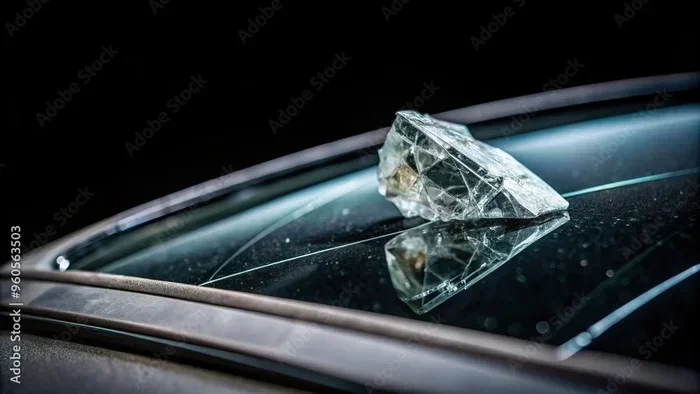
Check the windshield itself for any chips, cracks, or scratches that may have occurred during the install. A new windshield should be completely flawless. If you see damage right away, something went wrong during handling or placement.
Also look at the surrounding area. Are there scratches on the paint or damage to the trim? These can be signs that the technician was careless during the auto glass installation process. A professional takes the time to protect your vehicle before starting any work.
Water Leaks After Rain
One of the clearest visual indicators of a bad install is water inside the car after it rains. If you notice dampness on the dashboard or wet floor mats on the passenger side, your windshield seal is likely failing. Water leaks are a direct result of poor adhesive application or an improper seal around the edges.
Do not ignore small drips. Over time, moisture can damage your interior electronics, cause mold growth, and weaken the adhesive bond further. A persistent windshield leak is never normal after a replacement and should be addressed right away.
Quick Tip: After your windshield is replaced, park your car indoors for the first 24 hours if possible. Avoid car washes and heavy rain during this period. This protects the fresh adhesive while it cures properly and forms a strong bond.
Sounds and Feelings That Point to a Bad Install
Sometimes the problems are not visible at first. Your ears and body can detect issues that your eyes might miss. Pay close attention to what you feel and hear while driving, especially during the first few weeks after a new windshield goes in.
Unusual Noises While Driving
If you hear a whooshing or whistling sound at highway speeds, your windshield may not be sealed correctly. A proper seal eliminates wind noise completely. When the seal is weak or the windshield is loose, air can sneak past the edges and create annoying sounds.
Another warning sound is a rattling noise when you drive over bumps or potholes. This suggests the windshield is not firmly bonded to the frame. It may shift slightly with each impact, which is a serious safety concern. Windshield noise after a replacement is never something you should just get used to.
Vibrations and Wind Pressure
Excessive vibration in the dashboard or steering wheel at higher speeds can indicate a loose windshield. The windshield pressure should be evenly distributed across the entire surface. If one area is not making proper contact, you will feel it through the steering column or the dashboard.
Some wind noise is normal on older vehicles. But if the noise is new and louder after a recent install, do not ignore it. This is one of the most common signs of improper windshield installation that drivers overlook every single day. Trust your instincts, and get it checked if something feels off.
The Hidden Risks of Ignoring These Signs
It is tempting to ignore small issues after a windshield replacement. Maybe there is a tiny leak or a slight noise. But these seemingly minor problems can escalate into serious safety hazards over time if left unaddressed.
Compromised Structural Integrity
Your windshield provides up to 30 percent of the vehicle’s structural strength in a rollover accident. A poorly installed windshield cannot perform this critical function. The windshield structural support depends entirely on a proper adhesive bond and correct alignment with the frame.
Over time, vibrations from daily driving can loosen an improperly bonded windshield even further. What starts as a small gap can become a dangerous failure point in a serious collision. Windshield integrity is not something you want to compromise on, ever.
UV Damage and Temperature Issues
A properly sealed windshield also protects you from harmful UV rays. When the seal is broken, UV radiation can enter the cabin and damage your interior. Your dashboard, seats, and steering wheel can fade and crack much faster than they should.
Temperature changes also become a bigger problem with a poor seal. In hot weather, gaps allow hot air and moisture into the cabin. In cold weather, openings can cause fogging and ice buildup inside the car. These issues affect your visibility and driving comfort every single day.
Airbag Deployment Risks
This is one of the most dangerous consequences of a bad windshield install. The front passenger airbag relies on the windshield as a surface to deploy against during a collision. If the windshield pops out because of a poor bond, the airbag cannot function properly.
This puts you and your passengers at serious risk of injury. Windshield safety should never be taken lightly. If you suspect your install was done incorrectly, address it immediately. The few minutes it takes to get a professional inspection could save lives.
Common Mistake: Many drivers assume a small leak will fix itself over time. It will not. Water damage only gets worse, and the adhesive bond continues to weaken with ongoing moisture exposure. What seems minor today can become a major safety issue tomorrow.
How to Ensure Your Windshield Is Installed Correctly
Prevention is always better than cure. Taking the right steps before and after your windshield replacement can help you avoid the problems discussed above. A little preparation goes a long way toward a successful install.
Choosing the Right Technician
Not all auto glass shops are created equal. The quality of your windshield installation depends heavily on who does the work. Here is what you should look for when selecting a shop:
- Certifications: Look for technicians certified by organizations like the Auto Glass Safety Council (AGSC) or the National Glass Association. These credentials show they meet industry standards.
- Experience level: Ask how many windshield replacements the technician performs each week. A higher volume usually means more skill and familiarity with different vehicle models.
- Customer reviews: Check online reviews from real customers. Look for mentions of quality workmanship, cleanliness, and follow-up service after the install.
- Warranty coverage: A reputable shop offers a lifetime warranty on both the workmanship and the windshield itself. This gives you peace of mind and protection.
Asking the Right Questions Before Installation
Do not be afraid to ask questions before the work begins. A good technician will welcome your curiosity and appreciate your attention to detail. Here are some important questions to ask your installer:
- What type of adhesive do you use, and is it OEM approved for my vehicle?
- How long will the adhesive need to cure before I can safely drive the car?
- Do you use a primer on the pinch weld, and why is it necessary?
- What does your warranty cover, and for how long does it last?
- Will you replace the trim or molding if it is damaged during the process?
The answers to these questions give you a clear picture of the technician’s professionalism and expertise. A shop that hesitates to answer is a red flag worth paying attention to.
Post-Installation Care Tips
What you do after the installation matters just as much as the install itself. Follow these tips to ensure the best results and a strong, lasting bond:
- Wait at least one hour before driving the vehicle. The adhesive needs time to set and begin forming a strong bond with the frame.
- Keep the car indoors for the first 24 hours if possible. Avoid car washes and direct exposure to rain during this critical curing period.
- Do not slam doors forcefully for the first day. Excess pressure can shift the windshield while the adhesive is still curing.
- Avoid hanging items from the rearview mirror for at least 48 hours. The added weight and pressure can interfere with the bond.
- Schedule a follow-up inspection after one week to check for any issues that may not be immediately visible to the naked eye.
Expert Insight: According to industry standards, the full cure time for windshield adhesive is typically 24 to 72 hours. During this period, avoid any activities that put pressure on the windshield or introduce moisture to the edges. Driving too soon or exposing the bond to water can seriously weaken the installation.
When to Seek a Professional Windshield Inspection
Even with the best care, problems can sometimes arise after the initial installation. Knowing when to call in a professional can save you from bigger issues and expenses down the road. Do not wait until a small problem becomes a dangerous one.
DIY Checks You Can Do at Home
You do not need to be a mechanic to perform basic checks on your windshield. Here are simple inspections you can do on your own without any special tools:
- The flashlight test: In a dark garage, shine a flashlight around the edges of the windshield. Look for any light leaking through gaps between the glass and the frame.
- The water test: After a heavy rain, check your dashboard and floor mats for any signs of moisture or dampness that should not be there.
- The listen test: Drive at highway speeds with the radio turned off. Listen carefully for any wind noise or rattling sounds coming from the windshield area.
- The visual inspection: Stand outside the vehicle and look at the windshield from eye level. Check for gaps, misalignment, or visible damage around the edges.
These simple checks take only a few minutes but can catch problems early. Make them part of your regular car maintenance routine, especially during the first month after a new windshield.
Red Flags That Mean Immediate Action
Some signs require urgent attention from a professional. If you notice any of the following, contact a certified windshield technician right away:
- The windshield moves or shifts when you press on it firmly.
- You see water dripping inside the car from the windshield area.
- A crack or chip appears near the edge of the windshield shortly after installation.
- The adhesive is visibly peeling away from the metal frame.
- You hear a persistent rattling noise every time you drive over a bump.
Ignoring these red flags can lead to the windshield coming loose entirely. This is extremely dangerous, especially at highway speeds or during sudden stops. Your windshield safety depends on a solid, secure bond that holds up under all conditions.
Proper vs. Improper Windshield Installation:
| Aspect | Proper Installation | Improper Installation |
|---|---|---|
| Adhesive Bond | Full, even coverage with OEM-approved adhesive | Gaps, thin spots, or incorrect adhesive type used |
| Alignment | Flush fit with no visible gaps or uneven edges | Misaligned with visible gaps or uneven spacing |
| Seal Integrity | Watertight seal with no leaks during rain | Leaks during rain or car washes |
| Noise Level | Silent and smooth at all highway speeds | Wind noise, rattling, or whistling sounds present |
| Structural Support | Full support for roof and proper airbag deployment | Compromised safety performance in collisions |
| Cure Time | Follows manufacturer-recommended curing guidelines | Rushed or skipped curing process entirely |
Use this comparison as a quick reference when evaluating the quality of your windshield installation. If your install does not match the “Proper Installation” column, it is time to take action and seek professional help. Do not settle for less than what your safety deserves.
Conclusion
Your windshield is one of the most important safety features in your vehicle. It deserves to be installed with care, precision, and professionalism. The signs of improper windshield installation are there for a reason, and ignoring them can lead to serious consequences for you and your passengers.
From visible gaps and water leaks to strange noises and compromised safety, the warning signs are clear. You just need to know what to look for and act on them promptly. By staying vigilant and taking quick action, you can protect yourself, your loved ones, and your investment in your vehicle.
If you ever suspect that your windshield installation was not done correctly, do not wait. Contact a certified windshield technician for a thorough inspection. A quick check now can prevent major problems and expenses later. Your safety on the road depends on every detail being done right, and your windshield is no exception.
Frequently Asked Questions
Can a poorly installed windshield cause leaks inside my car?
Yes, absolutely. A poor seal or incorrect adhesive application allows water to seep through the edges of the windshield. This is one of the most common signs of improper windshield installation and can lead to interior damage and mold growth over time.
How long should I wait before driving after a windshield replacement?
Most technicians recommend waiting at least one hour before driving. However, the full cure time for the adhesive is typically 24 to 72 hours. During this period, avoid car washes, heavy rain, and slamming doors to ensure the bond sets properly.
What should I do if I notice a gap after my windshield is installed?
Do not ignore it. A visible gap means the windshield was not seated correctly during the windshield replacement process. Contact the shop that performed the work immediately and request a re-inspection or redo of the installation at no extra cost.
Is a small crack after installation considered normal?
No, a new windshield should be completely free of cracks and chips right after installation. If you notice any damage, it likely occurred during handling or placement. Report it to the shop as soon as possible so they can address it under their warranty.
Can improper windshield installation affect my insurance claim?
Yes, it can. If a subsequent accident causes more damage because the windshield was not properly installed, the insurance company may deny or reduce the claim. Proper installation ensures your windshield safety features work as intended during a collision.
How do I find a certified and reliable windshield technician?
Look for technicians certified by recognized organizations like the Auto Glass Safety Council. Check online reviews, ask for recommendations from friends, and verify that the shop offers a warranty on both parts and labor. A reputable windshield technician will always be transparent about their process and qualifications.