Does Car Insurance Cover Hail Damage To Your Vehicle
Yes, car insurance can cover hail damage, but only if you have comprehensive coverage. This type of policy protects your vehicle from weather-related incidents like hailstorms, falling debris, and other non-collision events. Without comprehensive auto insurance, you will pay for all repairs out of pocket. Let us walk you through exactly how hail damage claims work, what to expect, and how to avoid common mistakes.
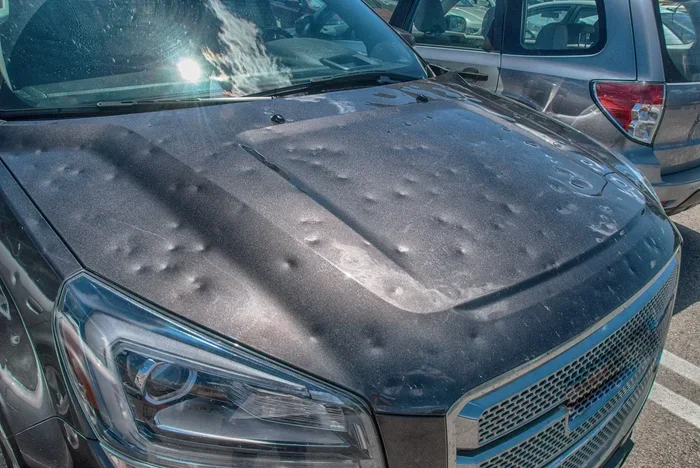
Hailstorms can wreck a car in minutes. Dents appear across the hood, roof, and trunk. Paint cracks. Windows shatter. If you have ever walked out to your vehicle after a severe storm and wondered what to do next, you are not alone. The big question most drivers ask is whether their car insurance covers hail damage.
The answer depends on your specific policy and the type of coverage you carry. Some drivers walk away with a full payout. Others face steep repair bills because they did not have the right protection. Understanding how hail damage fits into your auto insurance policy can save you thousands of dollars and a lot of stress.
This guide breaks down everything you need to know. We will cover what types of insurance cover hail damage, how the claims process works, what repairs typically cost, and the mistakes that can cost you. By the end, you will know exactly what to do the next time a hailstorm hits.
Key Takeaways
- Comprehensive coverage is required: Standard liability insurance does not cover hail damage. You need comprehensive auto insurance for weather-related claims.
- Deductibles apply: You must pay your comprehensive deductible before insurance kicks in. Typical deductibles range from $500 to $1,000.
- Claims can increase premiums: Filing a hail damage claim may raise your insurance premium at renewal time.
- Document everything: Photos, videos, and detailed notes strengthen your insurance claim and speed up the process.
- Repair costs vary widely: Minor dents may cost a few hundred dollars, while severe hail damage can total a vehicle.
- Act quickly: File your claim promptly and get a professional assessment to avoid further damage.
📑 Table of Contents
- What Is Comprehensive Auto Insurance?
- Does Your Policy Cover Hail Damage?
- How the Car Insurance Claim Process Works for Hail Damage
- Comprehensive Coverage vs Collision Coverage
- How Much Does Hail Damage Repair Cost?
- Common Mistakes to Avoid With Hail Damage Claims
- Expert Insights on Hail Damage and Insurance
- How to Prevent Hail Damage to Your Vehicle
- Key Takeaways
- Conclusion
What Is Comprehensive Auto Insurance?
Comprehensive coverage is the specific type of car insurance that pays for damage caused by events other than collisions. It is sometimes called “other than collision” coverage. This matters because many drivers confuse collision coverage with comprehensive coverage and assume one covers the other.
Comprehensive auto insurance protects your vehicle from a wide range of non-driving incidents. Here are the most common situations it covers:
- Hail damage to the car body and glass
- Falling tree branches or debris
- Flooding and water damage
- Fire damage
- Vandalism and theft
- Windstorm damage
- Impact with animals
Think of comprehensive coverage as a safety net for everything life throws at your car that is not a fender bender. If you live in an area prone to severe weather, this coverage is especially important. States like Texas, Oklahoma, and Colorado see frequent hailstorms that cause millions of dollars in vehicle damage every year.
Does Basic Liability Insurance Cover Hail Damage?
The short answer is no. Liability insurance only covers damage you cause to other people and their property. It does not pay for repairs to your own vehicle. If you only carry liability coverage and hail damages your car, you are responsible for the full cost of repairs.
This is why adding comprehensive coverage to your policy is so important. The additional premium is usually quite affordable, especially compared to the cost of repairing severe hail damage. A basic comprehensive policy might add just $20 to $50 per month to your premium, depending on your location and driving record.
Does Your Policy Cover Hail Damage?
If you have comprehensive coverage on your policy, then yes, hail damage is covered. But there are important details you need to understand before you file a claim. Not every situation results in a full payout, and your specific policy terms matter a great deal.
Check Your Policy for the Comprehensive Deductible
Every comprehensive policy includes a deductible. This is the amount you pay out of pocket before your insurance company covers the rest. For example, if your deductible is $500 and your hail damage repairs cost $2,500, your insurer pays $2,000 and you pay $500.
Deductibles for comprehensive coverage typically range from $250 to $2,000. Higher deductibles mean lower monthly premiums, but they also mean you pay more when a claim happens. Choose a deductible that makes sense for your financial situation and the value of your vehicle.
When Hail Damage Might Not Be Covered
There are a few situations where your claim might be denied:
- You do not have comprehensive coverage on your policy
- Your deductible exceeds the repair cost
- The damage existed before your policy start date
- You failed to maintain your vehicle properly
- The insurer suspects fraud or exaggerated claims
If your vehicle already had existing damage before the hailstorm, the insurance company will not pay for those pre-existing issues. This is why it is critical to document the condition of your car regularly, especially before storm season.
How the Car Insurance Claim Process Works for Hail Damage
Filing a claim for hail damage follows a standard process, but knowing what to expect helps you avoid delays and frustration. Here is a step-by-step breakdown of how it works.
Step 1: Document the Damage Immediately
As soon as the storm passes and it is safe to do so, take photos and videos of all damage. Capture every angle of your vehicle. Show the dents, cracked glass, and any paint damage. The more evidence you provide, the smoother your insurance claim will be.
Make notes about the date, time, and severity of the storm. If neighbors or nearby businesses have security cameras that captured the hailstorm, note their locations. This information can support your claim if the insurance company needs additional verification.
Step 2: Contact Your Insurance Company
Call your insurance provider or file a claim online as soon as possible. Most companies have a 24-hour claims hotline. Provide a clear description of the damage and share all the photos and videos you took.
The claims adjuster will assign a claim number and may schedule an inspection. Some insurers send an adjuster to your location, while others ask you to bring the vehicle to a designated assessment center.
Step 3: Get Repair Estimates
Your insurance company may recommend approved repair shops. You are not required to use them, but doing so can speed up the process. Get at least two written estimates from qualified auto body shops. This gives you leverage if the insurance company offers a low settlement.
Many shops now offer paintless dent repair for hail damage, which is faster and less expensive than traditional body work. This method pushes dents out from behind the panel without damaging the factory paint.
Step 4: Review the Settlement Offer
Once the adjuster assesses the damage, the insurance company will send you a settlement offer. Review it carefully. Make sure it covers all the damage identified in your estimates. If the offer seems too low, you have the right to dispute it.
Present your independent estimates and any additional documentation. Be polite but firm. Most adjusters are willing to negotiate if the evidence supports your claim.
Step 5: Complete the Repairs
Once you agree on the settlement amount, schedule the repairs. Pay your deductible at the shop. The insurance company pays the remaining balance directly to the repair facility.
After repairs are complete, inspect your vehicle carefully. Make sure all dents are removed and the paint finish looks uniform. Keep all receipts and documentation for your records.
How Long Does a Hail Damage Claim Take?
Most hail damage claims are resolved within two to four weeks. Simple repairs with minor dents may take just a few days. Severe damage requiring extensive body work can take several weeks. The timeline depends on the severity of damage, the repair shop’s workload, and how quickly your insurer processes the claim.
Comprehensive Coverage vs Collision Coverage
Understanding the difference between these two types of coverage is essential. Many drivers assume both cover all types of damage, but they serve very different purposes.
| Feature | Comprehensive Coverage | Collision Coverage |
|---|---|---|
| Covers hail damage | Yes | No |
| Covers collision with another vehicle | No | Yes |
| Covers falling objects | Yes | No |
| Covers weather damage | Yes | No |
| Covers theft and vandalism | Yes | No |
| Deductible applies | Yes | Yes |
| Required by lenders | Sometimes | Usually |
If your vehicle is older and has low market value, you might wonder whether carrying both types of coverage is worth it. In some cases, dropping collision coverage on a high-mileage vehicle makes financial sense. To learn more about whether collision insurance is worth it for older cars, check out our guide on whether you need collision insurance on an old car.
If you are shopping for a new policy, make sure it includes comprehensive coverage. This is the only way to protect your vehicle from hail, floods, and other non-collision events. You can also learn more about whether your policy covers different types of damage in our article on does car insurance cover repairs.
How Much Does Hail Damage Repair Cost?
The cost of repairing hail damage varies significantly based on several factors. Understanding these costs helps you set realistic expectations and avoid surprises.
Factors That Affect Repair Costs
- Severity of hailstones: Larger hail causes deeper dents and more paint damage
- Vehicle size and body panels: Larger panels like the roof and hood cost more to repair
- Number of dents: Hundreds of small dents cost more to repair than a few large ones
- Paint condition: Cracked or chipped paint requires additional refinishing work
- Glass damage: Cracked or shattered windshields and windows add significant cost
- Repair method: Paintless dent repair is cheaper than traditional body filler and repainting
Average Repair Costs
Minor hail damage with a few small dents might cost $300 to $800 to repair. Moderate damage with dozens of dents and some paint cracks can run $1,000 to $3,000. Severe hail damage affecting the entire vehicle and requiring full panel replacement can exceed $5,000 or more.
In extreme cases, the cost of repairs may exceed the actual cash value of the vehicle. When this happens, the insurance company declares the vehicle a total loss. To understand how insurers determine your vehicle’s value, read our guide on how to determine the actual cash value of a car.
Does Insurance Cover Rental Cars During Repairs?
If your vehicle is in the shop for hail damage repairs, you may need a rental car. Standard comprehensive coverage does not include rental reimbursement. You would need to add rental car coverage to your policy, or purchase it at the time of a claim. Some policies offer this as an add-on for a small additional premium. Learn more about rental car insurance options in our article on do I need rental car insurance.
Common Mistakes to Avoid With Hail Damage Claims
Filing a hail damage claim seems straightforward, but mistakes can cause delays or even a denied claim. Here are the most common errors drivers make.
Waiting Too Long to File
Insurance companies expect you to report damage promptly. Waiting weeks or months after a storm can raise red flags and lead to a denied claim. File your claim as soon as you notice the damage. Most policies have time limits for reporting, so act quickly.
Not Documenting Pre-Existing Damage
If your vehicle already had dents or damage before the hailstorm, the insurer will not cover those. Take photos of your car regularly, especially before storm season. This creates a clear record of your vehicle’s condition and helps prove that new damage came from the storm.
Choosing the Cheapest Repair Shop
While saving money is tempting, low-quality repairs can cause problems down the road. Poorly repaired dents can lead to rust, uneven paint, and reduced resale value. Choose a reputable shop with experience in hail damage repair, ideally one that offers paintless dent repair.
Accepting the First Settlement Offer
Insurance companies often start with a low offer. They expect you to negotiate. Do not accept the first number if it does not cover the full extent of damage. Provide additional estimates and evidence to support your case.
Failing to Read the Fine Print
Every policy has exclusions and limits. Some policies cap payouts for hail damage or exclude certain types of weather events. Read your policy documents carefully and ask your agent questions before you need to file a claim.
Expert Insights on Hail Damage and Insurance
Insurance adjusters and auto body professionals share a few insights that can help you navigate the hail damage claims process more effectively.
First, timing matters. If a storm is forecasted, park your vehicle in a garage or covered area whenever possible. This simple step can prevent damage entirely and save you the hassle of filing a claim.
Second, know your state’s regulations. Insurance laws vary by state, and some states have specific rules about how quickly insurers must process hail damage claims. Understanding your rights as a policyholder gives you an advantage during negotiations.
Third, consider the long-term cost. Filing a claim for hail damage can increase your premiums at renewal. Weigh the repair cost against the potential premium increase. Sometimes paying out of pocket for minor damage is the smarter financial choice.
How to Prevent Hail Damage to Your Vehicle
Prevention is always better than repair. While you cannot control the weather, you can take steps to reduce the risk of hail damage to your car.
- Park in a garage or carport whenever possible
- Use a hail-resistant car cover or blanket during storm season
- Monitor weather alerts and move your vehicle indoors before storms hit
- Install window tinting, which can help hold shattered glass together
- Choose covered parking at workplaces, shopping centers, and airports
- Consider investing in a carport or portable shelter if you live in a hail-prone area
These preventive measures can save you hundreds or even thousands of dollars in repair costs over the life of your vehicle.
Key Takeaways
- Comprehensive coverage is required: Standard liability insurance does not cover hail damage. You need comprehensive auto insurance for weather-related claims.
- Deductibles apply: You must pay your comprehensive deductible before insurance kicks in. Typical deductibles range from $500 to $1,000.
- Claims can increase premiums: Filing a hail damage claim may raise your insurance premium at renewal time.
- Document everything: Photos, videos, and detailed notes strengthen your insurance claim and speed up the process.
- Repair costs vary widely: Minor dents may cost a few hundred dollars, while severe hail damage can total a vehicle.
- Act quickly: File your claim promptly and get a professional assessment to avoid further damage.
Conclusion
So, does car insurance cover hail damage? Yes, it does, but only if you have comprehensive coverage on your policy. Liability insurance alone will not pay for weather-related damage to your vehicle. Understanding your coverage, knowing how to file a claim, and avoiding common mistakes puts you in the best position to get your car repaired without unnecessary stress or expense.
Take time today to review your policy. Confirm that you carry comprehensive coverage. Know your deductible. Document your vehicle regularly. These simple steps can make a enormous difference the next time a hailstorm rolls through.
Being prepared is the best protection you can give your car and your wallet. Do not wait until the damage is done to find out what your policy covers.
Frequently Asked Questions
Will filing a hail damage claim raise my insurance premium?
It might. Many insurers view claims as an increased risk, which can lead to higher premiums at renewal. However, some companies offer accident forgiveness or may not raise rates for comprehensive claims. Check with your specific provider to understand how a hail damage claim will affect your premium.
How long do I have to file a hail damage claim?
Most insurance policies require you to report damage as soon as possible, typically within a few days to a few weeks. While there is no universal deadline, filing promptly ensures your claim is processed smoothly and reduces the risk of denial. Contact your insurer immediately after noticing the damage.
Does comprehensive insurance cover cracked windshields from hail?
Yes, comprehensive coverage includes windshield damage caused by hail. Windshield repairs and replacements are typically covered under comprehensive policies, often with no deductible or a separate glass deductible, depending on your specific policy terms.
What if the hail damage is minor and the repair cost is less than my deductible?
If the repair cost is lower than your deductible, it is usually not worth filing a claim. You would pay the full amount out of pocket anyway. In this case, paying for the repairs directly and avoiding a claim is the smarter financial decision.
Can I choose any repair shop for my hail damage claim?
Yes, you have the right to choose your repair shop. Insurance companies may recommend preferred shops, but you are not required to use them. Choose a shop with good reviews and experience in hail damage repair for the best results.
Does comprehensive coverage cover hail damage on a leased or financed car?
Yes, comprehensive coverage applies to leased and financed vehicles. In fact, lenders typically require both comprehensive and collision coverage on financed or leased cars. This ensures the lender’s investment is protected against all types of damage, including hail.