Moto Guzzi 1200 Sport Common Problems and How to Fix Them
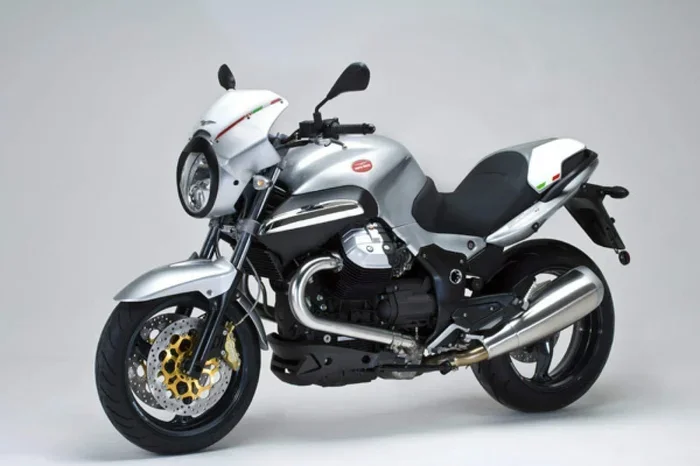
The Moto Guzzi 1200 Sport is a beautiful V-twin bike, but it has some known issues that every owner should know about. This article dives deep into the most common Moto Guzzi 1200 Sport common problems, including cooling system leaks, clutch wear, and electrical gremlins. You’ll find clear, step-by-step fixes, expert tips, and simple maintenance advice to keep your Italian classic running strong.
The Moto Guzzi 1200 Sport common problems are well documented among owners of this iconic Italian V-twin. The bike is a stunning machine with a rich heritage, but it does have a few weak spots that can cause headaches if ignored. Many riders love the character and sound, yet they struggle with cooling, clutch, and electrical issues over time. Understanding these problems early helps you avoid costly repairs and keeps the bike on the road.
This guide walks you through the most frequent failures and gives you clear, actionable fixes. We cover everything from water pump leaks to ignition coil breakdowns. You’ll find practical tips, common mistakes to avoid, and expert insights from seasoned mechanics. Whether you are a DIY mechanic or a rider who wants to speak intelligently with your mechanic, this article has you covered.
The Moto Guzzi 1200 Sport uses a transverse V-twin engine with a shaft drive and a single-sided swingarm. These design elements give the bike its unique feel, but they also create specific maintenance needs. The engine’s camshafts, valves, and cooling system require regular attention. I will break down each major system and show you exactly what to watch for. By the end, you will know how to diagnose and solve the most common Moto Guzzi 1200 Sport common problems with confidence.
Key Takeaways
- Cooling system leaks are the #1 issue: The water pump and radiator seals fail often, leading to overheating.
- Clutch wear is common on high-mileage bikes: Heavy use and a heavy clutch lever accelerate the problem.
- Electrical gremlins love older models: Ignition coils, throttle cables, and grounds cause mysterious failures.
- Idle instability points to fuel or air leaks: A dirty throttle body or cracked intake boots are usual suspects.
- Preventive maintenance saves thousands: Regular valve checks, oil changes, and belt inspections keep the bike healthy.
- DIY fixes are possible with basic tools: Most common problems can be solved at home with a service manual.
- Know your bike’s quirks: The V-twin engine and shaft drive have unique maintenance needs.
📑 Table of Contents
Understanding the Moto Guzzi 1200 Sport Engine and Its Weak Spots
The V-twin engine is the heart of the Moto Guzzi 1200 Sport. It produces a distinctive rumble and smooth power delivery. However, the engine design has a few known vulnerabilities that lead to Moto Guzzi 1200 Sport common problems. The camshafts and valve train are driven by gears, which are generally reliable, but they still need periodic inspection. The engine’s cooling system is water-cooled, which is a change from older air-cooled models, and it introduces new failure points.
The crankshaft runs in a relatively tight clearance, and the crankshaft seal can weep oil over time. The engine also uses a balance shaft to reduce vibration, which adds complexity. Understanding these basics helps you tackle problems faster. Here are the most common engine-related issues:
- Camshaft wear and valve train noise: Over time, the cam lobes can wear, causing a slight ticking or clattering sound.
- Valve clearance changes: The valves need regular adjustment, usually every 15,000 miles, to maintain proper performance.
- Oil leaks from the crankshaft seal: A worn seal allows oil to seep out, which can damage the clutch if it gets too hot.
- Timing belt wear: The belt drives the camshafts and should be replaced at the service interval to prevent catastrophic failure.
Quick Tip: Check Valve Clearances Early
Do not wait for the engine to sound noisy. Check the valve clearances at the first sign of a slight tick or power loss. The service manual gives the exact specs. Adjusting the valves is a straightforward job that takes about an hour with basic tools. It prevents uneven wear on the cam lobes and keeps the engine running smoothly.
Cooling System Leaks and Overheating
The cooling system on the Moto Guzzi 1200 Sport is a frequent source of trouble. The bike uses a radiator, water pump, thermostat, and hoses to keep the engine at the right temperature. When any of these components fail, the bike can overheat, which leads to serious engine damage. Cooling system leaks are the most common Moto Guzzi 1200 Sport common problems in this category.
The water pump is driven by the engine and uses a small seal that can degrade. Coolant will seep out slowly, often leaving a green or pink residue around the pump. The radiator itself can develop pinhole leaks, especially in older bikes that have been stored for long periods. The thermostat can also stick, causing the engine to run too hot or too cold.
Common Cooling System Failures Compared
| Problem | Symptom | Fix | Cost Range |
|---|---|---|---|
| Water pump seal leak | Coolant drips near the engine front | Replace pump seal or entire pump | $150–$400 |
| Radiator pinhole leak | Coolant loss without visible hose leak | Solder or replace radiator | $200–$800 |
| Thermostat stuck closed | Engine overheats at idle or in traffic | Replace thermostat | $50–$150 |
| Hose clamp failure | Coolant sprays or drips from hose | Tighten or replace clamp and hose | $20–$60 |
Common Mistakes with Cooling System Repairs
One of the biggest mistakes is just topping off coolant and ignoring the leak. A small drip today becomes a major loss tomorrow, and overheating can warp the cylinder head. Another mistake is using the wrong coolant. The Moto Guzzi 1200 Sport requires a specific type of ethylene glycol coolant. Mixing different coolant types can cause blockages and accelerate corrosion inside the water jackets.
Expert Insight: The Hidden Air Lock
After any cooling system repair, air can become trapped in the system. An air lock prevents the coolant from circulating properly, which causes localized overheating even though the radiator is full. Always bleed the system carefully after working on it. The Moto Guzzi has a small bleed screw on the thermostat housing. Open it, run the engine, and close it once a steady stream of coolant appears without bubbles.
Clutch and Transmission Issues
The clutch on the Moto Guzzi 1200 Sport is a wet, multi-plate design. It handles a lot of torque, and over time the friction plates wear down. A worn clutch leads to slipping, especially under hard acceleration. This is one of the most common Moto Guzzi 1200 Sport common problems that riders notice on high-mileage bikes. The heavy clutch lever feel can also contribute to rider fatigue and premature wear.
The transmission uses a constant-mesh gearbox with dog-engaged gears. It is generally robust, but the shift forks can wear, causing missed shifts or a notchy feel. The clutch basket and springs are also wear items. When the clutch slips, many riders assume the engine is losing power, but the real culprit is often the clutch plates.
Quick Tip: Extend Clutch Life
Avoid riding with your foot partially on the clutch pedal. This creates constant drag and overheats the clutch plates. Also, shift smoothly and avoid holding the bike on the clutch at a standstill for long periods. A simple habit change can add thousands of miles to your clutch life.
Common Mistake: Ignoring Oil Contamination
Engine oil circulates through the clutch pack. If the oil becomes contaminated with fuel or metal particles, it reduces friction and accelerates clutch slip. Change your oil regularly and use the manufacturer-recommended oil viscosity. After a clutch replacement, always use new oil to ensure proper bedding of the new plates.
Electrical Gremlins and Ignition Failures
The electrical system on the Moto Guzzi 1200 Sport can be a source of frustration. The bike uses a capacitor discharge ignition (CDI) system, which is sensitive to voltage drops and ground faults. Common electrical Moto Guzzi 1200 Sport common problems include erratic stalling, no-start conditions, and flickering lights. These issues are often traced back to a single bad ground or a failing ignition coil.
The ignition coil converts the battery’s 12 volts into the high voltage needed to fire the spark plugs. Over time, the coil’s insulation breaks down, causing misfires. The spark plug caps and leads can also crack, allowing moisture to enter and short the spark. The throttle cable and throttle position sensor are other electrical touchpoints that can develop sticky spots or incorrect idle readings.
Quick Tip: Test the Ignition Coil
Before replacing an ignition coil, test it with an ohmmeter. Measure the primary and secondary resistance and compare the values to the service manual specs. A coil that reads out of range is definitely bad, but a coil that measures okay might still fail under load. A spark tester is a cheap and reliable way to confirm ignition performance.
Common Mistake: Neglecting Ground Wires
Many electrical problems on the Moto Guzzi 1200 Sport are caused by corroded or loose ground wires. The engine grounds to the frame, and the frame grounds to the battery negative terminal. If any of these connections develop corrosion, the electrical system becomes erratic. Clean all ground connections with a wire brush and apply dielectric grease to prevent future corrosion.
Expert Insight: The Throttle Cable Trick
If your Moto Guzzi 1200 Sport has an erratic idle or stalls at stoplights, check the throttle cable first. A sticky cable can prevent the throttle from returning fully to the closed position. Lubricate the cable with a proper cable lubricant and check for fraying. A simple cable replacement often solves mysterious idle and stalling problems without touching the fuel system.
Idle and Fuel Delivery Problems
A smooth idle is a sign of a healthy Moto Guzzi 1200 Sport. When the idle becomes rough, surges, or drops to a stall, the problem usually lies in the fuel or air system. The bike uses fuel injection, which is generally reliable, but the throttle body can accumulate carbon deposits over time. These deposits restrict the airflow and disrupt the idle air control.
The fuel pump delivers consistent pressure, but a weak pump or a clogged fuel filter can cause lean conditions at idle. The air filter is another common culprit. A dirty air filter restricts airflow, making the mixture too rich and causing the engine to stumble. The intake boots that connect the throttle body to the engine can also crack, allowing unmetered air to enter and lean out the mixture.
Common Mistake: Cleaning the Throttle Body Without Resetting the Idle
After you clean the throttle body, the bike’s idle air control valve needs to relearn its baseline position. Simply turning the key off and on is not enough. You must follow the idle relearn procedure in the service manual. Failure to do this often results in a high or erratic idle that takes days to stabilize. Always reset the idle after any throttle body work.
Quick Tip: Check for Intake Boot Cracks
Spray a small amount of carburetor cleaner around the intake boots while the engine is idling. If the idle changes or the engine RPM fluctuates, you have an air leak. Replace the cracked boot immediately. An unmetered air leak causes a lean condition that can damage the engine over time.
Expert Insight: The Fuel Pressure Test
A simple fuel pressure test can rule out many idle and stalling issues. Attach a fuel pressure gauge to the test port on the fuel rail. The pressure should hold steady at the specified value with the engine running and the key turned off. If the pressure drops quickly, the fuel pump or the check valve inside the pump is failing. Replacing the fuel pump is a straightforward job on the Moto Guzzi 1200 Sport.
Preventive Maintenance That Keeps You Riding
The best way to avoid Moto Guzzi 1200 Sport common problems is a solid preventive maintenance routine. The V-twin engine and shaft drive have specific service intervals that, if followed, will keep the bike reliable for decades. A service manual is your best friend here. It provides the exact torque specs, fluid capacities, and inspection points for every component.
Regular oil changes are the foundation of engine health. The engine holds a significant amount of oil, and dirty oil accelerates wear on the camshafts and bearings. The cooling system needs periodic flushing and fresh coolant. The shaft drive requires inspection of the universal joints and the drive shaft seal. The single-sided swingarm makes shaft maintenance easier than on most bikes, but the seal still needs attention.
Key Maintenance Intervals to Remember
- Every 3,000–5,000 miles: Change engine oil and filter. Inspect for leaks.
- Every 15,000 miles: Adjust valve clearances. Check cam chain tension.
- Every 24,000 miles: Replace the timing belt and water pump if the belt is integrated.
- Every 12,000 miles: Inspect the clutch and change clutch fluid if applicable.
- Every 6,000 miles: Check the shaft drive shaft and universal joints. Grease if required.
- Annually: Replace the coolant, inspect all hoses, and test the battery.
Quick Tip: Keep a Maintenance Log
Write down every service and repair in a simple notebook or app. This log helps you spot patterns. If you notice a recurring water pump leak at 30,000 miles, you can proactively replace the seal before it becomes a full failure. A maintenance log also adds value if you ever sell the bike.
Common Mistake: Skipping the Pre-Ride Check
Many riders jump on the bike and pull away without a quick visual inspection. A five-minute check can save you from a breakdown on the road. Look at the coolant level, oil level, tire pressure, and brake fluid. Check for any fresh leaks under the bike. Catching a small coolant drip early prevents an overheating incident miles down the road.
Expert Insight: The Shaft Drive Advantage
The Moto Guzzi 1200 Sport uses a shaft final drive, which is low maintenance compared to a chain. However, the shaft does require periodic inspection of the universal joints and the drive shaft seal. A leaking seal will let water and dirt into the gearbox, causing damage. Inspect the seal during every oil change and replace it at the first sign of seepage. The shaft drive also adds a slight weight penalty, but it eliminates chain adjustment and lubrication chores.
Conclusion
The Moto Guzzi 1200 Sport is a fantastic motorcycle with a lot of character, but it does have its share of Moto Guzzi 1200 Sport common problems. Cooling system leaks, clutch wear, electrical gremlins, and idle issues are all well within your ability to diagnose and fix. The key is to stay proactive and address small symptoms before they become big repairs. Regular valve adjustments, cooling system bleeding, and ground wire maintenance will keep your V-twin running beautifully.
Use the service manual as your guide, and do not be afraid to get your hands dirty. Most of the fixes described here require only basic tools and a bit of patience. The reward is a bike that runs smoothly, looks stunning, and turns heads wherever you ride. Keep up with the maintenance schedule, and your Moto Guzzi 1200 Sport will provide countless miles of Italian-inspired riding pleasure.
Frequently Asked Questions
What are the most common Moto Guzzi 1200 Sport common problems?
The most frequent issues include cooling system leaks from the water pump, clutch slip on high-mileage bikes, and electrical faults like ignition coil failure. Rough idle and throttle cable sticking are also very common. These problems are well understood and can be fixed with the right parts and a service manual.
How often should I adjust the valves on my Moto Guzzi 1200 Sport?
The service manual recommends valve adjustment every 15,000 miles. However, if you notice a slight ticking or loss of power, check the clearances sooner. Regular adjustment prevents uneven cam wear and keeps the engine running smoothly.
Why does my Moto Guzzi 1200 Sport overheat at idle?
Overheating at idle is often caused by a stuck thermostat, a failing water pump, or an air lock in the cooling system. Check the coolant level, bleed the system properly, and test the thermostat. A simple thermostat replacement often solves the problem.
Can I fix the ignition coil myself?
Yes, replacing the ignition coil is a straightforward DIY job. It is located near the engine and connected with a single bolt and electrical connector. Test the coil with an ohmmeter first to confirm it is faulty, then swap it out. Always use a quality replacement coil.
What causes the clutch to slip on the Moto Guzzi 1200 Sport?
Clutch slip is usually caused by worn friction plates, contaminated oil, or a weak clutch spring. Riding with the clutch partially engaged is a common cause of premature wear. Replace the clutch plates and springs as a set, and use the manufacturer-recommended oil.
Is the shaft drive on the Moto Guzzi 1200 Sport maintenance-free?
No, the shaft drive is low maintenance but not maintenance-free. The universal joints need periodic greasing, and the drive shaft seal should be inspected regularly. A leaking seal can allow water into the gearbox, causing damage. Check the seal during every oil change.