Everything You Need to Know About Car Jump Start Cable
A car jump start cable is one of the most essential emergency tools every driver should own. These cables let you quickly revive a dead battery by connecting your vehicle to another car’s power source, getting you back on the road in minutes. Whether you’re facing a sudden dead battery on a cold morning or preparing for unexpected roadside situations, knowing how to choose and use the right jump start cable saves time, money, and stress. In this guide, we’ll cover everything from top-rated options to safe usage tips and maintenance best practices.
Key Takeaways
- Car jump start cable quality directly impacts safety and effectiveness.
- Always match cable gauge to your vehicle’s engine size.
- Inspect cables for frayed wires before each use.
- Keep a portable jump starter as a backup solution.
- Store cables in a cool, dry place to prevent corrosion.
- Never let clamps touch each other during a jump.
📑 Table of Contents
- What Is a Car Jump Start Cable and How Does It Work
- Types of Jump Start Cables You Can Choose From
- How to Use Car Jump Start Cables Safely
- Key Features to Look For When Buying
- Top Maintenance Tips for Longer Cable Life
- Common Mistakes to Avoid When Jump Starting
- Final Thoughts on Choosing the Right Car Jump Start Cable
What Is a Car Jump Start Cable and How Does It Work
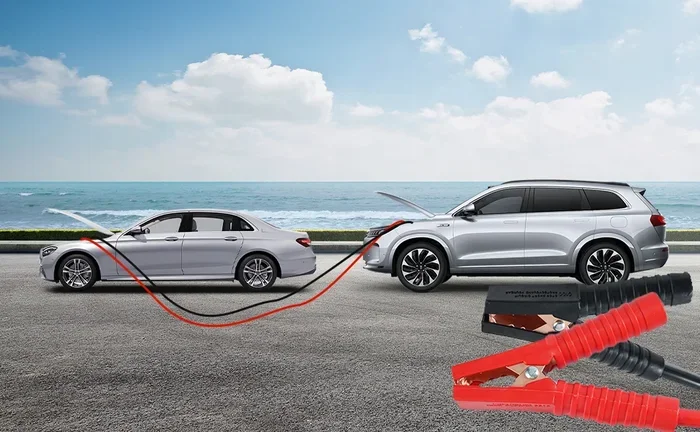
A car jump start cable is a simple tool that transfers power from a working battery to a dead one. It connects two vehicles or a portable power source to your car’s battery using clamp connectors. The process is straightforward and does not require any special skills.
When your automotive battery loses charge, the car jump start cable acts as a bridge. It carries electrical current from a healthy 12V battery to yours. This restores enough power to turn the engine over and get you back on the road.
Most jumper cables consist of two insulated wires with heavy-duty clamps on each end. One clamp connects to the positive terminal, and the other connects to the negative terminal. The copper cable inside the wires determines how much power can flow through safely.
Why Every Driver Should Own a Set
A dead battery can happen to anyone. You might leave your lights on overnight, or cold weather might weaken your automotive battery over time. Having a reliable car jump start cable in your trunk means you do not have to wait for roadside assistance.
Here are a few reasons why every driver should keep a set handy:
- Emergency starting becomes possible anywhere
- You save time and money compared to calling a tow truck
- It works with most vehicles that use a standard 12V battery
- Portable jump starter units can replace a second vehicle entirely
- It gives you independence during long road trips
Quick Tip
Always keep your car jump start cable plugged into a storage compartment in your trunk. You do not want to dig through your entire car when you are already stressed about a dead battery.
Types of Jump Start Cables You Can Choose From
Not all jump start cables are the same. Different types serve different needs and budgets. Understanding the options helps you pick the right one for your vehicle and lifestyle.
Standard Copper Jumper Cables
Traditional copper cable jumper cables are the most common choice. They offer excellent conductivity and durability. These cables come in various lengths, typically ranging from 10 to 25 feet. The gauge thickness determines how much current they can handle safely.
Thicker cables with a lower gauge number deliver more power. For most passenger cars, a 4-gauge or 6-gauge car jump start cable works perfectly. Larger trucks and SUVs may need an even thicker 2-gauge option.
Aluminum Jumper Cables
Aluminum cables are lighter and more affordable than copper options. However, they conduct electricity less efficiently. These work fine for occasional use on smaller vehicles. They are a good choice if you need a budget-friendly battery booster for emergencies only.
Portable Jump Starters
A portable jump starter is a compact battery pack that fits in your glove box. It eliminates the need for a second vehicle entirely. These small battery booster units can start most cars multiple times on a single charge. Many models also include USB ports to charge your phone.
Comparison Table: Cable Types at a Glance
| Cable Type | Best For | Durability | Price Range |
|---|---|---|---|
| Standard Copper | All-weather, heavy-duty use | High | Mid to High |
| Aluminum | Occasional use, budget buyers | Medium | Low |
| Portable Jump Starter | Solo drivers, no second vehicle | High | Medium to High |
| Hybrid Copper-Aluminum | Balanced performance and cost | Medium-High | Low to Mid |
Expert Insight
Automotive experts recommend copper cables for reliability. While aluminum cables save money upfront, they may not deliver enough power in cold conditions. A quality car jump start cable with pure copper wiring gives you the best chance of a successful start every time.
Key Takeaway
Your choice depends on how often you need to use the cables and what type of vehicle you drive. For regular use, invest in a thick copper cable. For occasional emergencies, a portable jump starter offers unmatched convenience.
How to Use Car Jump Start Cables Safely
Using a car jump start cable is simple, but safety must come first. Connecting cables incorrectly can damage your vehicle’s ignition system or even cause a spark hazard. Follow these steps carefully every time.
Step-by-Step Connection Process
Follow this sequence to safely jump-start your vehicle:
- Park both vehicles close together but do not let them touch
- Turn off the engine in both cars and engage the parking brake
- Connect the red clamp to the positive terminal of the dead battery
- Connect the other red clamp to the positive terminal of the working battery
- Connect the black clamp to the negative terminal of the working battery
- Connect the remaining black clamp to an unpainted metal surface on the dead car
- Start the working vehicle and let it run for a few minutes
- Try starting the dead vehicle
- Once running, remove the cables in reverse order
Critical Safety Precautions
Working with car jump start cable involves electricity and can be dangerous if you are not careful. Always keep these safety precautions in mind:
- Never let the clamps touch each other once connected
- Check for cracked insulation or frayed wires before each use
- Wear gloves and safety glasses if possible
- Do not attempt to jump a damaged or leaking battery
- Keep flames and cigarettes away from the battery area
- Read your vehicle owner’s manual for any manufacturer-specific warnings
Common Mistakes to Avoid
The most frequent error is connecting the cables in the wrong order. Always attach positive first and disconnect negative last. Another mistake is letting the clamps dangle where they can touch each other or metal surfaces on the car.
Quick Tip
If you are unsure about the positive and negative terminals, look for the plus (+) and minus (-) symbols on your battery. The red clamp always goes to positive, and the black clamp goes to negative or a grounded metal surface.
Key Features to Look For When Buying
Shopping for a car jump start cable can feel overwhelming with so many options on the market. Focus on a few key features to narrow down your choices and find the best value.
Gauge Thickness Matters
The gauge thickness of the wire inside the cable determines its power capacity. Lower gauge numbers mean thicker wires. A 4-gauge or 6-gauge car jump start cable handles most passenger cars easily. For larger vehicles like trucks or SUVs, consider a 2-gauge option for reliable emergency starting.
Clamp Quality and Design
The clamp connectors are the most important part of any jumper cable. Look for clamps made from heavy-duty copper or brass. They should grip the battery terminals tightly without slipping. Battery terminals come in different sizes, so choose clamps that fit both standard and top-post batteries.
Length and Flexibility
A longer cable gives you more flexibility when positioning vehicles. Most drivers prefer cables that are at least 16 feet long. However, longer cables can be heavier and harder to store. Find a balance that works for your needs.
Weather Resistance
Good car jump start cable sets come with thick insulation that resists cold, heat, and moisture. If you live in an area with harsh winters, choose cables with flexible insulation that does not crack in freezing temperatures.
Key Takeaway
Do not cheap out on the cable quality. A car jump start cable with proper gauge thickness, solid clamp connectors, and weather-resistant insulation will serve you reliably for years. It is one of the most important pieces of vehicle maintenance gear you can own.
Top Maintenance Tips for Longer Cable Life
Your car jump start cable does not need much attention, but a little care goes a long way. Proper maintenance keeps your cables ready to go when you need them most.
Storage Best Practices
Always store your cables in a cool, dry place. Avoid leaving them in your trunk where temperatures can soar in summer or drop below freezing in winter. A simple cable bag or pouch keeps them organized and protects the insulation from damage.
Regular Inspection Routine
Every few months, take a few minutes to inspect your jump start cable set. Look for these signs of wear:
- Cracked or exposed wires
- Frayed insulation near the clamps
- Corrosion on the clamp connectors
- Loose or stiff clamp movement
- Kinks or knots in the cable itself
If you notice any of these issues, replace the cables before you need them in an emergency. A damaged car jump start cable can fail when you need it most.
Cleaning Your Clamps
Over time, battery terminals and clamp connectors can develop a greenish or whitish corrosion. A simple wipe with a damp cloth and a light application of petroleum jelly keeps them clean and conductive. This small step extends the life of your cables significantly.
Expert Insight
Many drivers forget about their cables until they need them. Make it a habit to test your car jump start cable once a year by connecting it to a known-good battery and checking for proper power flow. This simple habit ensures you are always prepared.
Common Mistakes to Avoid When Jump Starting
Even with the best car jump start cable, mistakes can happen. Knowing what to avoid saves you time, money, and potential damage to your vehicle.
Skipping the Manual Check
Every vehicle is different. Some cars have specific warnings about jump-starting procedures. Always consult your owner’s manual before connecting cables. Ignoring this step can void your warranty or damage sensitive electronics.
Using the Wrong Gauge
Thin cables with high gauge numbers may not deliver enough current for your engine. Using an undersized car jump start cable on a large truck or diesel engine can overheat the wires and fail to start the vehicle. Always match your cable gauge to your vehicle’s needs.
Ignoring Battery Condition
A car jump start cable cannot fix a battery that is physically damaged or completely dead. If your battery is old and has been dying frequently, it may need replacement. Using cables on a failing battery can strain your vehicle’s alternator and power supply systems.
Rushing the Process
Patience is key when jump-starting a car. Rushing through the connection steps increases the risk of sparks, short circuits, or reversed polarity. Take your time, follow the steps in order, and stay calm.
Key Takeaway
The most important rule is to stay patient and follow the correct procedure. A car jump start cable is a reliable tool, but only when used correctly. Respect the electricity involved and you will have a safe and successful jump every time.
Final Thoughts on Choosing the Right Car Jump Start Cable
A quality car jump start cable is one of the simplest yet most valuable tools you can keep in your vehicle. Whether you choose traditional copper cable jumper cables or a modern portable jump starter, the key is to invest in something reliable and learn how to use it properly.
Think of your car jump start cable as part of your basic vehicle maintenance kit. Just like you keep spare tires and windshield washer fluid on hand, a good set of jumper cables belongs in every trunk. It gives you peace of mind and the ability to handle a dead battery without waiting for roadside assistance.
Take the time to understand your options, check the gauge thickness and clamp connectors, and practice the connection process before you actually need it. When a dead battery strikes on a cold morning or a busy highway, you will be glad you prepared.
Your automotive battery powers everything from the ignition system to the headlights and radio. Keeping a dependable car jump start cable nearby means you are always ready to handle the unexpected. Stay safe, stay prepared, and drive with confidence knowing you have the right tools for the job.
Frequently Asked Questions
What is a car jump start cable and how does it work?
A car jump start cable is a set of thick, insulated wires with clamps on each end that transfers power from a working battery to a dead one. The red clamp connects to the positive terminals and the black clamp goes to the negative or ground point. This creates a circuit that lets the good battery boost the dead one enough to start your engine.
How do you safely use a car jump start cable?
First, clamp the red cable to the positive terminal of the dead battery, then to the positive terminal of the working battery. Next, attach the black clamp to the negative terminal of the good battery and the other end to an unpainted metal surface on the dead car. Start the working vehicle first, wait a few minutes, then try starting the car with the dead battery.
What gauge should a car jump start cable be?
The gauge refers to the thickness of the cable, and lower numbers mean thicker wires that carry more current. For most passenger cars, a car jump start cable in the 1 to 2 gauge range works best. Heavier vehicles like trucks or SUVs may need even thicker cables to handle the higher power demand.
Can any car jump start cable work with any vehicle?
Not all cables are suitable for every vehicle. Smaller cars need lighter cables, while larger trucks and SUVs require heavier gauge car jump start cables to deliver enough power. Always check your vehicle’s owner manual and match the cable rating to your battery size and engine type for safe and effective jumping.
How long do car jump start cables last?
A quality set of car jump start cables can last anywhere from three to ten years depending on how often you use them and how well you store them. Keep them dry, coiled loosely, and away from extreme heat to extend their lifespan. Inspect the clamps and insulation regularly for signs of wear or corrosion.
What is the difference between jumper cables and a car jump start cable?
The terms are often used interchangeably, but some car jump start cables come with extra features like built-in voltage displays or heavier-duty construction. Standard jumper cables are basic wires with clamps, while premium versions may include fireproof insulation or longer lengths for convenience. Both serve the same core purpose of transferring battery power between vehicles.