Is the Maintenance Required Light Only for Oil Change
The maintenance required light is not just for oil changes. It also reminds you about tire rotations, brake inspections, fluid checks, and other routine vehicle maintenance tasks. Understanding what this light really means can save you time, money, and unexpected breakdowns.
Key Takeaways
- The maintenance required light covers more than just oil changes. It tracks multiple service intervals on your vehicle.
- Resetting the light is simple and can be done at home with a few steps.
- Ignoring the light can lead to bigger problems, including engine damage and reduced fuel efficiency.
- The light typically activates every 5,000 miles or based on your vehicle’s maintenance schedule.
- It is different from the check engine light, which signals a specific mechanical issue.
- Regular maintenance keeps your car running smoothly and extends its lifespan significantly.
📑 Table of Contents
- Is the Maintenance Required Light Only for Oil Change?
- What Does the Maintenance Required Light Mean?
- What Services Does the Maintenance Light Cover?
- How Often Does the Maintenance Light Come On?
- How to Reset the Maintenance Required Light
- What Happens If You Ignore the Maintenance Light?
- Can You Drive With the Maintenance Light On?
- How to Tell If Your Car Needs More Than Just an Oil Change
- DIY Maintenance Tips Between Services
- How to Choose the Right Service Provider
- Conclusion
Is the Maintenance Required Light Only for Oil Change?
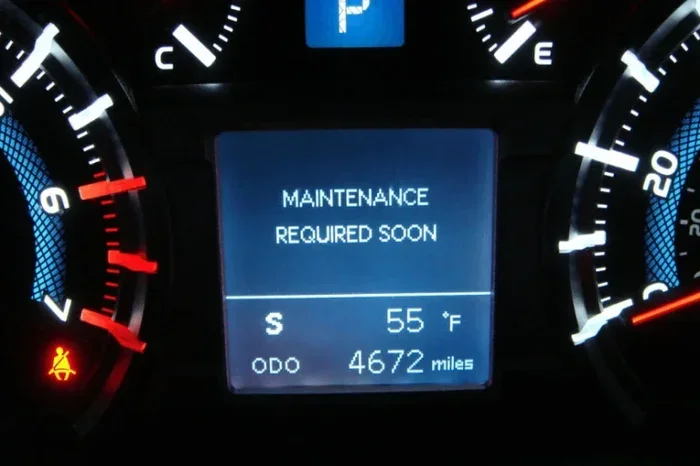
You are driving down the road when a little yellow or orange light pops up on your dashboard. It says “Maintenance Required.” Your first thought? “Do I need an oil change?” The answer is yes, but it is not the whole story. The maintenance required light is a general reminder that your car is due for service. It covers much more than just oil replacement. Understanding what this light really means can save you a lot of stress and money.
Many drivers assume the maintenance light only tracks oil changes. That is a common mistake. In reality, this light is part of your vehicle’s oil life monitor system. It keeps track of your driving habits and reminds you when it is time for routine vehicle maintenance. This includes oil changes, tire rotations, brake inspections, and fluid top-offs. The system is designed to keep your car in top shape and prevent unexpected breakdowns.
The good news? Once you understand how the system works, you can stay ahead of your maintenance schedule with confidence. Let us break down everything you need to know about the maintenance required light and what it really means for your car.
What Does the Maintenance Required Light Mean?
The maintenance required light is a service reminder built into your car’s computer system. It is not a warning of a mechanical failure. Instead, it is a gentle nudge that says, “Hey, it has been a while since your last service.” Think of it as your car’s way of keeping track of its own health.
Different car brands use different names for this light. Toyota calls it “Maintenance Required.” Honda uses “Maintenance Minder.” Other brands simply show a wrench icon or a “Service Due” message. No matter the name, the purpose is the same. It tells you when your car is due for its next scheduled routine maintenance.
How the System Tracks Your Service Needs
Modern cars use a smart algorithm to calculate when you need service. The system looks at several factors:
- Your driving distance in miles
- Your driving habits, such as short trips or stop-and-go traffic
- Environmental conditions like extreme heat or cold
- The type of driving you do, such as towing or carrying heavy loads
Based on these factors, the car’s computer estimates when your oil change interval has been reached. It then lights up the maintenance reminder. This is why some drivers see the light at 4,500 miles while others see it closer to 5,500 miles. The system adjusts to your actual driving conditions.
Is It the Same as the Check Engine Light?
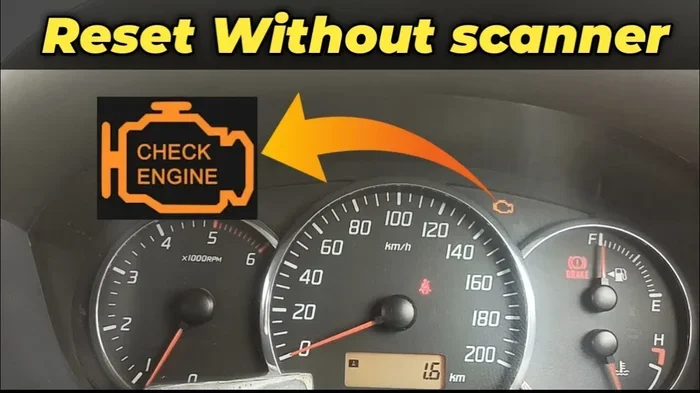
No. This is a very important distinction. The maintenance required light is a scheduled service reminder. The check engine light, on the other hand, signals a specific problem with your vehicle’s systems. If your check engine light is on, you should address it right away. The maintenance light is less urgent, but you should not ignore it either. If you are unsure which light you are seeing, you can run diagnostics without a check engine light to be sure.
What Services Does the Maintenance Light Cover?
The maintenance required light is not just about oil. It covers a full range of preventive maintenance tasks. Here is a closer look at what it tracks and reminds you about.
Oil Changes
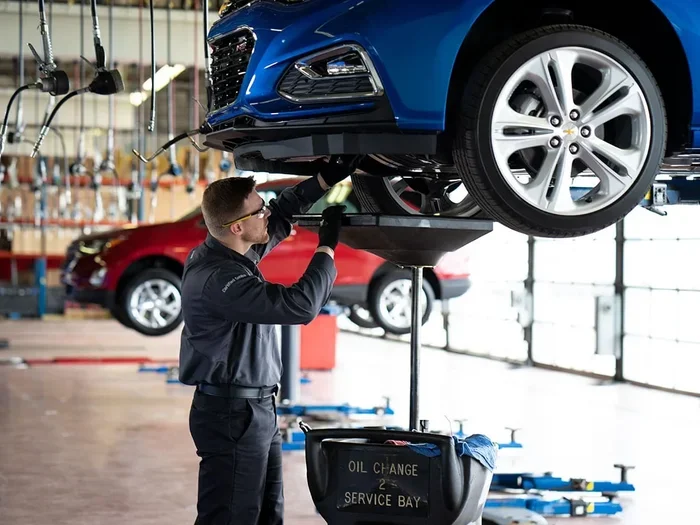
Oil changes are the most common reason the light comes on. Your engine oil breaks down over time. It gets dirty and loses its ability to lubricate engine parts effectively. Regular oil replacement keeps your engine running smoothly and prevents premature wear. Most vehicles need an oil change every 5,000 to 7,500 miles, depending on the type of oil used and your driving conditions.
Tire Rotations
Tire rotations help your tires wear evenly. This extends their lifespan and improves your car’s handling and safety. The maintenance light can remind you when it is time to rotate your tires. Skipping tire rotations can lead to uneven wear, which means you will need to replace tires sooner than necessary.
Brake Inspections
Your brakes are one of the most important safety features on your car. The maintenance system can remind you to have your brakes inspected. During an inspection, a technician checks your brake pads, rotors, and brake fluid. Catching brake wear early can prevent costly repairs and keep you safe on the road.
Fluid Checks and Top-Offs
Your car relies on several fluids to operate properly. These include coolant, transmission fluid, brake fluid, and power steering fluid. The maintenance reminder can prompt you to check these fluids. Low fluid levels can cause serious damage over time. For example, low engine oil can cause overheating, which can lead to engine failure if left unchecked.
Air Filter and Cabin Filter Replacement
Your engine air filter keeps dirt and debris out of your engine. The cabin air filter keeps the air inside your car clean. Both filters get dirty over time and need replacement. A clogged cabin air filter can even stop your air conditioning from working properly. The maintenance light can remind you to check and replace these filters on schedule.
How Often Does the Maintenance Light Come On?
The maintenance required light typically activates every 5,000 miles for most Toyota and Lexus vehicles. However, this can vary based on your specific model and driving conditions. Some newer vehicles use a more advanced system that adjusts the interval based on real-time driving data.
If you are unsure about your vehicle’s specific schedule, check your owner’s manual. It will have a detailed maintenance schedule that outlines every service interval. You can also visit your dealership or a trusted mechanic for guidance.
Can You Go Longer Between Services?
Some drivers wonder if they can stretch the interval between services. While it might be tempting to skip a service when things seem fine, this is not a good idea. The maintenance light is set based on your vehicle’s needs. Pushing past the recommended interval can reduce engine efficiency and even cause damage. If you have ever wondered can you go two years without changing synthetic oil, the short answer is no. Even synthetic oil degrades over time and needs to be replaced.
How to Reset the Maintenance Required Light
Once you have completed your service, you will want to reset the maintenance light. This clears the reminder and resets the counter for the next service interval. The process varies slightly depending on your vehicle model, but here are the general steps for most Toyota vehicles.
Step-by-Step Reset Guide
- Turn the ignition to the “ON” position without starting the engine.
- Press the trip meter reset button until the odometer shows the total mileage.
- Turn the ignition to the “OFF” position.
- Press and hold the trip meter reset button.
- While holding the button, turn the ignition back to the “ON” position.
- Keep holding the button until the light flashes and then turns off.
- Release the button. The maintenance light should now be reset.
If these steps do not work for your specific model, consult your owner’s manual or contact your dealership. Some newer Toyota models allow you to reset the light through the dashboard menu. You can also ask the service center to reset it for you when you get your oil change or other service done.
Why Resetting the Light Matters
Resetting the light after service is important. If you do not reset it, the light will stay on even after your car has been serviced. This can be confusing and may cause you to ignore a real warning in the future. A properly reset light also helps you keep accurate records of your maintenance due dates. This is especially helpful if you plan to sell your car, as a well-documented maintenance history increases resale value.
What Happens If You Ignore the Maintenance Light?
It is easy to ignore a yellow warning light, especially if your car seems to be running fine. But ignoring the maintenance required light can lead to real problems over time. Here is what can happen if you keep putting off your scheduled service.
Reduced Engine Performance
Old or dirty oil does not lubricate your engine as effectively. This means more friction between moving parts, which leads to reduced performance. Your engine may feel sluggish or less responsive. Over time, this increased friction can cause premature wear on engine components.
Overheating and Engine Damage
One of the most serious risks of ignoring your maintenance light is engine overheating. Dirty or low oil cannot properly cool your engine. This can cause a car to overheat with low oil, potentially leading to warped engine parts or even a complete engine failure. Repairing engine damage is one of the most expensive automotive bills you can face.
Lower Fuel Efficiency
When your engine is not properly maintained, it has to work harder to perform. This means it burns more fuel. You may notice your gas mileage dropping over time. Regular oil changes and maintenance keep your engine running efficiently, saving you money at the pump.
Voided Warranty
If your car is still under warranty, skipping recommended maintenance can void that warranty. Manufacturers require proof of regular service. If you need a warranty claim later, they may deny it if your maintenance records are incomplete. This can cost you thousands of dollars in repairs that would otherwise be covered.
Can You Drive With the Maintenance Light On?
The short answer is yes, you can drive with the maintenance required light on. It is not an immediate danger signal like the check engine light or the oil pressure light. Your car will continue to run normally. However, the light is a reminder that service is overdue or coming due soon.
That said, you should not drive indefinitely with the light on. Use it as a prompt to schedule your next service appointment. If you are planning a long road trip, it is a good idea to have your car serviced beforehand. A well-maintained car is a reliable car, especially on long journeys.
If you are curious about driving with the light on for an extended period, you can read more about driving with the maintenance required light on Toyota vehicles for specific guidance. Similarly, if you are wondering whether it is okay to ignore the light entirely, there are important factors to consider before you do so.
How to Tell If Your Car Needs More Than Just an Oil Change
The maintenance required light tells you it is time for service, but it does not specify exactly what needs to be done. Here are some signs that your car needs attention beyond an oil change:
- Unusual noises: Grinding, squealing, or knocking sounds from the engine or brakes.
- Changes in driving feel: Vibrations, pulling to one side, or a rough idle.
- Visible leaks: Puddles of fluid under your parked car.
- Dashboard warnings: Additional lights like the oil pressure light or tire pressure light.
- Decreased fuel economy: You are filling up more often than usual.
- Strange smells: Burning smells, sweet coolant smells, or rotten egg odors.
If you notice any of these signs, do not wait for your next scheduled service. Take your car to a mechanic right away. Early detection of problems can save you from expensive repairs down the road.
DIY Maintenance Tips Between Services
You do not have to wait for the maintenance light to take care of your car. There are simple things you can do at home to keep your vehicle in great shape between scheduled services.
Check Your Oil Level Regularly
Pop your hood and check your oil level at least once a month. You only need a clean rag and a minute or two. If the oil looks dark or gritty, it is time for a change. You can even do an oil and filter change yourself if you are comfortable working under the hood. Just make sure you use the right type of oil for your vehicle.
Monitor Tire Pressure
Proper tire pressure improves fuel economy and keeps you safe. You can check your tire pressure at most gas stations for free. Some vehicles even let you check tire pressure on the dashboard through the information screen. Keep your tires inflated to the pressure listed on the driver’s side door jamb.
Keep Your Fluids Topped Off
In addition to oil, check your coolant, brake fluid, and windshield washer fluid regularly. Low fluid levels can cause serious issues if not addressed. Top them off as needed using the type of fluid recommended in your owner’s manual.
Replace Your Air Filters
A dirty engine air filter can reduce your car’s performance and fuel efficiency. Cabin air filters keep your interior air clean and fresh. Both are easy to replace and do not require a mechanic. You can change your car air filter yourself in just a few minutes with basic tools.
How to Choose the Right Service Provider
When the maintenance light comes on, you need to decide where to take your car. You have several options, and each has its pros and cons.
Dealership Service Centers
Dealerships have trained technicians who know your specific vehicle. They use factory-approved parts and follow the manufacturer’s recommended procedures. If your car is still under warranty, getting service at the dealership is usually the best choice. You can also take your Toyota to any dealership for warranty work if needed. However, dealership service can be more expensive than independent shops.
Independent Mechanics
Independent mechanics often charge less for the same services. They can be a great option for routine maintenance like oil changes and tire rotations. Just make sure you choose a reputable shop with certified technicians and good reviews.
DIY Service
For simple tasks like oil changes and air filter replacements, doing it yourself can save money and teach you valuable skills about your vehicle. There are many online tutorials and resources to help you get started. Just make sure you follow safety precautions and use the right tools and parts.
Conclusion
The maintenance required light is not just for oil changes. It is a comprehensive reminder system that covers all aspects of your vehicle’s routine preventive maintenance. From oil changes to brake inspections to fluid checks, this light helps you stay on top of your car’s needs. Ignoring it can lead to reduced performance, higher fuel costs, and even serious engine damage.
The best approach is simple. When the light comes on, schedule your service promptly. Keep up with your maintenance schedule and reset the light after each service. Take care of small issues before they become big problems. Your car will reward you with reliable performance and a longer lifespan. Stay proactive, stay informed, and keep your car running its best.
Frequently Asked Questions
What is the difference between the maintenance required light and the check engine light?
The maintenance required light is a scheduled service reminder. It tells you it is time for routine maintenance like an oil change or tire rotation. The check engine light signals a specific mechanical or electrical problem. If the check engine light is on, you should diagnose the issue right away.
Can I drive 1,000 miles with the maintenance required light on?
Yes, you can drive a short distance with the light on. It is not an emergency warning. However, you should schedule service as soon as possible to avoid potential issues from overdue maintenance.
How do I know if my maintenance required light is due for an oil change or other service?
The light itself does not specify the exact service needed. Refer to your owner’s manual for your vehicle’s maintenance schedule. A trusted mechanic can also inspect your car and recommend the specific services you need based on mileage and driving conditions.
Will the maintenance required light reset itself after an oil change?
No, the light will not reset automatically in most vehicles. You need to manually reset it after completing your service. Follow the reset steps in your owner’s manual or ask your service technician to do it for you.
Can low oil cause the maintenance required light to come on?
The maintenance required light is not directly triggered by low oil levels. However, if your oil is very low, you may see the oil pressure warning light instead. If you are concerned about your oil level, check it immediately and top it off or change it if needed.
Is it okay to reset the maintenance light without getting service?
Resetting the light without completing the actual service is not recommended. The light is there to remind you of important maintenance tasks. Clearing it without addressing the underlying need can lead to neglected services and potential vehicle damage over time.